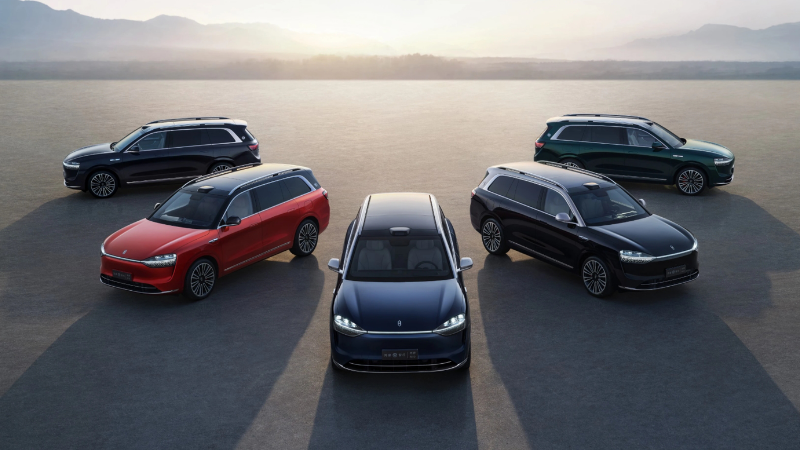
In a recent "Answering Users' Questions (Part II)" post, Qijing Auto disclosed core details of its first model. The company said it chose a shooting‑brake coupe to meet customers' no‑compromise demands for design, driving fun, intelligence and safety. It also confirmed the car will use Huawei's Qiankun L3 conditional automated‑driving hardware architecture and is scheduled to go on sale in June this year.
To bolster reliability, Qijing has deployed more than 600 test cars across over 20 cities nationwide, running large‑scale real‑world road tests in extreme conditions from deep freeze to scorching heat.
Huawei and GAC's pivotal move
Qijing made its first official public debut on Nov. 20, 2025, at the Huawei Qiankun Ecosystem Conference. The brand name — proposed by Huawei founder Ren Zhengfei and meaning "opening a new realm of intelligence" — has carried significance beyond a single car from day one.
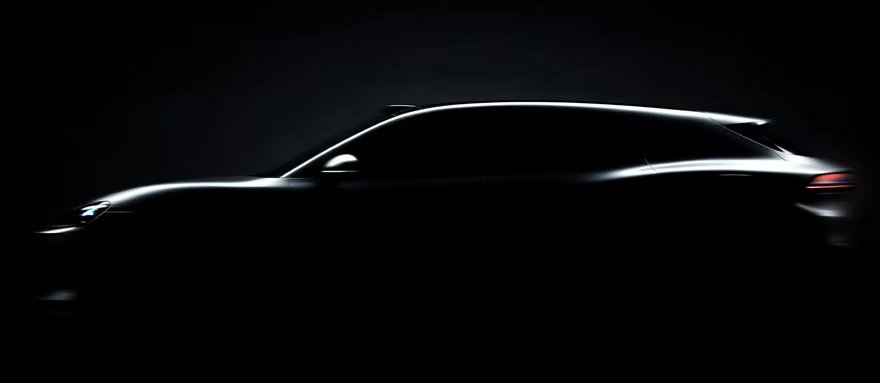
Image source: @Qijing Auto
Qijing is the first brand in Huawei's "Jing" family within its ecosystem, and it is partnering with Huawei and GAC under a new model internally dubbed "embedded collaboration." Huawei has stationed cross‑functional experts in R&D, design and marketing on site at Qijing, working in lockstep with GAC's team on co‑development.
The brand arrives as China's new‑energy vehicle market enters a critical transition. According to the China Passenger Car Association, NEV retail penetration reached 59.5% in November 2025.
As competition intensifies, the collaboration model between legacy automakers and tech companies is shifting fast — and Qijing offers a clear window into that change.
For Huawei, Qijing is the first act in its "Jing" series for autos and is set to be the first Huawei ecosystem brand to adopt Huawei's L3 automated‑driving system — a key vessel for higher‑level capabilities under Huawei Qiankun. Jin Yuzhi, CEO of Huawei's Intelligent Automotive Solution BU, has said publicly: "Qijing's tech and intelligence must be maxed out."
That "maxed out" approach shows up in the tech stack. All Qijing models will adopt Huawei's Qiankun suite, including the Qiankun ADS driving system and a HarmonyOS cockpit. The first shooting‑brake coupe will come with Huawei's Qiankun L3 conditional automated‑driving hardware architecture.
Deep collaboration, though, brings friction. In interviews, Qijing CEO Liu Jiaming acknowledged that Huawei and Qijing teams clashed at times early on due to different vantage points. Reports have described heated debates over technology roadmaps and product definitions during co‑location — a reminder of the cultural and workflow gaps between tech firms and traditional automakers.
For GAC Group, Qijing represents a bid to break through in its NEV transition. In the first half of 2025, GAC's results showed NEV sales continued to grow, yet challenges persisted around consumer perception of intelligence features and brand premium.
GAC tapped a seasoned hand to steer the effort. In September 2025, with Huawei rotating chairman Xu Zhijun and GAC chairman Feng Xingya in attendance, Liu Jiaming — a 25‑plus‑year auto veteran who led planning for hits such as the Highlander and Camry — was appointed CEO of the Qijing brand. Feng has granted broad authority, framing the project as a major strategic exploration.
That tight alignment allows Qijing to break free of legacy playbooks and trial a different development flow. The company has introduced Huawei's IPD (integrated product development) and IPMS (integrated product marketing and service) systems, aiming for an organization‑level transformation.
Qijing's "no‑compromise" stance tests a new model of industry convergence
From an industry lens, Qijing embodies a new attempt in China's shift to smart cars: a deep tie‑up that goes beyond the typical supplier relationship.
This model differs from Huawei's Smart Selection cooperation with SERES and from traditional licensing or parts supply. Instead, it aims for long‑term symbiosis via "system‑level integration."
On positioning, Qijing has picked a niche that's warming up: the shooting‑brake coupe. "We chose a shooting‑brake coupe for the first car because it meets the 'want it all — and more' needs of many users," CEO Liu Jiaming said. The plan is to carve out space where sedans, SUVs and wagons intersect.
Risks come with that choice. Shooting‑brake models remain niche in China, forcing Qijing to balance personality with volumes. And in the 300,000 to 400,000 yuan price band, it will square off against bestsellers such as Tesla's Model 3/Y, NIO's ET5/ET7 and the ZEEKR 001.
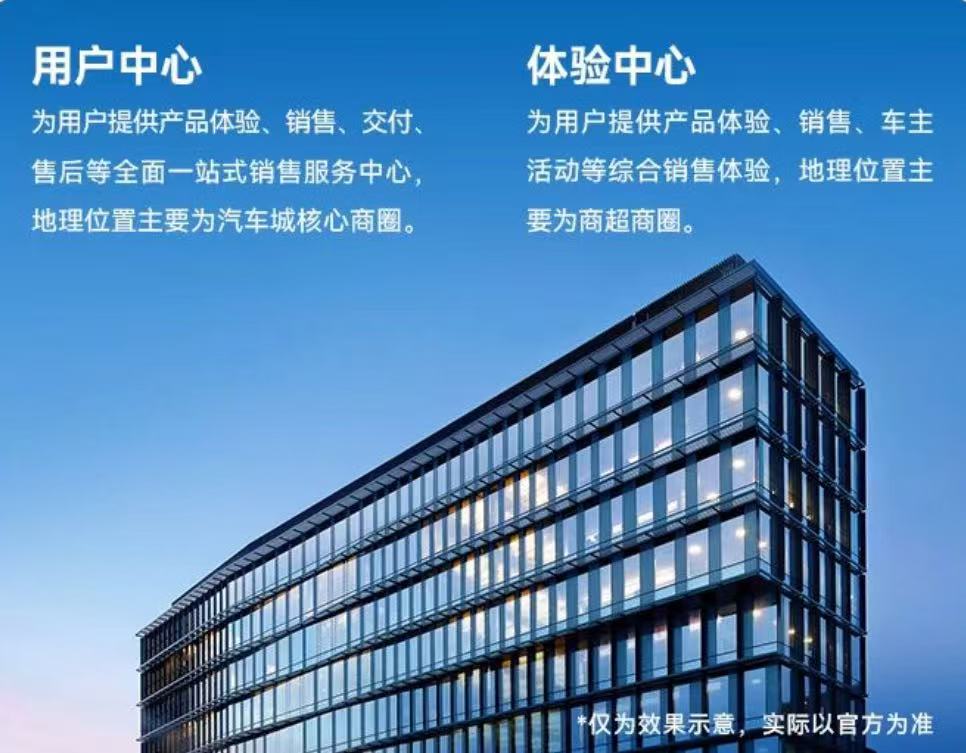
Image source: Qijing Auto
On distribution, Qijing is taking a pragmatic tack. On Dec. 26, 2025, it signed its first batch of top‑100 national dealers. Of those, 98% have experience representing luxury marques, which should help Qijing quickly build a service network across 65 core cities.
The approach has upsides and pitfalls: speed from established dealer networks on the one hand, and on the other, the challenge of ensuring traditional dealers can convey what sets a smart‑car brand like Qijing apart.
On the validation front, Qijing's large‑scale road testing stands out. The company has deployed more than 600 test vehicles across over 20 cities, running trials in extreme cold, heat and high altitude — not just product checks, but a test of Huawei Qiankun's stability across climates and road conditions.
Industry analysts note: "Qijing's road‑test scale sits at the high end for the sector, underscoring how seriously Huawei and GAC take reliability. The real test, though, is whether that data translates into stability in everyday use."
Qijing's first model is expected to launch in June 2026. Before then, the brand — carrying a dual mandate — still has questions to answer: Can the product stand out in a crowded field? Can the "embedded collaboration" between Huawei and GAC deliver sustained efficiency? And how will a standalone Qijing work in concert with GAC's existing brands?
Whatever the outcome, Qijing has offered a case study in deeper integration across China's auto value chain. As the smart‑car push moves into its deep waters, collaboration that goes beyond transactional tech deals may open new paths for global competition.
![[Gasgoo News Flash] Zhao Changjiang officially announces he has joined LUXEED; Positive progress in China–EU EV case consultations](https://gascloud.gasgoo.com/production/2026/01/f3c7dca3-c885-48bf-b097-ca8293115eb9-1768414621.png)