



Gasgoo Munich- 2026 marks the start of the biggest regulatory overhaul in Formula 1 history. With officials optimizing the spectacle for a mass audience, understanding the new era comes down to four core pillars: hybrid power, active aerodynamic overtaking, energy management tactics, and the three-day points structure. Master these, and you’ll follow every move—no more watching in the dark.
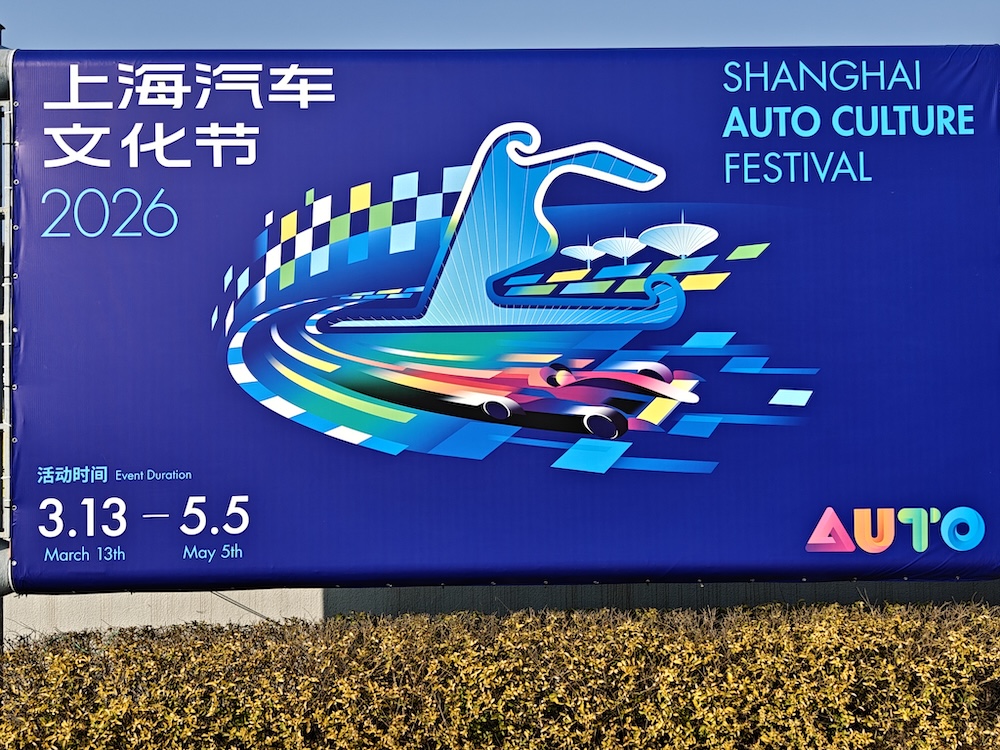
I.2026 F1 Essentials + Regulatory Shifts
Formula 1 is the pinnacle of circuit racing—fastest and most prestigious globally. The 2026 season brings disruptive rule changes, and as China’s only Grand Prix, Shanghai arrives just after the season opener. The circuit’s mix of high-speed straights, slow corners, and high-speed bends promises upgraded spectacle and intensity, making this the most welcoming season for newcomers.
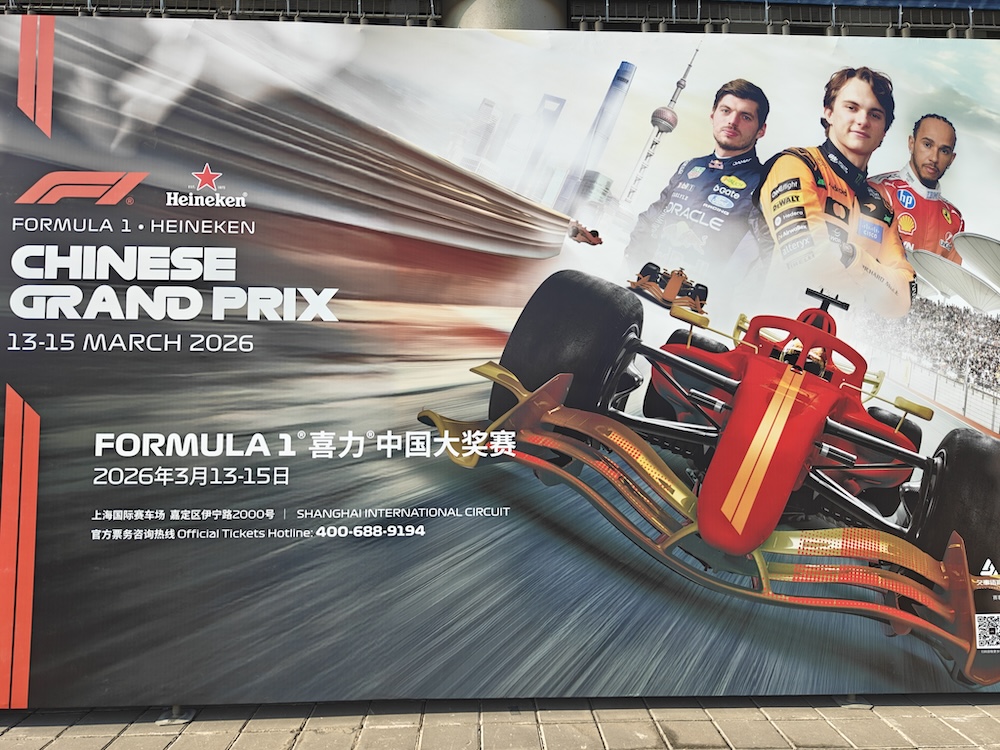
• The Grid: 11 top teams battle it out, fielding two drivers each for a total of 22 cars. The lineup includes McLaren, Mercedes, Red Bull Racing, Ferrari, Williams, RB, Aston Martin, Haas, Audi, Alpine, and Cadillac.
• 2026 Technical Overhaul: Power now splits 50/50 between combustion and electricity, with significantly increased electric output. Cars are more compact—shorter wheelbases and a weight limit dropped to 768 kg—for sharper cornering. The DRS is gone, replaced by an active aerodynamic system and an overtaking mode, setting the stage for more frequent highlight-reel passes.
• The Race Logic: Under the 2026 regulations, it’s not just about driving skill—energy management and team strategy are paramount. Battery reserves, the timing of the overtaking mode, and pit stop tire strategies directly determine the outcome. The added suspense makes it far from boring for first-timers.
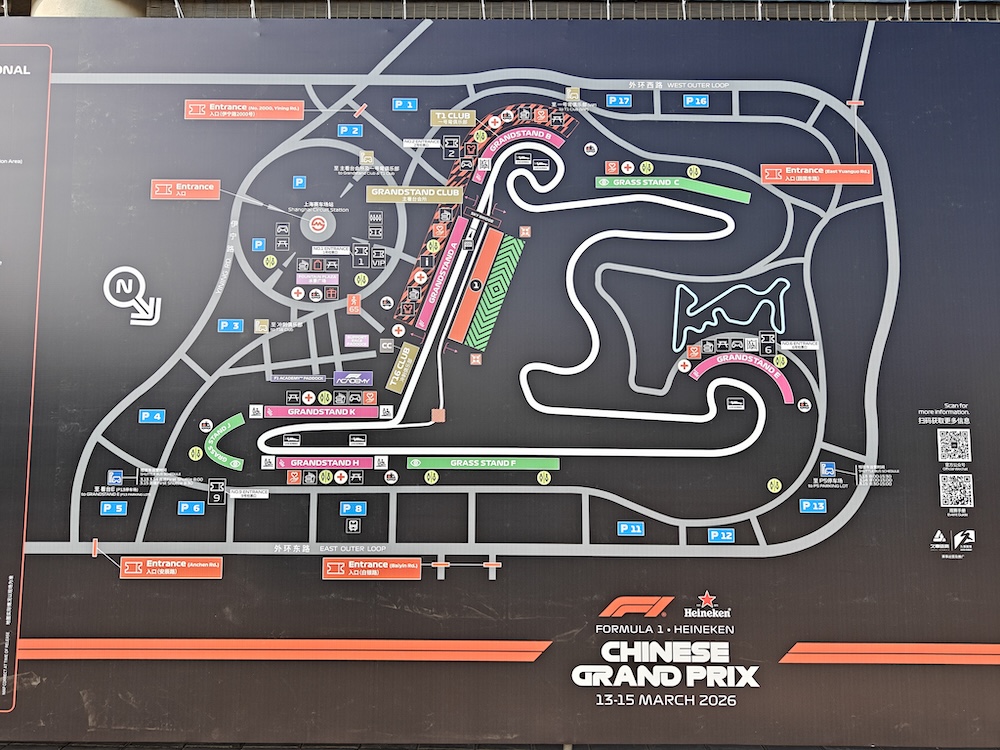
• Shanghai Circuit Adaptation: The curb height at Turn 3 has been lowered, and four designated overtaking zones have been established. The Red River corner, the main straight, and the ultra-long straight after Turn 13 are prime spots for passing action.
II.2026 Shanghai Weekend Schedule + New Rules Explained
The 2026 Shanghai Grand Prix retains the weekend format: Friday Practice + Sprint Qualifying, Saturday Qualifying + Sprint, and Sunday Race. However, sprint and points rules have been overhauled. You don’t need to watch every minute—focus on the key sessions to catch the action.
1. Friday: Practice + Sprint Qualifying (The Warm-up)
There is only one practice session, focused on drivers adapting to the new regulations and the modified track curbs, while teams test energy recovery and active aero systems. With no ranking or points pressure, the rhythm is relaxed. It is perfect for families wanting kids to hear the engines, or for anyone looking to take photos and soak up the atmosphere without worrying about lap times.
The afternoon Sprint Qualifying session determines the grid for Saturday’s Sprint. Using a three-part knockout format (SQ1, SQ2, SQ3), those eliminated in SQ1 were Sainz, Albon, Alonso, Stroll, Bottas, and Perez. Hulkenberg, Ocon, Lawson, Bortoleto, Lindblad, and Colapinto fell in SQ2. Russell secured pole position in SQ3 ahead of teammate Antonelli, with Norris taking third. Positions 4 through 10 were filled by Hamilton, Piastri, Leclerc, Gasly, Verstappen, Bearman, and Hadjar.
2. Saturday: Qualifying + Sprint (Grid Deciders, High Stakes)
Qualifying: The critical session that determines Sunday’s starting grid, split into Q1, Q2, and Q3. Twenty cars run in Q1, eliminating the slowest five; 15 remain in Q2 to cut another five; the final 10 battle in Q3 for the fastest lap. The top finisher in Q3 takes pole position—the prime starting spot that maximizes championship chances, much like securing the best lane in a track race.
Sprint Race: A short, intense mini-race with a condensed format and no mandatory pit stops. Drivers push the limit on speed and energy management. The top 8 finishers score points, ranging from eight for P1 down to one for P8. With dense overtaking action and no downtime, this is the easiest session for newcomers to get hooked—high energy from start to finish.
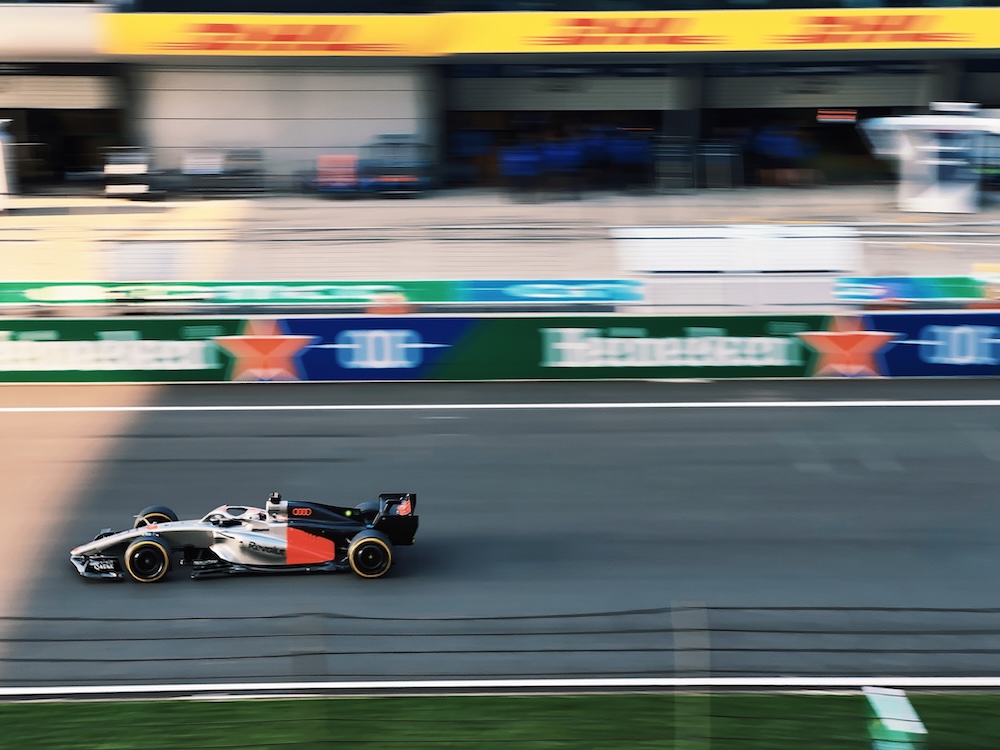
3. Sunday: Grand Prix (The Ultimate Showdown)
The Shanghai Grand Prix is fixed at 56 laps, lasting roughly 1.5 to 2 hours—it is the main event. Under the 2026 regulations, the spectacle has been completely overhauled, making it instantly understandable even for beginners:
New Overtaking Rules (Key): The DRS rear wing is gone, replaced by an active aerodynamic system and designated overtaking mode. Cars automatically switch to low-drag mode on straights for acceleration and high-downforce mode in corners for stability. Four designated zones trigger this system, with the main straight and the back straight being prime spots for action. On the main straight, if a following car is within one second, they can activate overtaking mode for an electric power boost to complete the pass.
Pit Strategy (Crucial 2026 Change): With narrower tires and the demands of energy management, pit stop timing is more critical than ever. Top teams still change tires in 2 to 3 seconds; stopping too early or too late, or a slow service, can instantly flip the standings. Watching the pit lane reveals the intense tactical battle unfolding.
2026 Points Rules (Simplified): The top 10 finishers score points, with 25 for first place and 18 for second, scaling down from there. These accumulate to decide the annual Drivers’ and Constructors’ Champions. Sprint points are calculated separately and are worth less, yet they heavily influence the championship—meaning drivers and teams give it everything.
Track Signals: A yellow flag signals an incident ahead—drivers must slow down and overtaking is forbidden. A red flag means the session is suspended. The big screens display track conditions and penalties, so you don’t need to memorize complex rules—just follow the prompts.
III. Zero-Basics Essentials: Live Viewing Tips for Everyone
1. Quickly Identify Teams and Drivers
You don’t need to memorize all 20 drivers—just focus on the popular teams and stars. The liveries are distinct and easy to spot from afar: Ferrari (classic red, Leclerc—looks and talent, a fan favorite), Mercedes (black and silver, a legendary team and title contender; Russell has a real shot at his first world championship), McLaren (vibrant orange and blue, the defending champions with a young lineup; Piastri has 1/16 Chinese heritage), and Red Bull Racing (deep blue, four-time champions from 2021-2024; home to Verstappen, a legend whose driving is always worth watching). Cheer by color and you’ll instantly blend in.
2. Three Key Highlights for Beginners
Highlight Overtakes: Focus on the main straight, the Red River corner, and the back straight after Turn 13. The first lap at the Red River corner will likely be chaotic. Watch for drivers activating overtaking mode on the straights to pull off extreme passes—even beginners can see the tide turn here.
Pit Stops: Watch the crew coordination. A 2 to 3-second tire change is the gold standard; even a one-second delay can cost a position. It is tense and gripping to watch.
Energy Management: The big screens show drivers' remaining battery. When energy is low, drivers lift to harvest power—making them vulnerable to passes. Understanding this explains the “strategic slowing” you might see.
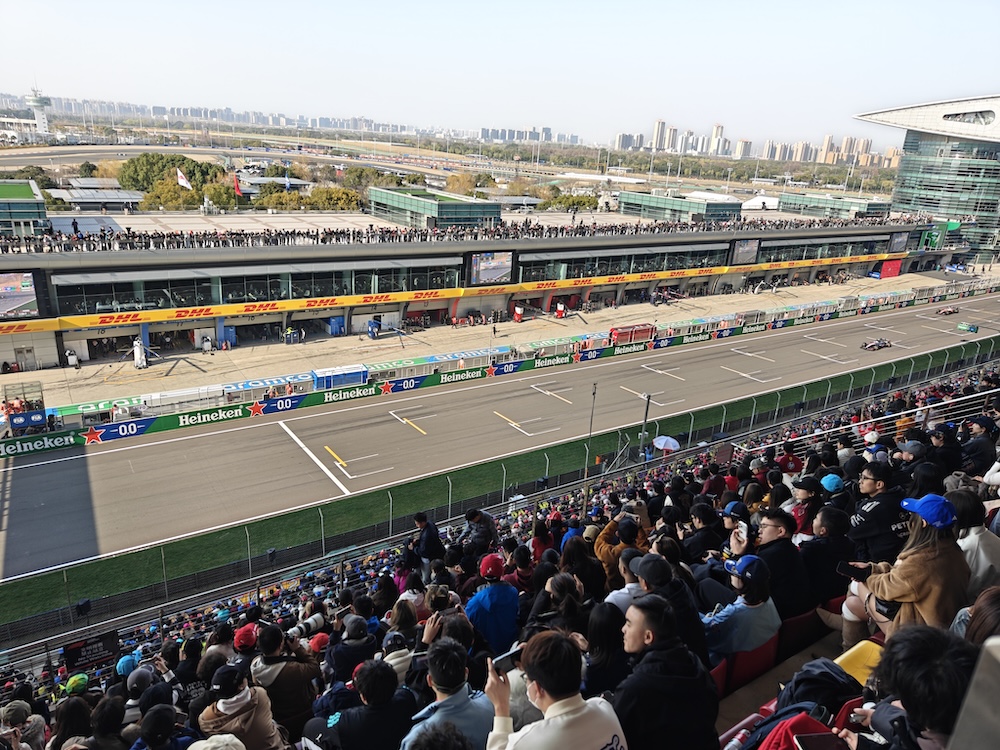
3. Viewing Modes for Different Crowds
Female Spectators: Skip the hard technical specs. Focus on the drivers, take trackside photos, and browse the official merchandise stands for pins and souvenirs. Pick up the basics of overtaking and rankings, and just enjoy the vibe.
Families: Teach kids to identify team colors and watch the speeding cars, explaining simple overtaking rules. It’s a lesson in teamwork and speed, often with on-site family activities—far more engaging than indoor entertainment.
Young Professionals: An ideal weekend stress-buster. The roar of engines and the crowd’s cheer help release work pressure. Grasping the energy tactics and ranking battles gives you plenty to discuss with friends, balancing leisure with social currency.
IV. 2026 Beginner Tips
Essentials for Experience and Understanding: Noise-canceling earplugs (hybrid engines are quieter, but support races like GT4 and the Porsche Carrera Cup are still loud—a must for women and children), sun protection, a light jacket (spring evenings in Shanghai are cool), and a power bank. Umbrellas are prohibited; bring a poncho instead. If you get lost, watch the big screens: they display driver rankings, energy levels, lap times, and pit data. All key info is there—just follow the crowd’s cheers.
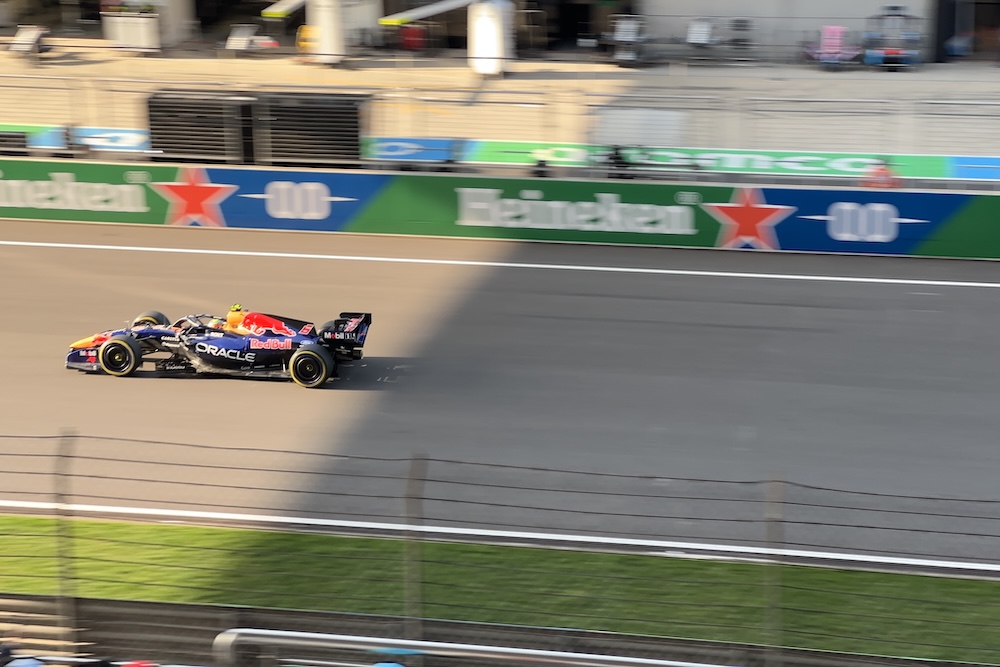
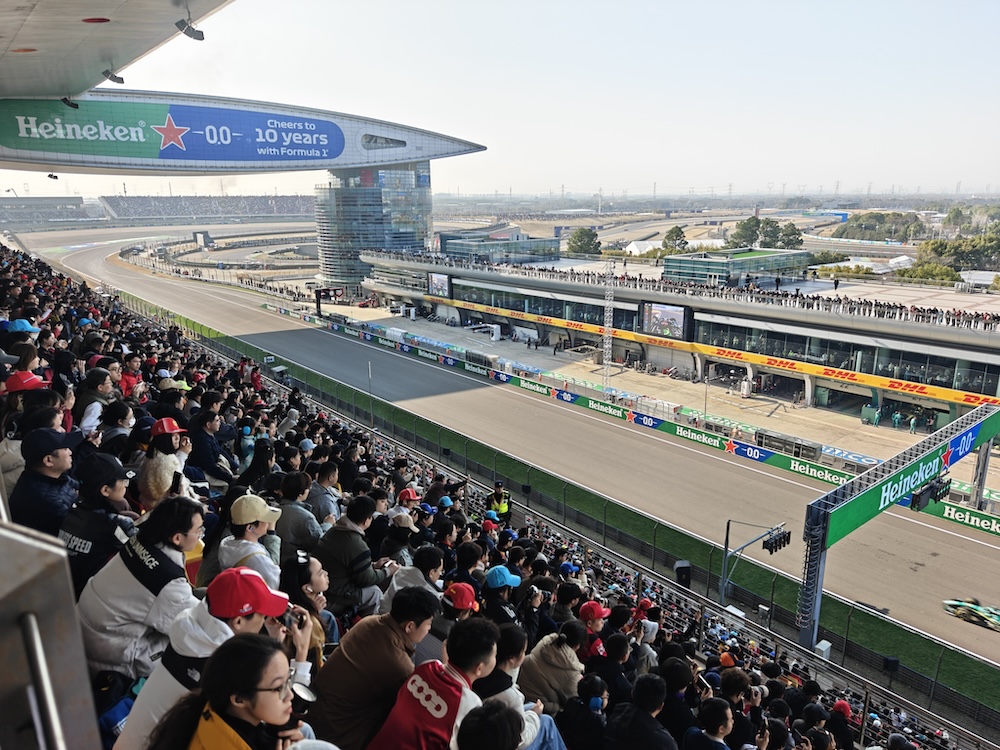
The K Stand faces the hairpin, ideal for watching corner defense and the dramatic braking zones—it’s the slowest part of the track, making it perfect for photography. The B Stand offers a clear view of Turn 1, the start, and the final sprint. General Admission (Grass) tickets offer great value for young groups—flexible and photogenic.
The 2026 F1 regulatory overhaul has actually lowered the barrier to entry. Gone are the complex DRS mechanics and obscure engineering principles—replaced by pure speed, overtaking, and tactical strategy. Whether you're a hardcore fan or a complete novice, there is something here for everyone.


