



Li Auto is accelerating its push into Europe. The company recently joined the EU-China Chamber of Commerce as a member, securing a seat on the organization's automotive working group.
It's not an isolated trend. Over the past few years, most Chinese EV startups have expanded their footprint across multiple nations. In Europe, with the notable exception of Xiaomi Auto, nearly every major player has established some form of presence—ranging from tentative sales trials and channel construction to deeper localization efforts. The pace may vary, but the direction is unanimous.
In this collective push westward, Li Auto has been one of the slowest movers. Founder Li Xiang has openly acknowledged that the delay in going global was a significant strategic misstep for the company.
Who's Fast, Who's Slow?
When assessing the pace of expansion, XPENG and NIO undoubtedly occupy the first tier.
NIO established Norway as a beachhead for its European entry back in 2021. Leveraging the country's high EV penetration and policy-friendly environment, it opened its first overseas NIO House and began deploying battery swap stations. In the years since, NIO has steadily expanded its map to core European markets including Germany, the Netherlands, and Sweden.
By 2025, NIO had pushed further into Portugal, Greece, Bulgaria, Austria, and Hungary, with plans to complete deliveries in the Czech Republic, Poland, and Romania by 2026. To date, NIO's European footprint spans more than a dozen countries.
XPENG has maintained a similarly aggressive tempo. In 2021, it shipped its first batch of vehicles to Europe, becoming one of the earliest Chinese startups to enter the market. Over the following years, XPENG made steady inroads into Northern and Central Europe. By 2025, its overseas sales had climbed to 45,000 units—a 96% year-on-year increase—with Europe contributing a significant share.
By the end of 2025, XPENG had entered over 60 markets globally, establishing 380 stores. Founder He Xiaopeng expects even more from Europe; he has publicly stated that by 2030, XPENG aims to sell 1 million vehicles overseas, generating over 70% of its profit, with Europe as the core battlefield. He also revealed that the XPENG P7+ has completed trial production in Austria and is poised for delivery across 25 European countries.
In Germany, a traditional stronghold of internal combustion engines, XPENG is leveraging the intelligent features of models like the P7 and G9 to challenge the dominance of the German luxury trio—BMW, Mercedes-Benz, and Audi. In 2026 alone, XPENG plans to launch at least four new models in overseas markets.
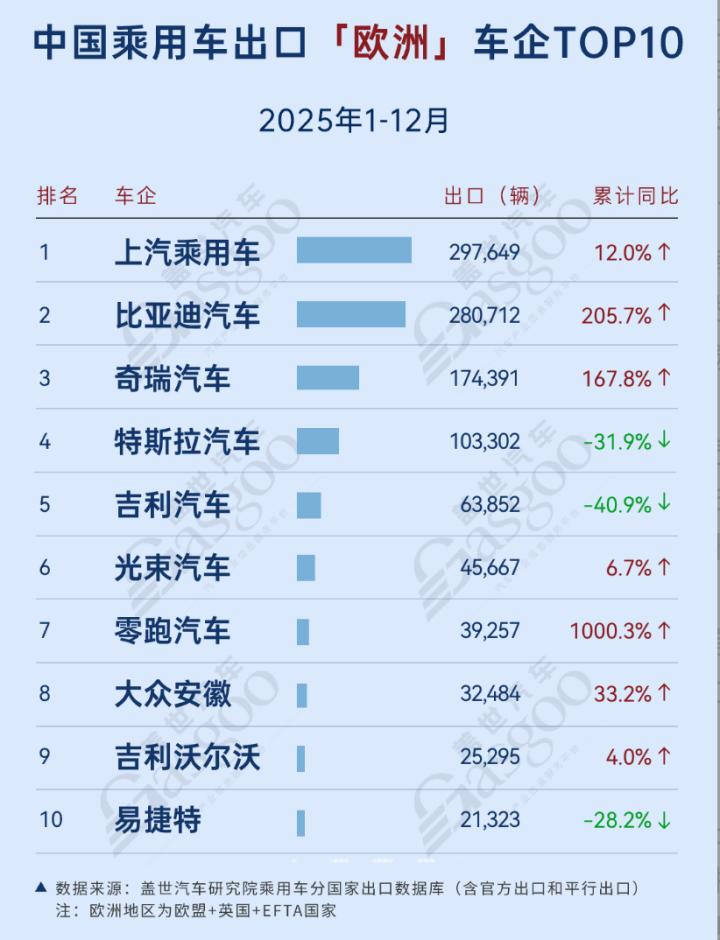
Leapmotor represents the classic latecomer catching up. By establishing a joint venture, Leapmotor International, with Stellantis, the company leveraged its partner's vast European sales network to enter more than ten European countries in a short span. Currently, Leapmotor boasts 800 overseas outlets covering 35 markets. In 2025, its exports to Europe reached 39,000 units, placing it among the top ten Chinese passenger vehicle brands exporting to the continent.
Backed by the Geely Group, ZEEKR has launched an equally fierce offensive. It first landed in Europe in August 2023, opening its first European store in Stockholm that November and initiating deliveries.
After two years of exploration, ZEEKR is accelerating its expansion. Its 2026 targets include Germany, France, Spain, and Italy, with plans to enter the UK market later that year or in early 2027. Currently, ZEEKR holds a 2% share of Sweden's EV market, representing roughly 1,400 vehicle sales annually.
Voyah has adopted a more steady approach. After entering Norway in 2022, it expanded to Italy, Slovakia, Germany, and Spain. By the end of 2025, Voyah had established a presence in over 40 countries and regions, covering Europe, the Middle East, and Central Asia.
Li Auto, meanwhile, did not re-establish globalization as a core strategy until 2025, creating an overseas expansion division only then. In January 2025, it set up a German R&D center, assembling a professional team covering styling, power semiconductors, and chassis systems. It wasn't until the fourth quarter of last year that Li Auto opened its first overseas store.
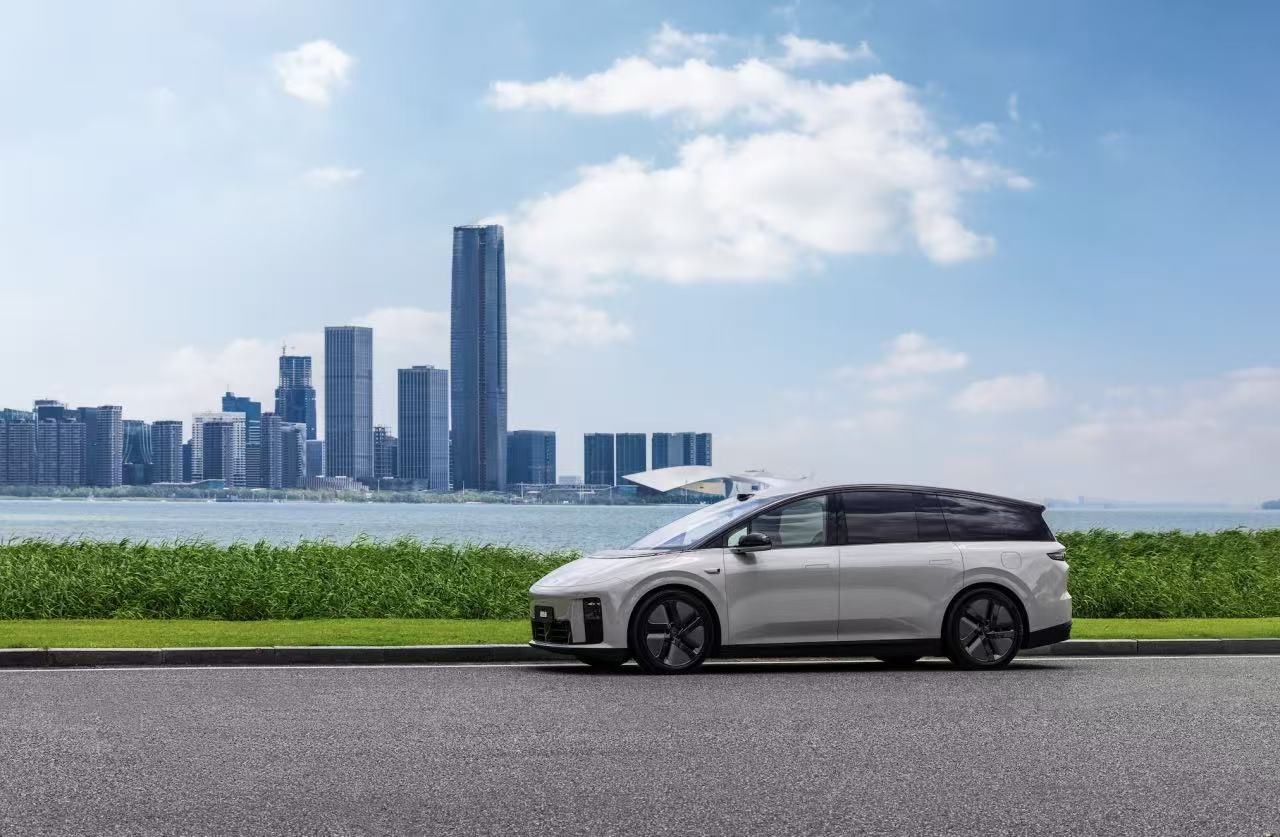
Image Source: Li Auto
Moving into 2026, multiple startups are picking up the pace of their overseas expansion, with Europe remaining a priority. Voyah Chairman Lu Fang stated that 2026 will focus on the European and Middle Eastern markets. Li Auto's membership in the EU-China Chamber of Commerce also signals an acceleration of its European layout.
The reasons behind this scramble for Europe are not complex. Europe is the birthplace of the global automotive industry and, apart from China, the largest market for new energy vehicles. Local consumers there show a relatively high acceptance of premium intelligent electric brands.
Compared to China, pricing flexibility in Europe is greater. ZEEKR's prices in Italy top 70,000 euros, while NIO and XPENG products also generally command higher prices there than at home. Some analysts argue that Chinese automakers can achieve higher profit margins selling pure electric and plug-in hybrid vehicles in Europe, especially given that Chinese production costs are 20% to 30% lower than in Europe.
However, the window of opportunity is narrowing. Traditional European automakers are accelerating their electrification transition, with local giants like Volkswagen, Mercedes-Benz, and BMW ramping up their new energy layouts. Members of the European Automobile Manufacturers Association (ACEA) have pledged to invest over 250 billion euros in green transformation by 2030.
Kurt Bachmeier, Vice President of Global Sales and Marketing for Magna's Complete Vehicle unit, put it bluntly: “The competitive window is closing rapidly. Whoever establishes a foothold in Europe first will have a better chance of securing a favorable position in the new landscape.” This is a major reason why Chinese startups are accelerating their expansion.
Diverging Strategic Paths
As Chinese startups push into Europe, their strategic paths are diverging. This diversity stems from differences in each brand's inherent resources and reflects their varying assessments of European market access barriers and user demands.
Leapmotor has chosen the path of “borrowing a ship to go to sea.” Relying on the Leapmotor International joint venture framework, it has embedded itself directly into partner Stellantis's mature global system. This allows it to bypass the long, cold-start cycle of building a new brand from scratch overseas, achieving rapid market penetration.
On the product front, Leapmotor worked with Stellantis's Maserati team to jointly tune the chassis of the Leapmotor B10, adopting a “global standard plus local optimization” dual-track model to satisfy European preferences. By leveraging Stellantis's European factories for localized production, it has also effectively mitigated some tariff pressures.
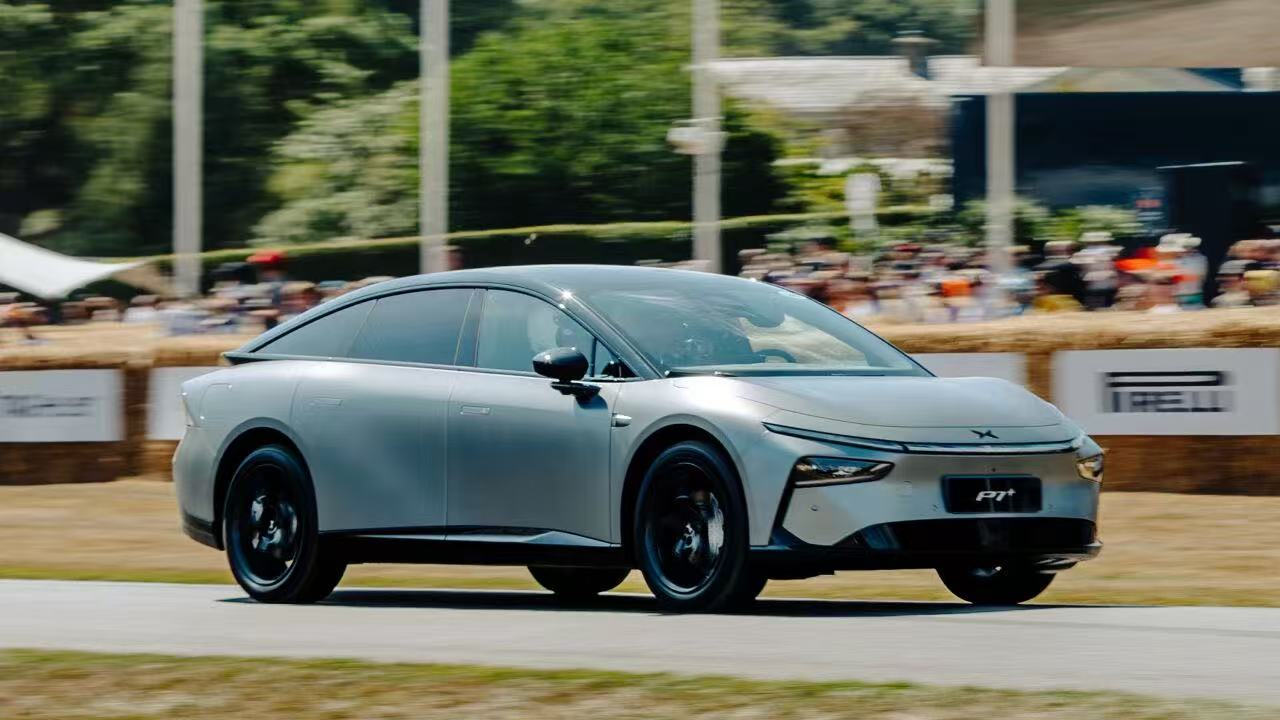
Image Source: XPENG
XPENG has adopted a progressive localization strategy. By partnering with Magna to utilize the latter's European factories for production, it avoids high tariff risks while steering clear of the uncertainties associated with premature heavy investment in its own plants. Simultaneously, XPENG established a European R&D center in Munich to gradually build capabilities in regulatory compliance, software tuning, and user experience localization. This sequential approach—manufacturing first, followed by R&D—reserves space for the brand to take root in Europe over the long term.
NIO's choice stands apart. It is not merely exporting products; it is introducing its battery swapping network, direct sales system, and service model to Europe as a whole package. For instance, NIO built an energy factory in Hungary dedicated to the manufacturing and maintenance of battery swap stations.
This path has not been easy. Administrative efficiency across European countries has fallen far short of expectations; building a single swap station often takes ten months to a year. NIO Chairman William Li later admitted that this outcome was “a bit less than ideal.”
Yet, in the long run, the heavy-asset route is gradually revealing its differentiated value. In Denmark, each swap station participating in grid frequency regulation can generate tens of thousands of euros in revenue annually. By 2025, NIO's Swedish swap stations had been approved to connect to the local grid frequency regulation system.
NIO's head of European energy operations noted that this approval is a breakthrough for both NIO and the industry. Once the network reaches scale, the replacement cost and barriers to entry will be far higher than for a simple product export model. Consequently, NIO's battery swapping network is gradually transforming from a pure user service facility into an energy storage asset capable of participating in power market trading.
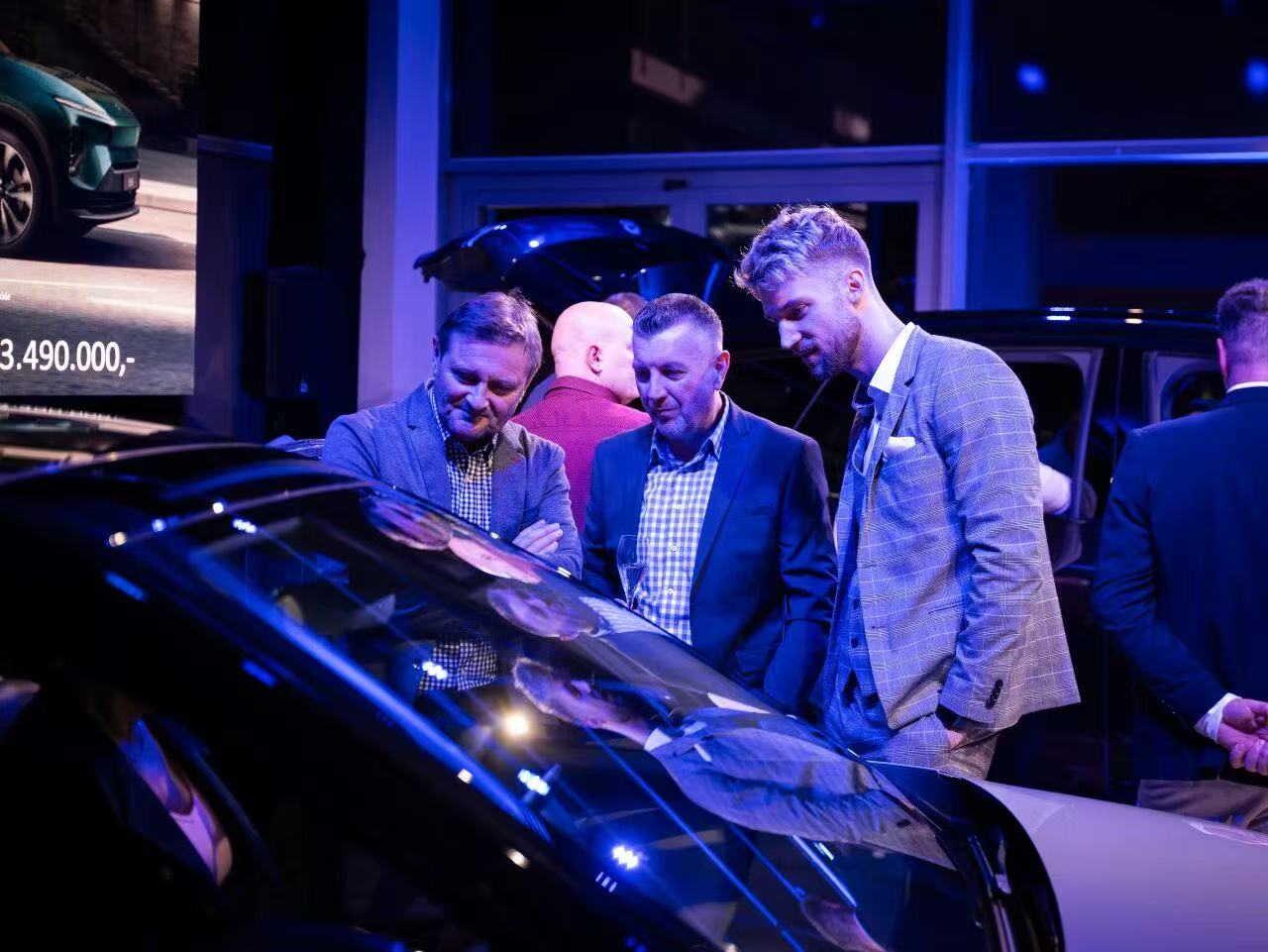
Image Source: NIO
Regarding sales channels, NIO has shifted to a parallel “direct sales plus agency” model. In countries like Belgium and Portugal, it is partnering with local dealerships to reduce the capital consumption of channel expansion while safeguarding the user experience. This January, the NIO AutoWallis Showroom officially opened in Budapest, Hungary—the first national general agent store in the country.
ZEEKR is entering the European market backed by Geely Group resources and the sales channel experience of Volvo and Lynk & Co. It established a global design center and a European engineering R&D team in Gothenburg, employing over 1,500 engineers and designers. This ensures that products meet European aesthetic, handling, and safety standards from the very start of development.
In terms of channels, ZEEKR adapts to local conditions. According to various sources, it uses a direct sales model in Sweden and the Netherlands to build its brand image; partners with dealers in Belgium, Denmark, and Norway; works with private importers in smaller markets like Bulgaria, Croatia, and Greece; and has established a local sales company in France.
Voyah places greater emphasis on regulatory and functional adaptation at the product level. Targeting European regulations and user habits, it has developed features such as trailer hitches, CarPlay, and heated steering wheels. It has also adapted its cybersecurity, OTA updates, and intelligent speed assistance systems to comply with the EU's GSR2.0 general safety framework regulations. As for Li Auto, it is currently still in the stage of building its organizational and service systems in Europe.
Roland Berger Global Partner Zheng Yun points out that compared to comprehensive automakers like Geely and BYD, niche brands going overseas can leverage local partners and domestic manufacturing resources while focusing on specific market segments. However, they must find a balance between technology, commercialization, and cost. Most startups actually fall into the “niche brand” category and are following this approach as they expand abroad.
What Does the Future Hold?
Having secured their initial positions, a more critical question looms: How much longer is the window of opportunity in Europe, and how will the choice of technology roadmap impact the competitive landscape?
Market data suggests that the development of Chinese brands in Europe has shifted from quantitative accumulation to qualitative transformation. In December 2025, monthly sales of Chinese automakers in Europe surpassed 100,000 units for the first time—a 127% year-on-year increase—lifting their market share to 9.5%.
An analyst at market research firm Dataforce remarked, “We are shocked by how quickly Chinese cars are permeating Southern Europe.” In Spain, for instance, Chinese brands have captured over 10% of the passenger vehicle market.
In terms of technology roadmaps, the European market is showing signs of divergent growth. Full-year 2025 sales in Europe reached 13.3 million units, up 2.3% year-on-year, with pure electric vehicle sales climbing 30% and plug-in hybrid models growing 34%.
This represents a structural tailwind for startups and most Chinese brands. Han Zhiyu, a professor at Tongji University, told Gasgoo that the unique hybrid architectures developed by Chinese automakers are technologically advanced. Their highly integrated designs not only optimize power performance but also create advantages in cost control.
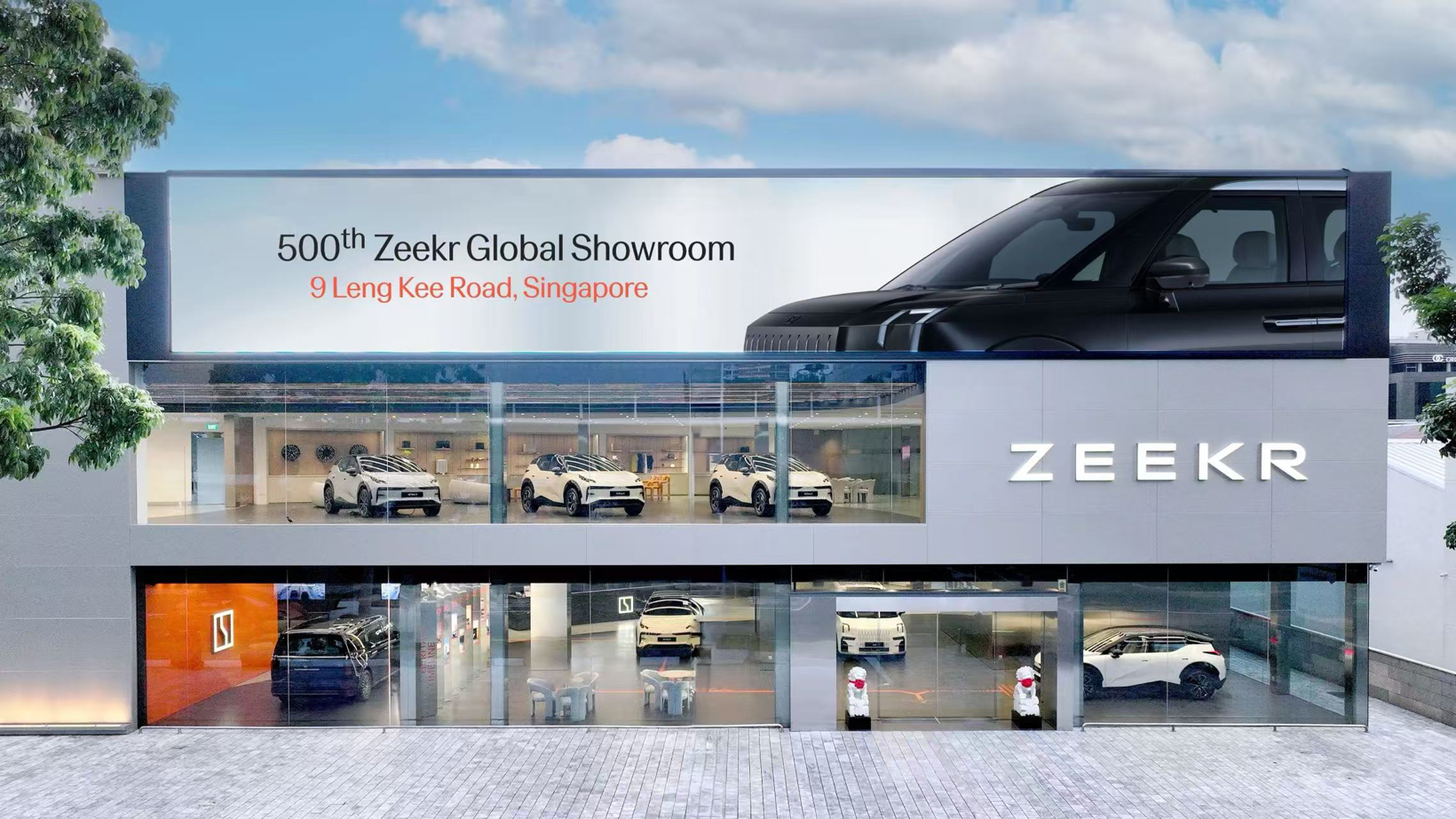
Image Source: ZEEKR
Given that Europe's charging infrastructure is not yet perfect and consumers are sensitive to pure electric prices, the market potential for extended-range electric vehicles (EREVs) in Europe could even surpass that of pure electrics. Han Zhiyu points out that for European automakers transitioning to hybrids, EREVs are a much faster pivot than plug-in hybrids because they have already laid out pure electric platforms, and EREVs integrate more easily with those platforms.
For example, BMW has restarted development of the sixth-generation X5 EREV. Meanwhile, local giants like Volkswagen and Renault are accelerating the rollout of plug-in hybrid models. For Li Auto, the extensive experience it has accumulated in product definition and user operations within the EREV sector is a core asset for its European entry.
Liu Liguo, Li Auto's Senior Vice President of Vehicle Electrification, once stated, “Extended-range technology has a significant user market in Europe too; it simply lacks competitive products at the moment.” If Li Auto can successfully transplant its domestic brand positioning for family users to Europe, backed by localized product adaptation and service system construction, it still has a chance to find a breakthrough in niche segments.
On the software ecosystem front, tools like the international version of Amap's AutoSDK use a “Lego-like” modular architecture to cover over 170 countries and regions across Europe, Southeast Asia, and the Middle East, supporting 19 major global languages. This helps bridge the gap in in-car navigation experience for Chinese automakers overseas.
At the same time, Chinese suppliers like Desay SV and CATL have already entered Europe ahead of the automakers, achieving localized production. This synergistic expansion of the supply chain provides crucial external support for the electrification and intelligence competition of Chinese startups.
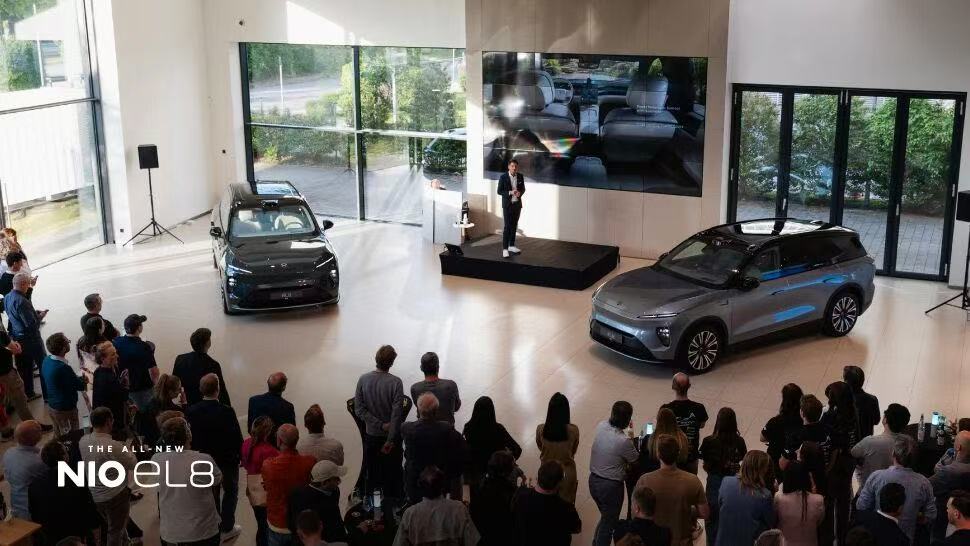
Image Source: NIO
On the policy front, while pressure from EV tariffs remains, the situation is gradually improving. In October 2024, the EU imposed countervailing duties of up to 35.3% on pure electric vehicles made in China. Combined with the 10% base tariff, the combined tax rate for some automakers exceeded 45%.
However, in January 2026, China and the EU made significant progress in consultations on the EV anti-subsidy case, planning to replace high taxation with a “price undertaking” mechanism. This has injected confidence into the market. At the same time, the EU has adjusted its 2035 100% zero-emission target to a 90% reduction compared to 2021 levels, which preserves sales space for plug-in hybrid models.
Looking at specific countries, Germany plans to restart a 3 billion euro EV subsidy policy open to all automakers. Cui Dongshu, Secretary-General of the CPCA, expects that as automakers adapt to the new rules of the price undertaking mechanism, combined with the release of localized production capacity and improved product competitiveness, sales of Chinese EVs in the EU market will gradually recover. He forecasts that from 2026 to 2028, Chinese EV exports to the EU will maintain an annual growth rate of around 20%.
Some analysts point out that compared to comprehensive automakers like Geely and BYD, startups in Europe still fall into the “niche brand” category. Their room for survival is limited but not non-existent. The view is that niche brands going overseas can leverage local partners and domestic manufacturing resources, and it is expected that about three such brands will show signs of success in regions like the Middle East.
However, the challenges cannot be ignored. The electrification transition of European automakers is accelerating, and combined with supply chain integration and improved software capabilities, this will gradually compress the technological window for Chinese brands. Meanwhile, foreign consumers currently view Chinese startups primarily as “Chinese cars,” with brand perception lingering at an average level. Moving from niche to mainstream will require sustained, long-term investment in product strength, service experience, and brand building.
It must be remembered that true localization involves more than just market access; it encompasses long-term operations, employee cultural alignment, shaping corporate values, supply chain management, and achieving a win-win scenario with the local ecosystem.
At this stage, the competition for Chinese startups in Europe has moved from the question of “whether to go” to “how to win.” In terms of technology, plug-in hybrids and extended-range vehicles are becoming sharp tools for opening the market; in terms of policy, loosening tariffs provide more relaxed external conditions; and in terms of the competitive landscape, startups are slowly inching closer to becoming mainstream choices. However, this marathon has only just reached its midpoint. Who will emerge as the winner remains to be seen.


