



Pony.ai said on the final day of 2025 that its Robotaxi fleet has reached 1,159 vehicles, beating its 1,000-unit annual target. The milestone reflects rapid expansion since the third quarter. As of Sept. 30, 2025, the fleet stood at 961 vehicles, 667 of them seventh-generation models.
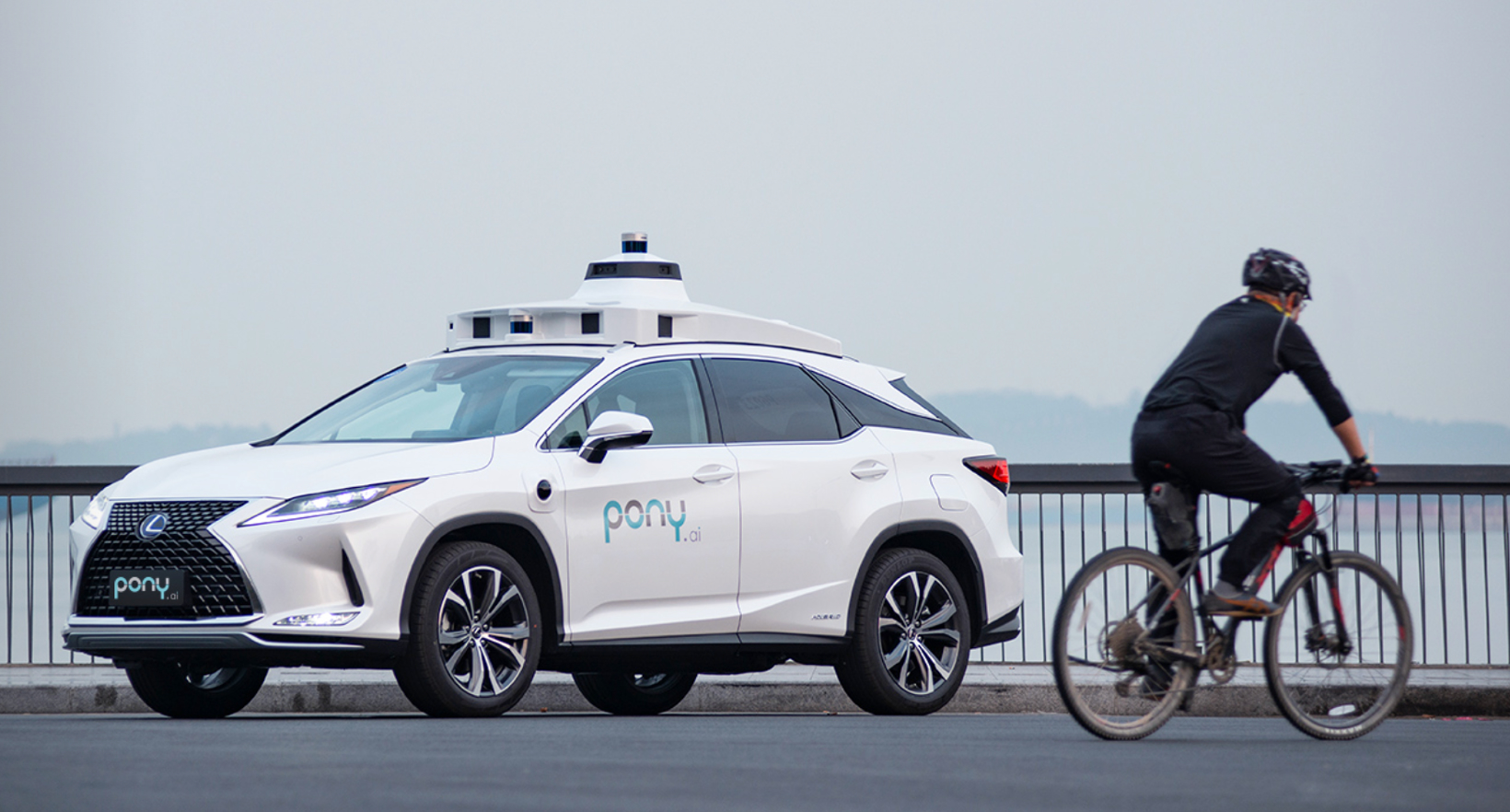
Image credit: Pony.ai
Commercialization made a decisive step in the fourth quarter of 2025. The seventh-generation Robotaxi began fully driverless commercial operations in Beijing, Guangzhou and Shenzhen in November, and turned city-level unit economics (UE) positive in Guangzhou. Over the past two weeks there, each vehicle averaged 23 daily orders — a sign of strengthening demand and improving operating efficiency. Positive UE is viewed as a key milestone toward a profitable business model for Level 4 autonomous ride-hailing.
Financials are underpinning the push. Pony.ai posted third-quarter 2025 revenue of CNY 181 million, up 72% year on year, marking three straight quarters of growth. Robotaxi revenue reached CNY 47.7 million, an 89.5% jump, with passenger fare income up more than 200% from a year earlier. In November, the company listed in Hong Kong, becoming 2025's largest IPO globally in autonomous driving, and ended with more than CNY 4 billion in cash and equivalents to fund scale-up, plus about CNY 6 billion in additional financing.
Riding that operational and financial momentum, Pony.ai laid out a 2026 expansion plan to grow the Robotaxi fleet to more than 3,000 vehicles by year-end. To get there, it will stay with an asset-light, AI-enabled partnership model to co-build fleet ecosystems with mobility platforms, and expects the seventh-generation Robotaxi's autonomous driving suite BOM cost to fall a further 20% in 2026. Meanwhile, its Robotruck and technology licensing businesses continue to grow, with the fourth-generation Robotruck slated for mass production in 2026.


