



Gasgoo Munich- On Feb. 11, the State Council Information Office held a briefing where the Ministry of Commerce and other agencies outlined the "Happy Shopping New Spring" campaign and holiday market measures. To unlock consumer potential, the ministry—working with the National Development and Reform Commission and the Ministry of Finance—has allocated the first tranche of 62.5 billion yuan in national subsidies for 2026 to local governments.
The rapid deployment of these funds provides direct fiscal backing for holiday spending and subsequent promotion efforts, signaling that the year's large-scale equipment upgrade and consumer goods trade-in program has moved into substantive implementation.
Auto Sector Gets Another Boost
Under the broader trade-in framework, the auto industry remains a priority—and one of the most heavily funded areas.
Data from the Ministry of Commerce shows that in the first 11 months of 2025, trade-in programs drove over 2.5 trillion yuan in sales, benefiting more than 360 million consumers. In the auto sector alone, trade-ins generated over 11.2 million sales—accounting for roughly one-third of total vehicle sales.
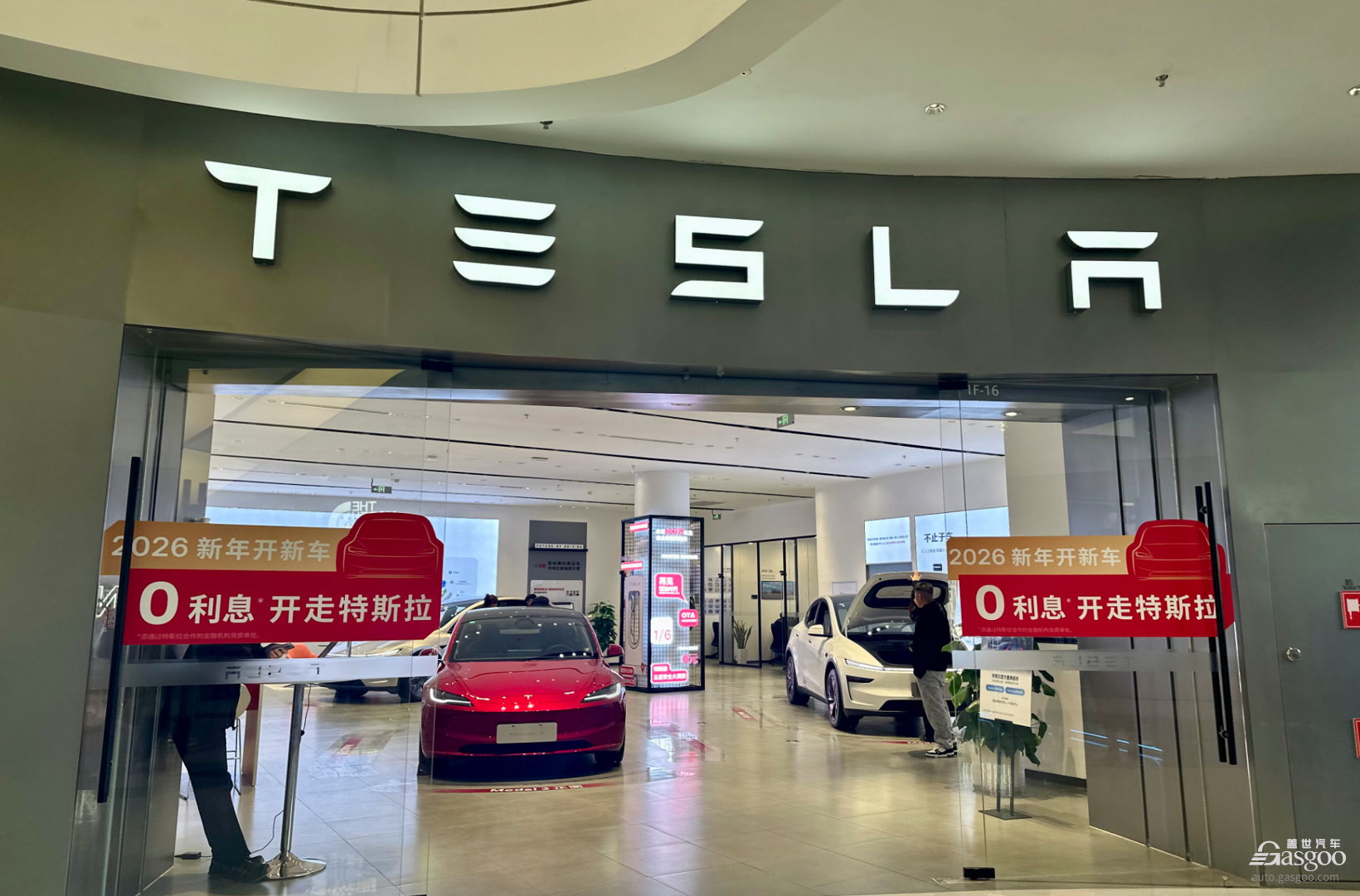
Compared to 2025, the 2026 subsidy model has shifted from fixed amounts to a percentage of the vehicle's sale price—a more nuanced policy design.
Under the new rules, consumers who scrap an old vehicle to buy a new energy passenger car are eligible for a subsidy worth 12% of the purchase price, capped at 20,000 yuan. For qualifying internal combustion engine vehicles, the subsidy is 10%, capped at 15,000 yuan. In replacement scenarios, the subsidy rates for new energy and fuel-powered vehicles stand at 8% and 6%, respectively.
The market impact of this adjustment is already visible. Ministry of Commerce data shows that as of Feb. 5, 2026, 335,000 subsidy applications had been filed, driving 53.77 billion yuan in new car sales. The policy has also effectively spurred consumption upgrades and resource recycling: the average price of new cars traded in during January exceeded 160,000 yuan, while nationwide vehicle scrapping volume surged 50.2% year-on-year.
Facing shifting market dynamics—including adjustments to new energy vehicle purchase tax incentives and the front-loading of demand—multiple institutions forecast a slowdown in auto sales growth. Against this backdrop, the continuously optimized trade-in policy is viewed by the industry as a crucial force for stabilizing consumption volume and steering the structural transition toward new energy vehicles.
Regions Roll Out Stimulus Policies
With national guidelines clarified, local implementation plans have moved quickly to follow, creating a coordinated effort across central and regional levels.
Since the national notice was released in late December 2025, numerous provinces and cities have issued local implementation documents. For instance, Shanghai released both its citywide implementation notice and detailed auto trade-in subsidy rules on Jan. 30, 2026. Beijing, Chongqing, Heilongjiang, Shanxi, Guizhou, and Inner Mongolia have also introduced relevant implementation plans.
First, there is a commitment to combining national standards with local adaptation. Local governments must strictly adhere to unified national subsidy standards for sectors like automobiles, six categories of home appliances, and four types of digital products. At the same time, the policy grants local authorities some autonomy—for example, allowing regions to set specific categories and standards for subsidies on new smart home purchases, including products suitable for the elderly.
Shanghai's "Implementation Rules for the 2026 Shanghai Auto Trade-in Subsidy Policy," for example, explicitly emphasize the city's role as an international consumption center by strengthening support for used car circulation and replacement updates. The rules highlight two-way incentives for both scrapping and trading in, with maximum subsidies reaching 20,000 yuan—an effort to eliminate consumer hesitation through policy certainty.
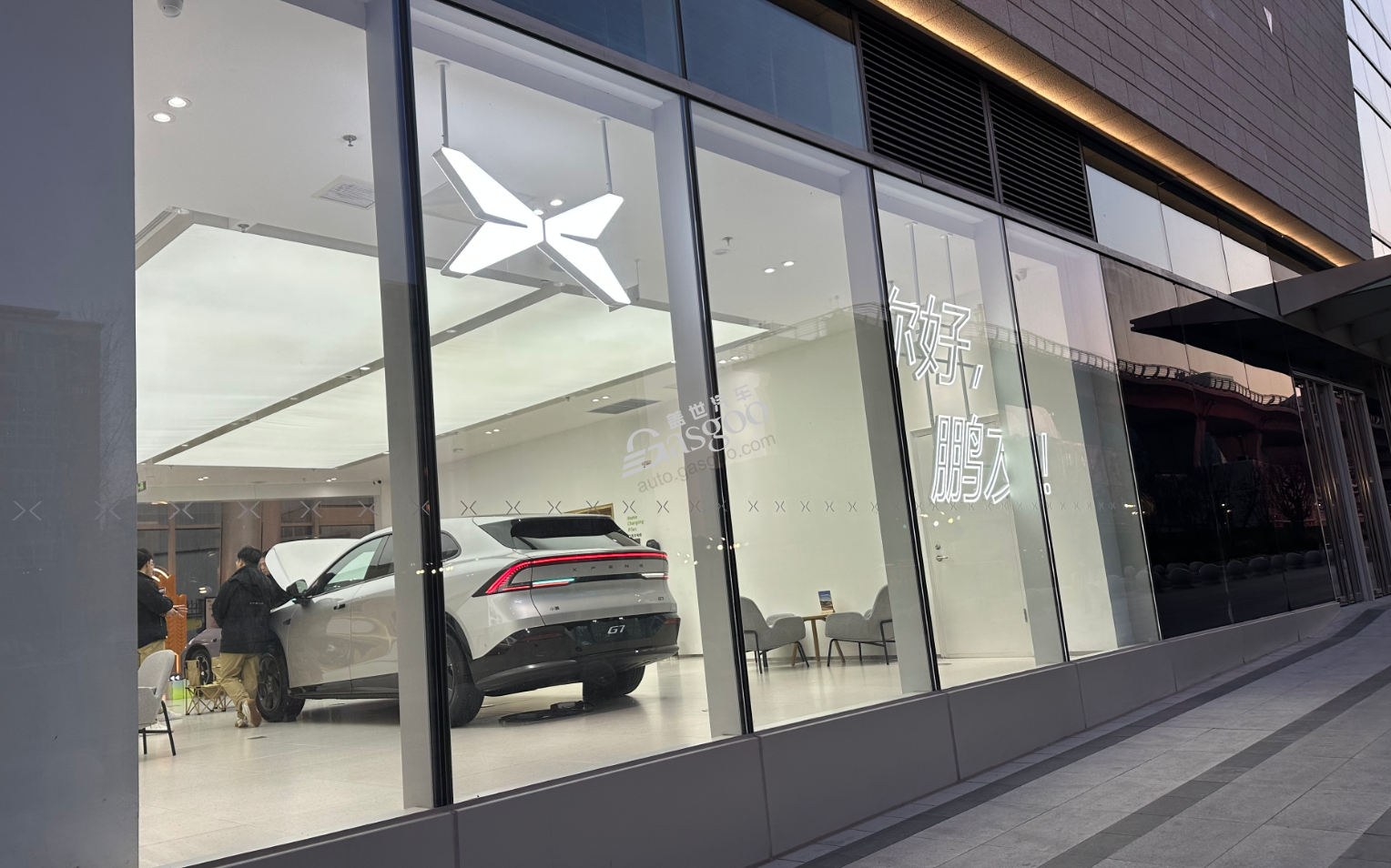
Second, priority is placed on supporting emerging consumer goods. Many local plans emphasize subsidies for new purchases of four types of digital smart products—mobile phones, tablets, smart watches and bands, and smart glasses—and are working to define subsidy standards for smart home devices.
Third, enforcement supervision and risk prevention are being tightened. To ensure standardized implementation, many regions have set clear conditions for participating companies, such as requiring a clean credit record for the past two years and robust after-sales service and complaint handling capabilities. These measures aim to mitigate risks like subsidy fraud at the source, ensuring fiscal funds are used safely and efficiently and that consumers actually reap the benefits.
For the automotive industry, the trade-in policy is more than a short-term tool to spur consumption; it is an institutional arrangement designed to drive industrial technological upgrades, green transformation, and the smooth circulation of resources for recycling.
Currently, a system with clear objectives and a well-defined hierarchy is operating efficiently—spanning from central funding guarantees to the rollout of local plans, and from the optimization of subsidy standards to the strengthening of full-chain supervision. This serves as both a timely response to a complex market environment and a strategic deployment for long-term development, aiming to drive high-quality growth by unlocking domestic demand potential.
As the policy's effectiveness continues to unfold, the consumer goods trade-in program is poised to play an increasingly solid role in driving consumption recovery, supporting industrial upgrades, and improving quality of life.


