



Gasgoo Munich- On April 7, during a technical livestream, Lynk & Co unveiled the electric powertrain architecture for its first performance EV sedan badged with a "+" — the Lynk & Co 10+ and Lynk & Co 10.
On the surface, the event focused on a 900V high-voltage architecture, motor performance, and ultra-fast charging. But beneath the specs lay two deeper questions: Can a high-performance EV maintain stable power output under sustained high loads? And is high-speed charging truly sustainable in real-world driving?
These questions highlight a pivotal trend: the battle for performance EVs is shifting from spec-sheet comparisons to a contest of sustained output. Supporting that capability requires complex systems engineering.
The powertrain solutions revealed for the Lynk & Co 10+ and Lynk & Co 10 are the brand’s answer to that systemic challenge.
Lynk & Co 10+ and Lynk & Co10: Why Go Pure Electric?
To understand why Lynk & Co is launching a dedicated performance EV, we have to look back at the brand's positioning.
Since its inception in 2016, Lynk & Co has worn labels like "young," "sporty," and "distinctive." Starting with the 03 in the combustion era, the brand sought to build a performance reputation among Chinese automakers, competing on the global TCR circuit and securing nine championships over seven years.
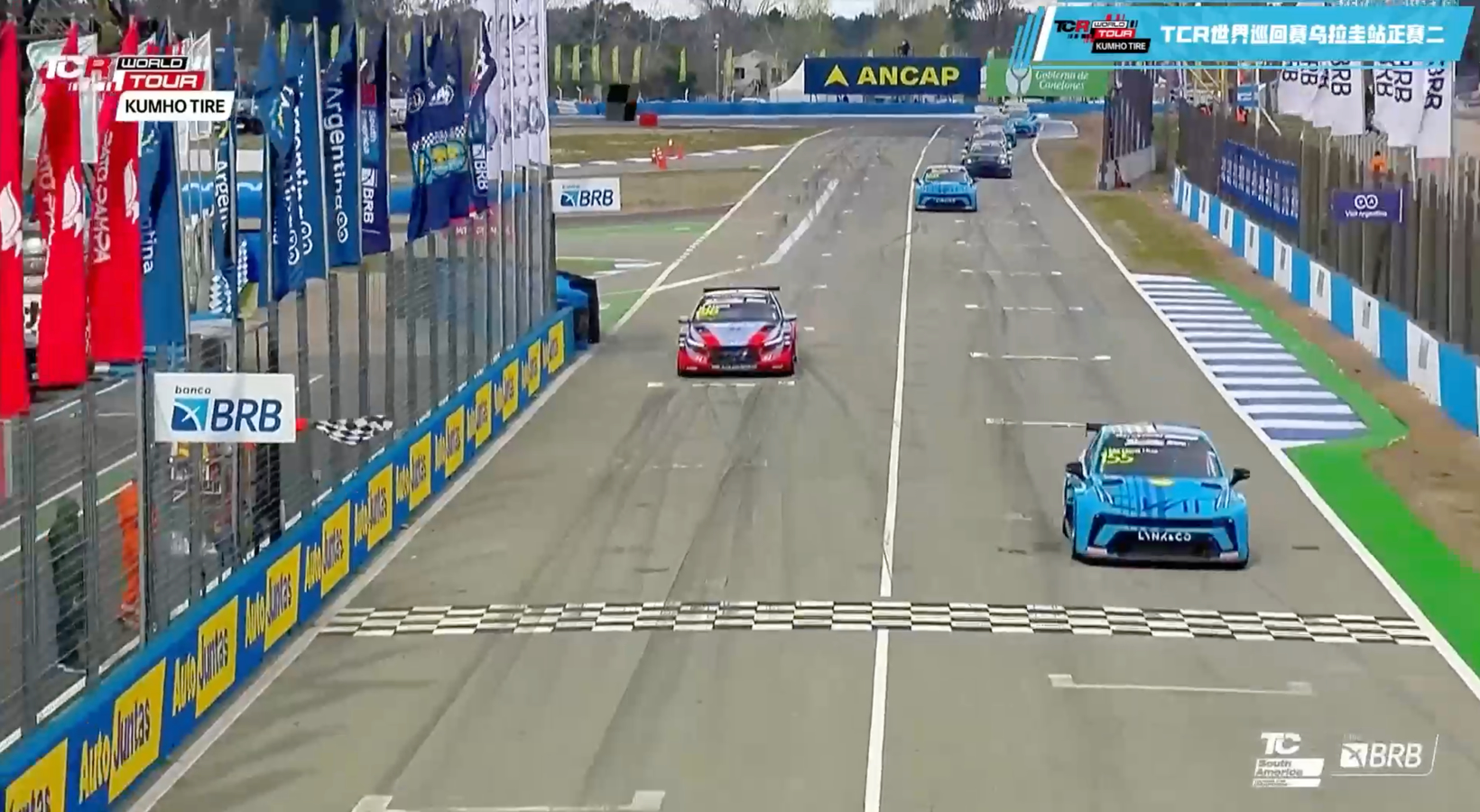
2023 TCR World Tour Uruguay round. Image source: Lynk & Co.
As it moved into the hybrid phase, Lynk & Co gradually pivoted to new energy through technologies like EM-P, acclimating customers to electrified driving.
Yet industry trends indicate that pure EVs are shifting from policy-driven to product-driven growth. Data from the China Association of Automobile Manufacturers (CAAM) shows new energy vehicle sales topped 1.7 million in the first two months of 2026, with battery-electric models accounting for nearly 70% of the mix, while plug-in hybrid growth has notably slowed.
Consumer attention has shifted from range and cost to power response, handling dynamics, and overall build quality. While pure electrics have become the performance product of choice, a challenge remains: EVs can be fast, but staying fast is difficult.
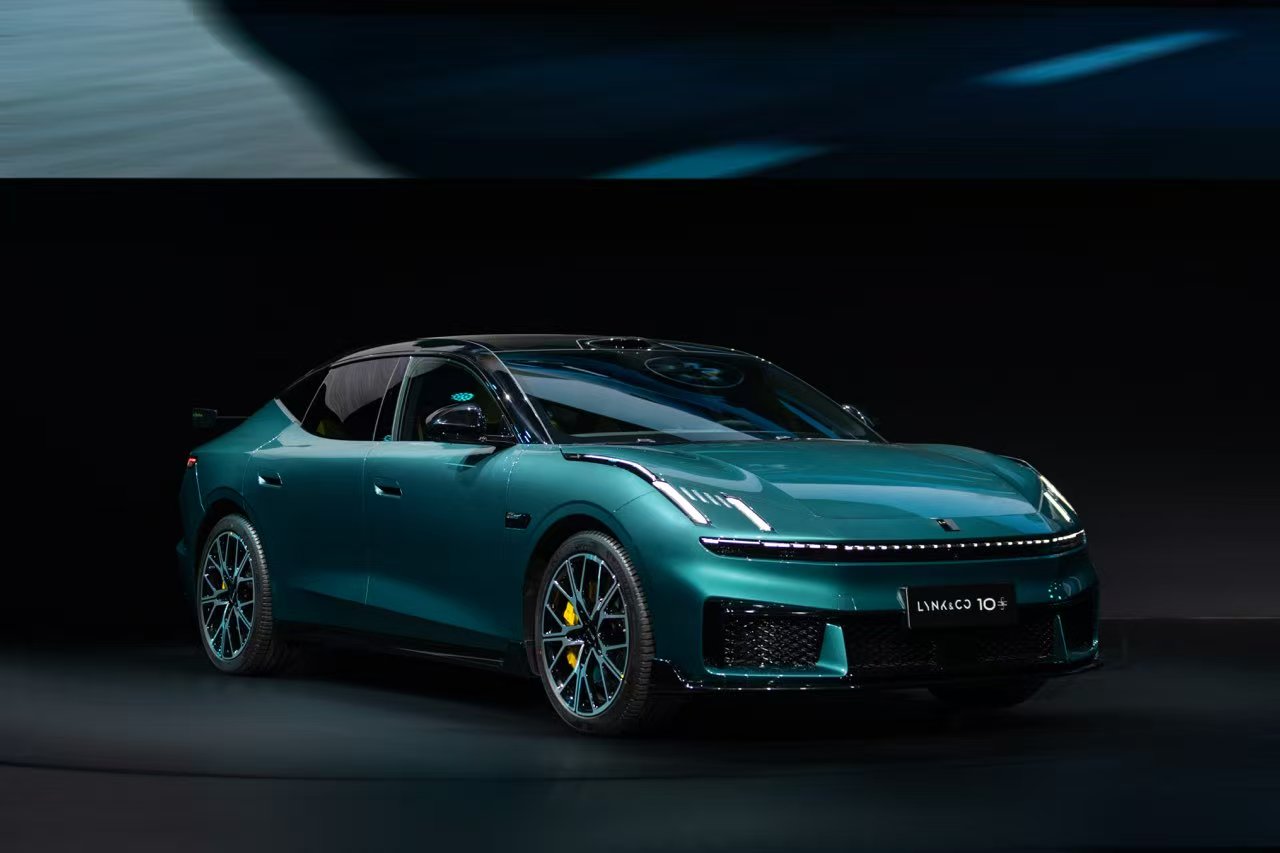
Image source: Lynk & Co.
During aggressive driving or track sessions, electric motors and batteries accumulate heat rapidly. Once temperatures breach a threshold, the system proactively cuts power to protect the hardware, resulting in noticeable power fade.
In continuous high-intensity or track environments, heat builds up quickly in the powertrain and battery. The system responds by throttling power to safeguard components, which manifests as performance drop-off. In the electric era, the bottleneck to performance isn't a lack of power—it's insufficient thermal management.
By entering the performance EV market, Lynk & Co is transplanting the mechanical performance ethos of the combustion era onto its electric powertrain—balancing instant power with sustained stability.
Where Does the Confidence Come From?
In an era of converging technology, launching a performance EV requires backing from a systematic technological infrastructure.
Since 2025, Geely has executed structural realignment under its "One Geely" strategy, clarifying roles: ZEEKR targets tech-luxury, Geely Galaxy serves the mass market, and Lynk & Co remains focused on youth and performance. This approach avoids internal cannibalization while allowing the sharing of tech platforms and R&D resources.
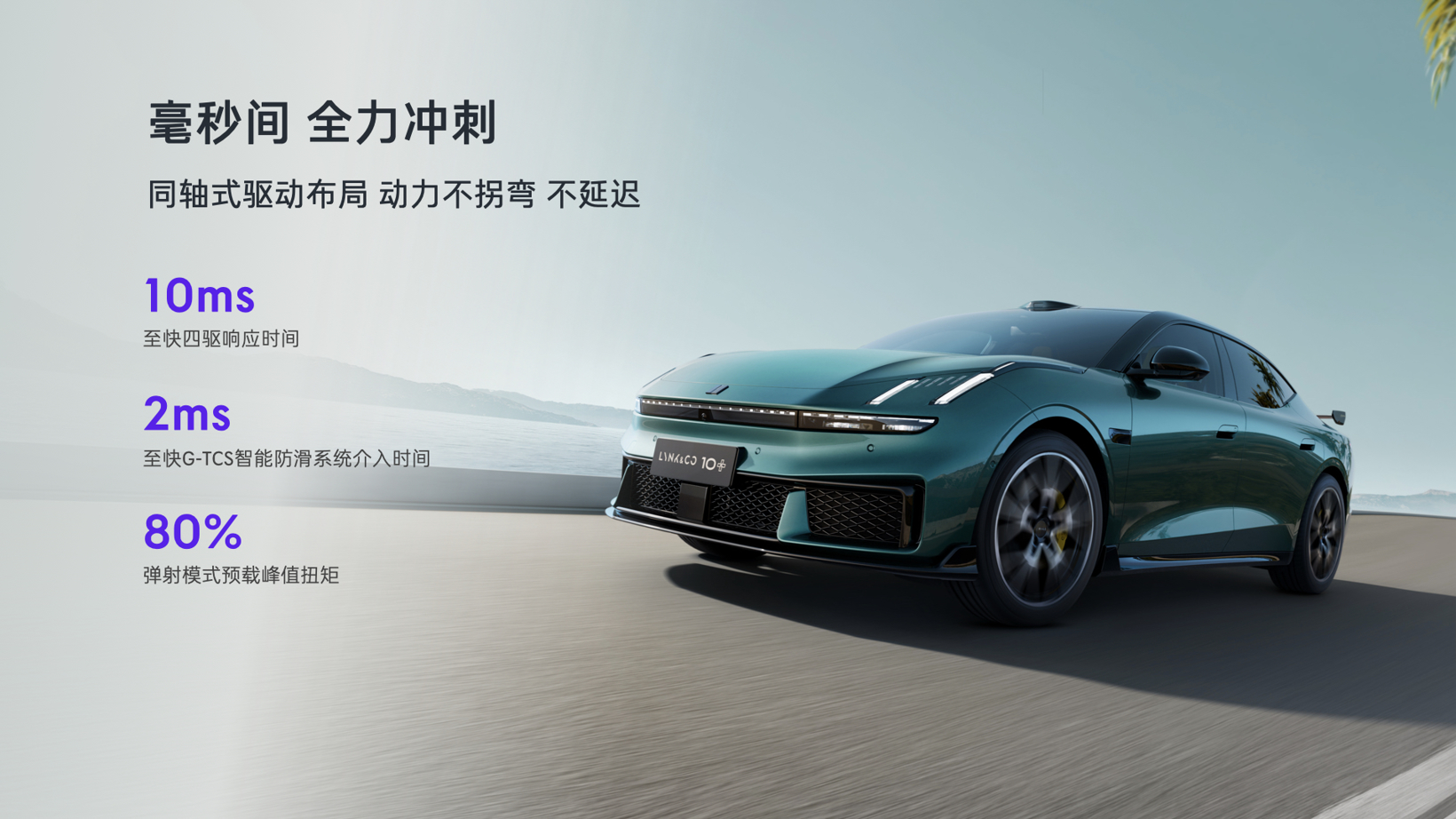
Image source: Lynk & Co.
The powertrain solutions for the Lynk & Co 10+ and 10 exemplify this systemic approach. As the company stated during the reveal: "We have equipped the Lynk & Co 10+ and 10 with the Geely Group’s latest and most advanced electric powertrain resources."
On the powertrain front, the vehicle features a dual-motor, four-wheel-drive system with a combined peak output of 680 kW and 93.7% efficiency. It sprints from zero to 100 km/h in 3.2 seconds, with an 80–120 km/h overtaking time of just 2.5 seconds. More impressive is its performance under sustained load: official tests indicate no power loss across 100 consecutive full-power acceleration and deceleration cycles.
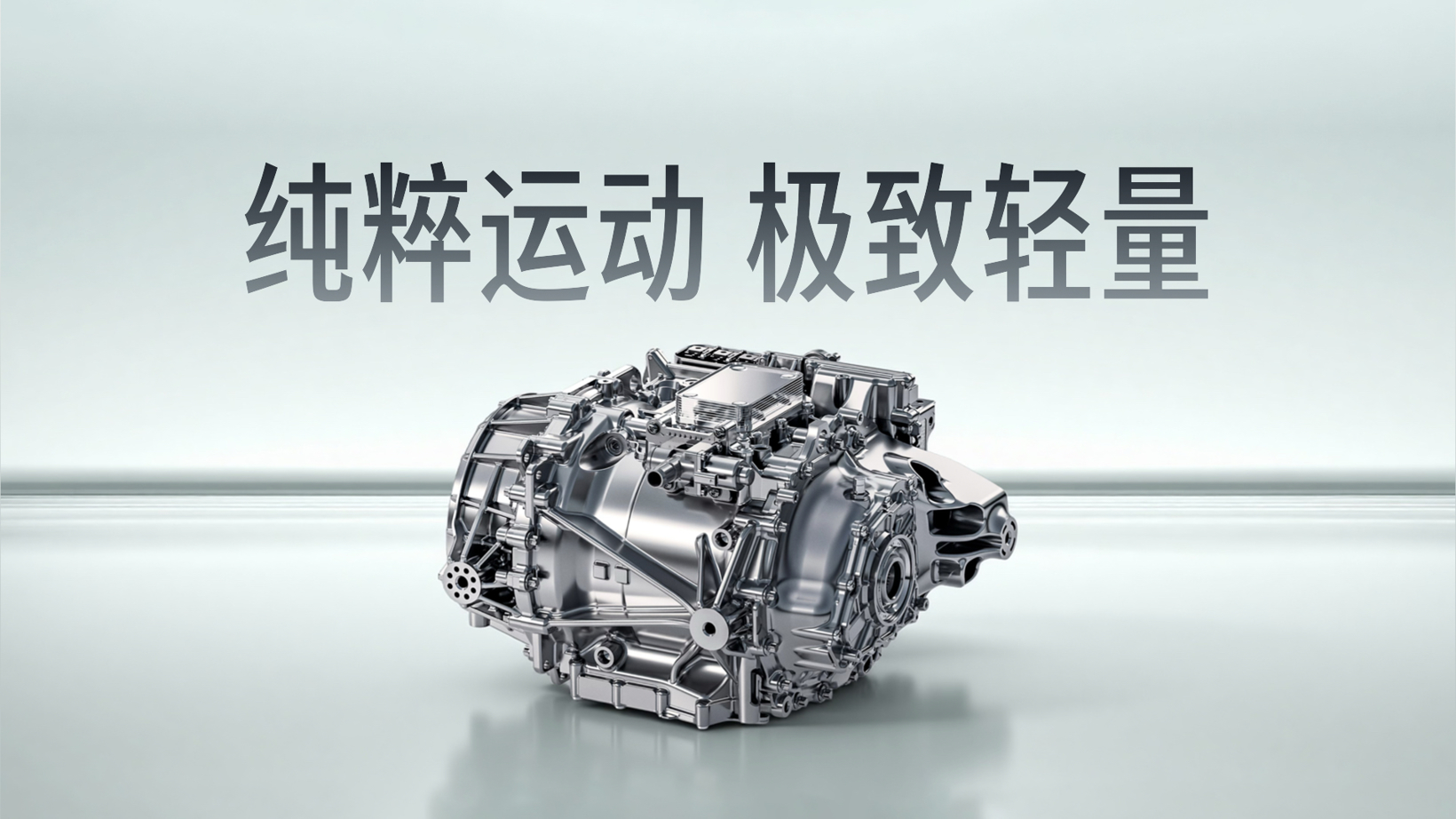
Image source: Lynk & Co.
This capability relies on a 900V high-voltage architecture. For a given power output, higher voltage means lower current, significantly reducing heat loss. A coaxial motor layout further streamlines power delivery, cutting all-wheel-drive response time to 10 milliseconds. The intelligent anti-slip system intervenes within 2 milliseconds, reducing wheel slip on wet surfaces by roughly 50%.
Clearly, the confidence behind the Lynk & Co 10+ and 10 stems not just from individual specs, but from the comprehensive support of its system capabilities.
What Makes the Core Powertrain Stand Out?
Having covered the "why" and the "how," we get to the specifics: what makes this powertrain exceptional?
The answer lies in driving dynamics. Recently, at Asia’s only ridge circuit, the Lynk & Co 10+ with Racing Package—sharing the same powertrain as the standard 10+—claimed the top spot with a lap time of 1 minute 40.14 seconds. That beat a record held by the Porsche Taycan GT for nine months. The Lynk & Co 10+ demonstrated its ability to sustain power output. Stability and safety, it turns out, are the true barriers to entry for a performance car.
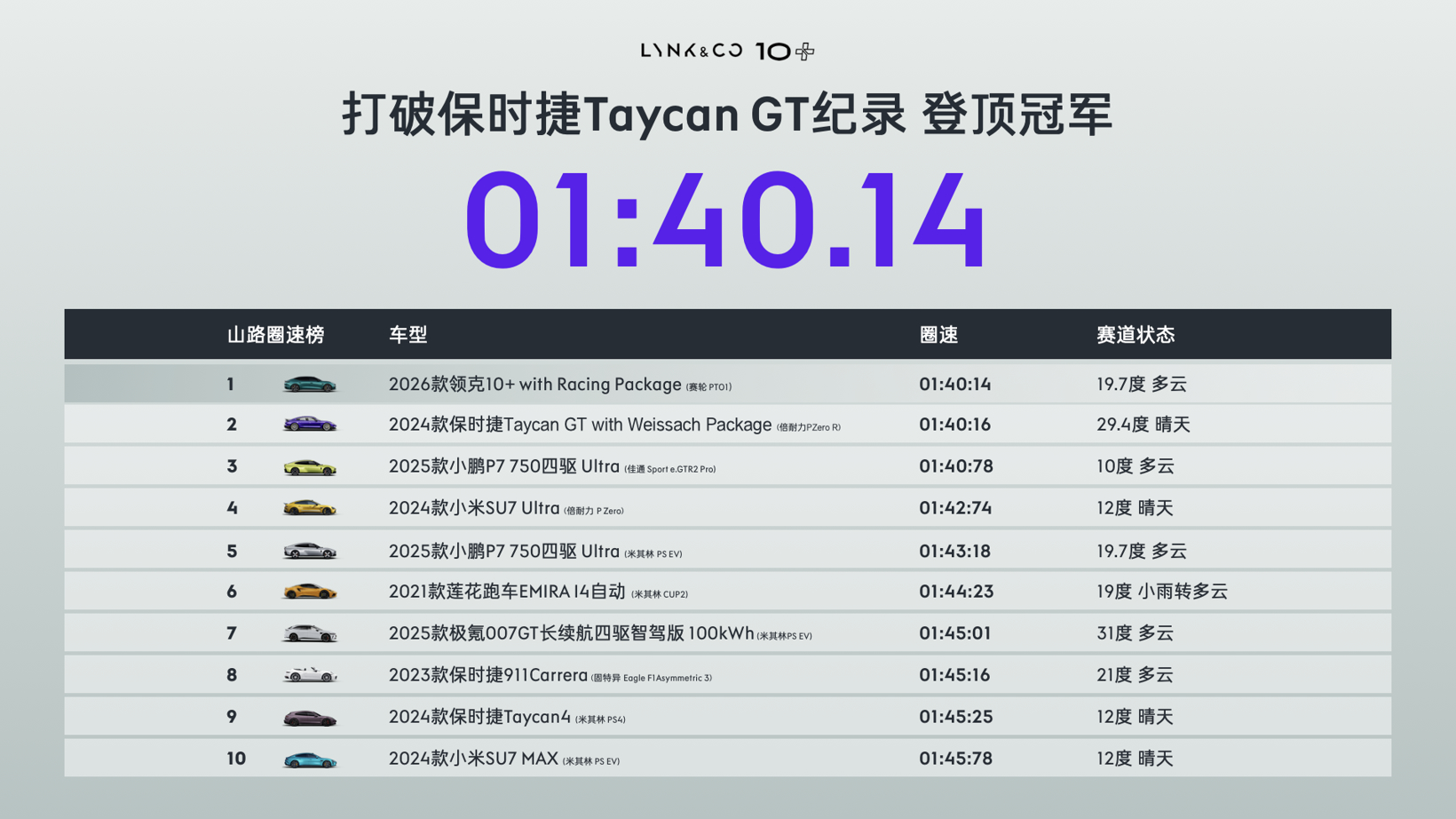
Image source: Lynk & Co.
The Lynk & Co 10+ tackles this through thermal exchange paths. It uses a Mini-Pin winding design that shortens the winding end length by about 20%, reducing copper loss and weight. Combined with deep oil-cooling technology, where coolant acts directly on the windings, heat dissipation efficiency improves significantly. As a result, power output remains stable even in extreme driving scenarios.
With power stability addressed, charging efficiency is the next hurdle. Equipped with the latest 900V Aegis Gold Brick battery, the vehicle charges from 10% to 80% in just 5 minutes and 32 seconds—adding roughly 2 km of range per second. A full charge from 10% to 97% takes only 8 minutes and 42 seconds, or roughly "the time it takes to drink a cup of coffee."
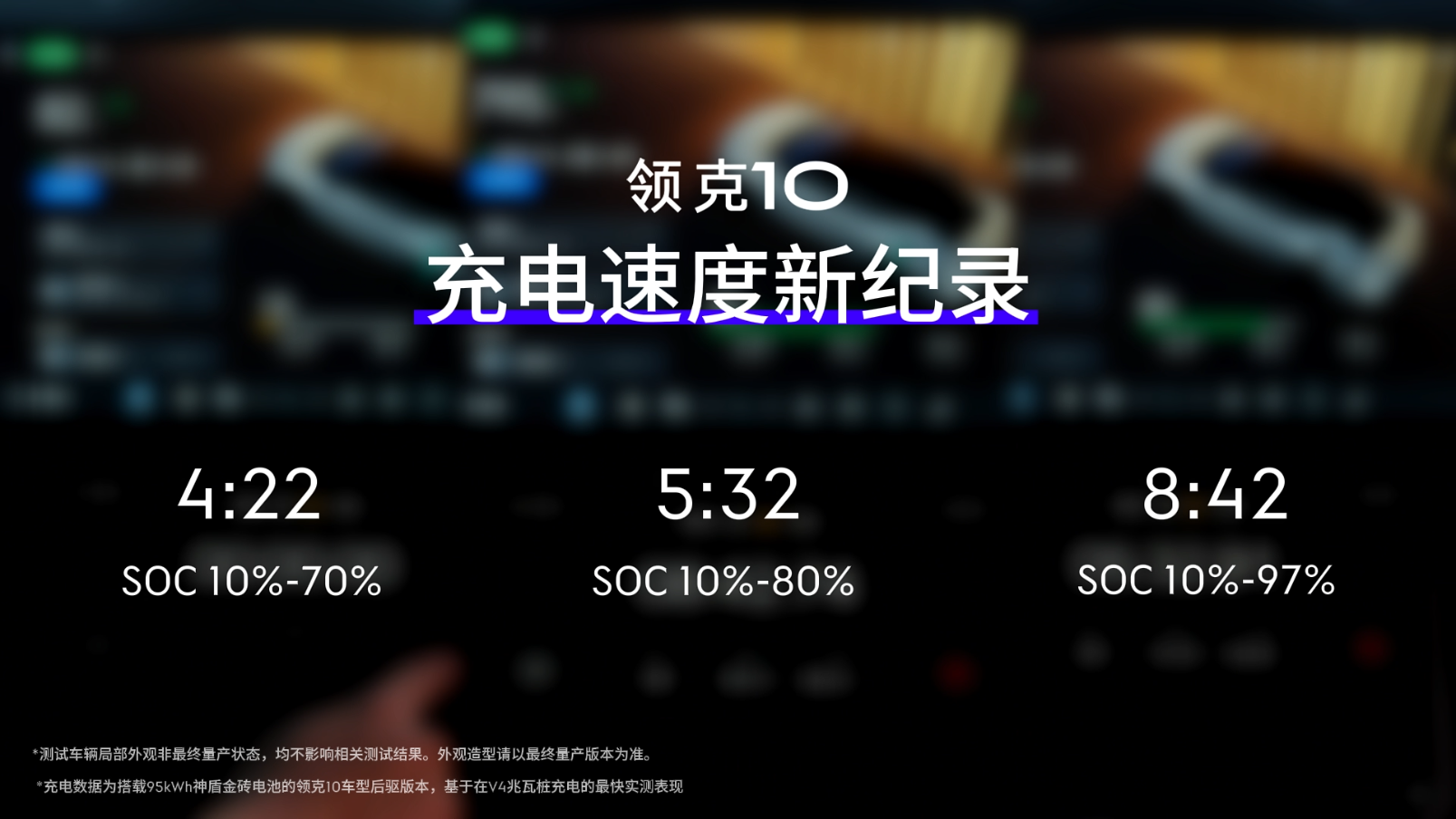
Image source: Lynk & Co.
The principle is straightforward: reduce resistance to lithium-ion movement within the battery. By optimizing the cathode, electrolyte, and anode separately, fast charging becomes sustainable rather than just a short burst. The high-voltage architecture minimizes heat generation, preventing charging speeds from tapering off.
Supporting that fast charging is a robust thermal management system. A dual-side liquid-cooling structure increases the heat dissipation area by about 100%, shortens the heat transfer path by 50%, and boosts heat exchange efficiency by 35%.
Speed—both in driving and charging—demands safety. The Aegis Gold Brick battery has passed extreme tests including simultaneous eight-needle penetration, crushing, and severing, with no smoking, fire, or explosion. An AI battery management system provides real-time monitoring and active risk warnings, while the pack utilizes a "985" comprehensive protection structure for multi-layer physical defense.
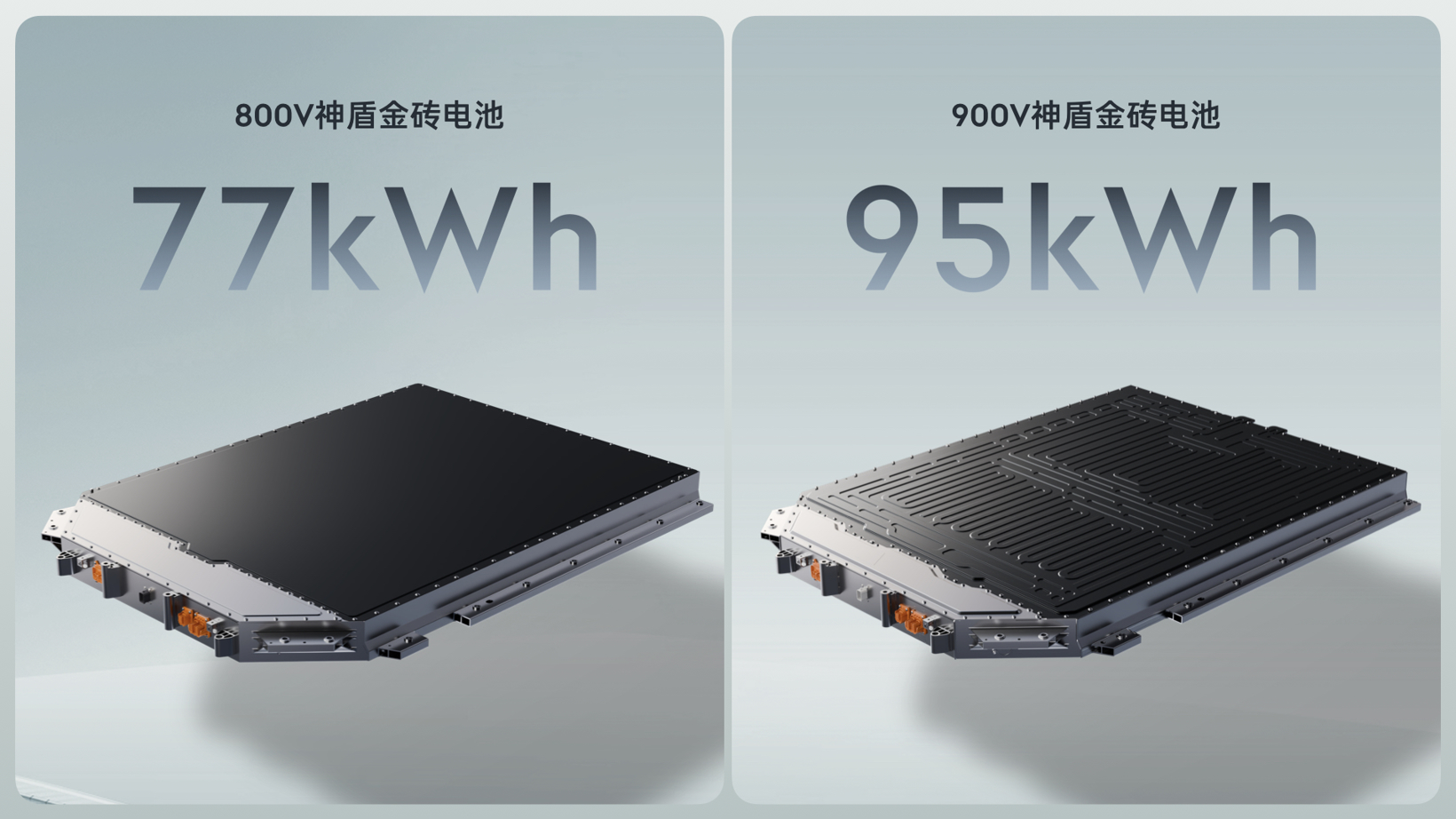
Image source: Lynk & Co.
Viewed together, the logic behind the Lynk & Co 10+ and 10’s powertrain is clear: the motor delivers stable output because the thermal architecture can handle it; fast charging is sustainable because the material system has lowered internal resistance; and safety is assured because thermal management provides a safety net in extreme scenarios.
Thus, the significance of the Lynk & Co 10+ and 10 launch lies in redefining the standard for performance EVs: performance is now defined by sustained behavior in complex environments, and stability has become the core of product competitiveness.
As electrification enters deep waters, industry competition is moving from spec-sheet battles to systemic capability contests. What the Lynk & Co 10+ and 10 attempt to do is transform performance from a fleeting metric into a capability that can be called upon over the long term. That may be the true dividing line for the performance EV segment.


