



2025 marks the first real window for industrializing humanoid robots.
According to the latest data from the Chinese Ministry of Industry and Information Technology, the number of domestic humanoid robot manufacturers surpassed 140 in 2025, with over 330 models released throughout the year. Top-tier players have subsequently entered mass production, collectively pushing annual shipments past the 10,000-unit mark—up from just a few thousand in 2024.
As humanoid robots accelerate from concept to reality, upstream core components are undergoing a value reevaluation—none more so than dexterous hands.
As the "ultimate actuator" connecting robots to the physical world, the performance of a dexterous hand defines the upper limit of a robot's operational capabilities and the breadth of its commercial viability. With downstream demand surging, competition in this sector has quietly intensified: it is no longer just about laboratory specifications, but a full-scale commercial race spanning mass production, cost control, and ecosystem positioning.
The Mass Production Sprint: Top Players Break 10,000 Deliveries
If large AI models are the "brain" of a humanoid robot, and motors and reducers its "bones" and "muscles," then the dexterous hand serves as the "nerve endings" linking that brain to the physical world.
Its core value lies in translating robotic intelligence from "perception and decision" into "executable action." Without a high-performance dexterous hand, even the most advanced AI algorithms cannot execute fine manipulations—leaving the robot, in effect, as little more than a walking ornament.
Industry exploration dates back to the 1970s. Yet, constrained by high costs, complex control, insufficient reliability, and a lack of clear large-scale applications, dexterous hands remained largely confined to laboratory prototypes, struggling to bridge the gap between "sample" and "product."
Take the Shadow Hand from UK-based Shadow Robot Company: its price tag runs into the millions, making large-scale commercialization clearly unfeasible.
The deadlock has broken only in the last two years. The fundamental shift comes from the clear and urgent demand for scale unleashed by the booming humanoid robot industry. As companies like Unitree, Zhiyuan, and UBTECH deploy their products in industrial applications, market requirements for dexterous hands have undergone a qualitative change: the focus has shifted from "usable" to "useful, durable, and cost-effective," directly propelling dexterous hands into a new phase of mass production.
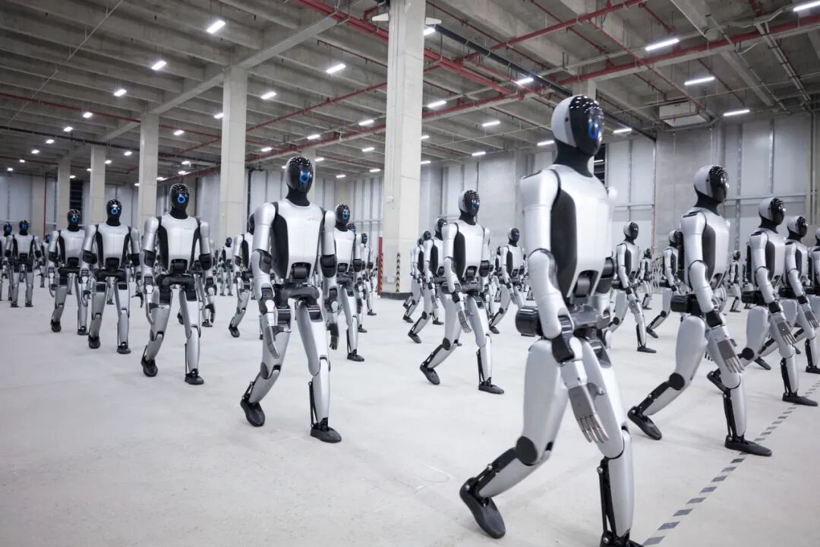
Image Credit: UBTECH
Estimates from several authoritative agencies suggest global humanoid robot shipments exceeded 15,000 units in 2025—a nearly sevenfold leap from just over 2,000 units in 2024. Leading players like Unitree and Zhiyuan each recorded shipments exceeding 5,000 units.
Assuming two dexterous hands per robot, the known shipments of dexterous hands in 2025 surpassed 30,000 units. Unitree, for instance, noted that while actual shipments of its pure humanoid robots topped 5,500 units, the total number of robot bodies rolling off production lines exceeded 6,500—and that figure excludes dual-arm wheeled robots and other forms, which similarly require dexterous hands.
Amid this robust demand, shipments from leading dexterous hand manufacturers are beginning to scale.
LinkerBot, for example, has seen monthly shipments break the 1,000-unit mark. The company's Linker Hand series covers multiple product lines, with three high-performance models—the L10, L20, and L30—each offering 20 or more degrees of freedom.
Notably, LinkerBot is one of the few companies globally to achieve mass production of high-degree-of-freedom dexterous hands in the thousands, holding over 80% of this specific niche market. Building on this, the company plans to deliver between 50,000 and 100,000 units in 2026.
Inspire Robots also announced that it had delivered 10,000 dexterous hands in 2025, up from just 2,000 units the previous year.
This growth is driven by deep proprietary R&D in key areas like micro servo electric cylinders and planetary roller screws. Yinshi has launched over 20 models across series such as RH5EG1, RH56F1, E2, DFX, and BFX, serving more than 700 clients worldwide in sectors ranging from education and research to industry, commerce, and healthcare.
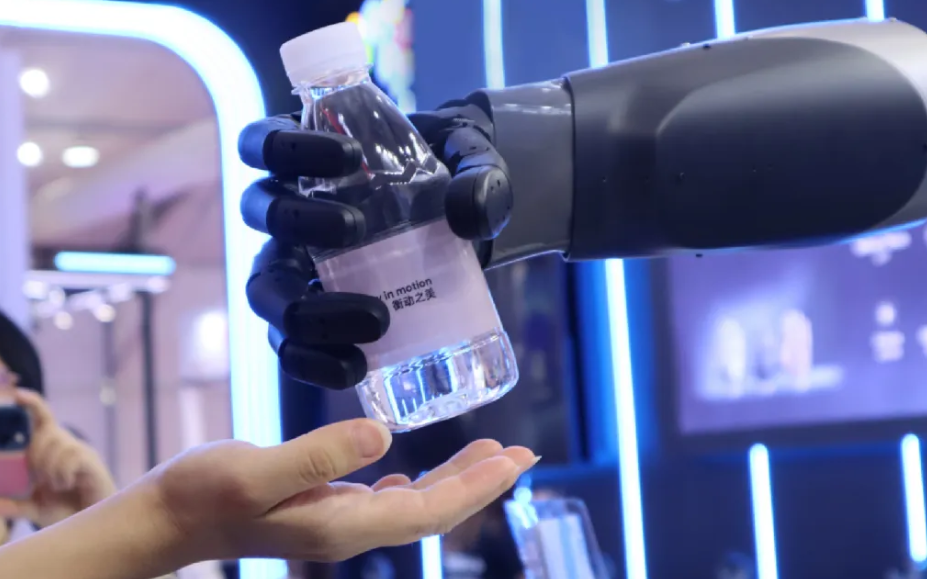
Image Credit: Xynova
Xynova recently announced it had secured orders totaling over 10,000 high-degree-of-freedom dexterous hands from several top-tier clients. Founded in late 2024, the startup focuses on high-degree-of-freedom R&D, boasting proprietary capabilities across motors, electronic controls, reducers, screws, and algorithms.
This means Xynova moved from inception to a five-figure order book in less than a year—a demonstration of the explosive potential of "latecomers" in the mass production race.
To quickly secure a foothold in this fierce race, Xynova is actively building engineering capabilities. It plans to construct a production line for 200,000 micro electric cylinders and 10,000 dexterous hands annually to ensure delivery. Construction on this large-scale facility has already begun, with commissioning expected in the second quarter of 2026.
This string of announcements on orders and capacity marks a clear industry inflection point: the core battlefield for dexterous hands has shifted from "technological breakthroughs" in the lab to "production ramp-ups" in the factory and "order deliveries" in the market.
In this early stage of the mass production sprint, companies that already hold orders and have achieved scaled delivery have undoubtedly secured the critical "entry tickets."
The Great Technical Divergence: What Is the "Optimal Solution"?
Unlike many core components that are moving toward standardization, the technical roadmap for dexterous hands is currently in a volatile "Warring States" period.
A walk through any robotics expo reveals that end-effectors claiming human-like dexterity often operate on entirely different driving principles. This "divergence" in technical paths is not a sign of immaturity; rather, it is the direct result of extreme diversification in downstream application scenarios.
In terms of transmission, mainstream technical routes for dexterous hands currently revolve around three primary methods:
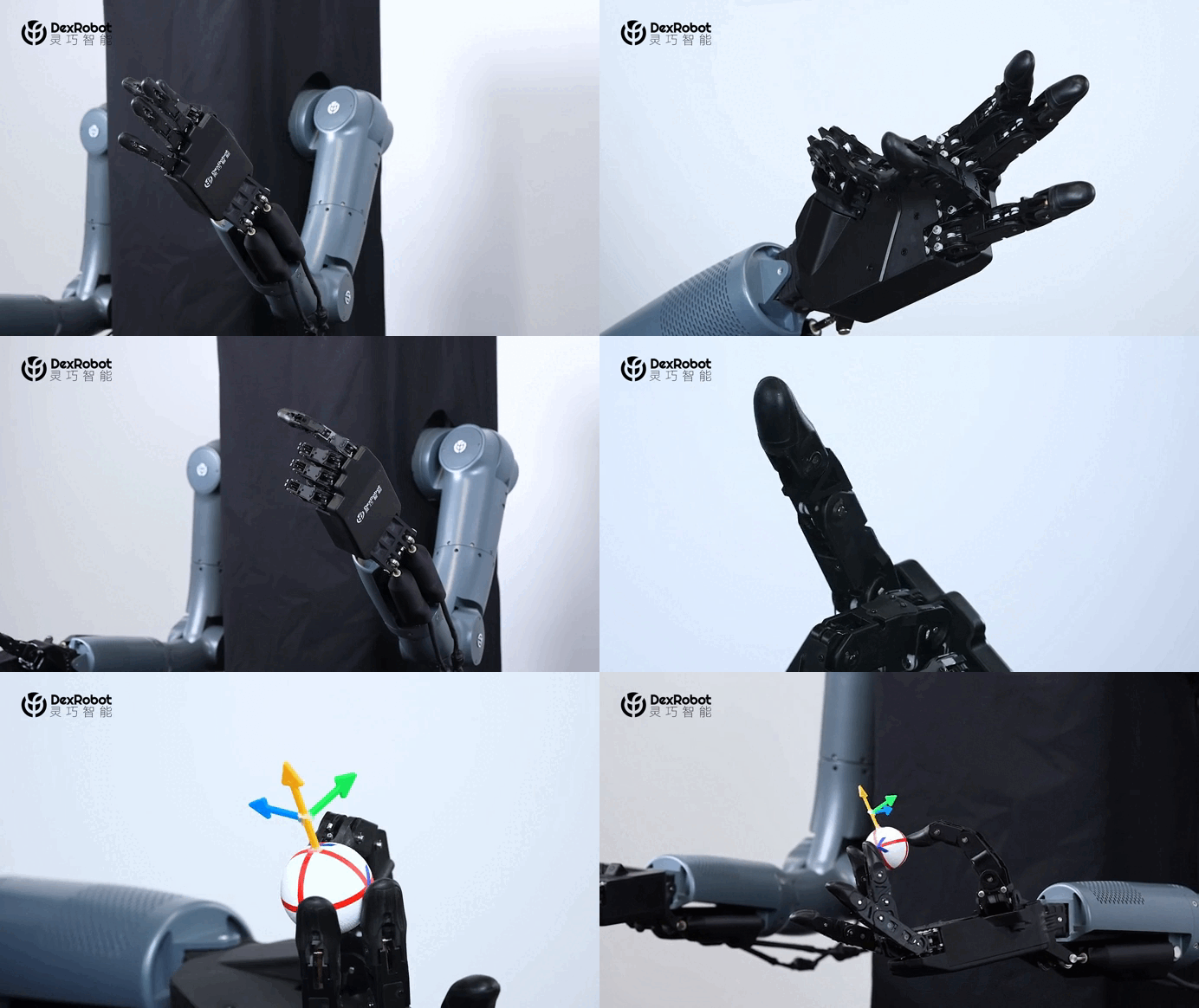
Image Credit: DexRobot
Tendon Drive: Mimicking human tendons, this method uses motors to retract and release flexible cables that remotely pull the joints. Its advantages include a compact structure, lightweight design, smooth movement, and high biomimicry. The Tesla Optimus hand, LinkerBot's Linker Hand L30 Tendon Version, DexRobot's Dexhand 021 Mass Production Version, and Xynova's Flex 1 all adopt this route.
This approach is well-suited for scenarios requiring high biomimicry and fine manipulation, such as home service and medical rehabilitation. However, the drawbacks are clear: cables are prone to creep and wear over time, leading to precision degradation, and load capacity is relatively limited.
Linkage Drive: This transmits motor power directly to joints through rigid links and hinges. It offers structural stability, high precision, fast response, and strong load capacity. Representative products include LinkerBot's Linker Hand L6 Direct Drive Version, Inspire Robots's RH56 series, Zhiyuan Robot's OmniHand series, and ByteDance's Seed Lab ByteDexter.
This route is better adapted for scenarios demanding strength, speed, and reliability, such as industrial sorting and heavy object grasping, but it suffers from relatively lower flexibility and a more complex structure.
Gear Drive: Transmitting power and motion through meshing gears, this method boasts high transmission efficiency, large torque output, extreme precision, and structural rigidity. Examples include Unitree's Dex5 and ROBOTERA's XHAND1. However, this brings challenges such as structural complexity, high weight, demanding machining precision, and elevated costs.
This means there is no "universal hand" suitable for every scenario. Consequently, some companies are laying out multiple technical routes simultaneously. LinkerBot's Linker Hand series, for instance, covers tendon, direct drive, and linkage methods. Zhaowei Mechanism & Electronics employs both direct drive and linkage technologies, while AAC Technologies is developing both high-degree-of-freedom tendon hands and high-reliability linkage hands.
"There is an 'impossible trinity' in the dexterous hand field: degrees of freedom, size, and force output cannot be simultaneously maximized. Tendon hands achieve 'small size, high degrees of freedom' through remote driving, but face challenges in yield, cost, and force output; linkage hands excel in stable output and reliability. Given diverse scenario requirements, these two routes will coexist for now, but they will continue to evolve to meet differentiated customer needs," a representative from AAC Technologies told Gasgoo, explaining the logic behind this strategy.
Yet, the limitations of traditional paths also leave a window of opportunity for innovators.
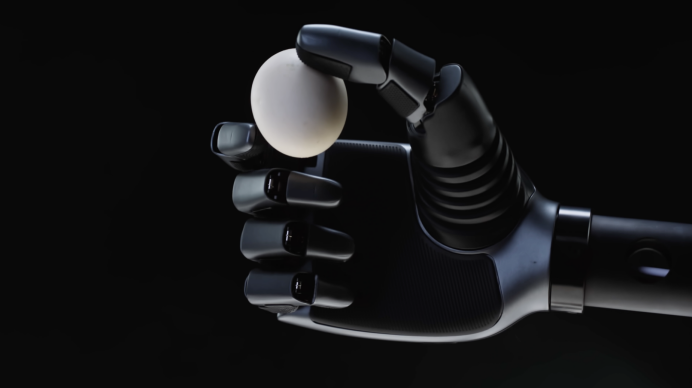
Image Credit: Choho Industrial
Recently, Choho Industrial, a leader in China's chain transmission industry, made a crossover move by releasing its own dexterous hand—the Zhen Hand (CHOHO Hand). The highlight of this product is its sprocket-chain transmission, which claims an efficiency of 95% to 98%, aiming to solve the puzzle of balancing high precision, high load, and high reliability.
Choho's entry confirms that the technology race is far from over; any manufacturer with accumulated expertise in transmission has the potential to rewrite some of the rules of the game.
Ultimately, the driving force behind this "great divergence" is the continuous diversification of downstream application scenarios: laboratory research pursues ultimate biomimicry, industrial lines demand absolute reliability and precision, and consumer scenarios require cost control and safety. These differing performance requirements directly drive the fragmentation of technical routes.
Going forward, the player whose technology can more quickly and effectively address the real pain points of a specific scenario will be the one to seize the initiative.
Contesting the Billion-Dollar Blue Ocean: Three Camps Vie for Position
Although technical routes remain in fierce contention, the market outlook for dexterous hands—the "ultimate touch" between humanoid robots and reality—is beyond doubt.
Data from China Commercial Industry Research Institute shows the global robot dexterous hand market reached 760,100 units, valued at 1.706 billion yuan, in 2024. By 2030, capacity is projected to hit 1.4121 million units, with the total market size surpassing 3 billion USD.
Such vast prospects have attracted a rush of entrants. The competitive landscape has clearly split into three camps: the vertical integrationists seeking closed-loop control, third-party tech companies focused on innovation, and crossover players.
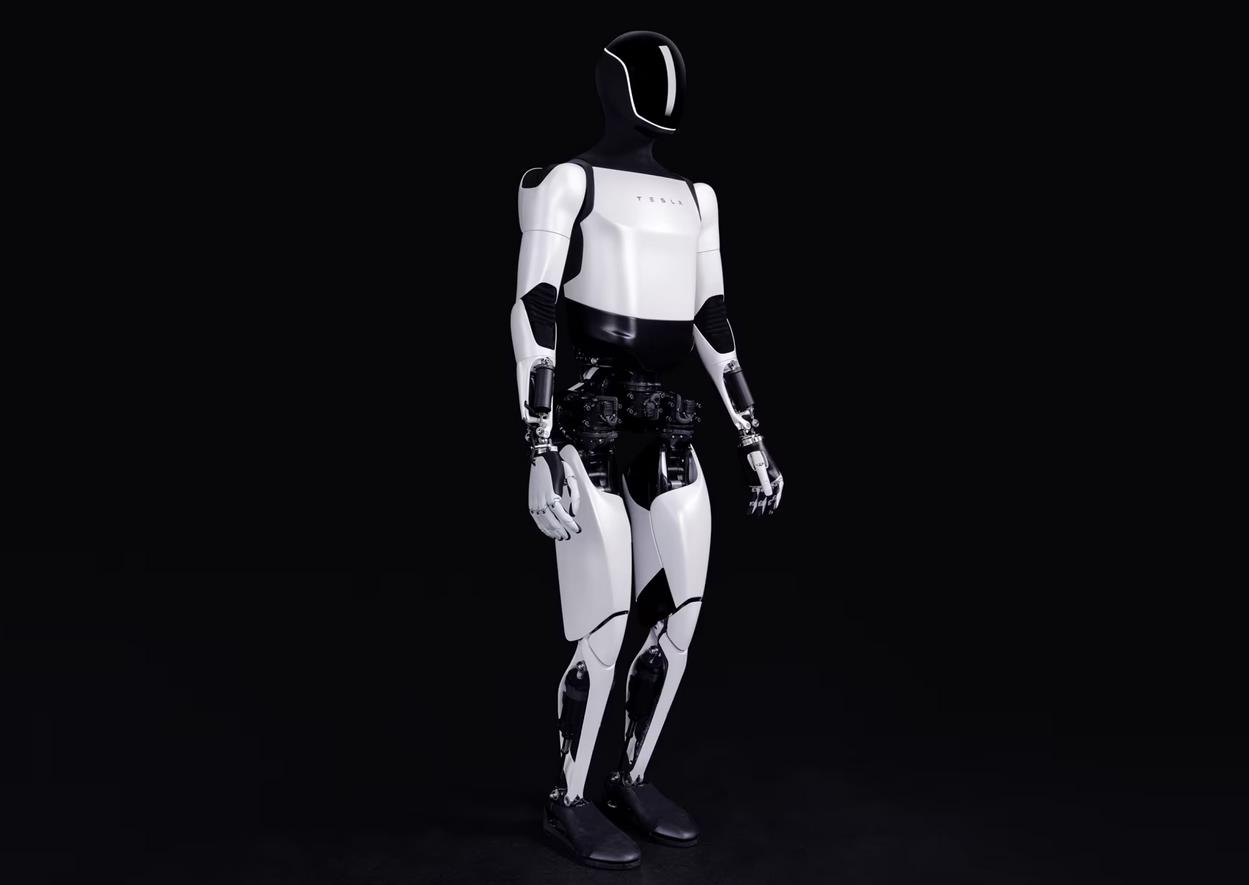
Image Credit: Tesla
The core representatives of the vertical integration camp are humanoid robot OEMs like Tesla, Zhiyuan, and Unitree Technology.
Their logic is straightforward: to ensure the performance, experience, and rapid iteration of the final robot product, they must deeply self-develop the dexterous hand as a core capability, achieving a technological closed loop and ecological barrier from "brain" to "fingertip."
While this path enables high hardware-software coupling and rapid system iteration—building a deep moat—it also comes with extremely high R&D costs and lengthy engineering verification cycles.
Zhiyuan's recent decision to spin off its dexterous hand business into a separate subsidiary has been interpreted by many industry insiders as a sign that humanoid robot R&D is shifting from vertical integration toward industrial division of labor.
Another core force consists of specialized technology companies focused exclusively on dexterous hands.
This camp forms the active "innovation engine" of the ecosystem. Represented by startups like LinkerBot, Xynova, and Inspire Robots, these companies do not sell complete robots to end consumers. Instead, they are dedicated to providing high-performance, high-reliability dexterous hand solutions to various OEMs or specific vertical scenarios.
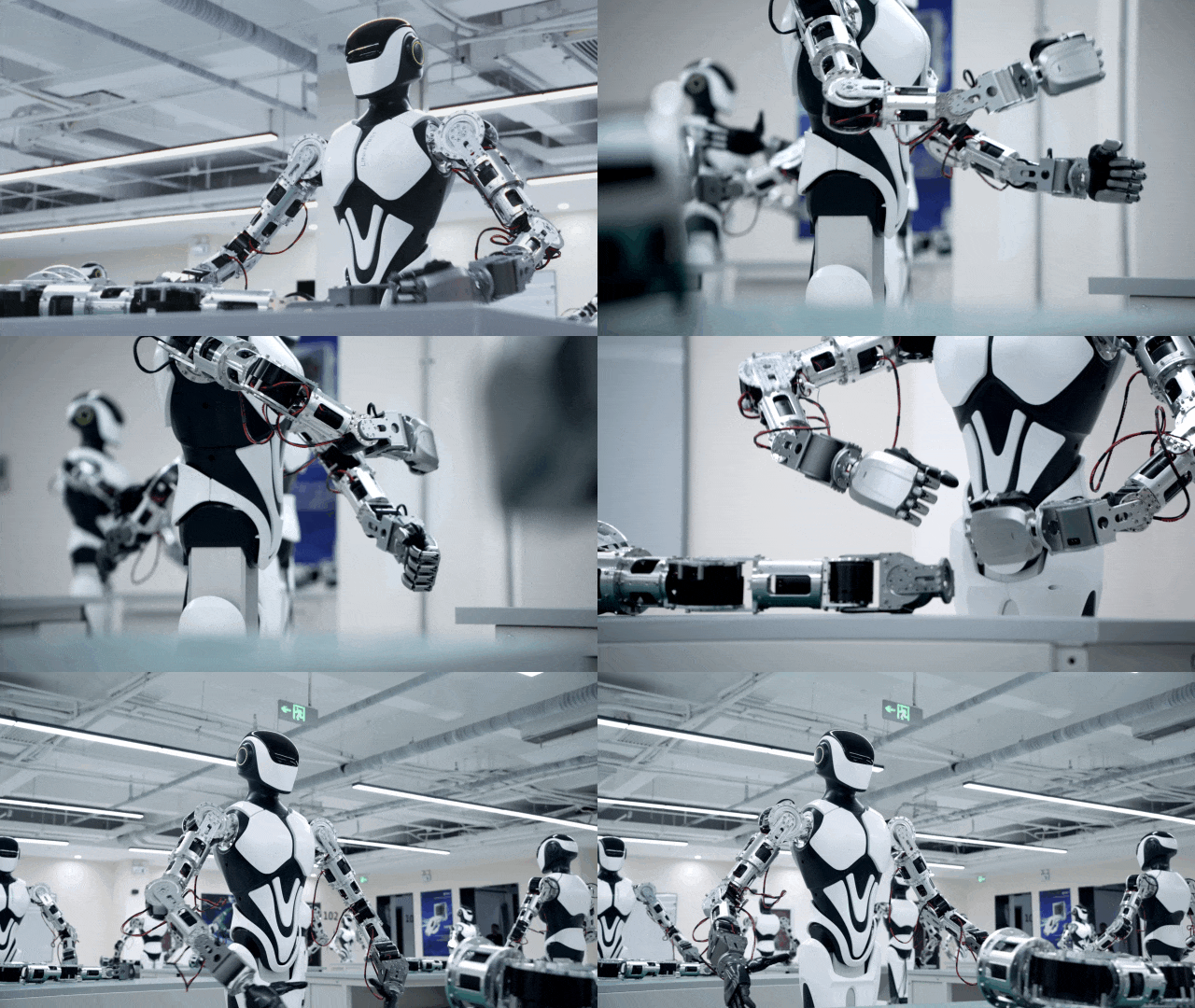
Image Credit: LinkerBot
Further subdivision reveals distinct attack vectors based on technical DNA: the full-stack self-developers like LinkerBot and DexRobot emphasize deep hardware-algorithm synergy; the core drive group, led by Inspire Robots and Xynova, builds barriers from components like micro servo electric cylinders; the high-precision sensing faction, represented by PaXini Tech and Daimon Robotics, focuses on endowing hands with "touch"; and the control algorithm group, such as OYMotion Technologies and CASIAHAND ROBOTICS, leverages advanced algorithms to boost intelligence.
Compared to OEMs, the core value of specialized tech companies lies in extreme specialization, rapid iteration, and the potential to drive standardization and cost optimization.
Meanwhile, a force of disruptive change cannot be ignored: the crossover players, such as RoboSense, AAC Technologies, Zhaowei Mechanism & Electronics, Jiangsu Leili, and Ningbo Huaxiang.
The logic for these enterprises is not to start dexterous hand R&D from scratch, but to creatively apply and integrate precision manufacturing, transmission, or sensing technologies that have been proven in their core businesses.
Take RoboSense: leveraging its R&D and mass production experience in smart vehicles, it is targeting "hand-eye-brain coordination" in robots. It has built a robotic perception system, dexterous hand hardware, and the VTLA-3D large model to form a complete solution. These solutions support flexible combinations to adapt to robots of different forms and industries, with potential wide application in logistics, industrial operations, and commercial services.
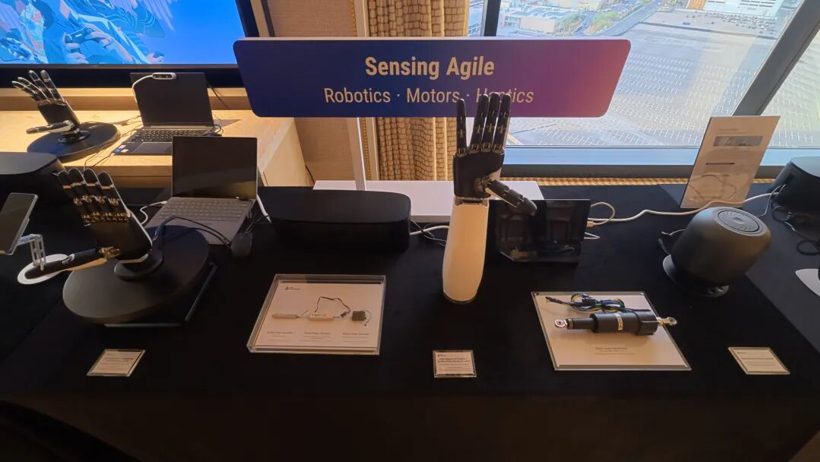
Image Credit: AAC Technologies
AAC Technologies' full-stack self-development in dexterous hands also draws heavily on its mature experience in consumer-grade and automotive-grade mass production, offering substantial support for customer yield improvement and cost control, achieving an efficient closed loop from R&D to mass production.
According to an AAC representative, the company's self-sufficiency rate for key components has reached about 80%, including coreless motors, six-axis force sensors, and IMUs, giving it distinct advantages in system integration, design optimization, and delivery cycles. Moreover, AAC's industry-leading full-stack capabilities allow it to systematically improve performance from the ground up—starting with materials and processes.
This means that compared to specialized third-party startups, the entry of crossover players is better positioned to address pain points in cost control, reliability engineering, and mass production consistency, bringing a "dimensional strike" style of innovation to the dexterous hand sector.
Ultimately, the endgame of this competition may not be a simple winner-takes-all scenario, but rather the emergence of a multi-level, highly specialized, and collaborative ecosystem.
Conclusion
The dexterous hand industry is currently undergoing a critical transition from "technology-driven" to "dual-driven by scenario and commerce." The pressure of mass production is forcing all players to confront the hard constraints of cost, reliability, and engineering.
Future differentiation will be determined not merely by laboratory parameters, but by whether companies can find the most stable intersection of technical performance and commercial value within the real industrial landscape.


