



Gasgoo Munich- So far in 2026, refined oil prices have been adjusted six times in China—mostly hikes. In March alone, prices were tweaked twice. On March 9, gasoline and diesel prices rose by 695 yuan and 670 yuan per ton, respectively. Then, on March 23, domestic gasoline and diesel prices climbed by 1,160 yuan and 1,115 yuan per ton—less than markets had anticipated.
That's because the government stepped in to cap the surge, limiting the national average increase for both gasoline and diesel to roughly 0.85 yuan less per liter.
As a result, the widely predicted entry of 92-octane gasoline into the "9 yuan era" hasn't materialized.
For consumers, the shift is immediate: fuel costs are climbing fast. But zoom out, and the shockwaves are rippling through the supply chain—from energy and logistics to manufacturing and, finally, end consumption.
Middle East Tensions Take Their Toll
At the source, this rapid ascent is driven by shifting geopolitical dynamics in the Middle East, particularly rising security risks along critical shipping lanes.
The Strait of Hormuz has long been a chokepoint for global oil transport, handling roughly 30% of the world's crude. Any disruption there doesn't just throttle physical capacity; it amplifies fears of a supply cutoff, forcing a risk premium into prices.
The shipping landscape is already shifting. Some tankers are forced into detours, lengthening transit times. Meanwhile, soaring insurance premiums—compounded by safety risks—are driving up transport costs.
Data shows international crude surged from $82 to $112 a barrel in just 20 days—a jump of over 36%. Given China's heavy reliance on imported oil, those volatile global prices inevitably filter through to the domestic market via the current pricing mechanism.
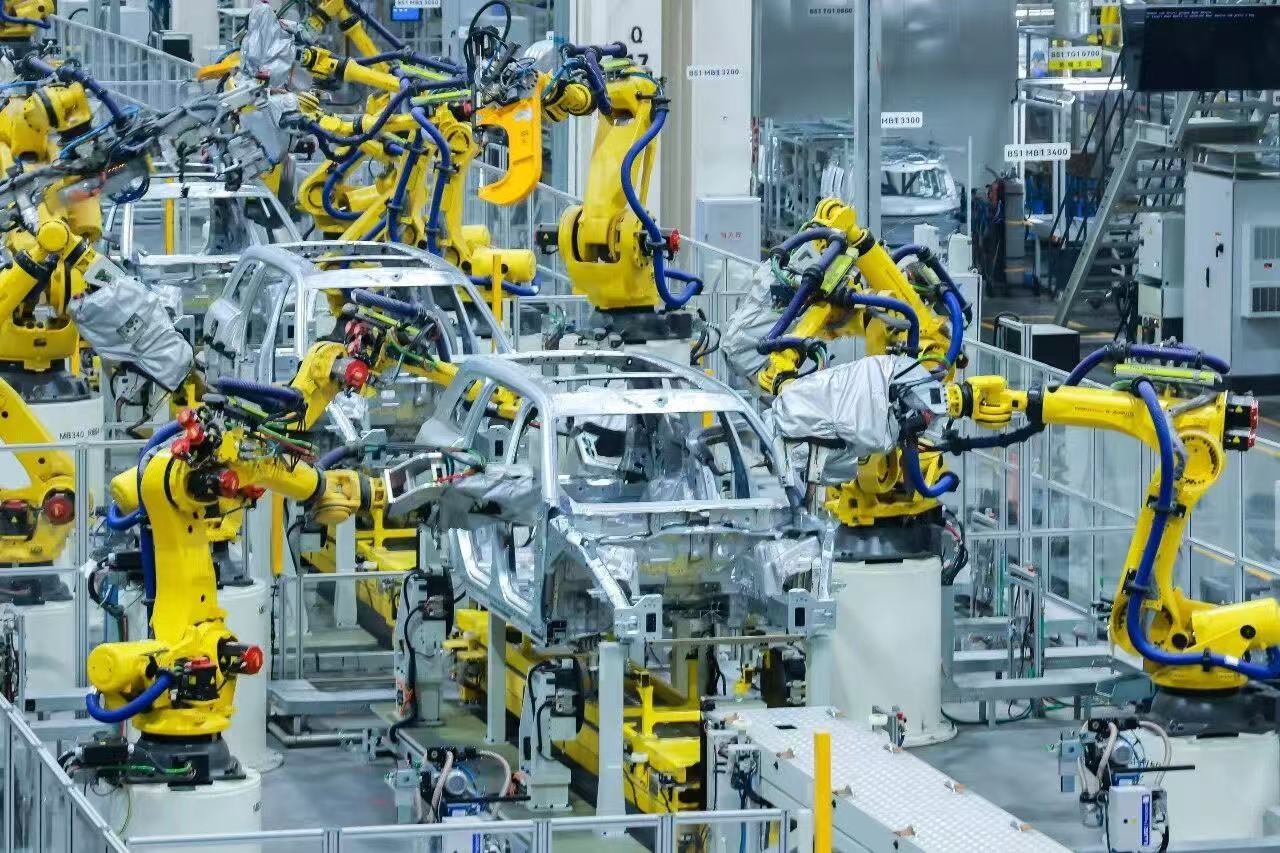
Image source: Seres
The shock isn't contained to energy; it's bleeding into the auto sector. Take logistics. Whether moving refined oil or exporting finished vehicles, the industry leans heavily on sea freight. When key lanes choke, efficiency drops and schedules become unpredictable, directly disrupting delivery cadences.
Reports suggest some international shippers have suspended transit through high-risk zones, leaving vessels stranded and causing a temporary breakdown in global logistics. For automakers dependent on exports, that means mounting inventory pressure and forced adjustments to production rhythms.
Then there's raw materials. The Middle East isn't just a crude hub; it's a key source of fossil feedstocks. Tight naphtha supplies squeeze ethylene production, which in turn pushes up prices for plastics and synthetic rubber. These materials—used in everything from tires to interiors, seals, and wiring—see their costs amplified layer by layer, ultimately compressing automakers' profit margins.
Japanese automakers offer a case study: facing channel risks, some have already cut output or scaled back in specific markets. It's a signal that geopolitical conflict has evolved from an external shock to an internal variable shaping how the industry runs.

Land Cruiser; Image source: Toyota
The impact is no less real for China. Rising international crude hikes domestic pump prices, but also nudges up production and circulation costs through transport and materials. In this context, the price surge isn't just a consumer issue—it's a cost-transmission chain running through the entire industry.
Yet, there's a silver lining: the pressure is forcing the industry to adapt. Cui Dongshu, secretary-general of the China Passenger Car Association (CPCA), argues that while higher fuel costs pinch consumers, they also reshape market structure—curbing low-level competition and pushing companies to fight on product and tech rather than just price.
In other words, this price surge has a dual character: it squeezes the supply chain even as it accelerates structural change. That combination makes its impact both complex and enduring.
And the uncertainty in the Middle East means this won't blow over quickly. Unlike past cycles driven by supply and demand, geopolitical factors tend to linger, casting a longer shadow over market expectations.
Fatih Birol, head of the International Energy Agency (IEA), put it starkly recently: "This crisis is even worse than the two oil crises of the 1970s put together.
Morgan Stanley, meanwhile, issued a warning in its latest report: if international crude holds above $120 a barrel, it poses a tangible downside risk to Asian economic growth. The bank's models suggest every sustained $10-per-barrel increase drags down Asia's overall GDP by roughly 20 to 30 basis points.
On March 23, however, international oil prices took a dive. U.S. President Donald Trump posted on social media about "very good and productive" talks with Iran. The news sent crude and natural gas prices lower, with New York and Brent futures briefly dropping by about 13% during the session.
The '9 Yuan Era' Hasn't Arrived Yet
Faced with back-to-back hikes in March, the market's most visible reaction was the return of long lines at gas stations—a reflex response to the sudden spike in living costs.
China's refined oil prices are linked to global markets through a specific adjustment mechanism. The cycle runs every ten working days, using international crude prices as a baseline. Domestic prices move up or down based on the weighted average rate of change over that period.
Any change exceeding 50 yuan per ton triggers an adjustment; anything less rolls over to the next cycle. The two March hikes were triggered by the rapid climb in international crude. With prices consistently rising throughout the cycle, the reference rate stayed positive and widened, culminating in the sharp increases.
Looking back at trends since the pandemic, the market has moved in distinct phases. In early 2020, global demand collapsed, sending international crude to the floor and keeping domestic prices in the "5 yuan era" for a long stretch.
But as the global economy recovered and demand rebounded—bolstered by sustained OPEC+ production cuts—oil began its ascent. In 2022, geopolitical conflicts pushed crude past $120 a barrel, lifting domestic prices near record highs; 92-octane gasoline briefly entered the 9-yuan era.
Prices eased in the years that followed but remained elevated. Now, in 2026, renewed conflict in the Middle East has fueled another rapid surge, crystallizing in March.
The impact on consumers is tangible. Around adjustment dates, stations see queues again as drivers rush to fill up before the window closes. It's a short-term coping mechanism, but it also reflects uncertainty about where prices are headed next.
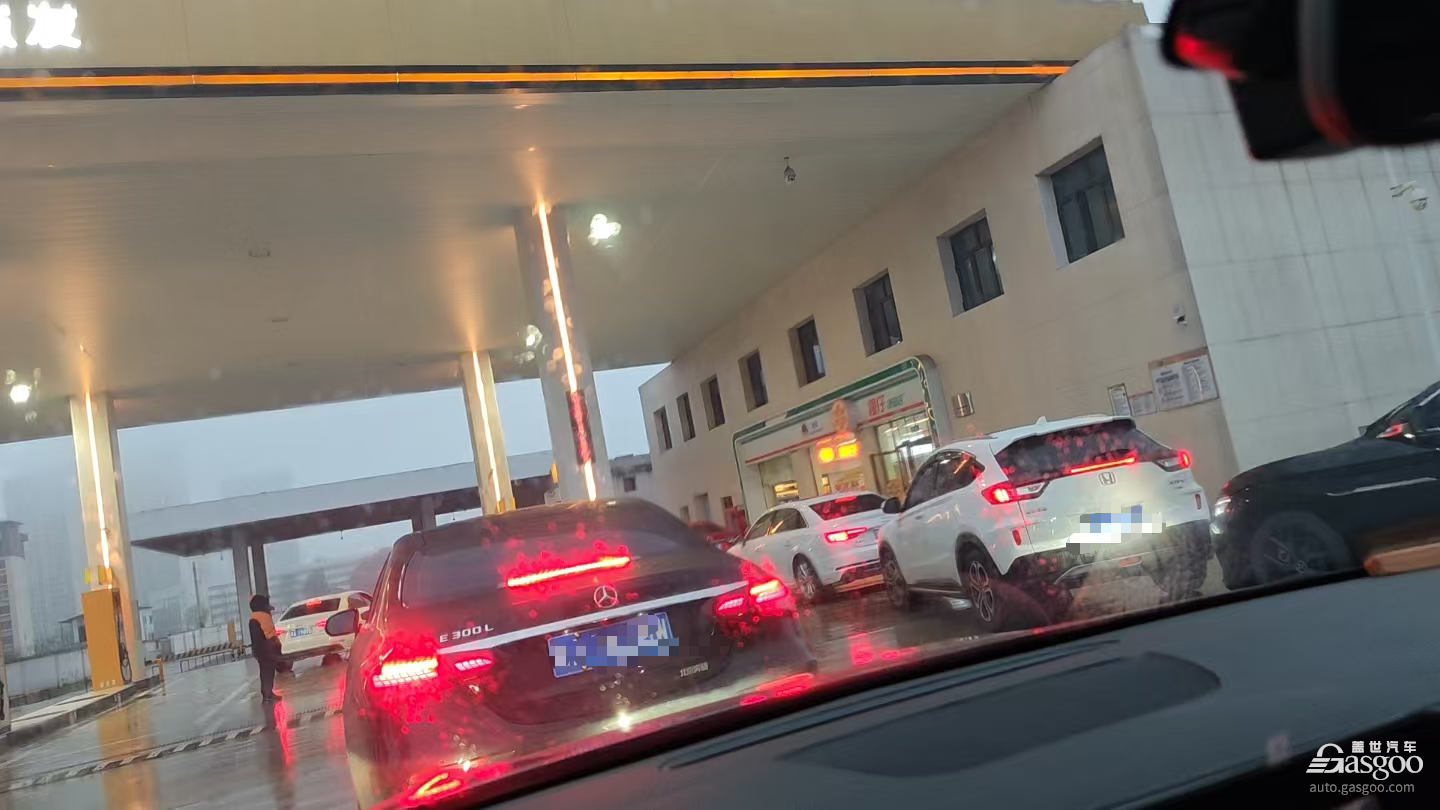
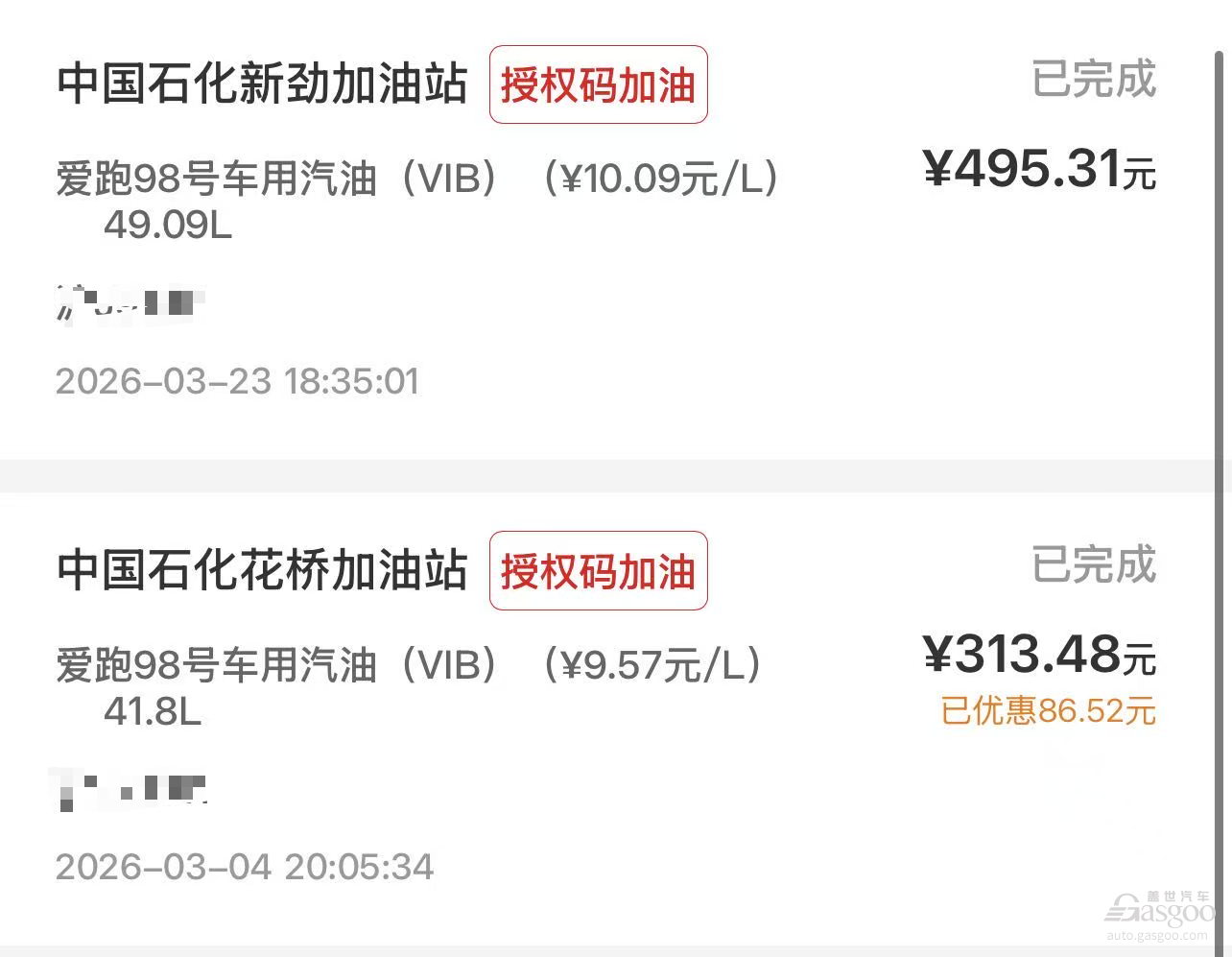
The hit to household budgets is clear. One netizen crunched the numbers: a typical household driving 1,500 kilometers a month pays an extra 100 to 200 yuan. For ride-hailing or freight drivers, monthly fuel bills can surge by as much as 5,000 yuan.
So when will prices come down? In the short term, a return to previous lows is unlikely, according to Cui.
Several factors are at play: tensions in the Middle East show no sign of abating, keeping shipping risks in the Strait of Hormuz high; OPEC+ continues to cut production, keeping global supply tight; and international crude inventories are low, leaving the market vulnerable to any shock. High prices, it seems, are not a temporary blip—consumers and businesses need to adapt.
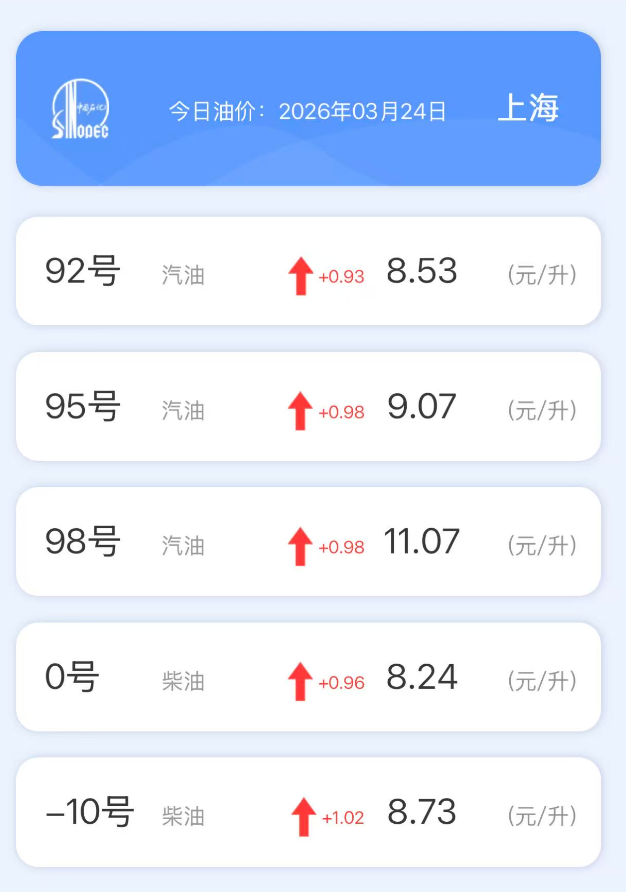
To stabilize prices and protect the economy and livelihoods, the state intervened. The National Development and Reform Commission (NDRC) announced temporary control measures for domestic refined oil prices, working within the existing pricing framework.
Under standard calculations, domestic gasoline and diesel should have risen by 2,205 yuan and 2,120 yuan per ton this time, pushing 92-octane gasoline universally into the 9-yuan range. But to smooth out volatility and ease the burden on daily travel, the government capped the increase—gasoline and diesel rose 1,045 yuan and 1,005 yuan less than calculated. The result: 92 gasoline holds steady at around 8 yuan per liter.
An Opportunity for New Energy Vehicles?
As pump prices climb, many drivers are doing the math while grumbling: should my next car be electric? The market's structure is clearly shifting. Some owners note that gas station perks—like matching prices for 95 and 98 octane—have largely vanished.
Early this year, the new-energy market faced headwinds. With purchase tax incentives halved for 2026, demand was pulled forward, causing a lull early in the year. CPCA data shows February retail sales of new-energy passenger vehicles fell 32% year-on-year to 464,000 units, with the penetration rate slipping to around 45%.
Internal combustion engine (ICE) vehicles, meanwhile, seized the window. Aggressive discounts at the dealership helped drive a recovery. February retail sales for conventional ICE passenger cars hit 570,000 units; their 19% decline was far less severe than the plunge in EVs. That "oil strong, electric weak" start led many to believe 2026 would be the year EV growth slowed and ICE held its ground.
But that narrative is shifting with rising oil prices. While purchase price matters, the cost of ownership is a constant drain. When pump prices spike, the running costs of ICE vehicles rise sharply, becoming a heavier weight in purchase decisions.
Market feedback confirms this: more buyers are focusing on "total cost of ownership" rather than just the sticker price. That shift puts the economic advantages of new-energy vehicles back in the spotlight.
Cui points out that higher oil prices will stimulate demand for new-energy vehicles. When fuel costs stay high, the savings offered by EVs become undeniable—especially in the 100,000 to 150,000 yuan mass market, where consumers are price-sensitive. For many, expensive fuel is the tipping point.
The numbers back this up. The CPCA projects March retail sales of new-energy passenger vehicles will reach around 900,000 units, lifting the penetration rate back above 52.9%. After a slow start, the EV market is regaining momentum. ICE vehicles, despite discounts deepening to 24%, are seeing their recovery hampered by rising fuel costs.
Still, the new-energy sector faces headwinds. The impact of fading policy support hasn't fully dissipated, and infrastructure gaps—charging availability, regional disparities—continue to constrain demand.
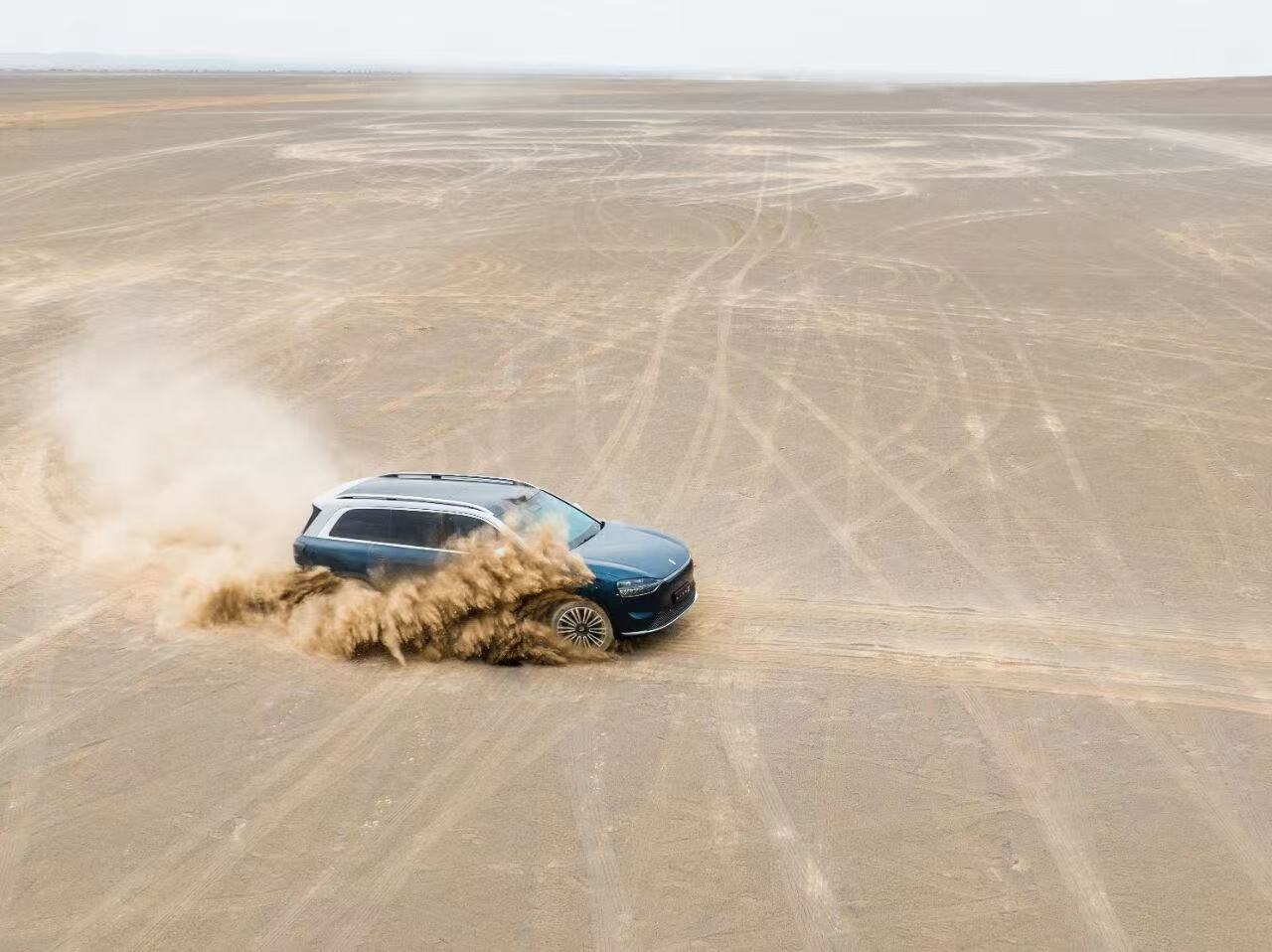
Image source: Seres
At the corporate level, profitability remains tight and competition is fierce. Even if the sales mix improves, the price war hasn't ended. Companies must still balance cost control with product upgrades. In short, rising oil prices improve the demand-side environment, but they don't solve supply-side problems.
Over the long cycle, the replacement of ICE by new energy is driven by technological progress and industrial upgrading. High oil prices simply reinforce the economic logic of that transition. Even without the surge, EV penetration would rise—just more gradually. Right now, that process is being amplified.
Taken together, the 2026 auto market is undergoing a structural rebalancing. Early in the year, ICE vehicles held ground on price while EVs felt the pinch of policy shifts. By March, however, rising oil costs made usage expenses the decisive variable, restoring the edge to new energy.
For the new-energy market, then, this oil surge acts as a "corrective force." It hasn't altered the industry's direction, but at a critical juncture, it has recalibrated the pace. Consumer logic, corporate strategy, and market structure are all shifting—and those shifts are the deeper impact of this price shock.


