



Gasgoo Munich-We often describe China's new-energy vehicle market as a landscape of "one superpower, many strong contenders." In reality, Japanese automakers fit a similar mold. Yet after last year's global market turbulence, the divergence among them has deepened.
With 2025 sales figures and forecasts for fiscal 2025 (April 2025 to March 2026) rolling in, the Japanese camp is undergoing a severe shakeout. In this industry winter, Toyota is barely holding on thanks to its deep technical reserves and financial resilience, while Honda and Nissan are sinking into a quagmire of losses.
The global landscape for Japanese automakers seems to be shifting from "one superpower, many strong" to "one strong, many weak." But fundamentally, whether it's Toyota or its peers, times are tough for everyone.
Far From Ideal
Japan's big three — Toyota, Honda, and Nissan — have all released their fiscal 2025 forecasts, and their operating conditions have clearly diverged.
Toyota, the global sales leader, remains the most stable in the group. In 2025, the Toyota Group (including Daihatsu and Hino) saw global sales climb 4.6% to 11.3 million, securing the top spot for the sixth consecutive year. But volume didn't drive profit: net income for fiscal 2025 is projected at 3.57 trillion yen — a sharp 25% decline from the previous year.
Honda faces a steeper challenge. Its latest forecast revises fiscal 2025 expectations from profit to a net loss of between 420 billion and 690 billion yen. That would mark its first annual net loss since going public in 1957. Data from the first three quarters shows Honda's auto business profitability has eroded significantly, with product competitiveness waning in Asia.
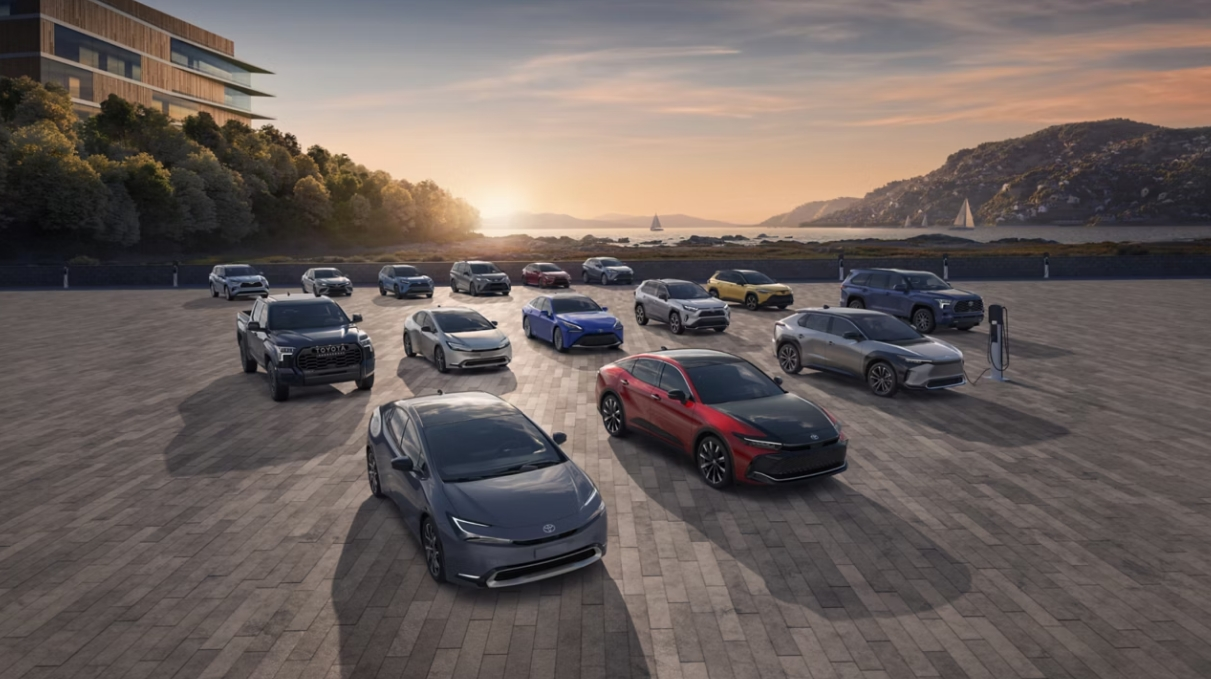
Image Credit: Toyota
Nissan offers little comfort. The company cut its full-year forecast for fiscal 2025 from profit to a net loss of 650 billion yen. In the third quarter, operating profit hit negative 10.1 billion yen, with a net loss of 28.3 billion yen as conditions deteriorated.
Mitsubishi Motors saw fiscal 2025 net profit fall 75.6% to 10 billion yen. Subaru, heavily reliant on the U.S. market, expects consolidated operating profit to drop 63% to 125 billion yen.
Mazda's current fiscal performance has been declining as well. Suzuki projects net profit will fall about 6.3% to roughly 390 billion yen. Data suggests combined net profit for Japan's seven major automakers will drop roughly 35.5% in fiscal 2025, shrinking to around 3.8 trillion yen.
The fiscal 2025 forecasts for Japan's seven automakers share a common trait: revenue is holding up, but profits are broadly under pressure, with some swinging from black to red. In other words, cars are still selling, but the ability to make money is clearly fading.
Nissan is a case in point: its 2025 global sales volume (3.2 million units, a slight 4.4% decline) didn't decline sharply, but mounting cost and expense pressures still pushed it into the red. Honda saw its profit expectations reverse significantly even as revenue stayed flat. Even Toyota is trapped in a "growth without profit" dilemma, with profit volatility widening.
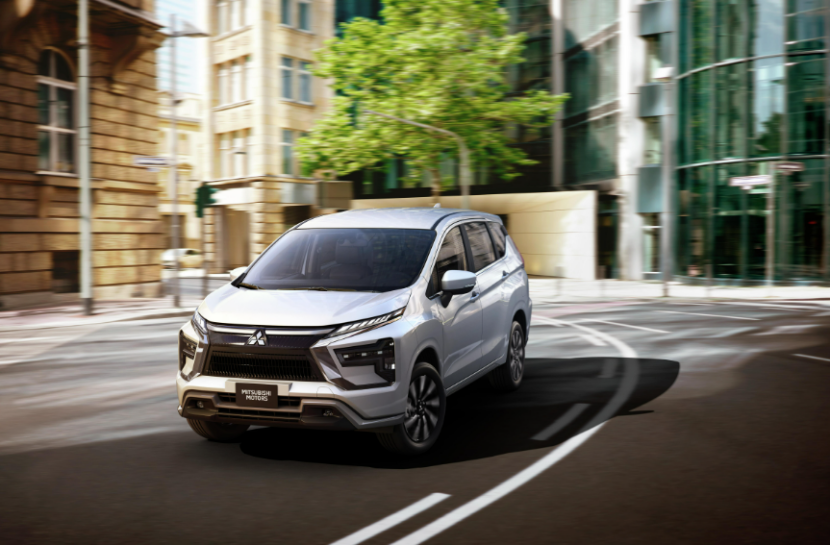
Image Credit: Mitsubishi Motors
This widespread profit squeeze is pushing companies toward conservative strategies. Lowering break-even points, tightening cost controls, and optimizing product mixes have become standard options. Yet this divergence isn't simply a case of the strong getting stronger; it is the result of differing strategic choices, cost-control capabilities, and timing within the same system.
Toyota remains profitable due to its scale and systemic advantages, along with a relatively stable product mix. Honda and Nissan, meanwhile, are absorbing heavier short-term financial pain as they juggle multiple investments and strategic shifts.
How Did It Come to This?
Blaming the current plight of Japanese automakers solely on intensified competition would be inaccurate. They are facing a resonance of internal structural issues and a layered external environment.
The first shock comes from U.S. tariff policy. Last year, tariffs on Japanese cars imported into the U.S. briefly spiked from 2.5% to 27.5% before settling back at 15% — still a massive increase over historical levels. Li Yanwei, an expert committee member at the China Automobile Dealers Association, notes that the U.S. tariff hikes have severely impacted Japanese automakers' export business.
Nissan Patrol; Image Credit: Nissan
Data shows the U.S. accounts for one-third of global sales for Japanese brands. However, because Japanese automakers have local production bases in the U.S., the tariff impact is less severe than for German rivals. Even so, fiscal 2025 results have taken a hit.
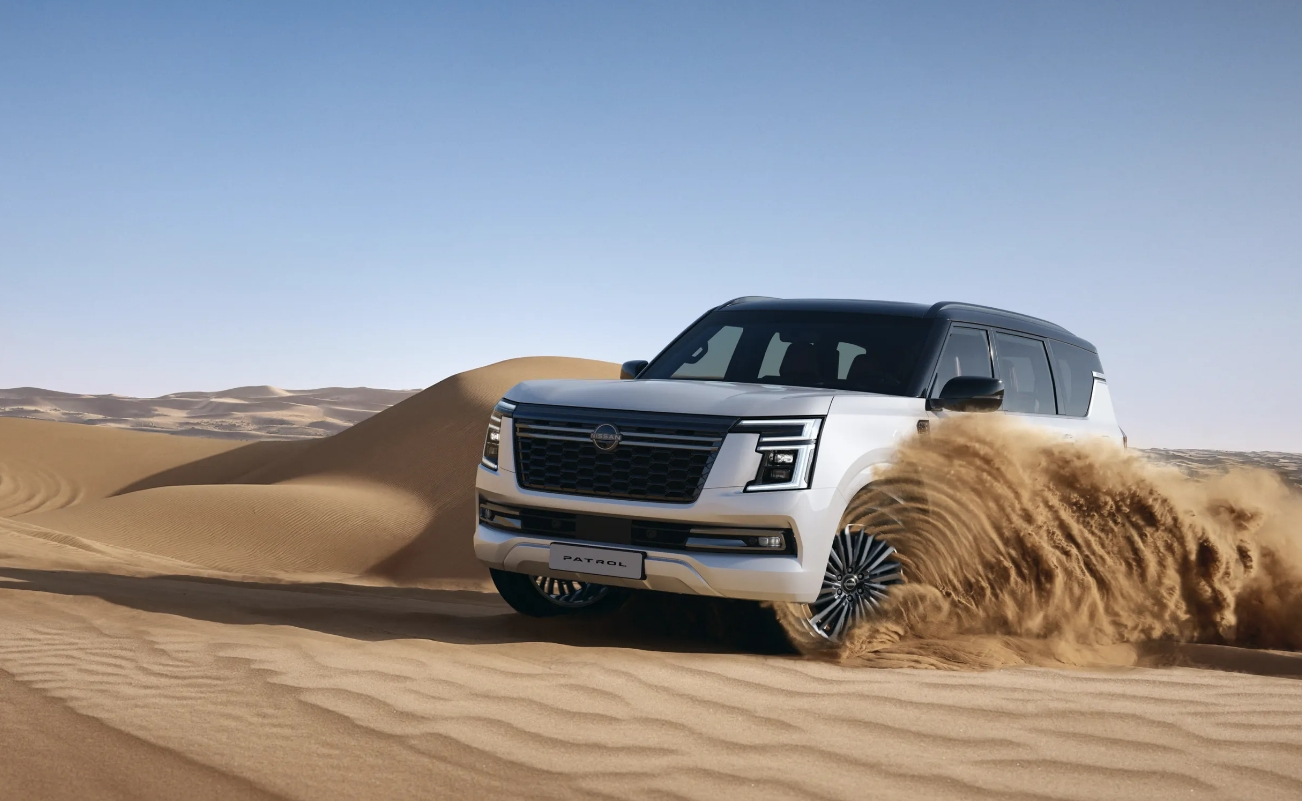
Subaru estimates tariffs will wipe about 210 billion yen off its fiscal 2025 profit. Nissan was forced to restructure its Mexican plant, cutting local output by 31%. Honda was blunt in its earnings report: the U.S. policy shift has dealt a direct blow to its internal combustion and hybrid vehicle businesses.
Running alongside policy factors is a shift in global demand structure. Post-pandemic, car consumption in several mature markets has seen a phased pullback, with replacement cycles lengthening and consumers turning cautious. In Europe and Japan, demographic shifts and slowing economic growth have left little room for demand expansion.
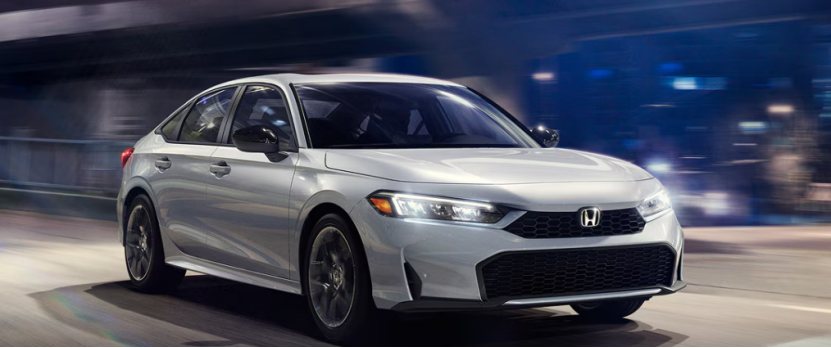
Image Credit: Honda
For automakers that rely on economies of scale, once sales growth stalls and cost-dilution capacity drops, profits naturally come under pressure.
The transition crisis is the deep root of this trouble. Li Yanwei points out that poor sales are also linked to lagging EV investments and the impact of new-energy vehicles on internal combustion sales. Honda tried to catch up in electrification with its Honda 0 Series, but missed the mark. At least in China, Honda's electric models simply aren't selling.
Consequently, Honda is canceling three planned EV models for North America and reassessing its EV strategy, a move expected to incur a total cost of 2.5 trillion yen. Subaru also announced it would delay full mass production of pure EVs, reallocating resources to hybrids and internal combustion engines.
An even more direct blow comes from successive defeats in core markets. In China, the world's largest auto market, Japanese brands are seeing their share rapidly eroded by local players. Consumers prefer Chinese brands with cutting-edge design and smarter technology. The rise of companies like BYD has quickly stripped away the brand premium of Japanese joint ventures.
Mitsubishi and Subaru have all but vanished from China, with Subaru's monthly sales falling to around 100 units. The combined sales of Japan's big three in China fell to about 3.08 million units in 2025, with market share shrinking below 9% — a steep drop from the peak of 23%.
Honda's sales in China have fallen for five straight years, falling 24% in 2025 to 650,000 units — a loss of nearly 1 million units over five years. Nissan has declined for seven years, with sales down nearly 60% from the 2018 peak of 1.56 million. Even Toyota, the most resilient, saw its 2025 China sales contract compared to its 2021 peak.
Adding to the misery, the Japanese traditional backyard — Southeast Asia — is also shaking. Under pressure from Chinese brands, Japan's overall share in Thailand has slipped below 70%. Chinese brands now hold 80% of the country's EV market. In the first three quarters of 2025, Honda's sales in Indonesia fell nearly 30% and fell 12% in Thailand. Mitsubishi Motors admitted in its earnings report that fierce price competition ahead of the expiry of Thailand's EV3.0 policy weighed on regional sales and market share.
Lagging electrification has forced Japanese automakers to absorb dual pressures in the short term: losing ground in traditional markets while failing to build sufficient scale and profitability in the new arena.
On one hand, insufficient pure-electric lineups make it hard to meet shifting demand. On the other, lagging investment in batteries, software, and intelligence has widened the gap with new entrants. And when companies do ramp up EV spending, it inevitably drives up R&D and capital costs, further squeezing profit margins.
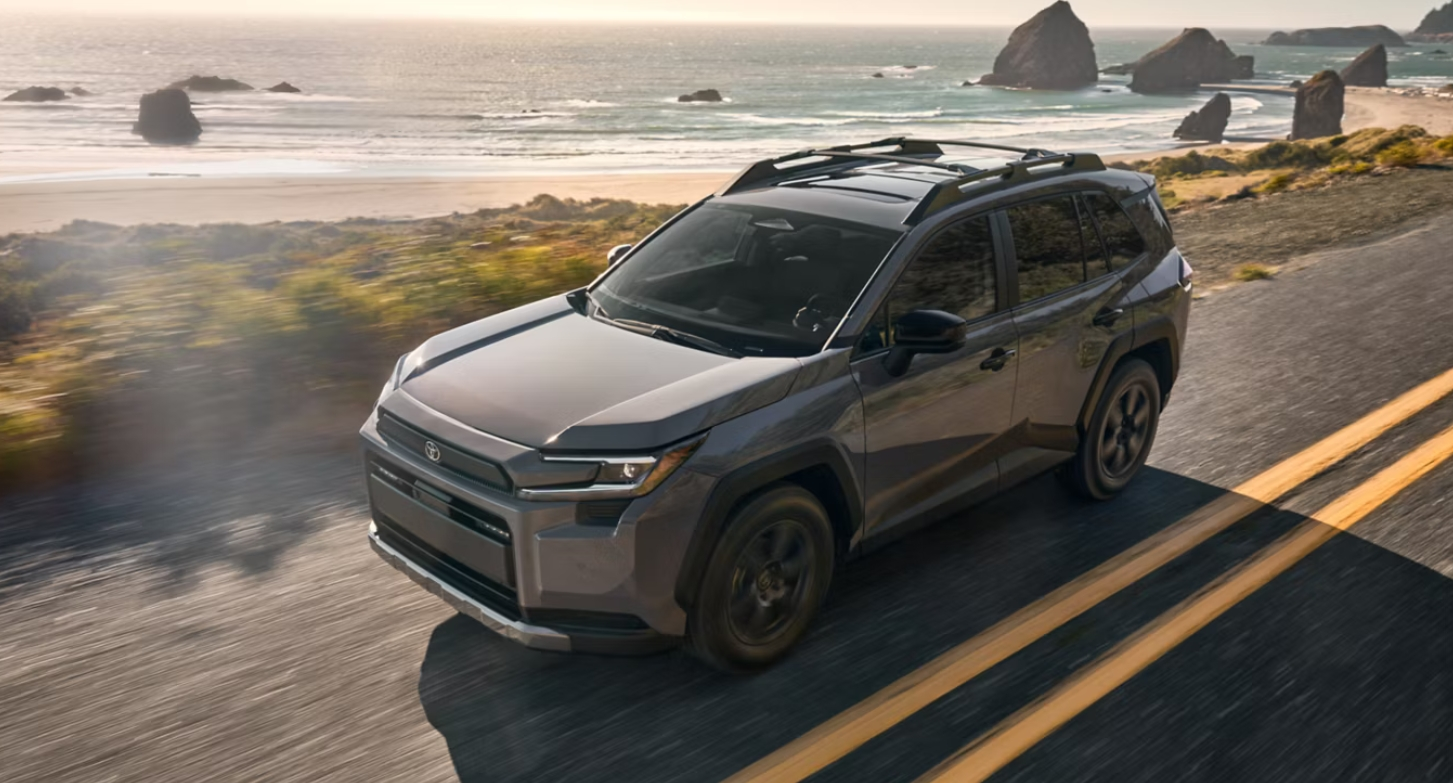
Image Credit: Toyota
Toyota is feeling the pressure too. By comparison, Toyota remains the most resilient player in the Japanese camp. But its position is far from secure.
Beyond tariffs, the multi-path technology strategy championed by former President Koji Sato — investing simultaneously in pure EVs, hybrids, hydrogen, and AI — has stretched the front line and strained finances. R&D spending for fiscal 2025 is expected to hit 1.37 trillion yen. Such heavy investment hasn't translated into returns yet, and it's starting to drag on profit performance.
Regionally, Toyota faces challenges from Chinese automakers as well. In Thailand, Toyota held the top spot with 170,000 units sold in 2025, though volume dipped slightly. BYD, by contrast, rose 53% to break 40,000 units, grabbing third place. Chinese brands now occupy five of the top ten spots in Thailand.
In Indonesia, Toyota holds a 30% share but faces sustained competition from SAIC and BYD. In Europe, Japanese brands were already weak against domestic incumbents; now, under continued pressure from Chinese brands, they are suffering further. Data shows Chinese brands have captured over 7% of the European market.
Against this backdrop, Toyota made an unusual personnel decision in February: Chief Financial Officer Kenta Kon will take over as president on April 1. This is the first time in Toyota's 89-year history that a financial executive has held the top post. Kon, a 35-year Toyota veteran who rose from accounting to CFO and once served as Akio Toyoda's private secretary, is widely seen as the choice to tighten the purse strings.
Kon has made it clear his core mission is to "build an earnings structure that can support investment," stressing that "we must lower the break-even point now to weather market downturns." In short: cut waste and streamline operations to fund future investments.
Is a Nissan-Honda Merger Far Off?
If Toyota is straining, Nissan and Honda are in even deeper trouble.
Nissan has announced a 20% global workforce reduction, the closure of seven plants, and the shutdown of two design centers. Honda is facing its first annual loss since listing, writing down 2.5 trillion yen in its EV strategy and canceling three North American EV models. Behind the numbers lie existential crises for both firms. In this emergency, a question resurfaces: Will Nissan and Honda merge?
Historically, the Japanese auto industry is no stranger to alliances and deep cooperation. Toyota's ecosystem connects Subaru, Mazda, Suzuki, and others through capital and business ties. Nissan also formed a cross-border alliance with Renault and Mitsubishi that, for a long time, delivered resource sharing and scale synergy.
But cooperation between Nissan and Renault has gradually loosened since the Carlos Ghosn affair. The alliance's internal power structure and foundation of trust were shattered, weakening synergies and leaving Nissan isolated in the global system.
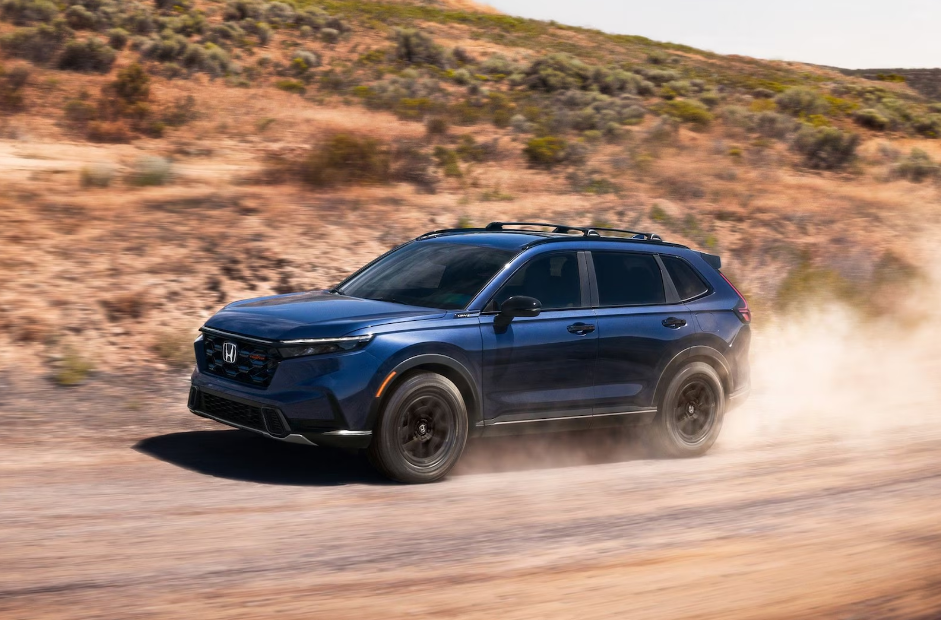
Image Credit: Honda
Discussions on integrating Nissan and Honda entered a substantive phase around 2024. The logic was clear: one side had scale and resources, the other needed external help to boost competitiveness, and integration promised complementarity. But ultimately, the attempt failed.
The core disagreement lay in the method of merger and control arrangements. Honda imposed stricter conditions, seeking greater say after integration. Nissan favored a partnership of equals, unwilling to take a subordinate role. Distinct corporate cultures, decision-making mechanisms, and global layouts made balancing interests difficult, and the plan stalled.
But the premise of those discussions is shifting. Both companies have seen sales slip below the 4 million unit safety line, making it hard to independently absorb the tens of billions of dollars in R&D costs for next-gen EV and intelligent tech. A successful merger creating a super-group of nearly 7 million units would return them to the global top four and restore bargaining power in chip and battery procurement.
In March, Nissan underwent a major management overhaul, with Makoto Uchida's team stepping down. This suggests the historical baggage and personal barriers that once blocked a merger are being cleared away. The new management is no longer bound by past grudges; its decision logic leans toward realism.
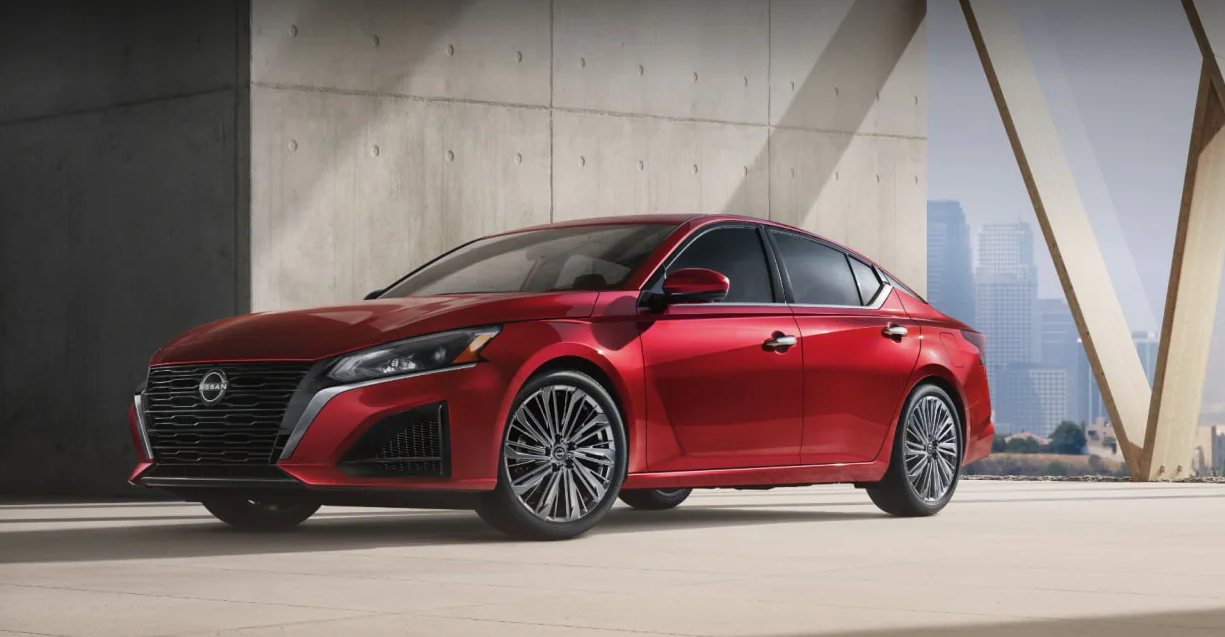
Image Credit: Nissan
Nissan's new CEO, Ivan Espinosa, said in early March that facing severe industry challenges, the company is open to all possibilities, including a total sale.
Honda's stance has shifted subtly as well. Previously, it held the upper hand in talks and could set strict terms. Now, under pressure on resources and strategy, its bargaining position may not be as aggressive.
From a technology perspective, Honda canceled its Zero Series EVs and faces an EV gap. Nissan has accumulated experience in pure EV platforms but lacks top-tier hybrid tech for transition. There is clear room for complementarity.
In China and Southeast Asia, both face the dual dilemma of Chinese brand assaults and overcapacity. A merger would mean integrating sales channels and shutting redundant factories for a defensive consolidation. With the Japanese government pushing industrial integration to counter the rise of Chinese automakers, the likelihood of Nissan and Honda returning to the negotiating table is rising.
Whether they merge, when, and how — these answers remain up in the air. But one thing is certain: two Japanese giants that once fought separate battles in the ICE era are now being pushed by the same wave in the same direction. Whether by choice or necessity, this integration for survival may have only just begun.


