



Gasgoo Munich-The Ministry of Industry and Information Technology (MIIT) has sent a clear signal: it’s time to kick off the next five-year plan.
On April 21, MIIT spokesperson Tao Qing made one thing clear: work on the "15th Five-Year Plan" for intelligent connected new energy vehicles must accelerate. Also fast-tracked is a set of guidelines aimed at boosting innovation in smart equipment.
There is a consensus within the industry: electrification was just the opening act, while intelligence is the main event. From a policy perspective, after years of breakneck expansion, the auto market requires a fresh top-level design for intelligent connected new energy vehicles. The goal is to resolve current bottlenecks and chart a course for the next five years.
The Auto Industry Enters a Policy Shift
For the past five years, the mandate for new energy vehicles was simple: scale up. A mix of policies—including purchase tax exemptions, rural subsidies, and charging infrastructure construction—drove the penetration rate from 13% in 2021 to over 45% in 2025. The strategy worked quickly and effectively, but today, it is running out of steam.
With volume comes new complications. Intelligent driving solutions remain fragmented, with data unable to flow between systems; roadside infrastructure for vehicle-road coordination is patchy; and the industry’s price war has dragged on for years, pushing automakers' profit margins from 8% down to below 3%. Clearly, the old playbook—relying on scale expansion and trading price for market share—is becoming increasingly untenable.
Launching the "15th Five-Year Plan" effectively marks a shift in policy focus. According to Tao Qing, the MIIT will prioritize three key areas moving forward: top-level design, stable operations, and focused R&D.
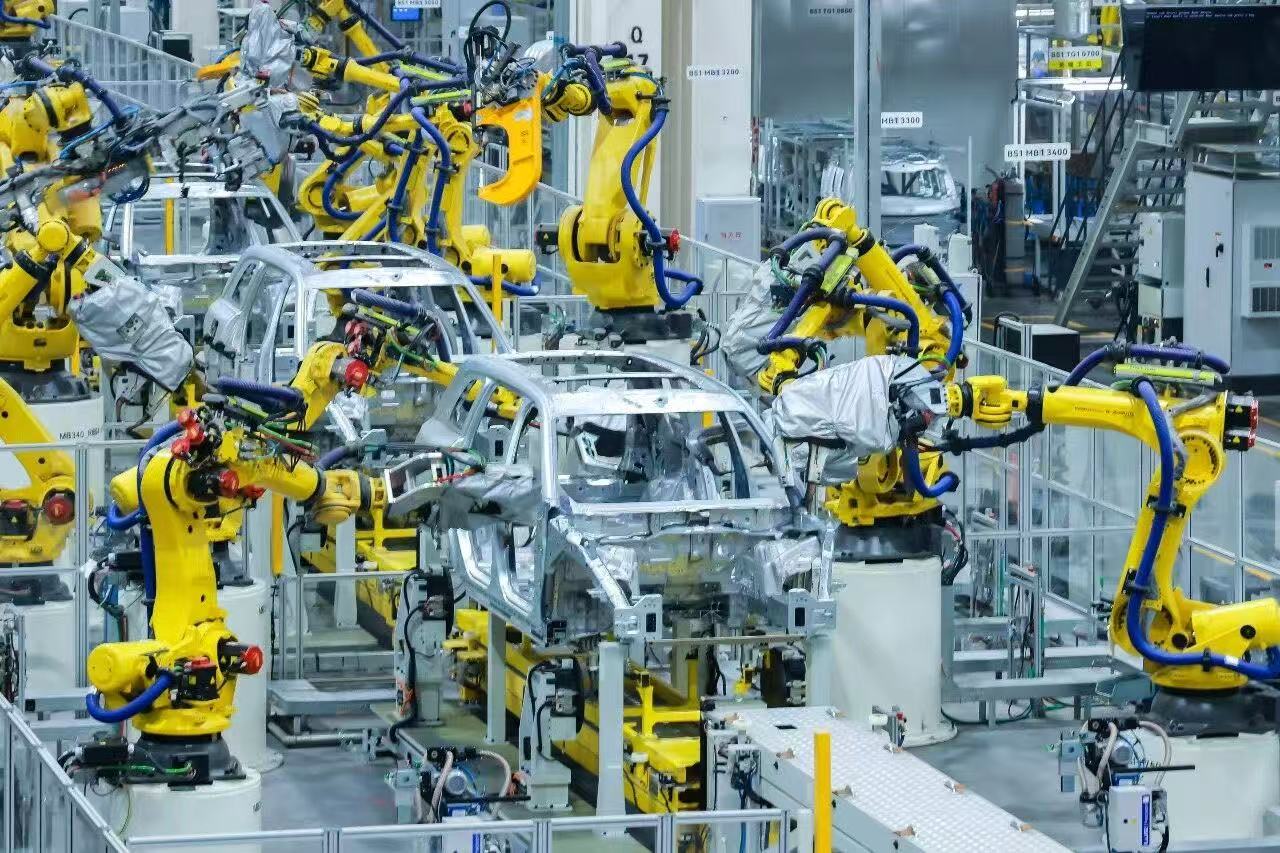
Image Credit: Seres
"Top-level design" takes priority. Specifically, this means accelerating the drafting of the "15th Five-Year Plan" for intelligent connected new energy vehicles and studying the release of guidelines to accelerate smart equipment innovation. It is worth noting that "accelerating drafting" and "studying release" imply these documents are still in the preliminary stages—not yet finalized for implementation.
Why bundle smart equipment with intelligent connected vehicles? Automotive manufacturing is the largest application scenario for high-end smart equipment. Iconic products like all-solid-state batteries, integrated die-casting, and large smart cockpit screens all rely on the backbone of five-axis CNC machine tools, collaborative robots, and precision inspection equipment.
Without advanced equipment, the move toward high-end vehicles is a castle in the air. These two documents are being advanced in tandem because vehicles and equipment must be developed together—you cannot focus on the finish without building the foundation.
Naturally, with the plan still being drafted, there are no official details on specific content or targets. What is certain is that this will not be a short-term stimulus package, but a medium-to-long-term framework spanning 2026 to 2030.
The directional signals are already here.
Stabilize the Current Foundation While Preparing to Tackle the Hard Challenges
A plan may cover five years, but the industry still has to get through today. The MIIT also emphasized the remaining two priorities: stable operations and focused R&D.
"Stable operations" essentially means putting a floor under the market. Tao Qing noted that the government will implement new work plans for stable growth in sectors like machinery, automobiles, and power equipment, while continuing to push for equipment upgrades and vehicle trade-ins. These are practical levers: trade-ins unlock replacement demand, getting ten-year-old cars off the road in favor of new ones, while equipment upgrades drive intelligent transformation on the production side to boost factory efficiency.
Image Credit: Seres
Another phrasing worth noting is the call to "regulate industrial competition order with the spirit of driving nails." The auto industry’s price war has raged for the past two years, leaving many companies struggling. Worse still, exaggerated claims about autonomous driving features and gray-area practices in data security have severely disrupted industry order.
Regulating competition order signals that regulators will intensify oversight of disorderly price cuts, false advertising, and data violations. The intent is not to suppress industry development, but to clear space for healthy competition in the next phase. If companies are locked in mutual attrition within a stagnant market, no one will have the energy or capital left for long-term technological investment.
"Focused R&D," meanwhile, is about building reserves for the future and addressing current technical shortcomings. The MIIT proposes to continue implementing high-quality development actions for key equipment industry chains, strengthening R&D breakthroughs for iconic products and promoting their application.
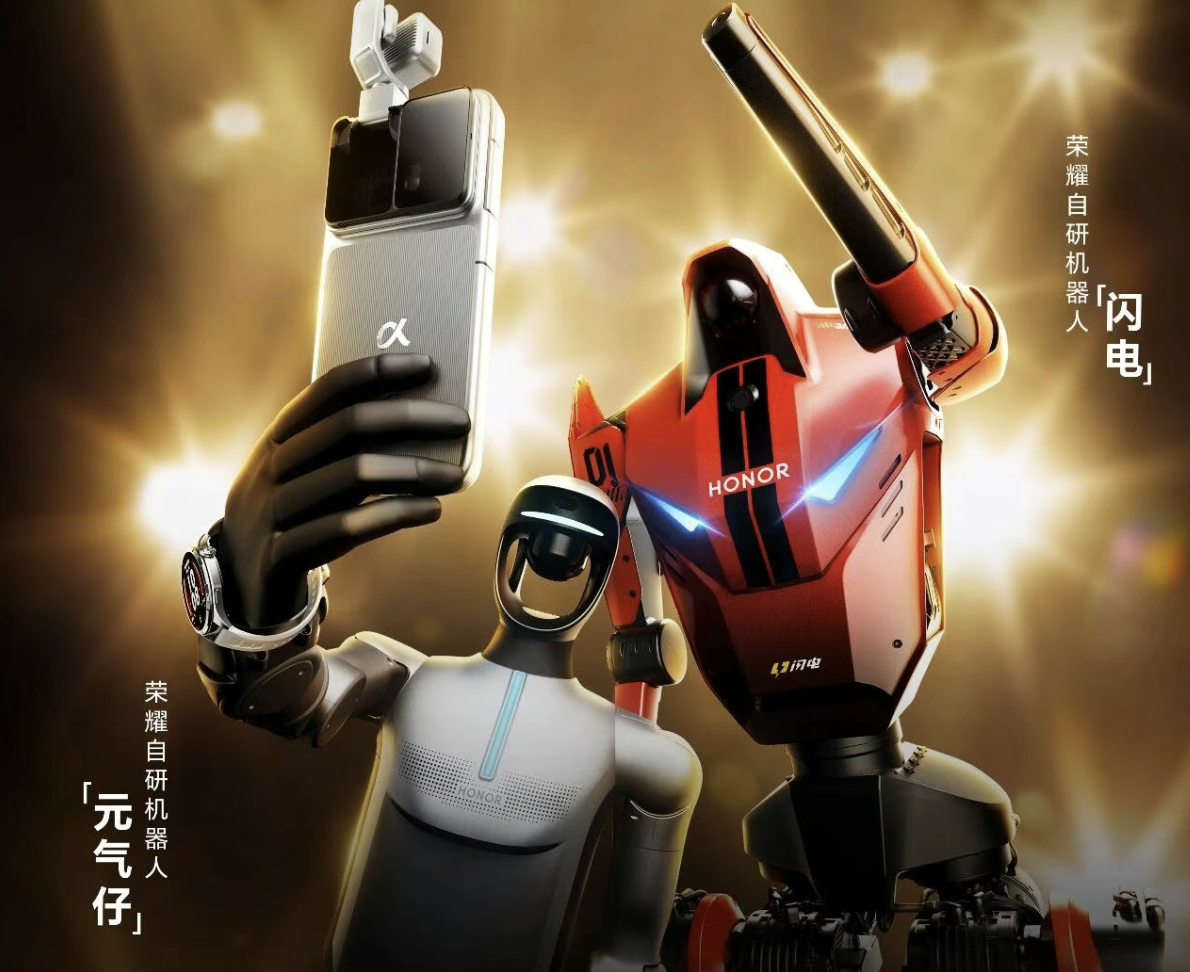
Image Credit: Honor
What counts as an "iconic product"? In the realm of intelligent connected vehicles, all-solid-state batteries, high-level autonomous driving systems, and vehicle-road-cloud integrated terminals are clear targets. In smart equipment, five-axis CNC machine tools, collaborative robots, and industrial metaverse devices are prioritized for breakthroughs. These share a common trait: high technical difficulty, long R&D cycles, and a need for cross-company and cross-field collaboration.
But research alone isn't enough; promoting application is just as critical. In recent years, domestic high-end equipment has often faced a "product without users" dilemma. OEMs have been hesitant to use domestic machinery, fearing that a single day of production line downtime could cost hundreds of thousands. This has deprived domestic equipment of opportunities for real-world iteration, trapping it in a cycle of "no users, no improvements, poor usability."
The signal from the MIIT boils down to one sentence: the rules of the game for the next five years are being prepared, even as specific policies are still being drafted.
For automakers and supply chain firms, this marks the start of a policy window. The plan isn't out yet, but the direction is becoming clear: the era of encouraging blind expansion and price wars is over. The industry is now being steered toward unified technical standards, autonomous core components, and enhanced equipment capabilities.
As work on the "15th Five-Year Plan" progresses, more details will surface. Only those companies that lay the groundwork in R&D and industrial collaboration now will secure a ticket to the second half of the competition.


