



As competition in China's new-energy vehicle market hit a boil in 2025, NIO's entry-level brand Firefly pulled off a reversal. The boutique small all-electric model cracked 40,000 sales in eight months; December 2025 alone reached 7,084 — a record high.
From a sluggish start of just over 2,000 units a month to gradually leading the high-end small EV segment, Firefly's sales arc traces the comeback of a controversial model.
Behind the strong headline numbers lies a journey of sharp contrasts. At launch, Firefly's distinctive look drew ridicule online, even earning an "ugliest small car" tag. Yet within a year, targeted strategy tweaks and the power of NIO's ecosystem turned sentiment around.
What did Firefly get right — and where is its growth ceiling?
A rocky debut
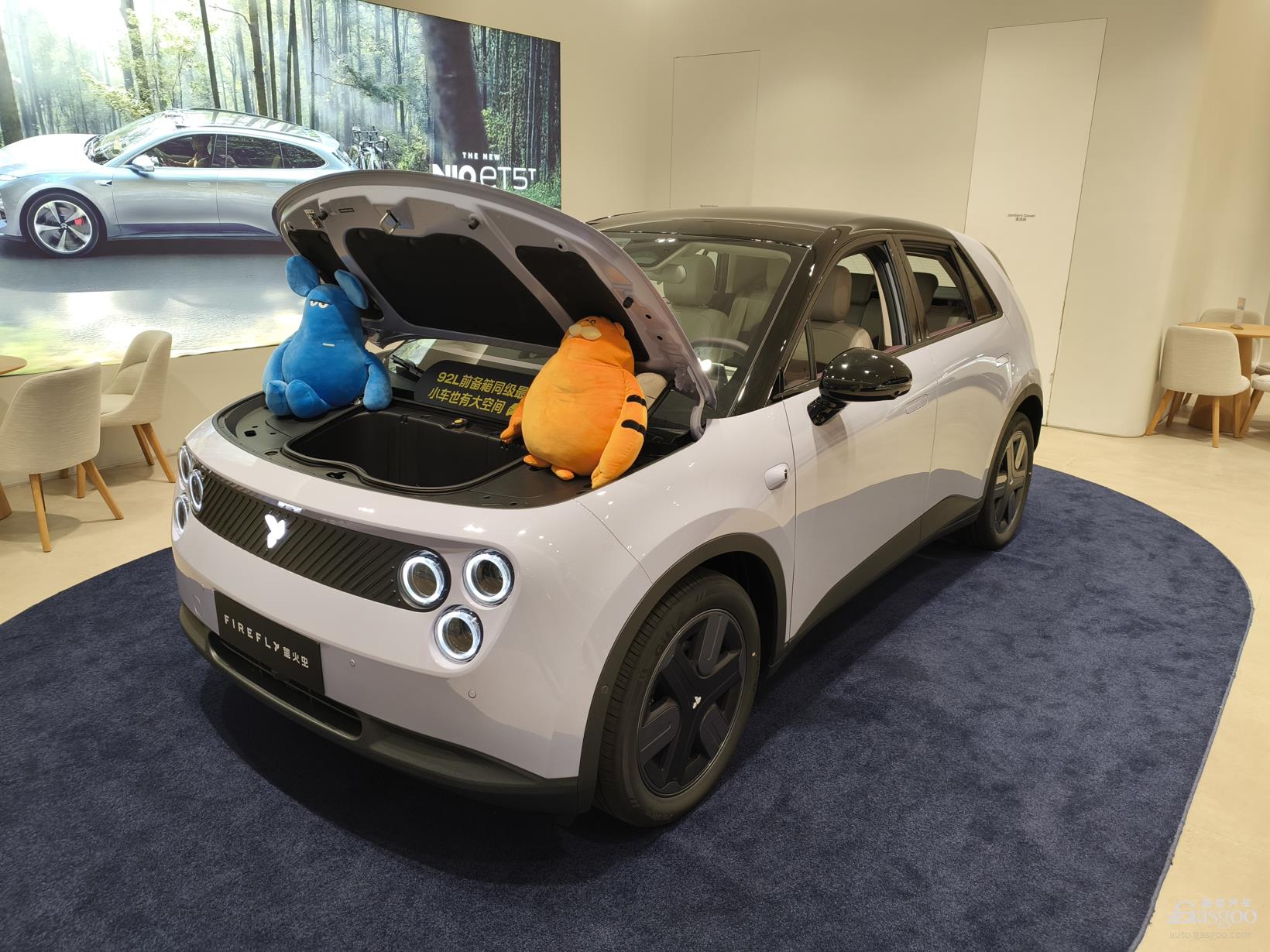
Firefly's early market struggle was seeded by a design dispute. Its original "trio" split headlamp broke from the domestic small-car norm of rounded, cute aesthetics. Critics likened it to insect compound eyes — a stark contrast with the softer lines of BYD's Dolphin and the cutesy look of Geely's Xingyuan.
The look quickly went viral across car circles and social platforms as a national punchline. Some users even launched "ugliest small car" polls, with the topic repeatedly trending.
The controversy traces back to product DNA. Early development focused on Europe, with the Munich-led team following a modern European design philosophy — simple, original, sculptural — intentionally departing from the market's rounded and cute trend.
The team lead once explained: "We want a design language not bound by region or time — it should have its own character".
But once in China, it clashed with local tastes. Buyers of "premium small cars" generally expect one of three directions: MINI's classic retro, Smart's fashionable agility, or the Dolphin's friendly roundness. Firefly's complex light-and-shadow surfacing — especially those highly distinctive lamps — diverged from those expectations.
The backlash showed up in the numbers. At launch, monthly sales fell to barely just over 2,000 units, lagging similarly priced models by a wide margin.
Behind that slump was a dual squeeze in positioning: at 119,800–125,800 yuan, Firefly faced MINI and Smart above, leveraging brand cachet, and Geely Xingyuan and BYD Seagull below, pulling price-sensitive users with value. Firefly struggled to find a clear footing between "luxury" and "practicality".
For budget-limited buyers, similarly priced options offered more space and longer range; for brand-driven users, established luxury badges still appealed. That fuzzy positioning left Firefly stuck between two stools. Even with high-end features, it failed to win over target users, and sales stayed low.
Confronted by negative buzz and weak sales, NIO and the Firefly team chose to hold the line on original design. NIO founder William Li publicly said "the design is fine — no Plan B," joking that "single, double and four rings are taken, so we went with three".
NIO President Qin Lihong backed that stance, calling Firefly's look purely original and arguing that car aesthetics should be diverse — not locked to a single standard.
Firefly President Jin Ge acknowledged, "We knew the styling would be a talking point from day one," but said the team stuck to its brief — European positioning and long-term value — and wouldn't alter core design for short-term noise.
That resolve, while risky, laid the groundwork for a reputation rebound — preserving product distinctiveness and signaling respect for original design, unlike brands that tweak looks just to chase sentiment.
What turned the tide?
The true inflection came in June 2025 with BaaS (Battery-as-a-Service). The plan knocked tens of thousands of yuan off the sticker, dropping the entry price to 79,800 yuan, paired with a 399 yuan monthly battery rental. With local subsidies, bare-car prices in some regions fell below 70,000 yuan — breaking through the psychological price barrier.
To widen appeal, Firefly added a limited-time policy: first owners get a three-year "pay four, get one free" rent deal, cutting the average monthly fee to 319 yuan.
That pricing shift gave Firefly instant bite. A 79,800 yuan starting price lines up with BYD's Dolphin, giving budget-sensitive shoppers a reason to reconsider. And the "pay four, get one" rent works like a stealth discount.
During a visit to a NIO store, a salesperson told a Gasgoo editor: "Buyers now get a purchase-tax subsidy — 2,000 yuan. The earlier 'pay four, get one' rent deal ran for about a year; now it's switched to a direct tax subsidy, which is more tangible for customers. If you choose to buy out the battery, there's a 4,000 yuan incentive — 2,000 yuan in cash and 2,000 yuan offset against purchase tax — plus 300 yuan worth of points and two years of zero interest".
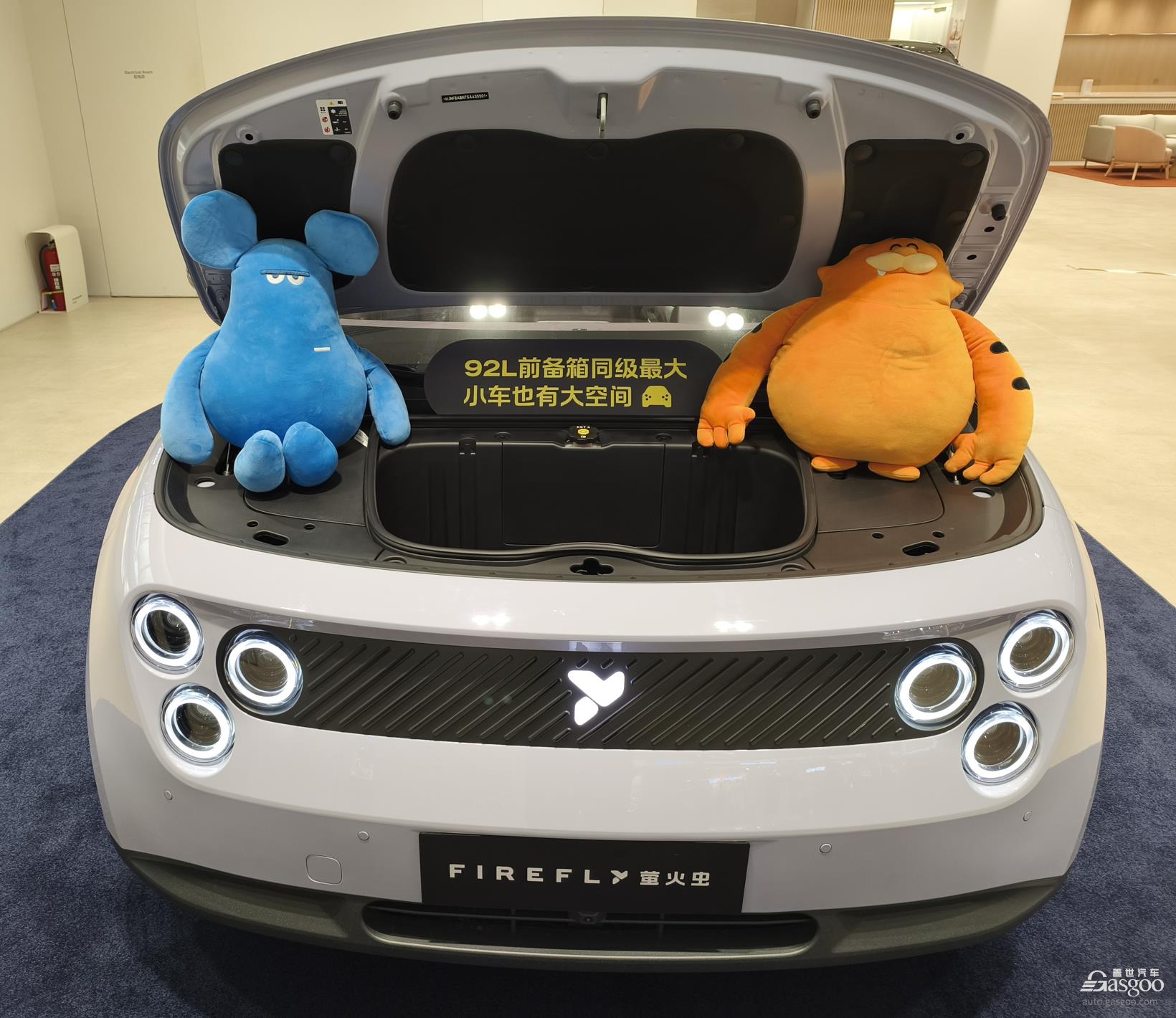
The essence isn't mere discounting. By splitting the battery asset from the car, BaaS eases worries about battery degradation and depreciation, while preserving a boutique product at a broadly accessible price.
For young buyers and families adding a second car, a lower down-payment threshold makes purchase easier, flexible rent reduces financial strain, and NIO retains the battery asset — sparing users the cost of future replacements. The business-model innovation hits core pain points squarely.
If price was the lever, NIO's ecosystem is the anchor — the reason Firefly can keep users once they're in.
On energy replenishment, NIO said Firefly will fully connect to NIO's fifth-generation battery-swap stations, with full integration by early 2026, sharing NIO's "charge, swap, upgrade" capabilities. Under the plan, NIO will build at least 1,000 fifth-gen swap stations in 2026, covering all three brands.
Beyond energy, Firefly users can tap NIO's 400-store sales network and delivery centers — enabling faster service response.
A salesperson added: "Firefly supports both fast and slow charging, and can use all NIO charging facilities. Later on, you can swap at NIO's fifth-generation stations; rollout started this year".
The sentiment swing crystallized at the 2025 Shanghai auto show. Many had judged the look from photos and videos; up close, proportions felt right, and the layered, recognizable 'trio' lamps impressed more than images suggested. The quirky shape gained acceptance — even the "ugly-cute" label. Some owners said the design "grows on you," becoming a marker of identity in a highly homogenized small-car market.
Owner-driven subcultures amplified the goodwill. Many customized the rally-style front auxiliary lamps, creating a niche trend that helped cancel out early negative noise.
Winning through differentiation
Firefly's comeback is, at its core, a win for differentiated positioning. While sub-100,000 yuan small cars descended into value-for-money wars, Firefly avoided the space-and-range slog and set its 110,000–130,000 yuan edge on design, perceived quality and smart experience.
Two dominant paths define China's small EV market: the extreme value route led by the Wuling Hongguang Mini EV at 30,000–50,000 yuan for basic commuting; and the "balanced all-rounder" route represented by BYD's Dolphin and ORA Good Cat at 80,000–130,000 yuan — trading space, range, design and intelligence for family use.
Firefly chose a less-traveled line: at 100,000–130,000 yuan, not a "water bucket" car, but a "boutique". That meant willingly giving up some balance to push excellence in select dimensions.
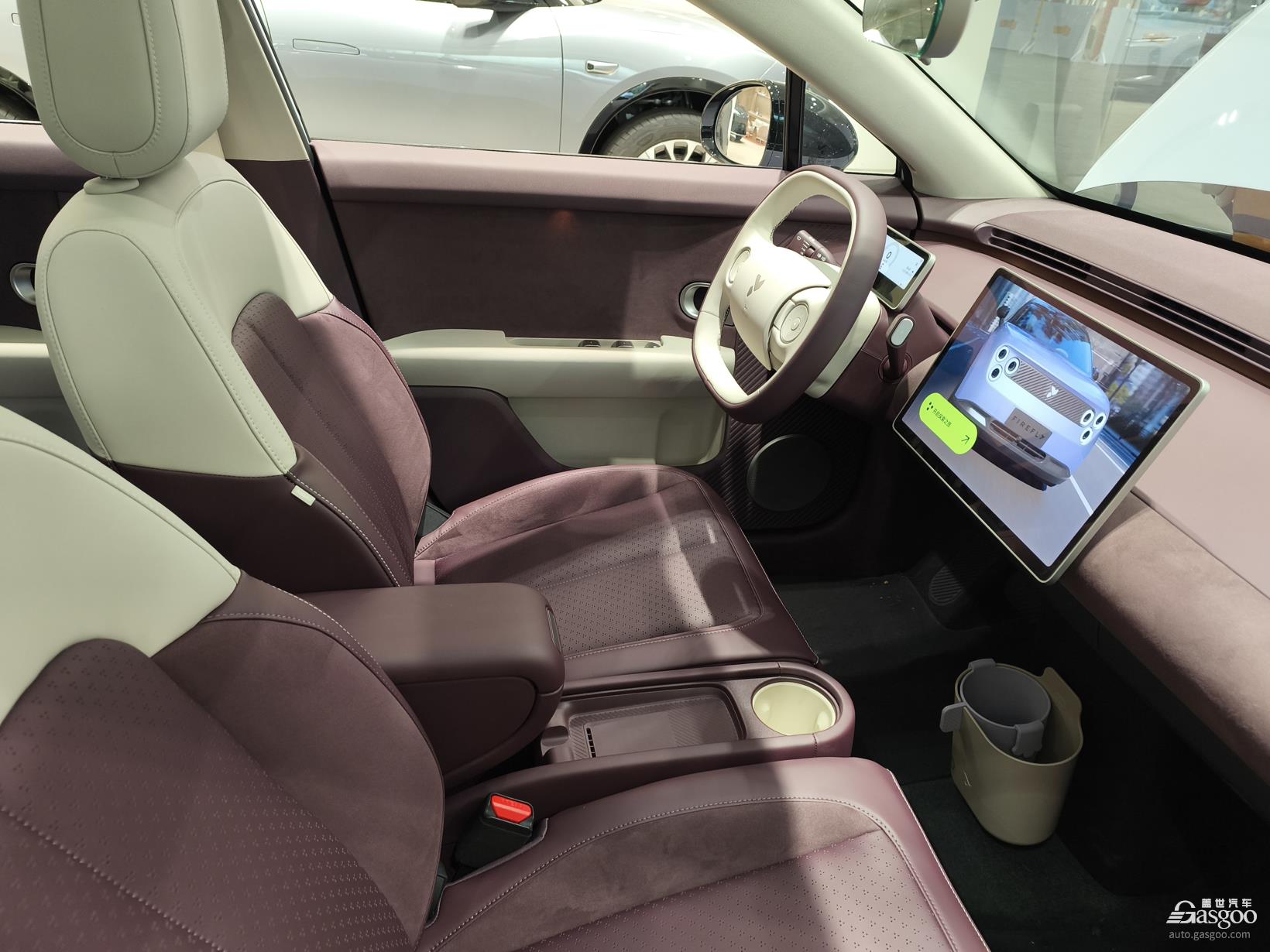
For example, a 13.2-inch 2.5K center screen, 14 speakers and 9 airbags. The car also carries an intelligent driver-assistance system backed by 24 sensing units and a chip delivering 128 TOPS.
A NIO store salesperson elaborated: "Firefly includes highway pilot assist and 50-watt wireless fast charging across the range. Seat materials: the top trim uses suede-like fabric with good breathability; the mid trim uses cloth. The high trim adds front-row manual adjustment, seat heating and ventilation — the mid trim doesn't have those; the price gap is 6,000 yuan. Tires are 18-inch, it's rear-wheel drive, and it feels more composed than front-wheel drive".
That "small yet refined" logic resonates with young buyers who aren't price-sensitive, but care about quality and individuality.
Differentiation let Firefly punch above its weight in luxury small EVs. In December 2025, sales topped 7,000 units; full-year surpassed 40,000 — leading the segment, far ahead of the electric MINI and Smart.
For younger shoppers eyeing MINI or Smart but constrained by budget, Firefly preserves brand vibe and design while lowering the entry bar; for families focused on service, its replenishment convenience and after-sales setup beat traditional luxury small cars.
By reading the niche well, Firefly opened a lane between luxury and mass, outpacing traditional luxury small EVs on volume.
The speed of deliveries validates demand for "boutique small cars". It took 99 days to reach 10,000 deliveries; going from 20,000 to 30,000 took just 56 days. The jump in delivery efficiency reflects both a maturing supply chain and a burst of market demand.
A salesperson echoed the momentum: "Firefly sells well in the A-class market — nationwide deliveries run around 6,000 units a month. Last year, one store could sell 30–40 cars in a week. This year, sales rhythm is slightly affected by purchase-tax policy changes, but interest remains strong".
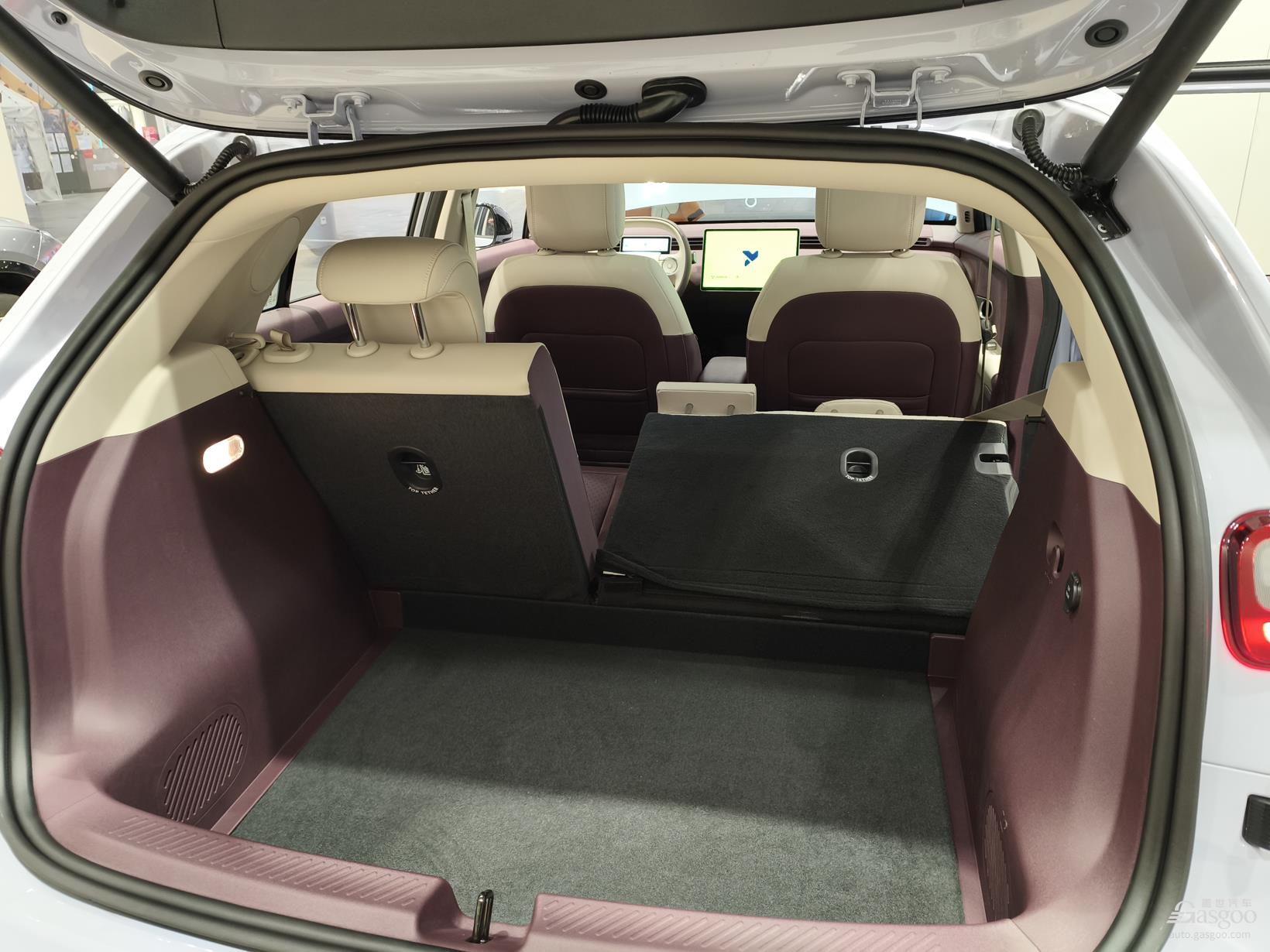
A more optimized user mix further proves the model. Firefly chiefly draws two core groups: quality-seeking young buyers on tight budgets — such as recent graduates who like NIO's brand tone and see Firefly as a gateway to the ecosystem; and family add-on buyers who want an easy-to-drive, easy-to-park, smart city commuter. Firefly's boutique attributes and service advantages fit both.
Broadening that base not only lifts Firefly's sales, it expands NIO's user pool and lays the foundation for brand downmarket expansion.
In 2026, Firefly still has battles to fight
For Firefly, full integration into the swap network in early 2026 is the key variable that will define its growth ceiling. So far, sales traction rests on BaaS pricing and product feel; its sharpest differentiator — swapping — hasn't fully been unleashed.
NIO plans at least 1,000 fifth-generation swap stations in 2026, serving NIO's mainline models, Firefly and an upcoming second sub-brand. For Firefly users, full swap access should eliminate small EV range anxiety and make replenishment vastly more convenient.
Potential challenges are real. Swap-station construction and operations are costly and require sufficient user scale to spread fixed costs. Whether Firefly can keep scaling will directly affect swap-station ROI.
As more swap-capable models arrive, queues may form, hurting the experience. NIO will need precise station planning and battery stock management to balance demand across brands.
Even so, full swap integration elevates Firefly's edge from "product strength" to "ecosystem strength". Buyers will be choosing not just a car, but a complete electric-mobility solution.
Overseas markets are another key growth engine. Firefly has entered the Netherlands, Norway, Belgium and Denmark, and plans to expand to 17 markets across Europe, North America and Southeast Asia. A right-hand-drive version debuted at the Guangzhou auto show and is set to reach Singapore and Thailand.
That progress owes much to its Europe-first product DNA — a honed chassis, dimensions suited to tighter roads, and a minimalist, original aesthetic — all aligned with European use cases.
Competition, meanwhile, is intensifying: Volkswagen's ID. Polo, Kia's EV2 and Renault's new all-electric Twingo are due to launch. Firefly will need differentiated swapping and NIO's ecosystem advantages to gain a foothold abroad and open a second growth curve.
Firefly's comeback happened in a specific market window — and that window is closing fast. In 2026, China's NEV market is set for another reshuffle, and Firefly will face multiple tests.
First, tougher technical standards. China will implement stricter national EV energy-consumption rules in 2026, raising efficiency requirements. Solid-state batteries may begin low-volume production, promising leaps in range and safety. Firefly's 400V platform and LFP battery may start to look dated; NIO needs to accelerate Firefly's move to 800V to preserve a technology lead.
A salesperson also flagged iteration risks: "We're on a 400-volt platform now. If we move to 800-volt in the future, costs will rise and prices may tick up".
Second, rival pushback. BYD plans a next-generation Dolphin in 2026 with across-the-board upgrades. Geely's Xingyuan is prepping a high-performance trim focused on sportier dynamics. Those moves will test whether Firefly's differentiation is robust enough.
To meet those challenges, Firefly needs a multi-pronged approach: accelerate intelligent feature updates — especially city NOA (navigation on autopilot) — to turn assisted-driving advantages into selling points; and add derivatives such as performance and crossover variants to enrich the lineup.
Most importantly, Firefly must stick to its boutique positioning and avoid spec inflation and price wars. Its success came from taking an unconventional path; its future depends on delivering distinctive value while NIO finds the balance among cost control, supply-chain discipline and user-experience innovation.


