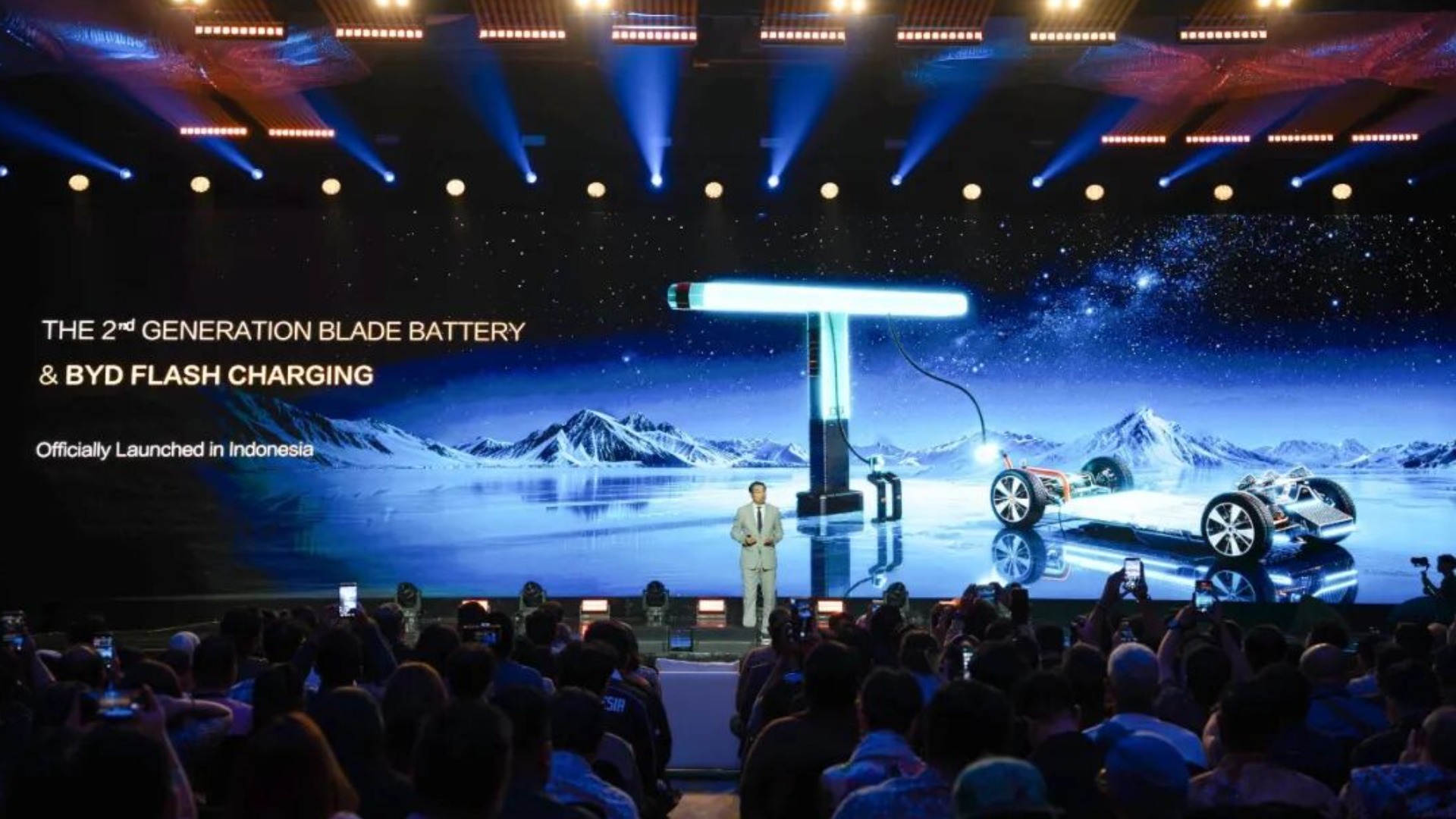
Gasgoo Munich-For under 100,000 yuan, buyers can now purchase a pure electric vehicle equipped with a semi-solid-state battery, CTB (cell-to-body) integration, 0-100 km/h acceleration in 7.2 seconds, highway NOA, intelligent parking, over 437 km of range, and a high-speed blowout stability system. A few years ago, this was impossible. In today's intensely competitive industry, MG has made this a reality in a production vehicle.
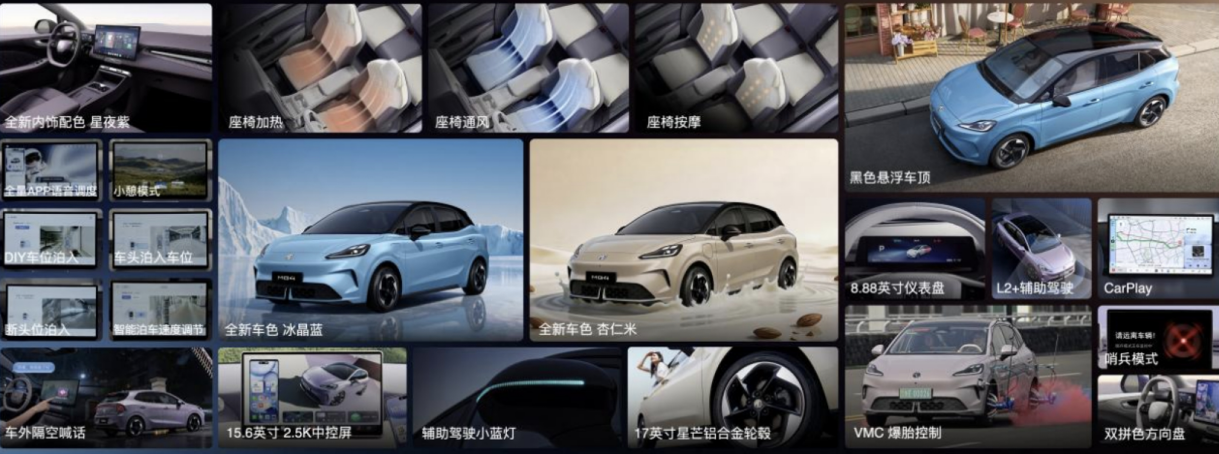
Image Source: MG
The 2026 MG4 officially launched with six variants during the 2026 Beijing Auto Show. With a limited-time subsidy price ranging from 65,800 to 99,800 yuan, it pushes both segment-leading specifications and price competition to the limit. Notably, the semi-solid-state battery—often viewed by the industry as "future technology"—has been equipped in a vehicle costing under 100,000 yuan for the first time. This is not a simple annual refresh; it marks a critical evolution for the compact EV market from "adequate" to "practical," and now to "segment-leading."
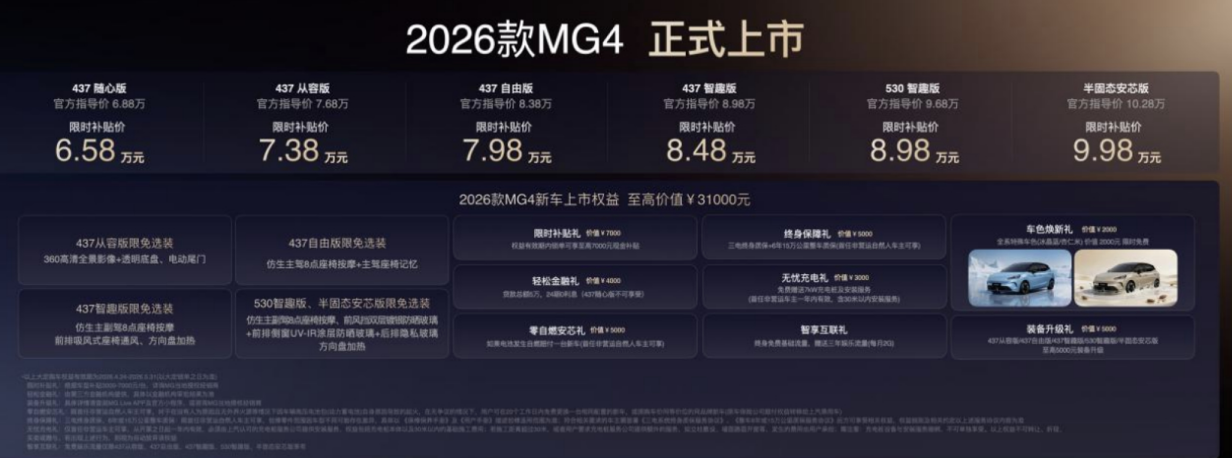
Image Source: MG
The 2026 MG4 is just the beginning of MG's major product year. Next, the MG4 family SUV—the MG 4X—and the all-new new-energy coupe MG 07, will debut sequentially. Both will continue to focus on high value-for-money and comprehensive high-tech features.
MG has long reported significant overseas sales figures, but its presence in the domestic new-energy market has been relatively weak; the MG4 even experienced a decline after its initial launch. The turning point came in August 2025. With the introduction of new models, the MG4 found an inflection point in the domestic market, with monthly sales climbing steadily to exceed 14,000 units. Can the newly launched 2026 MG4, along with the upcoming MG4X and MG07, sustain this growth? What new strategic considerations is MG applying to product definition, marketing tactics, and global layout?
Recently, Zhang Liang (Deputy General Manager of SAIC Passenger Vehicle and General Manager of SAIC Passenger Vehicle Sales Company), Shao Jingfeng (Chief Designer of SAIC Innovation R&D Academy and General Manager of SAIC UK Technical Centre), and Chen Cui (General Manager of SAIC MG Brand Division) provided in-depth explanations during a media interview.
Beyond Adding Features: MG4’s "Responsive" Upgrades
In Zhang Liang’s view, the MG4’s ability to break through the 10,000-unit monthly sales barrier in the A-segment pure EV market relies not on simply stacking specifications, but on two key strengths: deeply understanding users and leading with technology.
Who are the users? One group is mothers who already own a German luxury car and want a second vehicle for commuting—it needs to be small, easy to drive, and agile, yet space, quality, and safety cannot be compromised. The other group is young car enthusiasts who are accustomed to driving quality family cars and understand handling, build quality, and a premium experience. They are not looking for low-cost goods; they want premium features at a reasonable price.
How does the MG4 satisfy them? Zhang Liang pointed to the "formula": trend-focused design plus technology leadership. He cited the example that when the MG4 first launched, the purple paint variant accounted for 60% of sales—a rarity in the industry. This confirms MG’s precise grasp on trends and shows that in this segment, users’ willingness to pay for "good looks" far exceeds industry expectations. Technologically, it is even more uncompromising: semi-solid-state batteries, CTB body-battery integration, and integrated thermal management are either unique in the segment or industry-leading. "Users do not want to buy obsolete cars; they want to buy cars that are ahead of the curve," Zhang said.
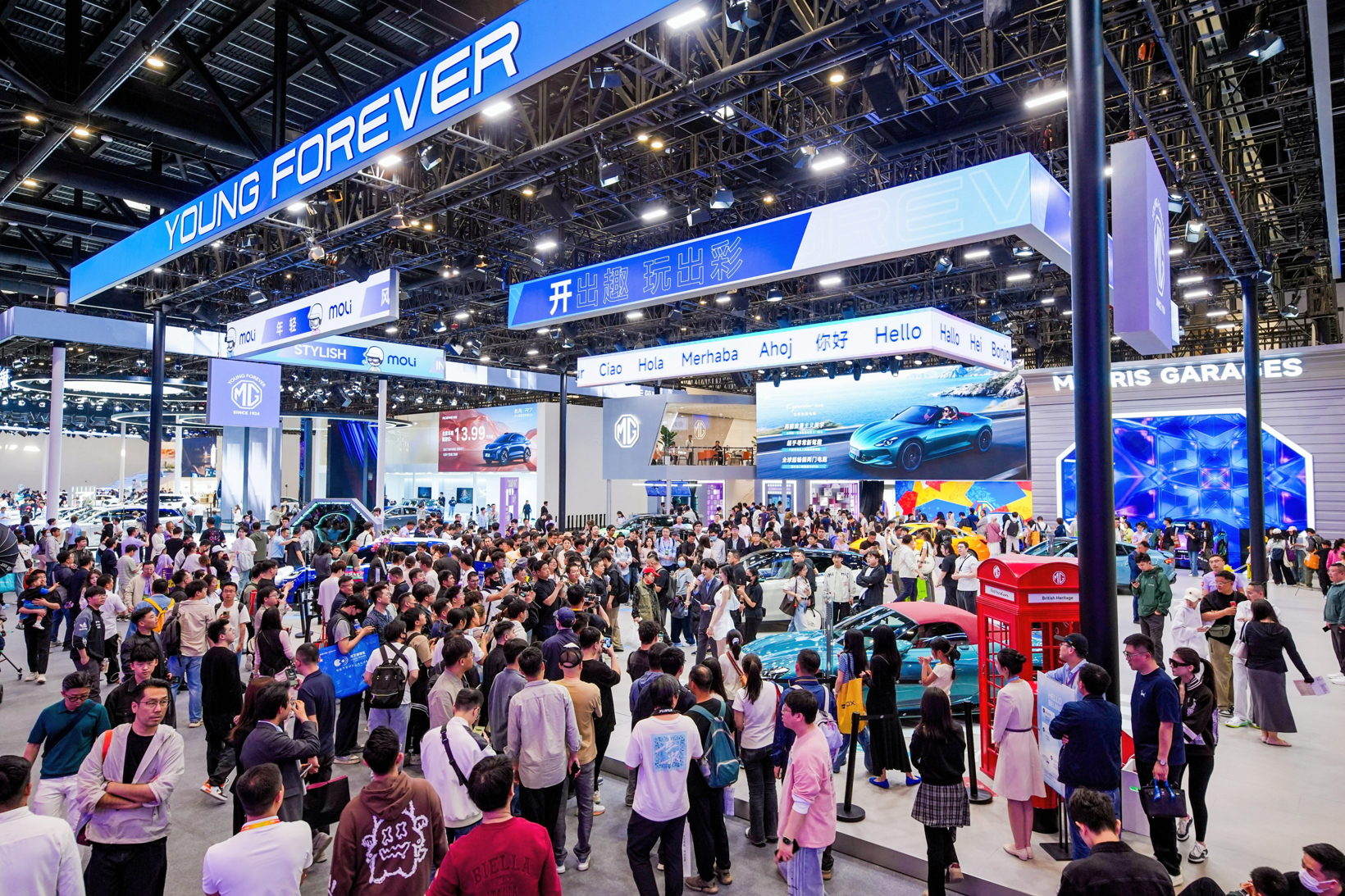
Image Source: MG
For the 2026 model, the MG4 has adopted the approach of "responsive upgrades." Chen Cui emphasized that this is not about passively adjusting specifications, but about "fully delivering" the configurations and experiences users care about most: two new colors, Ice Crystal Blue and Almond Beige, paired with a new black floating roof and 17-inch star-spoke aluminum alloy wheels; an art collaboration with avant-garde pop artist Jacky Tsai and a co-creation with the Lu Xun Academy of Fine Arts (one of China’s top eight art academies) to transform the MG4 from a commuting tool into a fashion item; front seats fully equipped with heating, ventilation, massage, and memory functions to reduce fatigue on long drives; an 8.88-inch driver display and a 15.6-inch 2.5K ultra-clear central screen forming a dual-screen setup, paired with wireless CarPlay for connectivity; and a comprehensively upgraded intelligent driving assistance experience, adding practical scenarios like nose-in parking, DIY custom parking, and dead-end parking, making parking easier in various road conditions.
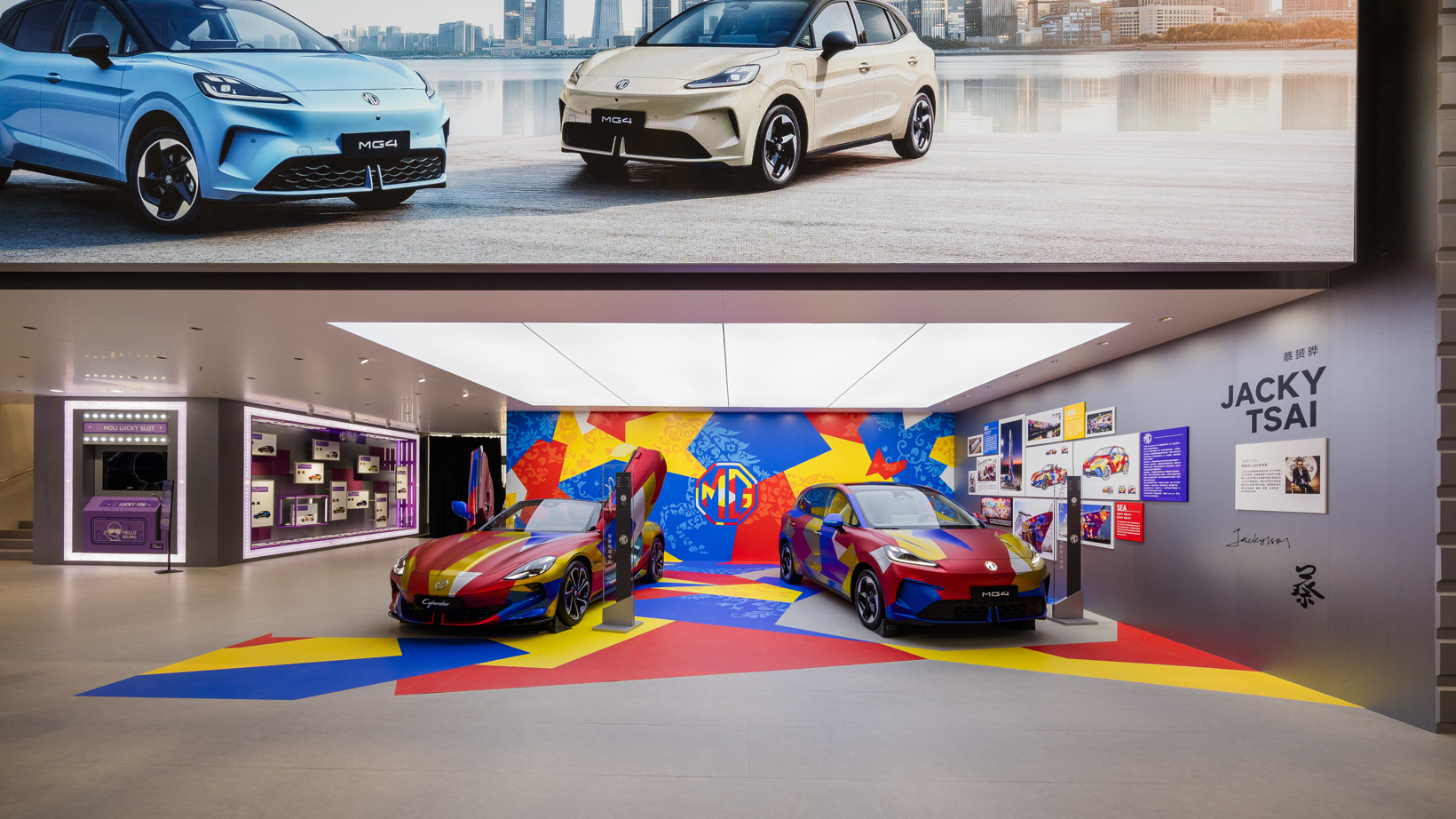
Image Source: MG
"Over the past year, we found the right users, and they gave us many suggestions. Today, we are incorporating those suggestions as product features," Chen Cui said.
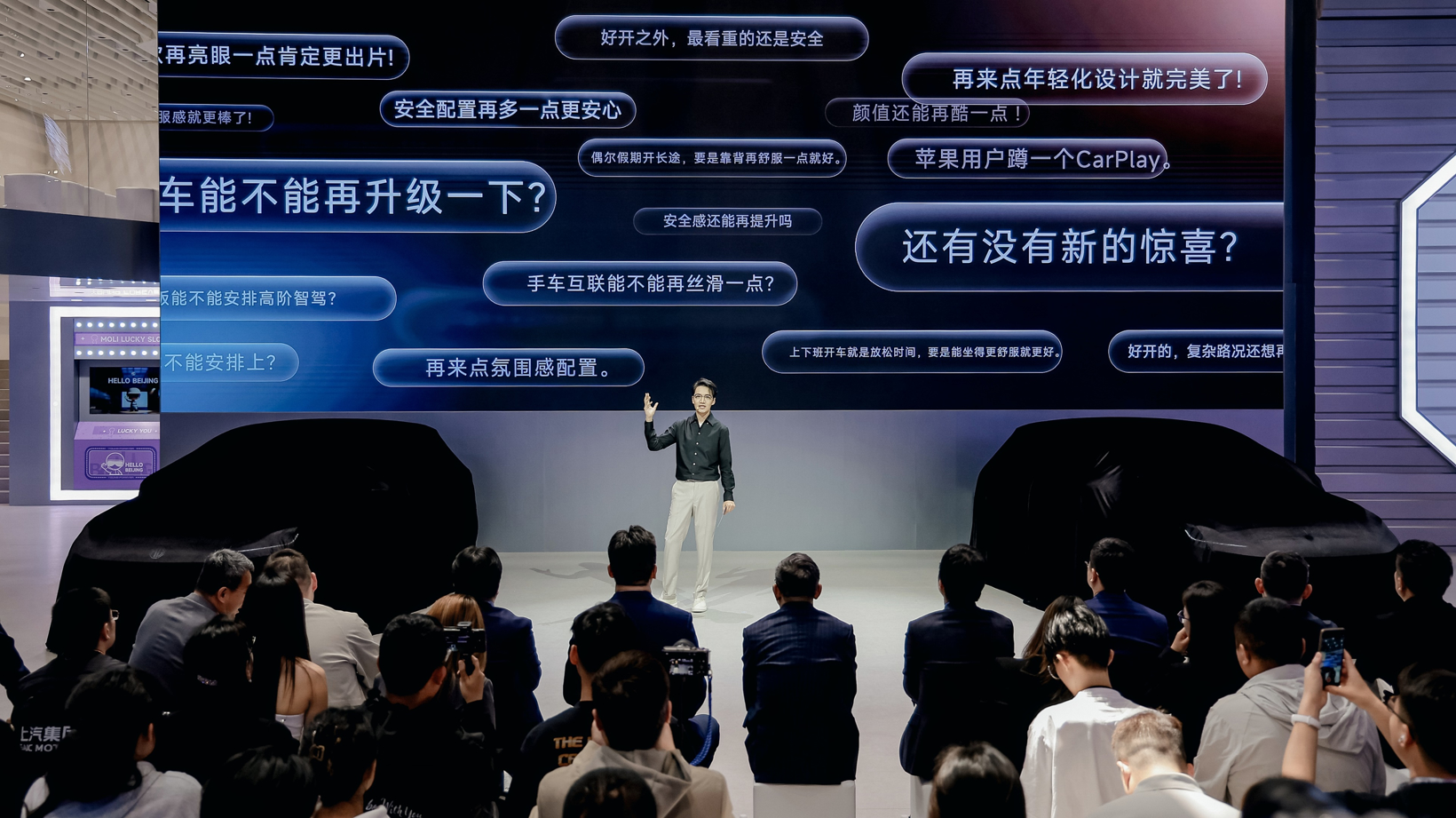
Image Source: MG
Viewed individually, none of these upgrades seem significant. However, combined with the price adjustment, the equation changes entirely. The effect was quickly reflected in the market—Chen Cui revealed that the limited run of 1,000 "Insta360 collaboration flash sale" units launched on the day of the 2026 MG4's debut sold out in 1 minute and 58 seconds. This was not driven by a marketing campaign, but by the product's strength.
When "future technologies" like semi-solid-state batteries, highway NOA, and CTB integration—once found only on the specification sheets of 300,000+ yuan vehicles—move to commuter cars with a starting price of 65,800 yuan, we are seeing not just a product strategy adjustment by MG, but an industry inflection point. The competition in electrification is shifting from "who can introduce new technology first" to "who can make new technology accessible to everyone first."
Roadmap to Technology Democratization: From Single Success to Product Matrix Expansion
The 2026 MG4 is just the beginning. Zhang Liang stated clearly during a group interview that this year is MG's "major product year." Two upcoming models are worth close attention: the MG4X and the MG07.
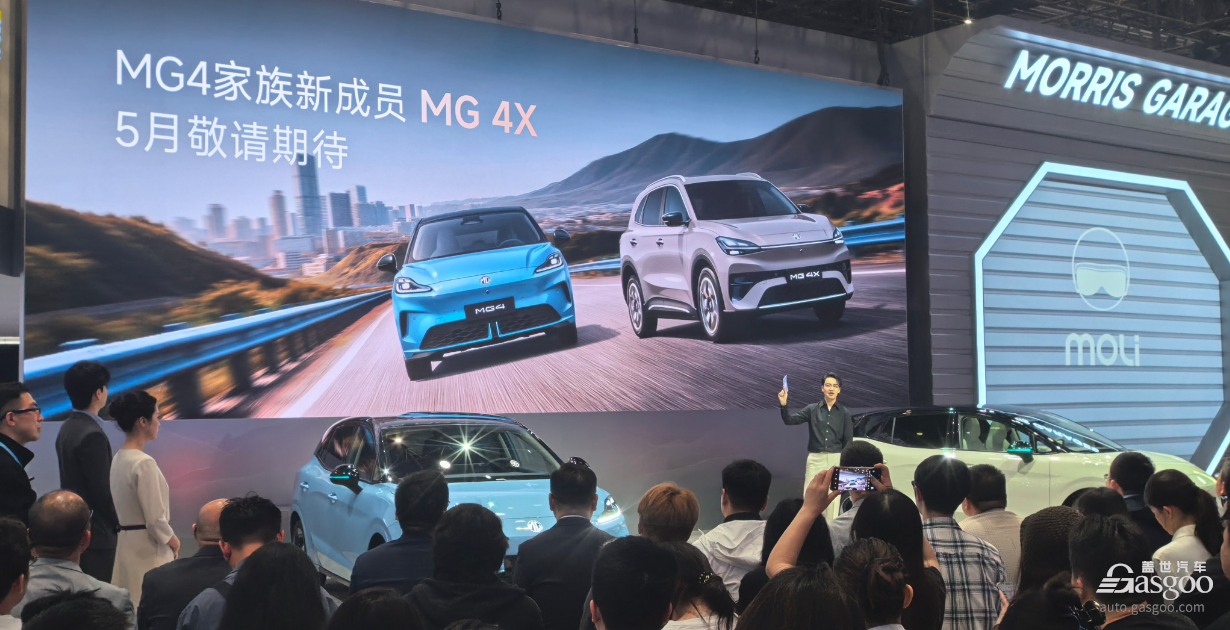
The positioning of the MG 4X is clear—the first pure electric SUV in the MG 4 family, targeting young families. Its strategy continues the MG 4's "technology democratization" philosophy: a semi-solid-state battery is standard on the entry-level version; the 100,000-yuan tier offers rear-wheel drive with a five-link suspension and 510 km of range; and the 110,000-yuan tier upgrades to a CATL battery and 610 km of range.
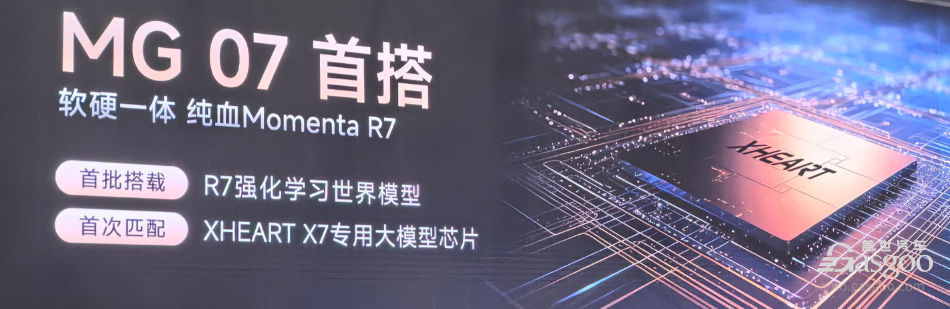
The other model, the MG07, represents a completely different segment. It is a coupe set to debut in the second quarter of this year, becoming the first to feature the Momenta R7 reinforcement learning world model, bringing a 300,000-yuan level intelligent driving experience to vehicles under 200,000 yuan. Zhang Liang used vague language to describe it—"It has everything you can imagine a coupe should have"—while Shao Jingfeng offered more specific expectations from a design perspective.
Shao Jingfeng shared an insight during the interview. He believes the biggest problem facing automotive design today is homogenization. "Low-slung shapes, continuous light bars—everyone’s basic strategy is the same." The MG07’s mission is to reactivate MG’s unique design DNA from its century-long history in the new energy era, rather than following trends.
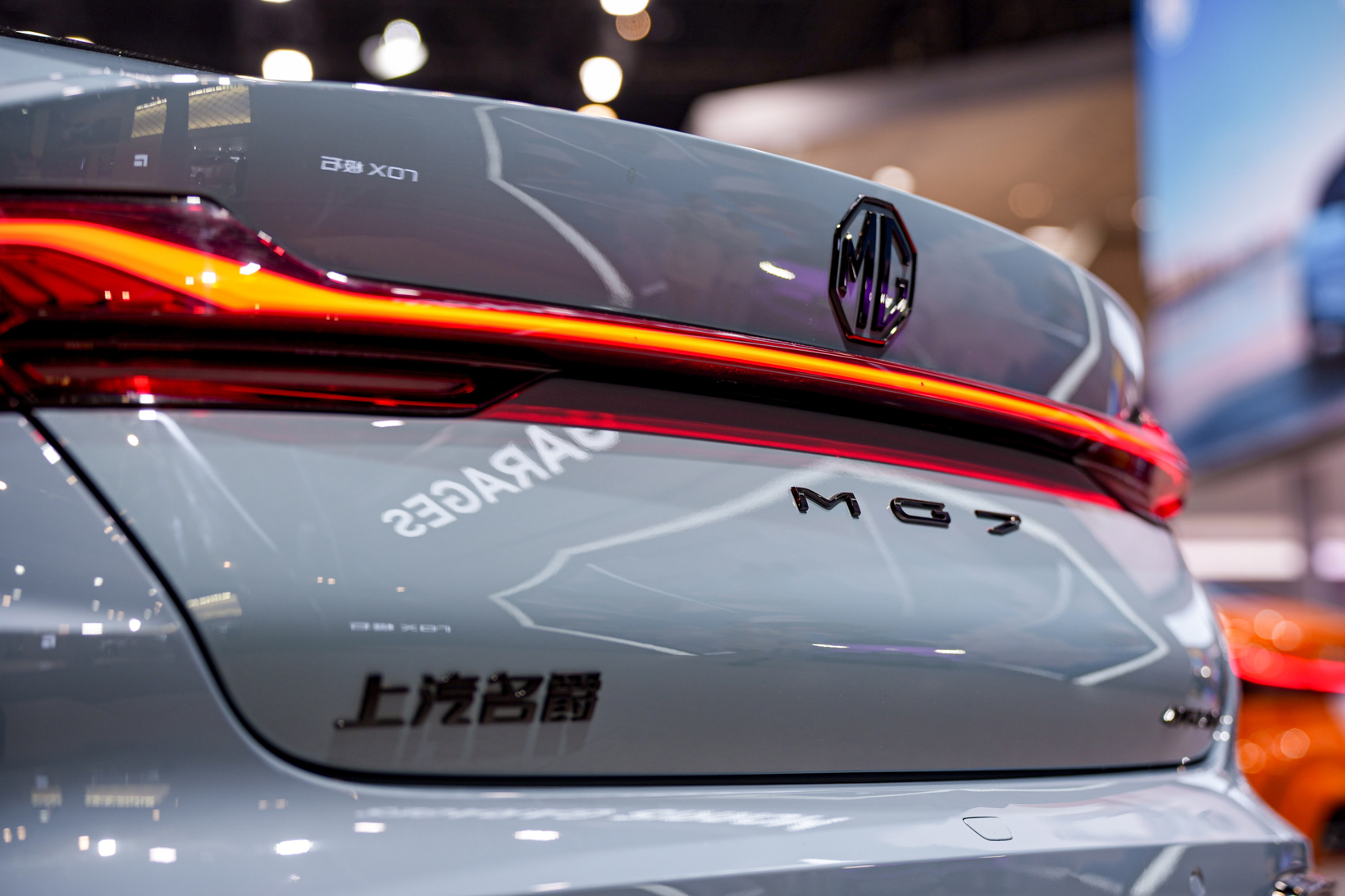
From the perspective of price and configuration, MG’s new products are extremely attractive, and the direction of product planning is correct. As for whether it can evolve from a "popular model" into a "successful product matrix," every link—channels, production capacity, service, and user operations—must hold up.
Chen Cui stated openly: "Our overall sales growth in the Chinese market, as well as our dealer service network and service quality, are not yet fully supporting our sales performance." But change is underway: the channel network has grown from over 290 at launch to over 440, and is expected to approach 500 by year-end. Moreover, the new channels are not just numbers; Zhang Liang emphasized "strict standards," looking not just at dealer strength, but also at whether they share the "philosophy of serving users well together."
Globalization: Shifting from Product Export to Technology Export
Beyond the products themselves, MG is pursuing a larger strategy—globalization.
In February 2026, SAIC Motor announced that cumulative deliveries of MG in Europe and the UK had exceeded 1 million units, making it the first Chinese automotive brand to reach this milestone. Breaking it down, MG sold over 300,000 units in Europe in 2025, a year-on-year increase of nearly 30%, securing its position as the top-selling Chinese brand in Europe for 11 consecutive years.
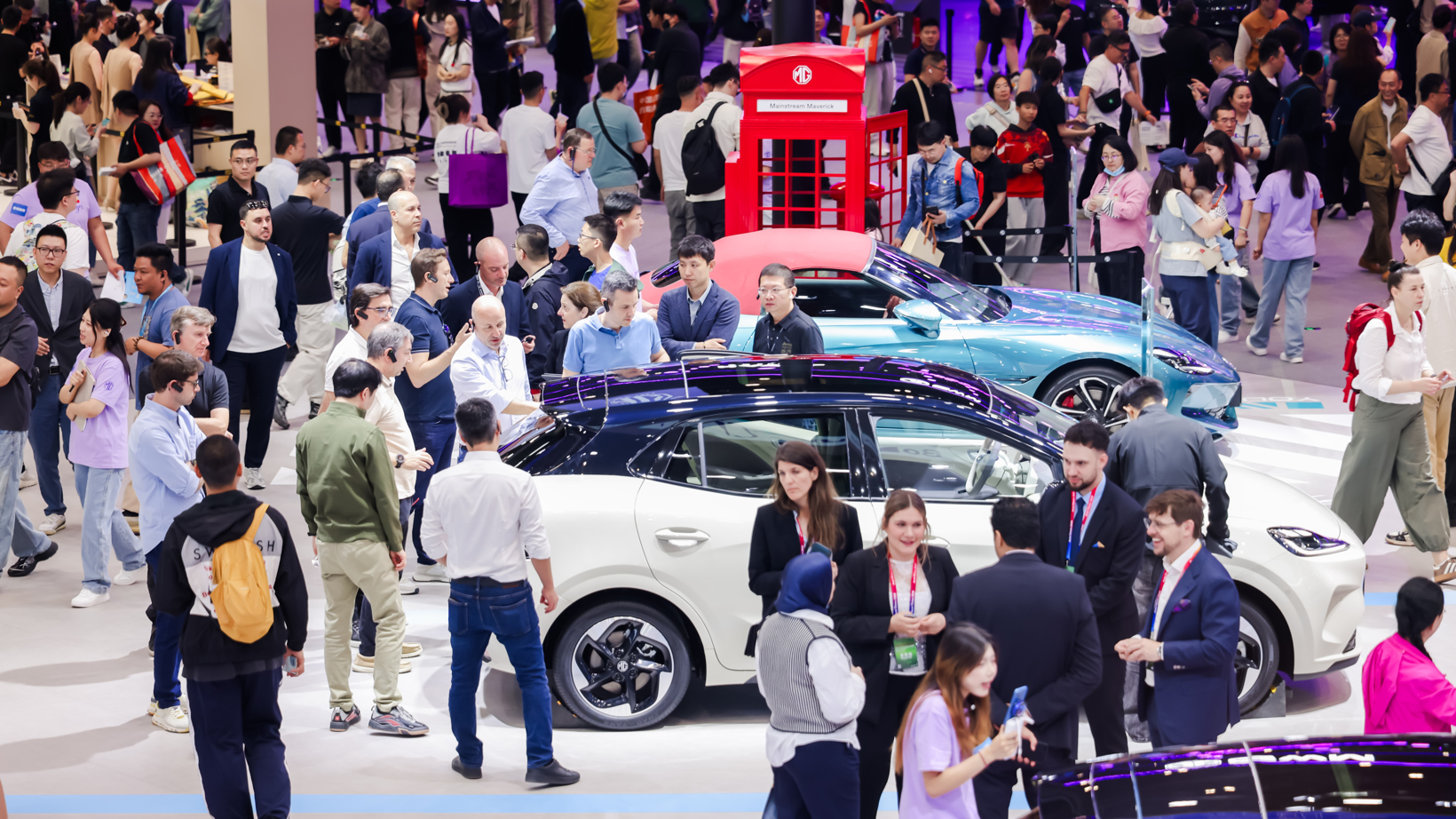
Image Source: MG
Behind this achievement lie two signals worth noting.
The first signal is the ability to export technology. In March this year, MG held its first Tech Day for a Chinese automaker in Frankfurt, bringing semi-solid-state battery technology to Europe. Zhang Liang noted that the event was essentially a "future technology launch," showcasing next-generation HEV technology and semi-solid-state batteries. "The semi-solid-state batteries used in the MG4 domestically will also be exported to Europe and the world later on." This means MG is attempting to shift from "product export" to "technology export"—a higher level of operation.
The second signal is the challenge of global capacity. Chen Cui revealed that demand for the MG4 in Europe and the UK is currently very high—"production capacity is insufficient." To balance global capacity, MG has established a dedicated strategy department to coordinate the layout. This is actually a "positive challenge"—while most Chinese brands are still concerned with how to enter the European market, MG’s problem has become "how to allocate production capacity well on a global scale."
The second signal is the challenge of global capacity. Chen Cui revealed that demand for the MG4 in Europe and the UK is currently very high—"production capacity is insufficient." To balance global capacity, MG has established a dedicated strategy department to coordinate the layout. This is actually a "positive challenge"—while most Chinese brands are still concerned with how to enter the European market, MG’s problem has become "how to allocate production capacity well on a global scale."
At the close of the group interview, Chen Cui had this to say: "With our increasing investment in users and the speed of network optimization, we will only keep adding value from here on."
From the above, MG’s combination of "responsive upgrades," a "major product year matrix," and "global technology export" reveals a clear logic of industrial evolution: the first half of the price war was about price cuts for promotion, but the second half must be about "technology democratization through higher-level competition." As Chinese automakers begin to leverage the momentum of a million cumulative sales in Europe to support the export of semi-solid-state battery technology to their home market, the century-old balance of power in the auto industry has already shifted.
This transformation from "adequate" to "segment-leading" ultimately elevates not just the sales of a few models, but the entire industry's redefinition of "value." True leadership is not about how long the specification sheet is, but how low the technical threshold can be pushed. The initiative by MG will eventually dismantle the premium barriers that all brands rely on for survival, making "technology democratization" the defining trend of the next decade.