



Gasgoo Munich- On April 8, Zhejiang Lanen Hydrogen Technology Co., Ltd. (known as "Zhejiang Lanen"), a leader in domestic hydrogen storage and transport equipment, voluntarily halted its A-share listing process.
In fact, days earlier, Guotai Haitong Securities had already posted a notice on its website. Following friendly consultations with Zhejiang Lanen, the firm terminated its counseling work for the company's initial public offering. Joint counselor Orient Securities followed suit. With that, the company—having completed eight counseling rounds and regarded as the sector's leader—officially pressed pause on its A-share debut.
This is just a microcosm of the hydrogen sector. Over the past three years, from SAIC's Je Hydrogen to Dongyue Hydrogen, hydrogen firms have stumbled repeatedly in their attempts to list on A-shares. Zhejiang Lanen's voluntary exit is simply another footnote to this collective cooling. Policy support and industry optimism remain, yet capital markets have shifted their stance toward hydrogen from frenzied pursuit to calm scrutiny.
Why the Voluntary Termination?
First, look at Zhejiang Lanen's fundamentals. Founded in 2009 and headquartered in Shaoxing, Zhejiang, the company is a core hydrogen equipment unit of Shenenergy Group. With a registered capital exceeding 400 million yuan, it has been designated a national "Little Giant" enterprise for its specialization and sophistication. Its core products span high-pressure hydrogen storage cylinders, long-tube hydrogen trailers, and storage cylinder groups for hydrogen refueling stations, holding multiple international certifications including DOT, TPED, and ASME.
In terms of market position, Zhejiang Lanen commands a domestic market share of over 80% for station storage cylinder groups and more than 75% for long-tube hydrogen trailers, making it the undisputed leader in storage and transport. On the capital front, its 2023 Series B round brought in investors such as SAIC Motor, Sinopec Capital, and Hillhouse VC, ensuring ample reserves of both funding and industrial resources.
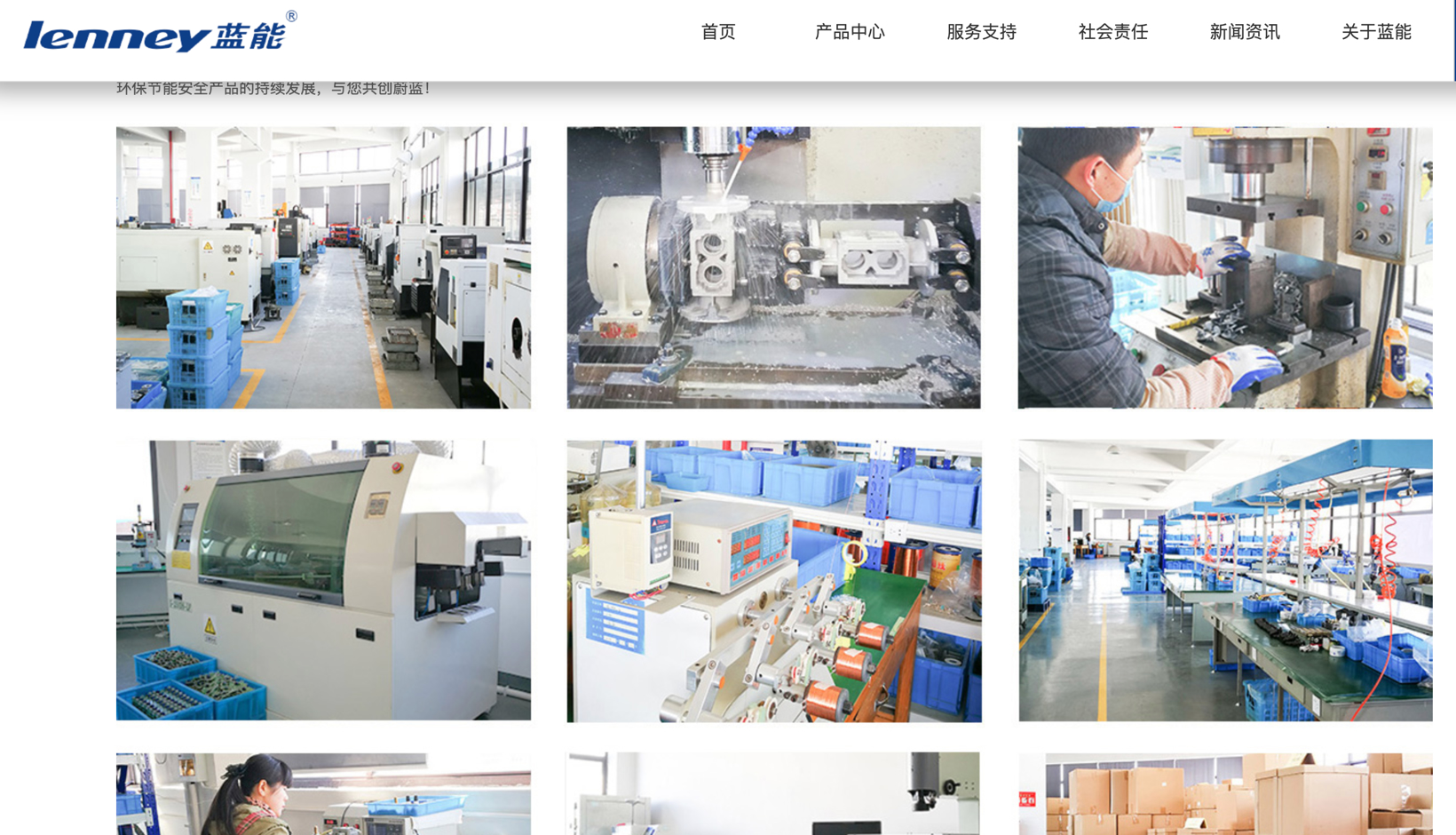
Image Source: Zhejiang Lanen
Zhejiang Lanen stated in a notice that the termination of counseling was based on "its own strategic development and future capital operation plans." In other words, it was a rational choice driven by a confluence of factors.
First is the conflict between profitability pressure and A-share listing scrutiny. Hydrogen storage and transport equipment requires long R&D cycles and heavy equipment investment. Zhejiang Lanen is currently in an expansion phase, making large-scale profits difficult to achieve in the short term. Meanwhile, A-share IPO audits are tightening requirements for profitability and performance stability, raising the bar for unprofitable companies seeking to list.
Zhejiang Lanen had completed eight counseling rounds and was just one step away from filing—yet walking away from this short-term window allows the company to avoid compressing necessary R&D and capacity investments just to meet listing requirements, a move that would otherwise damage its long-term competitiveness.
Second is the diversity of financing channels. Backed by state-owned and industrial capital giants like Shenenergy Group, SAIC, and Sinopec, Zhejiang Lanen does not rely on an IPO as its sole lifeline. Delaying the listing actually offers greater flexibility: it can wait for the industry's profit inflection point or pivot to more inclusive markets like Hong Kong's when the time is right.
Finally, there are pragmatic considerations regarding valuation. Hydrogen commercialization is still in its infancy, with market demand driven primarily by pilot projects, creating uncertainty in the company's performance growth. Forcing a listing amid such uncertainty would invite valuation pressure and stock volatility. The voluntary termination is, in essence, a pragmatic move to sidestep capital market risks.
Not Just This One
In the hydrogen sector, Zhejiang Lanen is neither the first nor the last. In reality, the dilemma facing hydrogen firms seeking A-share listings has been evident for some time.
In March 2024, SAIC's Je Hydrogen withdrew its application for a STAR Market IPO; in March 2025, Dongyue Hydrogen, a leader in proton exchange membranes, terminated its counseling after completing five rounds. Additionally, hydrogen firms like Zhizhen and Zhongding Hengsheng have also terminated or withdrawn their applications. Even the few that successfully listed, such as SinoHytec and Sino-FuelCell, face persistent losses and chronically low stock prices. Enthusiasm from capital markets for the hydrogen sector is cooling rapidly.
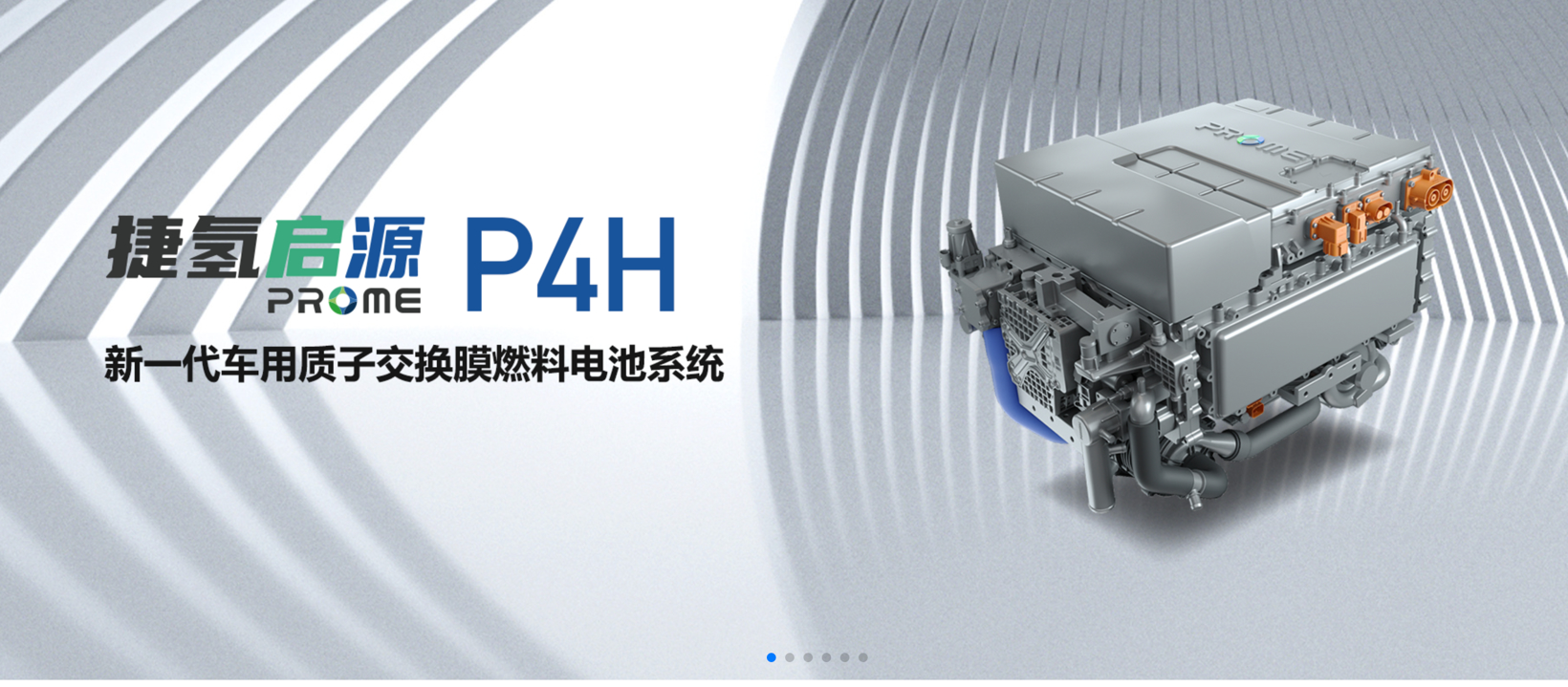
Image Source: Je Hydrogen
The reason for this collective chill lies in the fact that the hydrogen industry is still in the "early commercialization" phase, offering limited appeal to capital markets.
The hydrogen sector is plagued by high costs and elusive profitability. Current green hydrogen production costs range from 25 to 35 yuan per kg, far exceeding the 10 to 15 yuan per kg for traditional grey hydrogen. Notably, storage and transport costs account for over 60% of the terminal hydrogen price, keeping end-user costs prohibitively high. Scenarios like fuel cell vehicles and industrial hydrogen remain heavily reliant on policy subsidies; once those subsidies recede, demand growth weakens noticeably.
As a result, most hydrogen companies remain in the red. Take fuel cell system manufacturers as an example: R&D spending consistently exceeds 15% of revenue, yet insufficient mass production scale and low capacity utilization mean gross margins struggle to cover costs, continually delaying the path to profitability.
Compounding this is the direct clash between stricter A-share audits and the nature of the industry. Since 2023, the China Securities Regulatory Commission has comprehensively tightened IPO scrutiny, intensifying checks on performance authenticity and sustainability, significantly raising the bar for unprofitable companies.
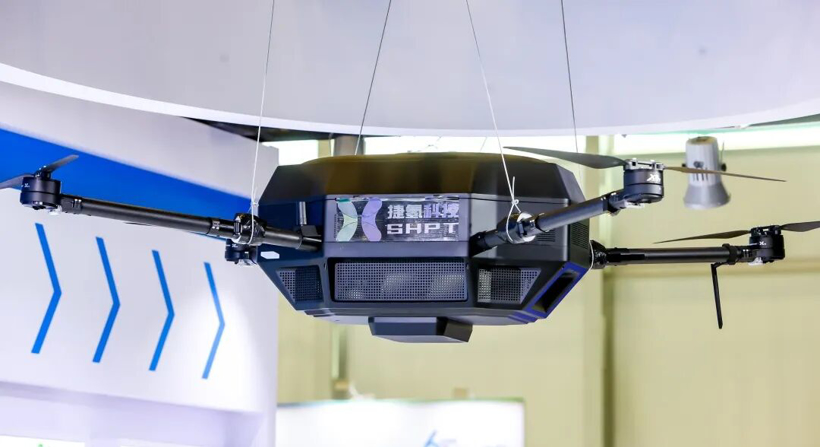
25-kilogram hydrogen-powered drone, Image Source: Je Hydrogen
Hydrogen firms are generally characterized by "high investment and low profitability." Even if eligible for the STAR Market's fifth set of listing standards—which allows unprofitable hard-tech enterprises to list—they face intense scrutiny over their technological attributes and on-site inspections. Many companies have voluntarily terminated counseling or withdrawn their applications precisely because they fear rejection or are unwilling to shoulder the additional risks associated with information disclosure.
To make matters worse, homogeneous competition is intensifying, and business models have yet to close the loop. Companies are piling into sectors like electrolyzers and storage equipment with similar technological roadmaps, quickly sliding into price wars. Application scenarios remain overly concentrated in fuel cell vehicles, while large-scale uses like industrial decarbonization and green hydrogen substitution are far from taking off. The mismatch between supply and demand is particularly acute: the northwest, rich in green hydrogen resources, can "produce but not transport," while the eastern consumer regions "need but cannot produce."
Capital market expectations for the hydrogen industry have shifted from the "concept hype" of previous years to "value pragmatism." Companies lacking core competitiveness and stable performance are naturally being marginalized.
Zhejiang Lanen's termination of counseling signals a return from capital frenzy to industrial rationality within the hydrogen sector. This does not imply industry decline, but rather represents a necessary stage in the development of emerging industries—only by shedding the restlessness of the listing spotlight can companies focus more intently on conquering technology, reducing costs, and implementing scenarios.
Currently, the "15th Five-Year Plan" has identified hydrogen as a core direction for future energy, with large-scale scenarios such as industrial decarbonization and green hydrogen substitution gradually opening up. The industry is in a critical window period, transitioning from "demonstration applications" to "commercial deployment."
For companies, delaying an IPO does not mean abandoning capital markets. In the short term, they should deepen their core business, break through cost and technological bottlenecks, expand diverse application scenarios, and enhance their self-sustaining capabilities. In the long term, they can flexibly choose paths such as A-shares or Hong Kong stocks, waiting for the industry's profit inflection point and a better capital window. For the industry, the IPO chill will accelerate survival of the fittest, driving resources toward technology-leading, profit-promising head enterprises.


