



Here are the week's key developments in embodied intelligence and driver assistance:
GAC spins off robot business into independent operation
On February 26, at the Guangzhou Development Zone and Huangpu District High-Quality Development Conference, GAC Group unveiled its fourth-generation embodied AI humanoid robot, the GoMate Mini. The automaker also announced the incubation of Guangdong Huilun Technology Co., Ltd., which will operate GAC's embodied intelligence businesses as an independent, market-driven entity.
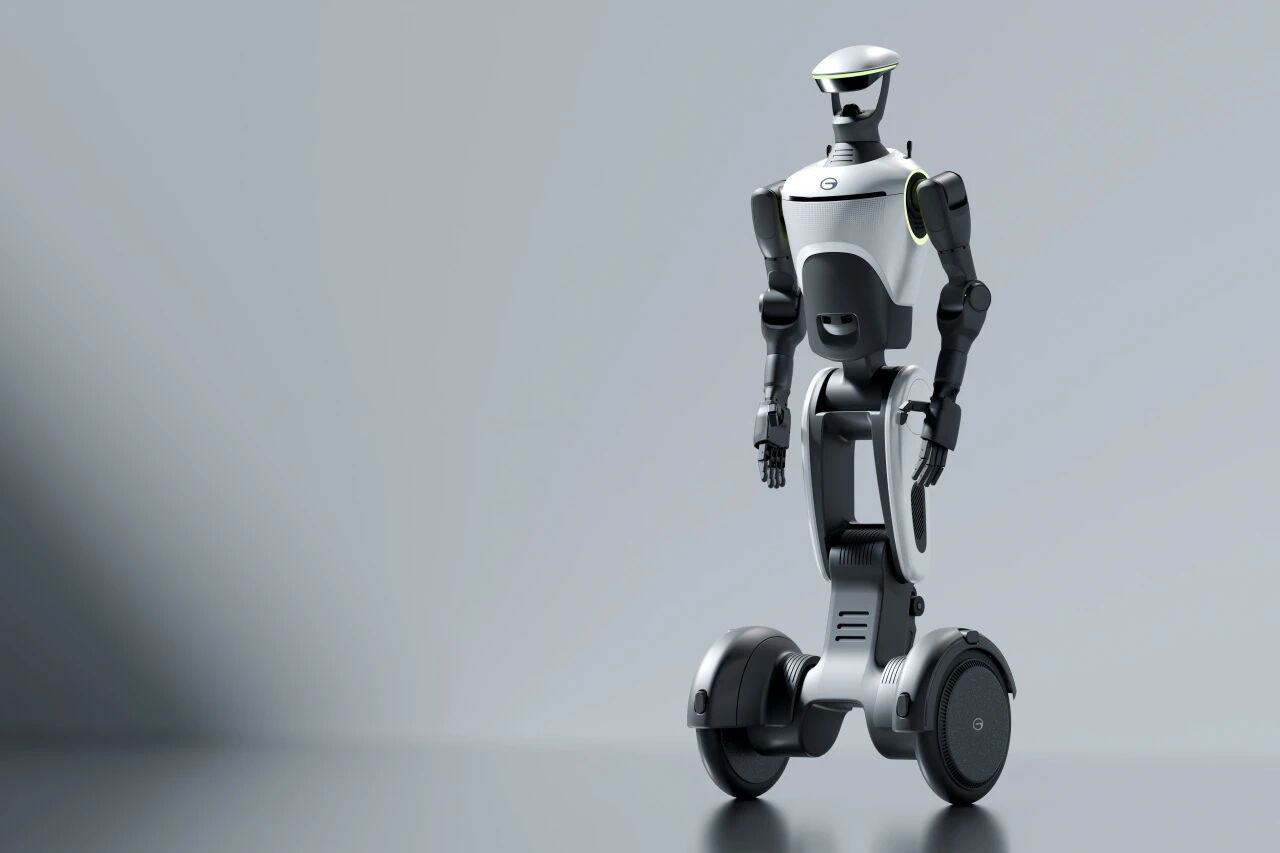
GAC's fourth-generation embodied AI humanoid robot, the GoMate Mini; Image source: GAC Group
Huilun Technology will focus on the R&D, production, sales, and service of embodied AI robots. Technologically, the company has built full-stack, in-house capabilities ranging from structural design and system platforms to "cerebellum" motion control and "cerebrum" perception algorithms. It has also achieved breakthroughs in core components like axial flux motors, integrated joint modules, drivers, and dexterous hands. To date, the company has completed four iterations of its embodied AI robot products.
According to its roadmap, Huilun Technology will push for small-scale trial production of core products this year while establishing benchmark applications in the security sector. The goal is to achieve mass production by 2027.
During the conference, Huilun Technology signed a strategic partnership agreement with the Guangzhou Development Zone and Huangpu District, confirming that its headquarters will be based in Huangpu.
XiaoZhi Take: For a state-owned enterprise incubating a startup, the hardest part isn't providing funding—it is letting go and allowing the business to grow according to market logic.
Honor to launch first humanoid robot
Recently, multiple media outlets reported that Honor will unveil its first humanoid robot at the upcoming Mobile World Congress (MWC) 2026 in Barcelona. Targeting the consumer market, the robot will be showcased alongside Honor's "robot phone" and other devices.
Although rivals like vivo and Xiaomi are also exploring humanoid robot technology, Honor claims it will be the first smartphone company globally to launch such a product.
Reports suggest vivo has already established a robotics lab, leveraging its expertise in AI large models and imaging—combined with proprietary mixed-reality computing—to incubate the "brain" and "eyes" of robots. Similarly, Xiaomi recently released its embodied intelligence VLA model, Xiaomi-Robotics-0, which scored top marks in three mainstream simulation tests and has been open-sourced.
Huawei, while not explicitly entering the humanoid robot race, is investing in related technologies. Last year, Huawei Cloud released the CloudRobo embodied intelligence platform, stating it would not manufacture robot bodies.
XiaoZhi Take: Competition in the smartphone market is fierce, and Honor needs a new narrative. Whether its humanoid robot is a story for capital markets or a product with real logic will be revealed at MWC.
German Chancellor Merz visits Unitree Robotics
On February 26, German Chancellor Merz led a delegation to Unitree Robotics. During the visit, founder Wang Xingxing introduced the company's Chinese robots to the Chancellor, demonstrating robot boxing and dancing, as well as the "WuBOT" autonomous humanoid robot martial arts performance—originally featured at the CCTV Spring Festival Gala.
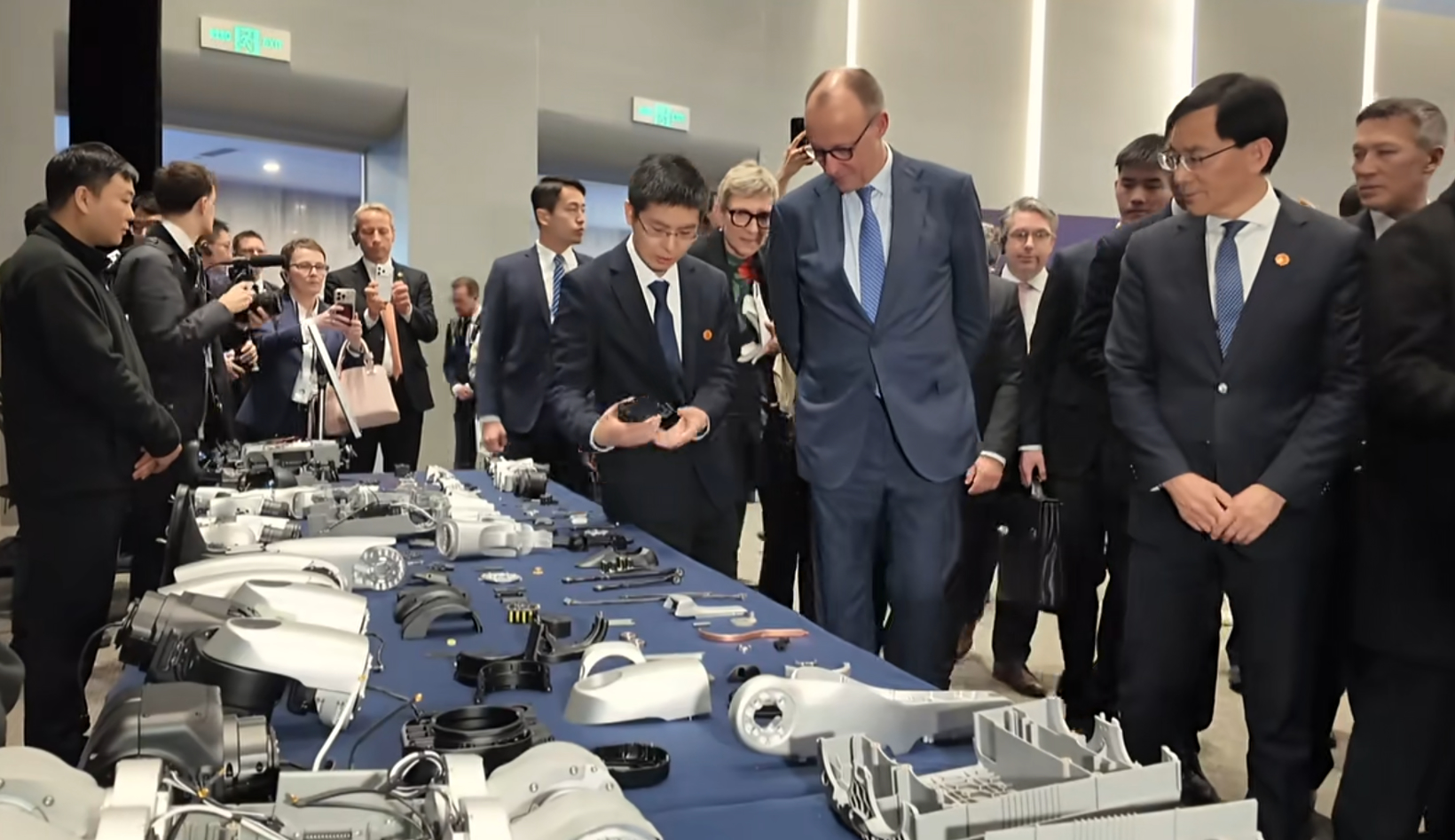
Image source: Unitree Robotics
Reportedly, Merz paused before a display board listing partners and users. One side featured top German universities and research institutions, while the other listed corporate giants like Volkswagen Group, Siemens, and DHL. This indicates Unitree has deeply integrated into Germany's industry-academia ecosystem.
According to data released by Unitree, actual shipments of its pure humanoid robots exceeded 5,500 units in full-year 2025, while mass production roll-offs surpassed 6,500 units during the same period.
XiaoZhi Take: A German Chancellor leading a delegation to inspect Chinese robots is more than a corporate visit—it is a reassessment of "China Smart Manufacturing" by a European industrial powerhouse.
XPENG moves to build full-chain humanoid robot mass production base
On February 25, XPENG announced at the Guangzhou High-Quality Development Conference that it will build the industry's first full-chain mass production base for humanoid robots at the Guangtang Sci-Tech City Embodied Intelligence Industrial Park in Tianhe District. This move marks XPENG's transition from technical verification to large-scale mass production in the humanoid robot sector.
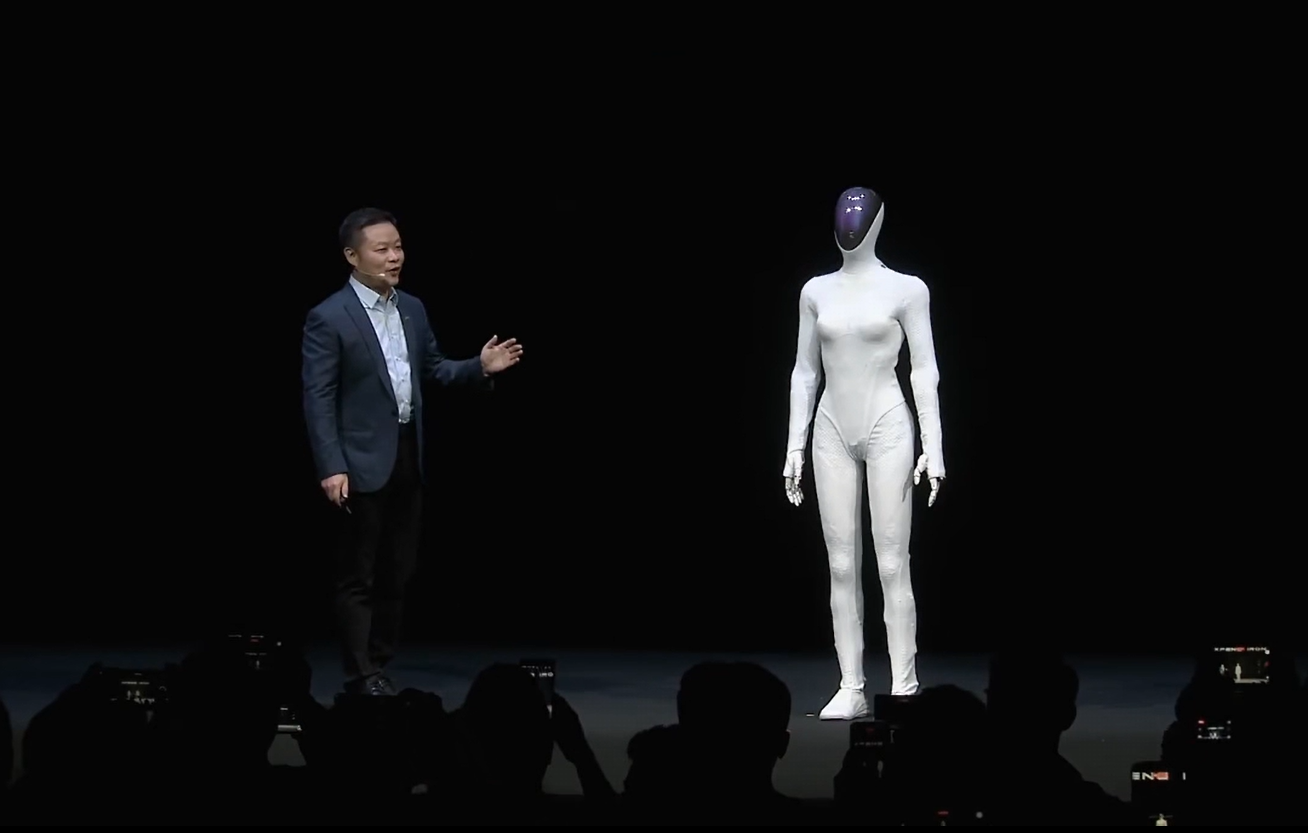
Image source: XPENG
The park spans a total construction area of approximately 110,000 square meters. It will be built to high industrial standards, featuring infrastructure—such as power, load-bearing capacity, and ceiling height—tailored for robot R&D and manufacturing. The first phase includes high-standard robot factories and supporting facilities to serve as the key production base for XPENG's advanced humanoid robot, IRON.
On the same day, XPENG signed a strategic cooperation framework agreement with the Tianhe District government to jointly drive the development of the embodied intelligence industry.
Previously, XPENG Chairman He Xiaopeng explicitly stated the company's goal: to be the first in the world to mass-produce an advanced humanoid robot by the end of 2026. The establishment of this full-chain production base is a critical step toward that strategic objective.
XiaoZhi Take: The biggest pitfall in mass-producing humanoid robots isn't making them—it's finding buyers. Who will be the "first customer" for XPENG's IRON? The answer needs to be found quickly.
Schaeffler establishes embodied intelligence robotics company
On February 27, Schaeffler announced it had established an embodied intelligence robotics company in Taicang, Suzhou. Targeting core components and key subsystems for humanoid robots, the move aims to build a technological edge in this emerging sector.
The newly formed Schaeffler Embodied Intelligence Robotics (Taicang) Co., Ltd. will focus on R&D and production of core robot components, including rolling bearings, planetary roller screws, precision reducers, motors, and sensors. It will also provide modular solutions for rotary drive, linear motion, thermal management, and battery management.
The company has also planned a comprehensive R&D and manufacturing system, covering an intelligent R&D center, digital production lines, a computing center, and a data collection and training hub. Plans include introducing humanoid robots with perception and execution capabilities as production factors, integrating them into the smart manufacturing system to create a new production model.
In the field of humanoid robotics, Schaeffler can supply the vast majority of core components and key subsystems. Its portfolio includes rolling bearings, planetary roller screws, precision reducers, motors, and sensors, alongside modules for rotary actuators, linear actuators, thermal management, and battery management. These meet functional needs for drive, transmission, perception and feedback, power control, and energy management—enabling complex movements in the upper and lower limbs, elbows, knees, wrists, and dexterous hands, as well as overall efficient operation.
Additionally, Schaeffler offers one-stop, customized electric linear and rotary drive technology solutions to support the development of electric-drive humanoid robots.
XiaoZhi Take: Rolling bearings, planetary roller screws, precision reducers... these seemingly inconspicuous components are precisely the "hardest nuts to crack" in embodied robotics.
Spirit AI secures nearly 2 billion yuan in funding
On February 24, Spirit AI announced it had recently completed two consecutive financing rounds, raising a total of nearly 2 billion yuan.
The investor lineup for this round is impressive, spanning top-tier capital firms, industrial giants, state-owned capital, and strategic investors. Spirit AI stated that the funds will be used to increase investment in embodied foundation models and real-world data systems, while deepening the co-construction of the industrial ecosystem.
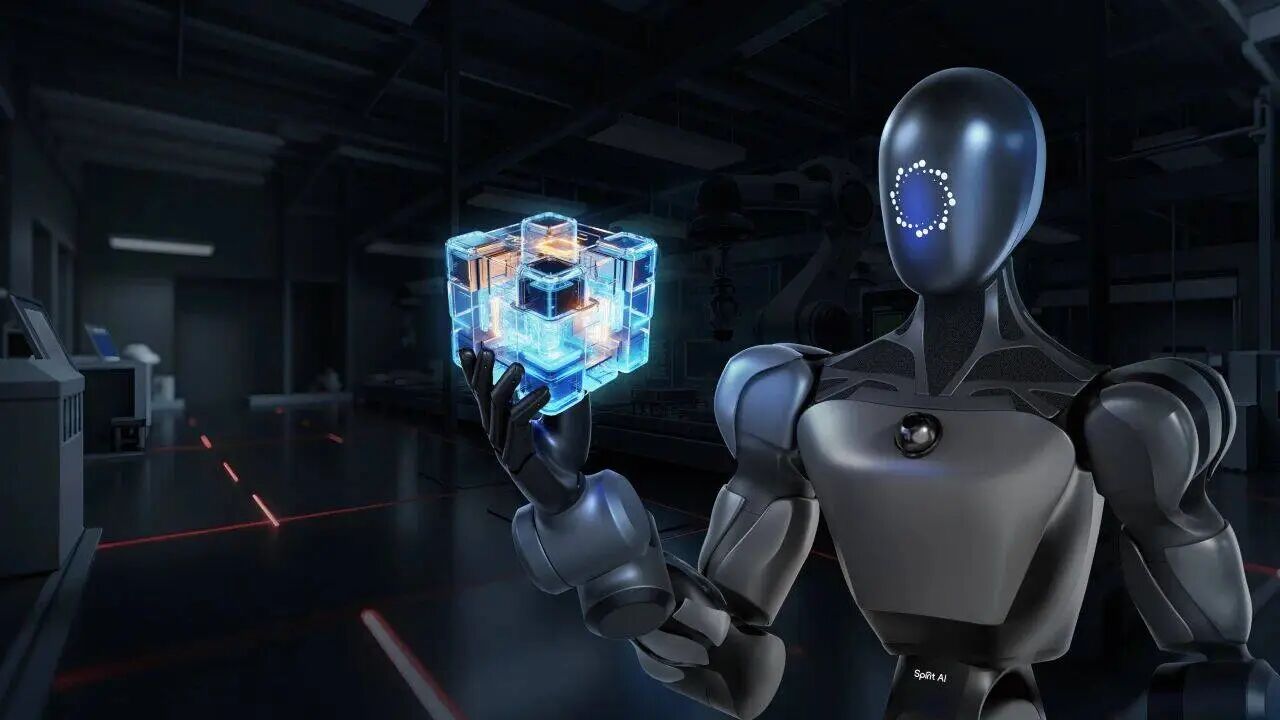
Image source: Spirit AI
Currently, the "XiaoMo" humanoid robot developed by Spirit AI is officially in operation at CATL's Zhongzhou base. Serving as core equipment on the production line, it has helped achieve zero-defect mass production of nearly 1,000 batteries, with operational cycle times matching or even exceeding those of skilled workers.
Additionally, Qianxun's Mozi robot is replacing humans in JD.com retail scenarios for interactive explanations and product demonstrations. Building on this, the two parties are exploring the potential of JD Cloud and the Joyinside large model in large-scale retail networks, achieving mutual empowerment between technology R&D and application scenarios.
XiaoZhi Take: "XiaoMo" entering the CATL production line and achieving zero-defect mass production for nearly 1,000 batteries—that is the fundamental reason investors are willing to open their wallets. It is not about how flashy the technology is, but whether it can get the job done.
AI² Robotics announces completion of over 1 billion yuan Series B financing
Recently, AI² Robotics announced the completion of a Series B financing round exceeding 1 billion yuan.
The Series B round consisted of five individual closings. Combined with seven previous rounds raising hundreds of millions, AI² Robotics has completed a total of 12 financing rounds over the past year. With this round closed, the company's valuation has officially surpassed 10 billion yuan.
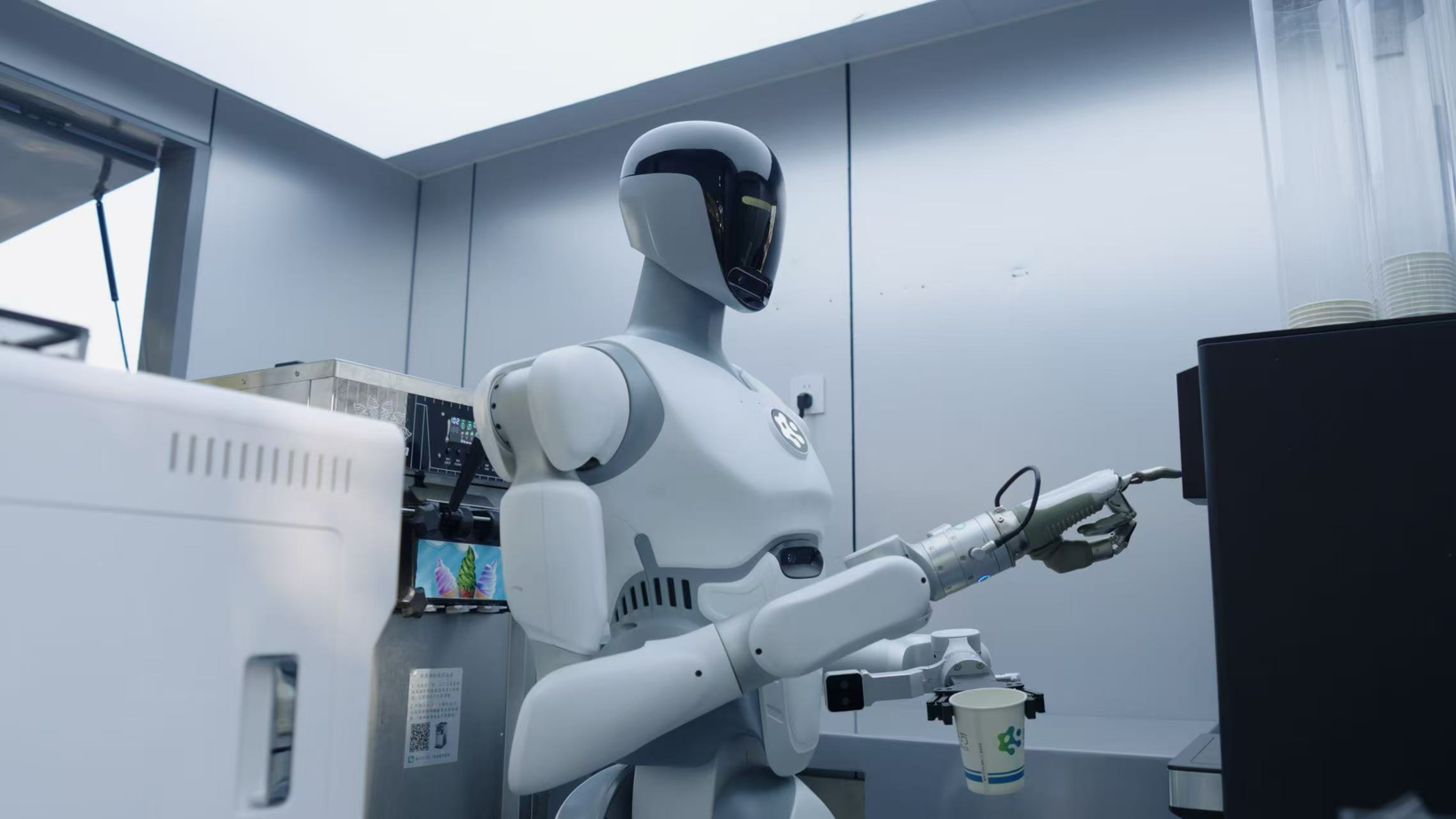
Image source: AI² Robotics
AI² Robotics noted that the funds will focus on maintaining the strongest leading position in its GOVLA embodied large model capabilities. This will drive the iteration and production expansion of the AlphaBot series, further solidifying the company's leading advantage in its "Model × Hardware × Scenario" trinity system.
Currently, the AlphaBot series has been deployed at scale across multiple fields. In high-end scenarios such as automotive, biotechnology, and semiconductor panel displays, robots perform sorting, transfer, and labeling tasks. In complex, open environments like major transportation hubs in first-tier cities, they provide public services to passengers. In the new retail sector, the "Smart Cube"—a modular embodied intelligence service space launched by AI² Robotics in late 2025—is already in routine operation in cities like Beijing and Shenzhen.
XiaoZhi Take: A 10 billion yuan valuation corresponds to the "Model × Hardware × Scenario" trinity. But whether this formula actually works will become clear in the near future.
NIO's chip subsidiary secures over 2.2 billion yuan in first-round funding
On February 26, NIO officially announced that its chip subsidiary, Anhui Shenji Technology Co., Ltd., has signed an agreement for its first round of equity financing. The amount exceeds 2.2 billion yuan, valuing the company at nearly 10 billion yuan post-money.
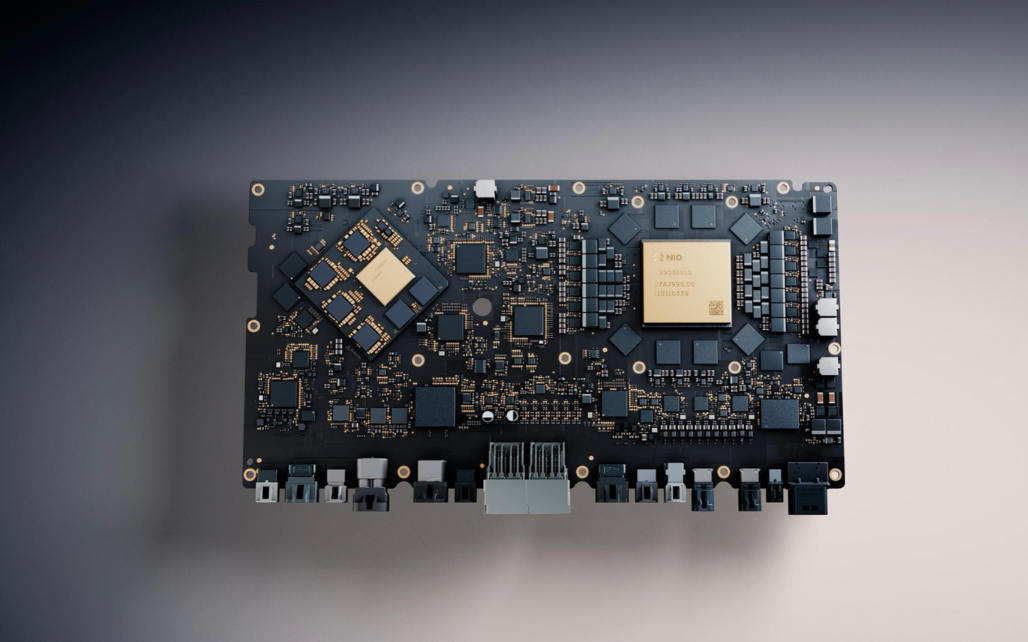
Image source: Weibo of William Li, NIO Founder, Chairman, and CEO
This round drew investment from numerous industrial capitals and top-tier institutions. The capital will primarily fund the continued R&D and marketing of Shenji's high-end chips, providing core support for NIO's long-term layout in autonomous driving and embodied intelligence.
NIO stated that Anhui Shenji is the first company in China to develop a 5nm automotive-grade chip and the first to achieve commercial scale. Its core product, the Shenji NX9031 chip, offers performance equivalent to four chips combined, ranking first among domestic automotive chips. Since mass production began in 2024, cumulative shipments have exceeded 150,000 sets. The chip is now fully deployed across all NIO models, serving as the core support for NIO's intelligent driver assistance system.
Building on this foundation, Anhui Shenji is actively expanding into external markets, focusing on emerging business areas such as embodied robots and Agent reasoning. It aims to provide complete chip and intelligent hardware solutions for various customers in the AGI era.
XiaoZhi Take: 5nm automotive-grade chip, "one equals four," 150,000 shipments—Shenji's data is impressive. But to expand externally, specs alone are not enough; an ecosystem is essential.
FF to start delivering EAI robots on February 27
On February 26 (Beijing Time), Faraday Future (FF) announced it will officially launch the first EAI robot delivery season of 2026 on February 27, holding inaugural delivery ceremonies in both Florida and Nevada. The recipient is local high-end real estate operator Golden Hill, which will become FF's first enterprise customer for its robotics business.

Image source: FF
According to FF, the first batch of robots will be deployed in Golden Hill's high-end homestay projects. This marks FF's official entry into the vertical scenario of shared accommodation, attempting to embed robots as service units within the operational workflow of luxury homestays.
According to the plan, FF will gradually increase volume in this sector to verify the feasibility of its "Scenario is Store" distribution logic.
XiaoZhi Take: "Scenario is Store"—this distribution logic holds up in theory, but only if the robots can truly save homestays labor, money, and worry.


