



Gasgoo Munich-The Chinese auto market in spring 2026 resembles a silent, brutal competition. On April 16 alone, six new model launches unfolded simultaneously. Amid this crowded market, the IM LS8 entered with its "Stellar Super Range Extender" technology. Priced between 249,800 and 299,800 yuan, and equipped with top-tier specifications such as steer-by-wire, four-wheel steering, the Digital Chassis, and 520-line LiDAR, it aims to make a significant impact.
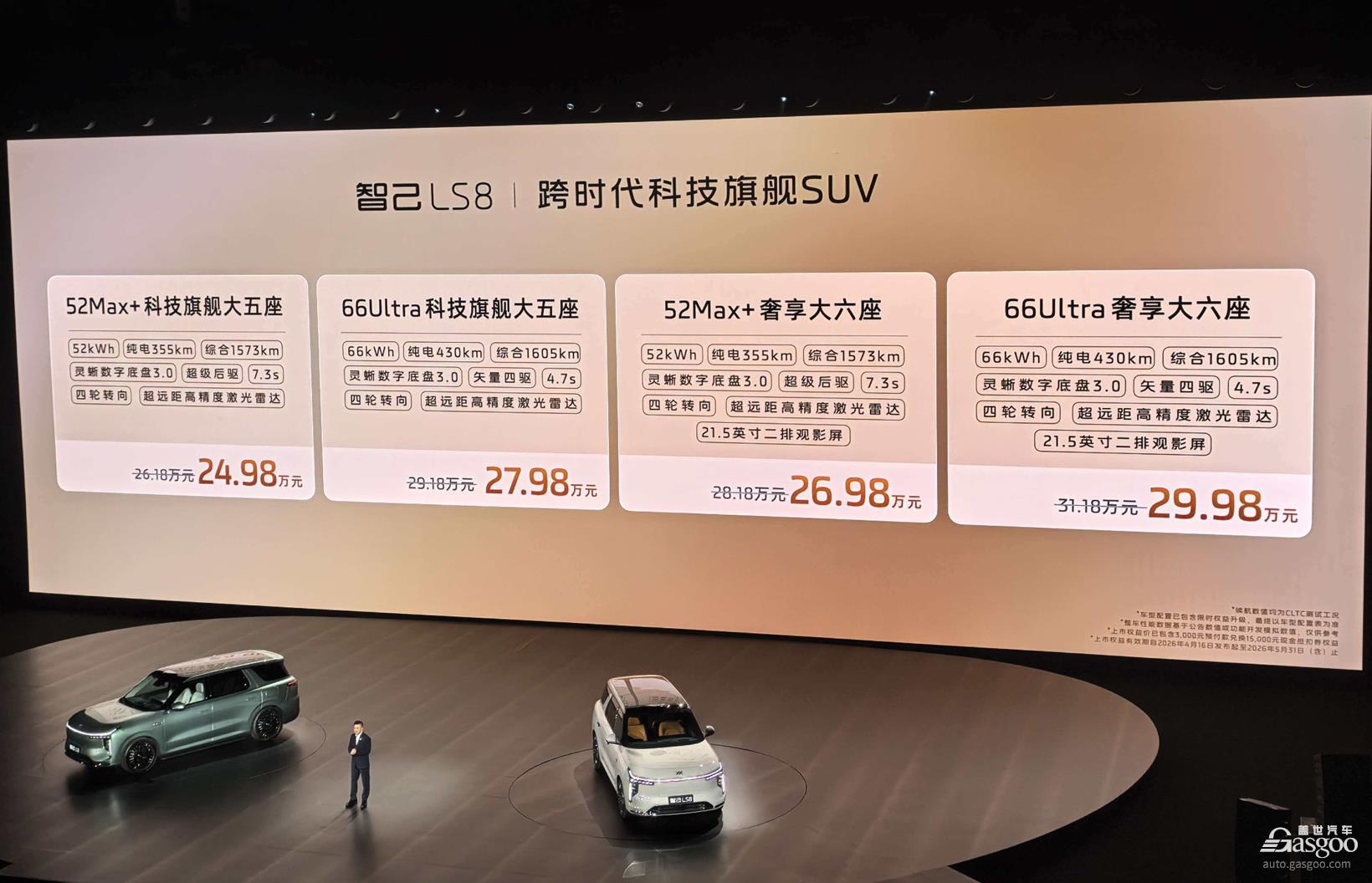
The extended-range sector is already a red ocean. With numerous rivals capturing consumer mindshare, what competitive edge does the LS8's super range extender offer? Facing extreme industry rivalry, how will IM break through? Addressing these market doubts, IM Motors CMO Li Weimeng and CTO Xiang Jiao responded on the launch day.
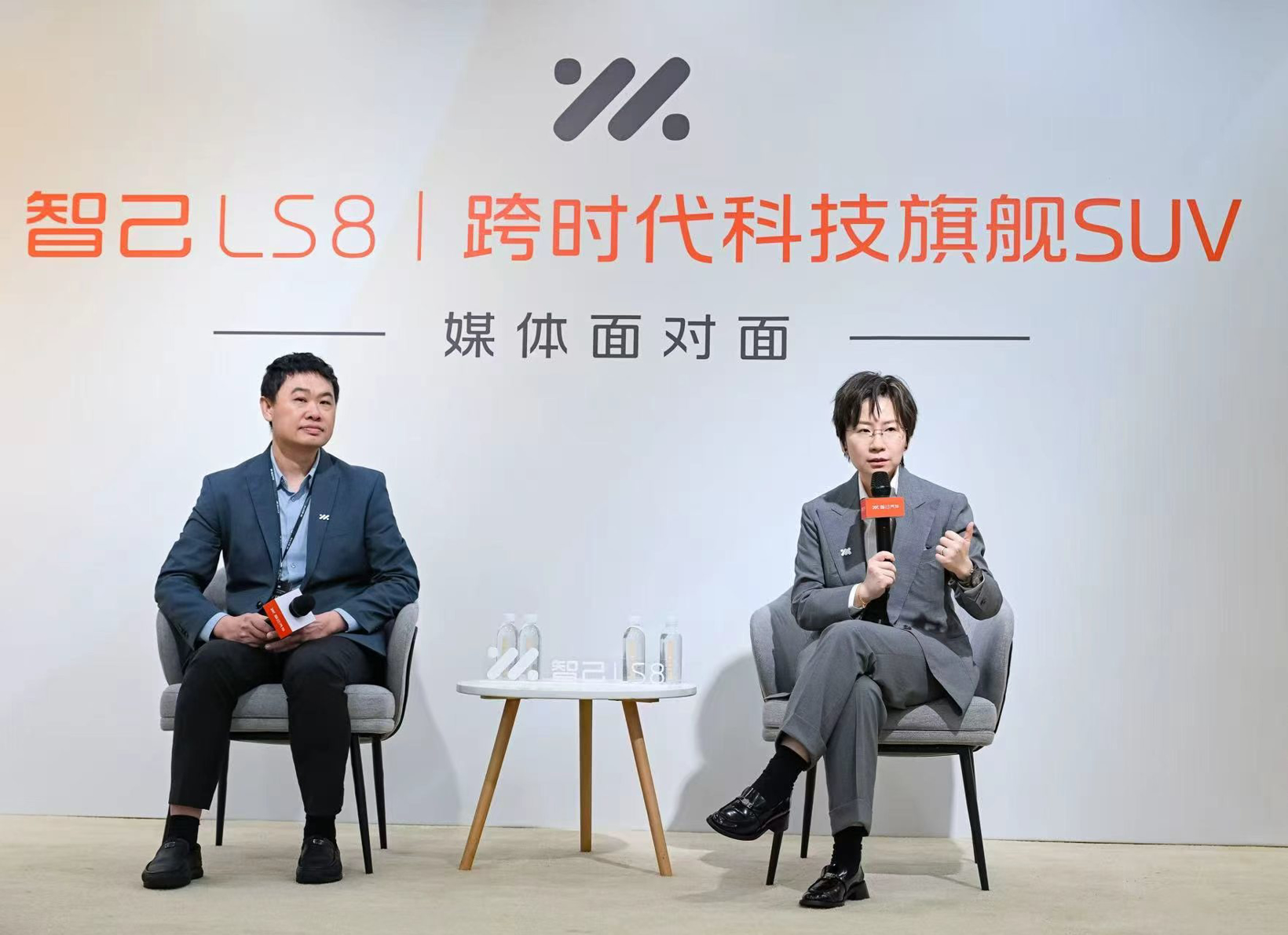
IM Motors CTO Xiang Jiao (left); IM Motors CMO Li Weimeng (right)
Image source: IM Motors
What Sets IM’s Range Extender Apart?
When asked about the pressure of a crowded market, Xiang Jiao, the technical lead, expressed confidence in the "Stellar Super Range Extender" technology, showing little concern about competing with other brands. "IM Motors announced the 'Stellar Super Range Extender' on August 1 last year. That more brands are upgrading to 'super range extenders' today simply proves the foresight of our technical direction," he said.
He further noted that as a pioneer and leader in super range-extender technology, IM has established a differentiated strategy through in-house R&D, primarily in two areas:
First, a super range extender is not just about increasing battery capacity; the core is a driving experience similar to a fully electric vehicle.
In today's market, competition is most visibly measured by battery capacity, as if a larger battery automatically means superior technology. But in IM's philosophy, bigger isn't always better. "Excessive battery size adds extra weight, which actually hurts overall energy efficiency and handling," Xiang stated.
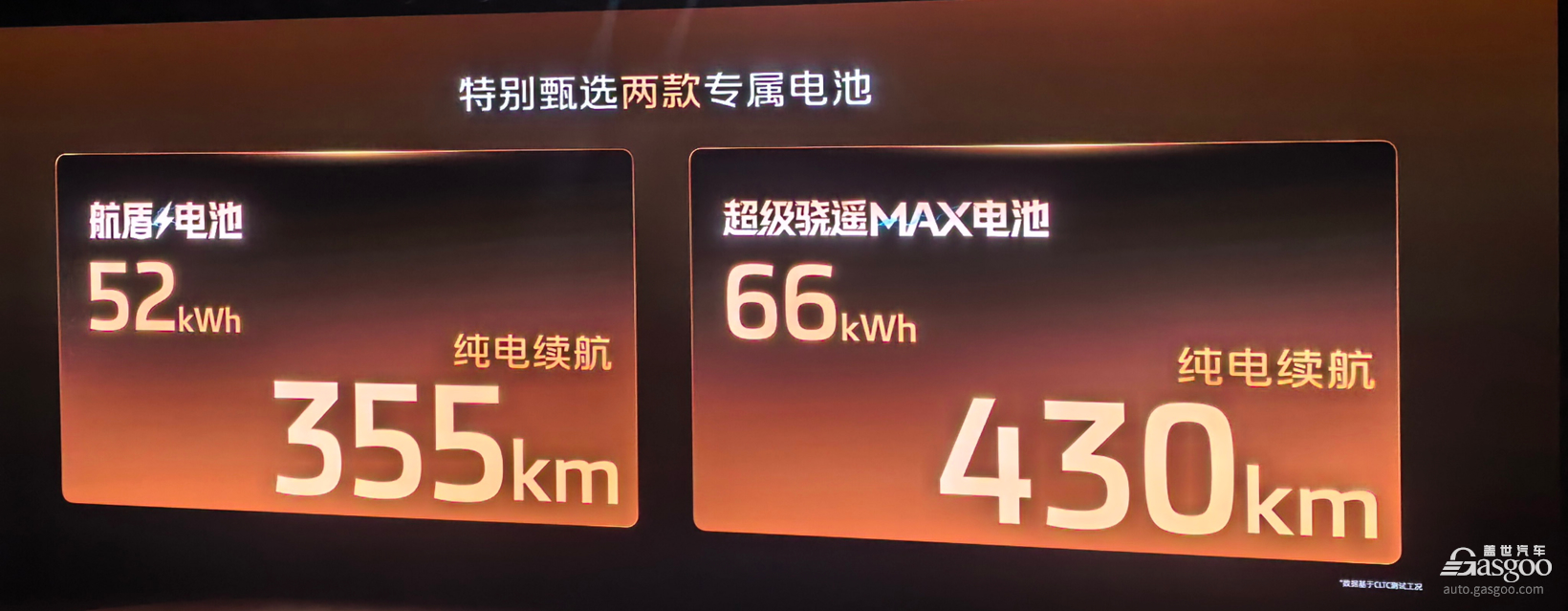
Consequently, the LS8 offers two battery options—52 kWh and 66 kWh—rather than pursuing 80 kWh or more blindly. Both solutions satisfy the "charge once a week" requirement for city commuting (with up to 430 km of pure electric range) and allow weekend trips to be completed entirely on electric power.
Furthermore, IM retains the core experience of an EV in its range-extender models: the smoothness of direct motor drive, 0-100 km/h acceleration in 4 seconds, ultra-fast charging (800V platform, 30% to 80% in 12 minutes), quietness, and low operating costs.
Previously, the industry treated range extenders as a "replacement for internal combustion engine vehicles," emphasizing "no charging needed, no anxiety." In IM's product definition, however, the range extender is not a compromise solution but an "EV with a built-in supercharger": more efficient than an ICE vehicle, more enjoyable than a pure EV, and more advanced than traditional range extenders.
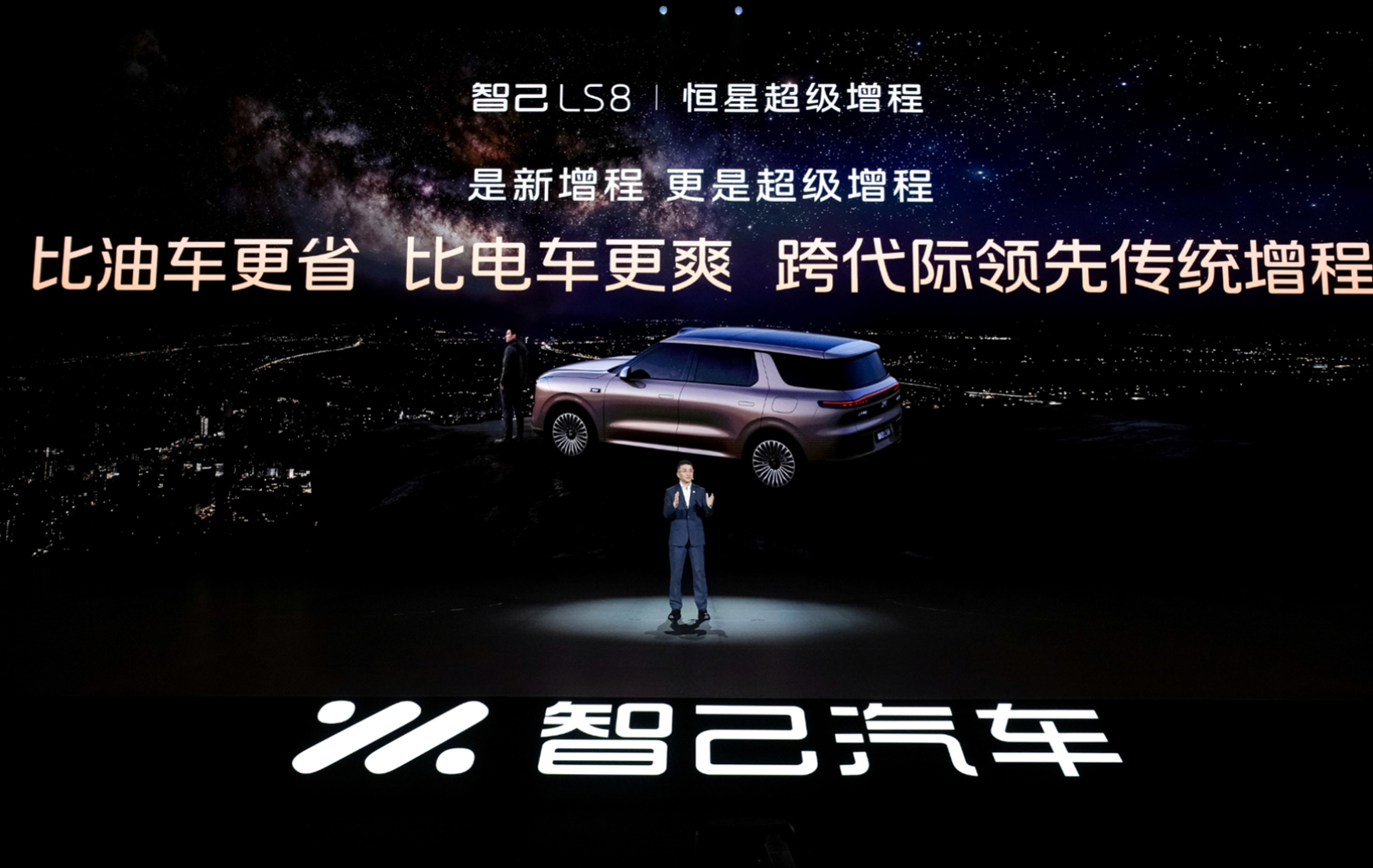
Image source: IM Motors
"Our comprehensive all-electric range reaches 1,605 km. Even without ever plugging in and relying only on fuel, it easily achieves nearly 1,000 km of range. This is thanks to excellent fuel consumption in low-battery conditions—just 5.9 liters per 100 km—making it worry-free for both commuting and long-distance travel," Xiang said.
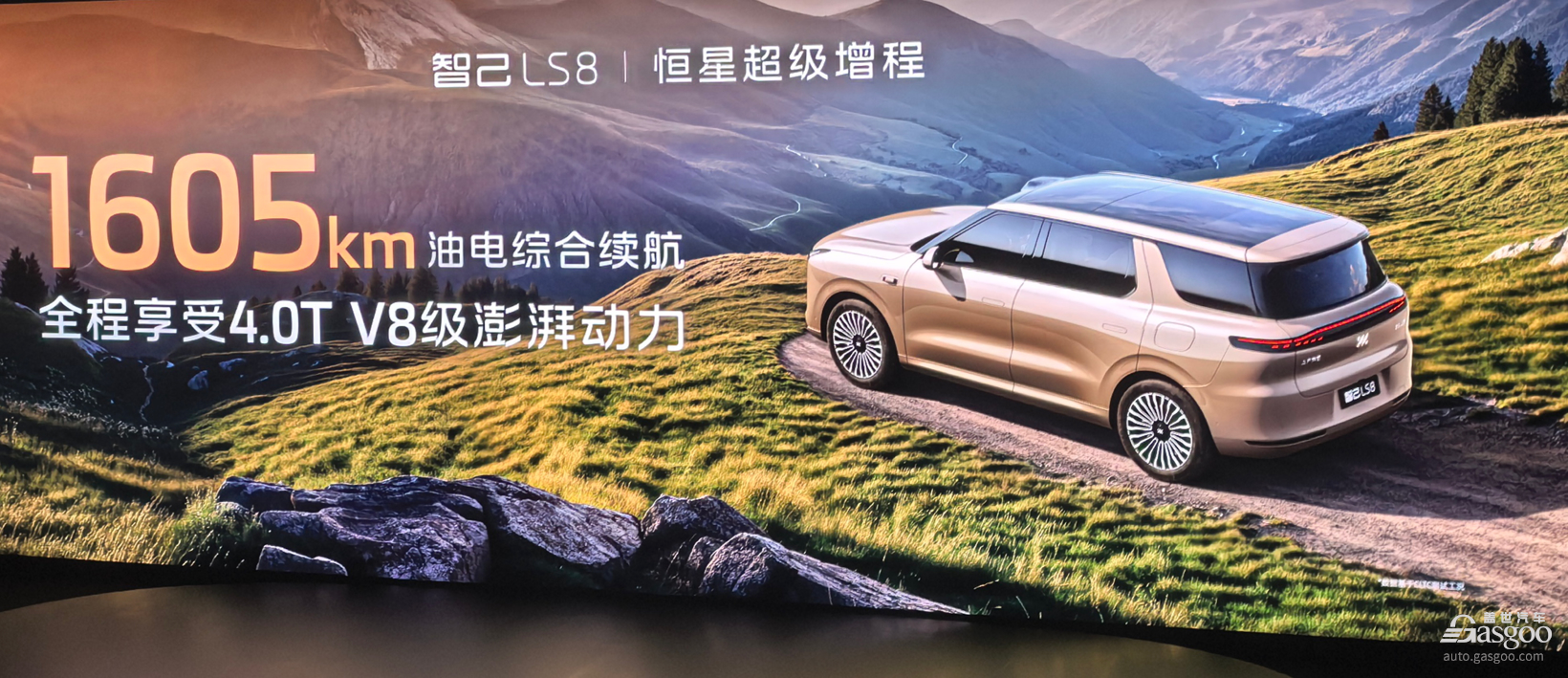
Image source: IM Motors
Second, Solving the "Low-Battery Sluggishness" Pain Point
Previously, range-extender vehicles offered ample power and smooth quietness when fully charged. However, once the battery was depleted, the range extender engaged, resulting in power loss, significantly increased noise, and rising fuel consumption. This "inconsistent" driving experience is the fundamental reason many consumers avoid them.
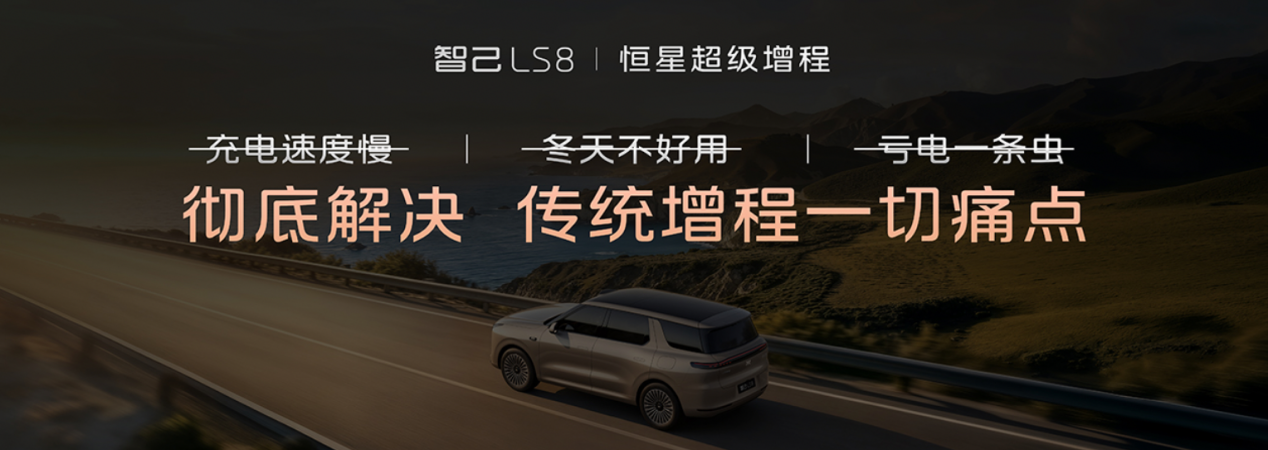
Image source: IM Motors
To address this, IM's R&D team has made extensive technical improvements to the 1.5T Zephyr ultra-efficient engine over the past year, delivering two key experience upgrades:
Ensuring power without the battery: Even in a low-battery state, the LS8 utilizes high-power output from the range extender combined with two high-performance batteries. This delivers significant discharge power even when the battery is low, ensuring no loss in performance and maintaining power comparable to a 4.0T V8 engine.
Achieving industry-leading quietness: By pioneering ERNC active noise cancellation technology and implementing hundreds of noise-reduction innovations on the engine, noise control during range-extender startup is exceptional under all conditions. The second row achieves a near-zero decibel perceptual level, as quiet as a library.
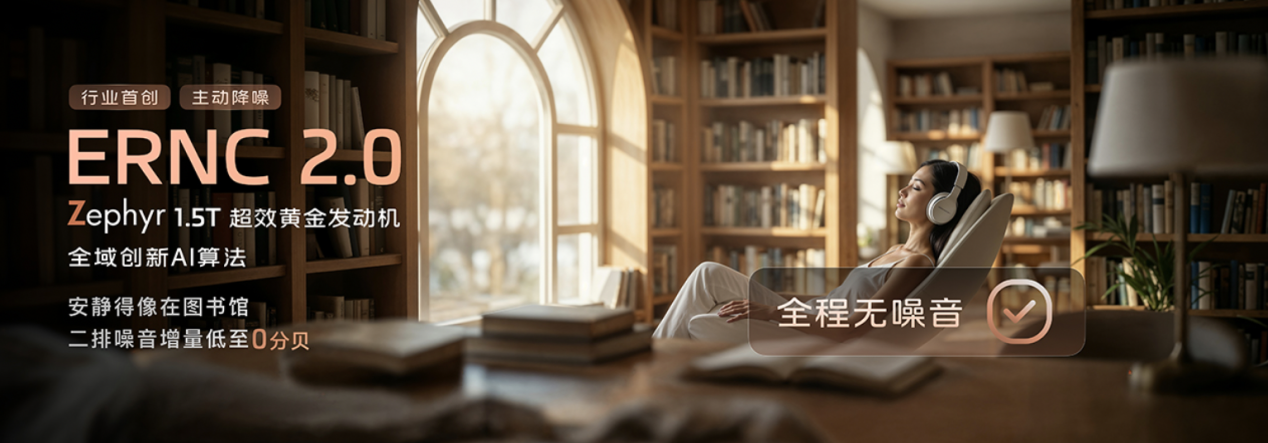
Image source: IM Motors
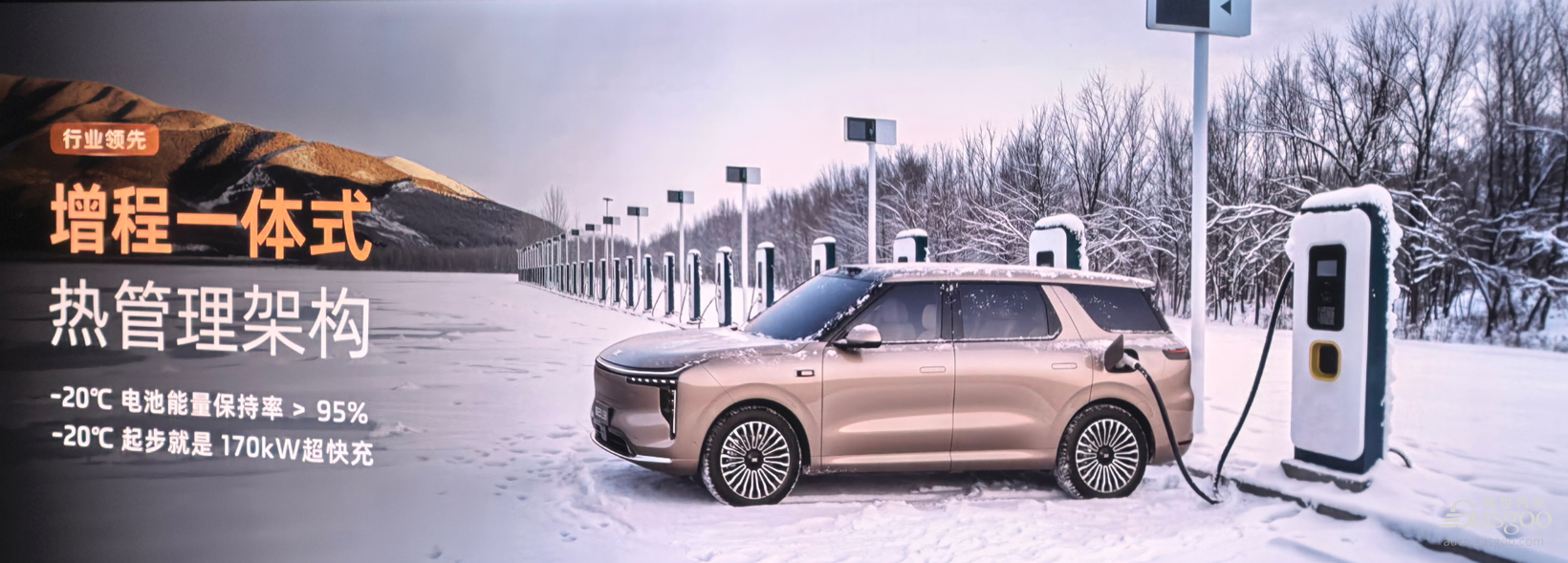
Additionally, addressing fast-charging challenges in northern China, IM adopted an integrated thermal management architecture for the range extender. This allows the vehicle to start charging at 170 kW ultra-fast speeds even in extremely cold environments.
Judging by the LS8's performance, the range-extender sector is evolving from version 1.0 to 2.0. In the 1.0 era, competition focused on "having a range extender or not." In the 1.5 era, it focused on "battery size." Now, in the 2.0 era, it focuses on "performance efficiency"—is the power sufficient when the battery is low? Is the range extender noisy? Is fuel consumption high without frequent charging? Is charging fast in winter? The LS8's differentiation essentially answers a more fundamental question: Is the range extender a compromise, or a freer electric experience?
What Else Adds Value Beyond the Range Extender?
Facing strong competition, just having a super range extender isn't enough. The LS8 aims to eliminate consumer hesitation by offering fully loaded configurations, featuring technologies often found in million-yuan luxury cars. However, with most new cars now similarly well-equipped, how can the LS8 succeed?
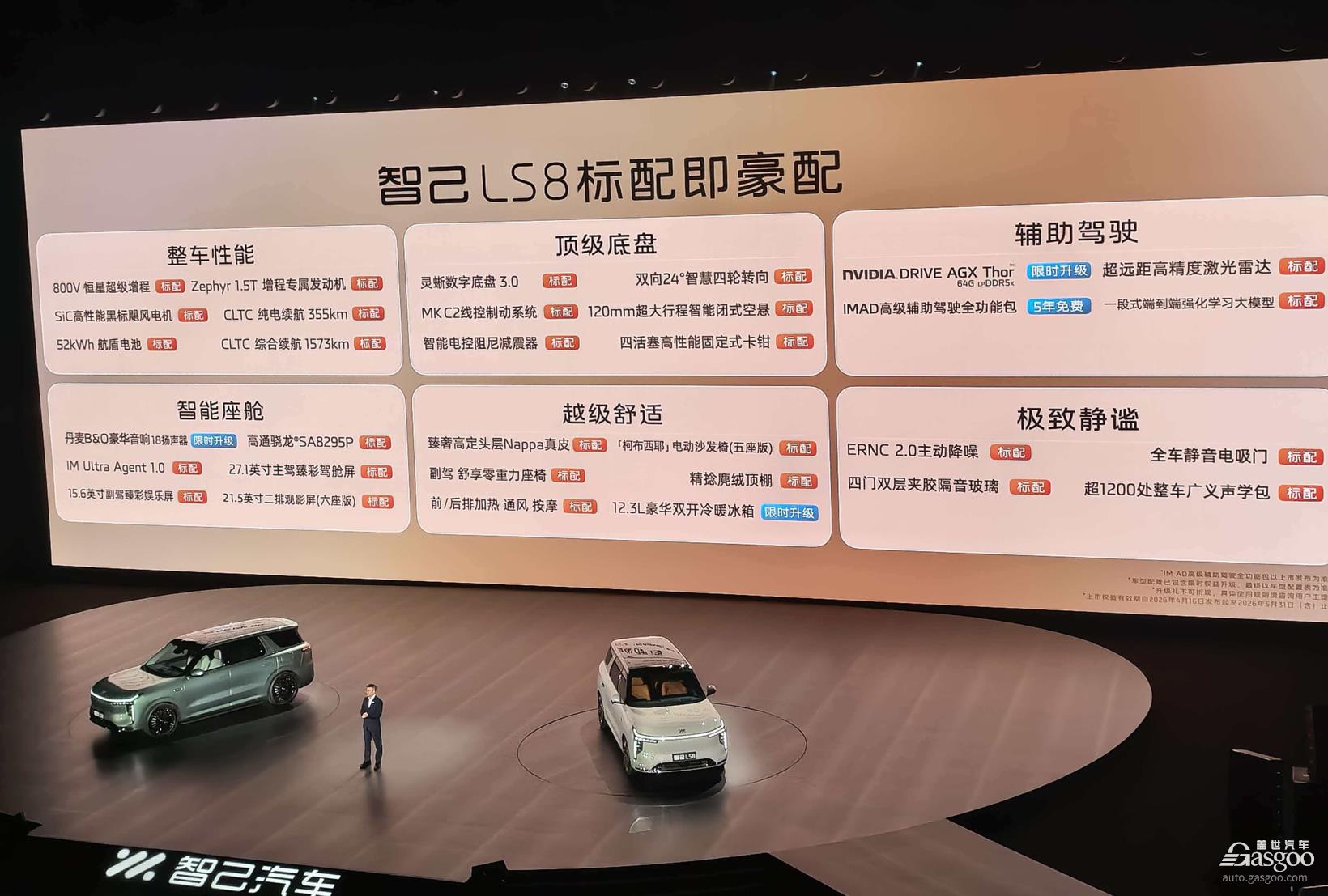
To this end, the IM team highlighted three key advantages—targeting the three most common frustrations of large SUV users.
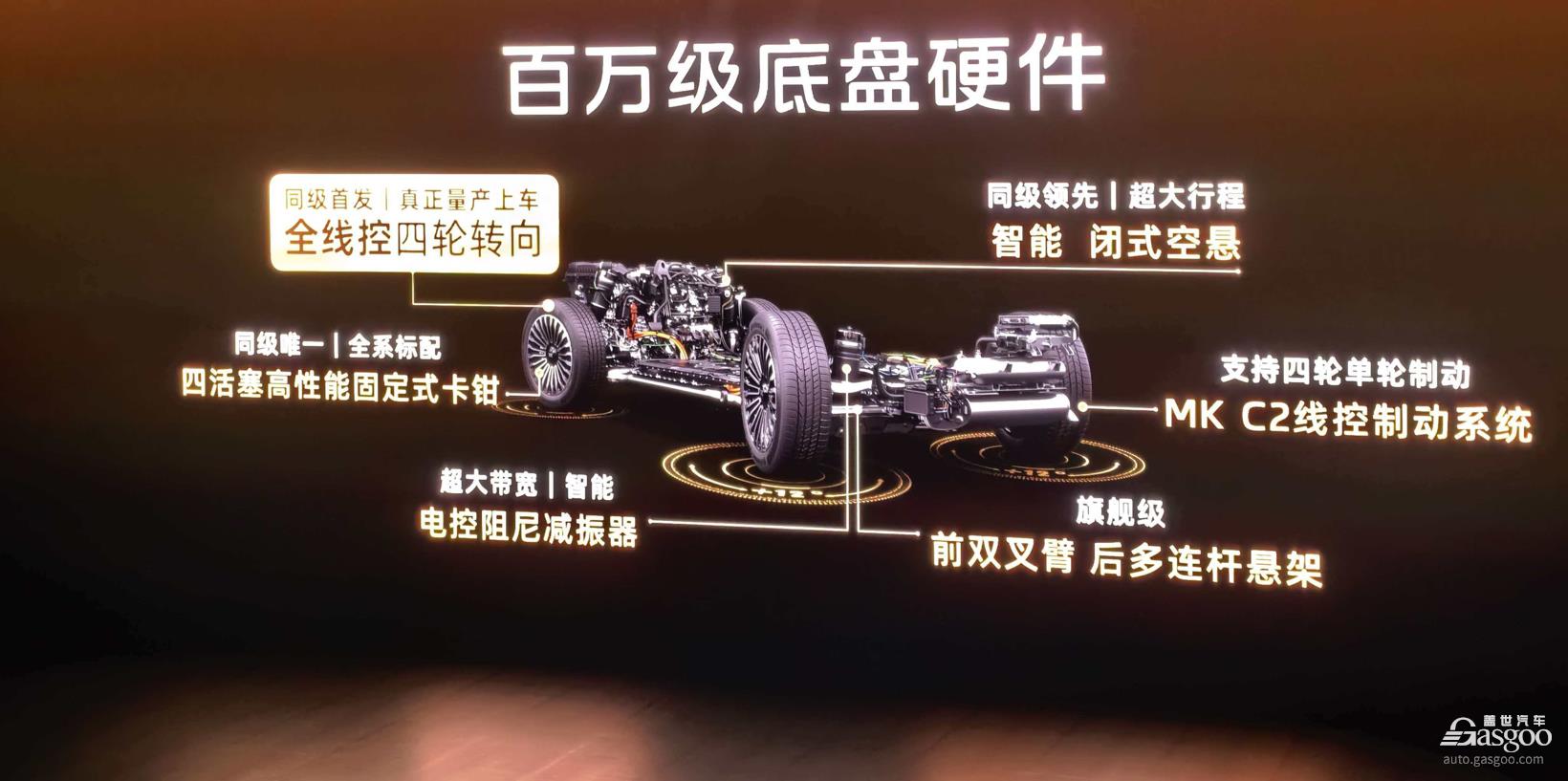
1. Solving "difficulty in driving large vehicles." Anyone who has driven a 5-meter SUV knows the unpleasant "boat-like" feel: it takes multiple attempts to make a U-turn on narrow roads, the rear end feels sluggish when changing lanes at speed, and parking feels like a driving test. The LS8 features an industry-first, full steer-by-wire four-wheel steering system. This is the first time this million-yuan technology has been mass-produced in a vehicle under 300,000 yuan, allowing for a U-turn with just half a turn of the wheel at low speeds.
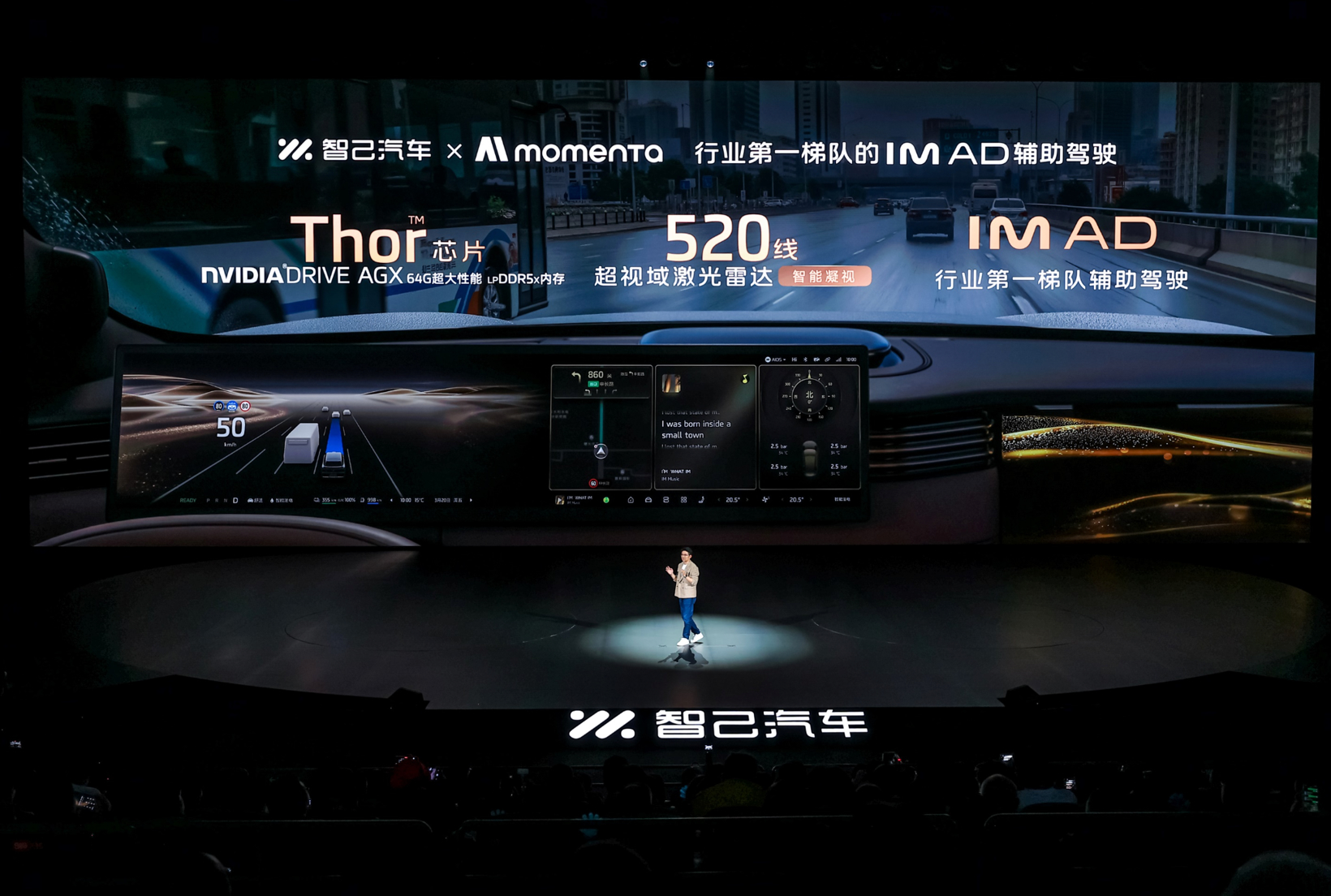
2, Solving "obsolescence after purchase." Over the past two years, the iteration speed of autonomous driving hardware has been rapid. LiDAR went from 96 lines to 128 lines to over 500 lines; chips went from Orin to Thor. Users fear that the "fully loaded" model they pay a premium for today will become the "standard" model in two years.
The LS8 skips the current mainstream, opting for the NVIDIA Thor chip and 520-line LiDAR—components typically reserved for L4-level Robotaxis. Additionally, the full-power IM AD autonomous driving, empowered by Momenta, has achieved "nationwide availability and usability." It can be upgraded in the future to IM AD ZETA, oriented toward L4 levels, using L4 model capabilities to enhance L2 driving assistance. The LS8 also debuts the IM Ultra Agent, powered by the Qwen large model and integrated with the Alibaba ecosystem, allowing complex commands with a single sentence.
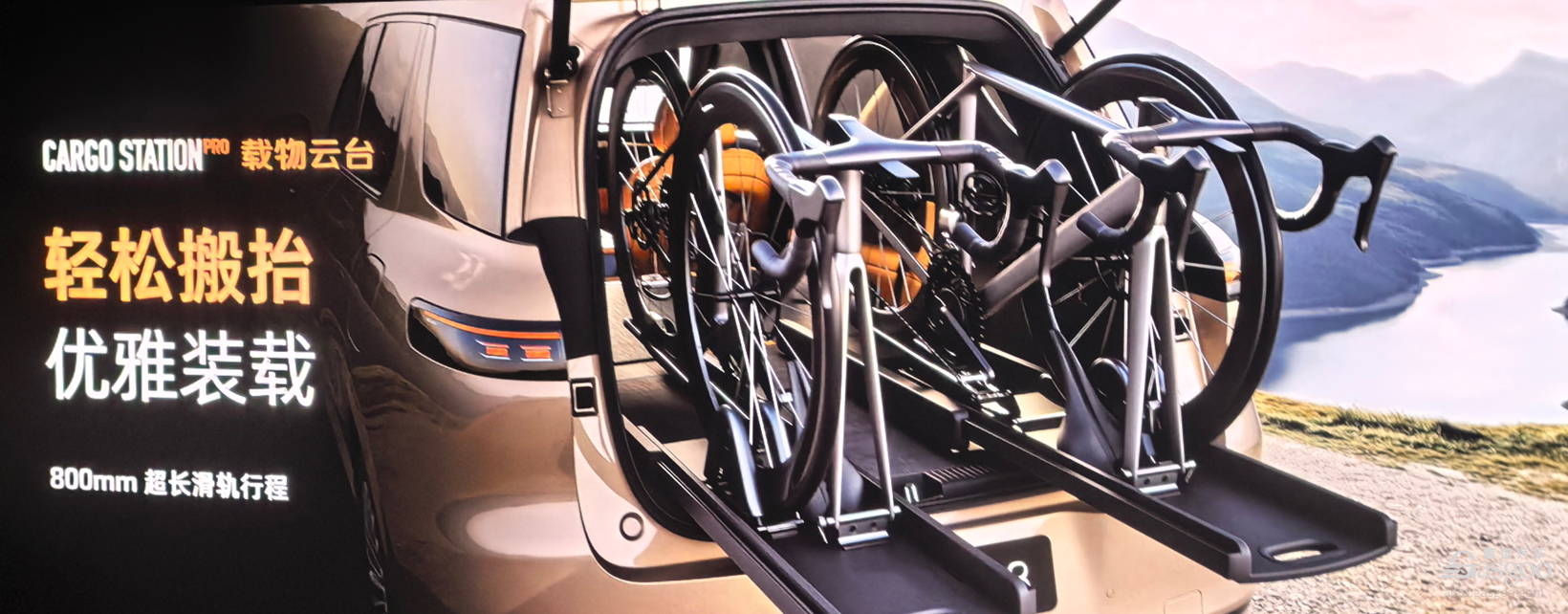
3, Solving "large but impractical." Many large SUVs claim to seat seven people, but the third row is cramped, and the trunk is too small for a stroller. The five-seat version of the LS8 offers something counterintuitive: with five people on board, the trunk can still fit 15 20-inch suitcases. There is also a practical detail: a cargo platform designed for cycling enthusiasts that can carry two standard road bikes directly.
There are many similar details: a hot and cold refrigerator, B&O audio, 4D massage seats...
IM's strategy indicates that automakers are no longer just piling on specifications but are starting from actual user needs to solve "usability" issues. It is understood that the storage space for cyclists in the LS8 five-seater was a user suggestion raised during a discussion, which was subsequently implemented. This ability to "listen to users," if maintained, will be more effective in building customer loyalty than any technical specification.
How Will IM Break Through Amidst the Rivalry?
No matter how good the technology, it is meaningless if users do not trust the brand. IM is aware of this. Therefore, it must answer a more fundamental question: with brands like Li Auto and AITO having already established strong psychological barriers, why should consumers choose IM?
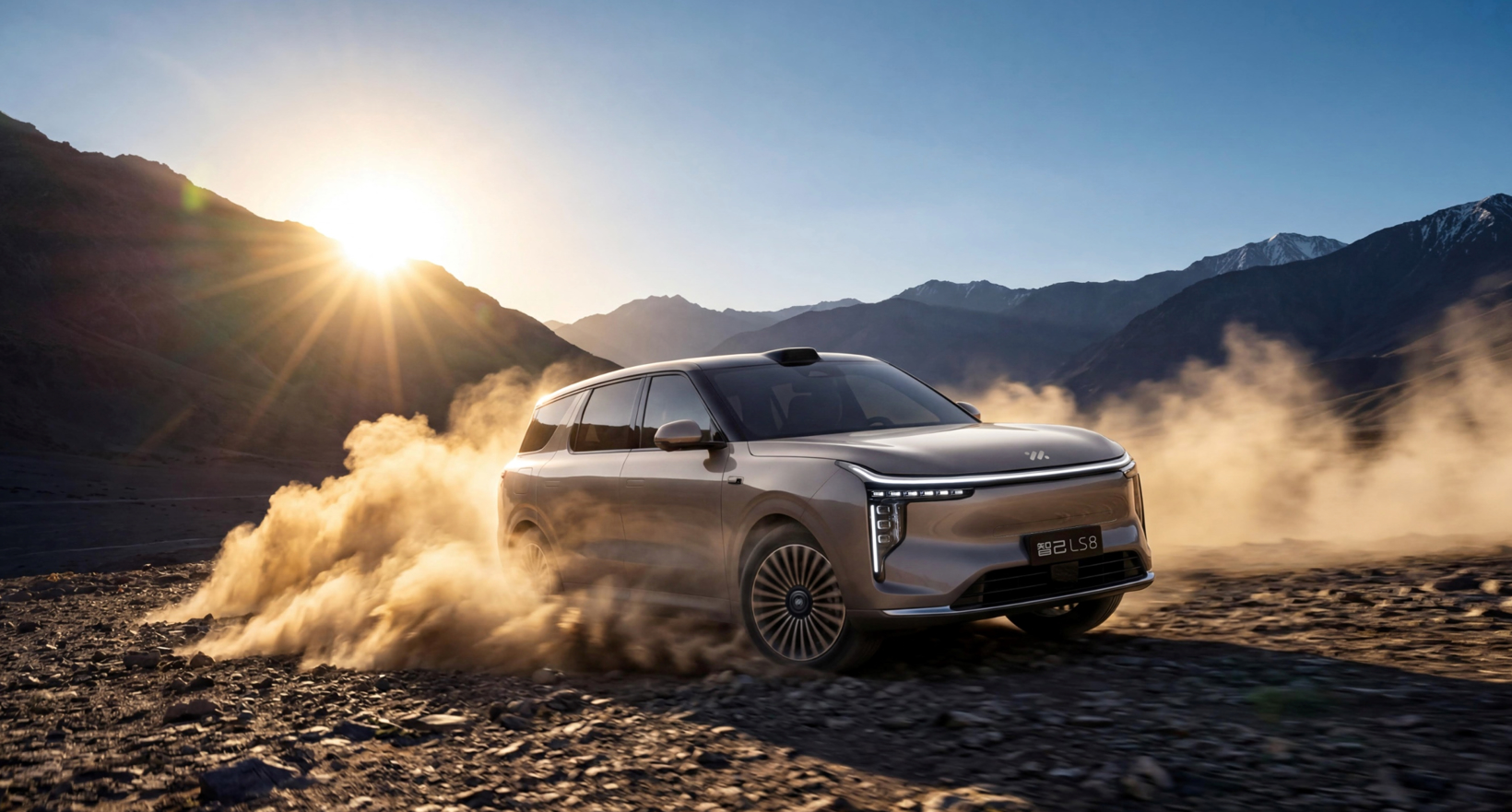
Image source: IM Motors
Addressing this, IM Motors CMO Li Weimeng mentioned three pillars during a media briefing. They may sound like standard answers at first, but a closer look reveals solid support for each.
1, The strength of a major manufacturer. IM is SAIC Motor's "Project 1." It not only receives joint support from SAIC and major shareholder Alibaba but also possesses a robust supply chain system—deep cooperation with CATL, Momenta, and others allows the immediate application of cutting-edge technology to products, with guaranteed quality.
2, Recognition in overseas markets. IM has entered 33 countries and regions, garnering positive reviews in competitive markets like Thailand and the UK. Driving habits, road conditions, and regulations vary internationally; standing firm in those environments proves the product has a solid foundation, not just marketing hype.
3, Genuine user reputation. Over five years of development, IM has earned significant user recognition. On Jellan Road's NPS (Net Promoter Score) list, IM consistently ranks high, meaning users are willing to recommend IM to others.
"Technological leadership, the ability to understand users, quality and high-volume delivery, plus the backing of a major manufacturer will definitely allow us to break through," Li Weimeng concluded.
The LS8 case reflects a broader industry trend: in an era of increasing technological homogeneity, being "deeply resonant" is more challenging than being "flashy." The range extender is not the end goal; the real user experience is. Brands that succeed are often those that can deliver advanced technology, listen to users, and back their promises with corporate strength. This, perhaps, is the "difference" the IM LS8 aims to convey.


