



Gasgoo Munich- Auto China 2026, one of the global auto industry's most closely watched events, will run from April 24 to May 3 in Beijing. While major international automakers will be present, it is China's domestic brands that are expected to command the spotlight, each arriving with a slate of high-profile new models. Here is an early look at some of the most significant debuts that could define the show floor—and perhaps your next car.
All-new Li L9 Livis
The all-new Li L9 is set to make its public debut at the Auto China 2026 as a full-size, six-seat flagship SUV. The top-spec Livis variant has been priced at 559,800 yuan, positioning it directly against premium rivals such as the AITO M9 and Mercedes-Benz GLS.
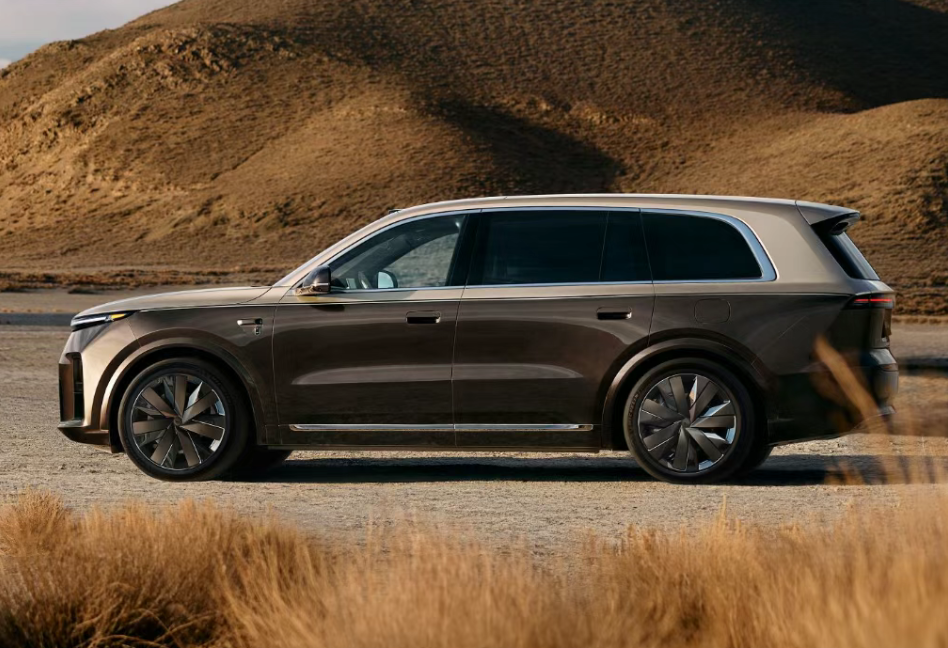
All-new Li L9 Livis; image source: Li Auto
Styling remains consistent with Li Auto's established design language, highlighted by a signature multi-color halo light bar and adaptive driving beam headlights. The Livis edition adds exclusive dual-tone paintwork with a triple-layer finish.
The vehicle measures 5,255 mm in length, 2,000 mm in width, and 1,810 mm in height, with a 3,125 mm wheelbase.
Technology is a central focus. The cabin features a five-screen, 3D interactive setup, including a 15.7-inch OLED dual display and a 21.4-inch 3K rear entertainment screen, paired with a 2,160-watt immersive audio system.
For driver assistance, the vehicle uses two in-house 5nm "Mach 100" chips, while the Livis trim integrates four LiDAR units for full 360-degree perception, laying the groundwork for Level 3 autonomous driving capability.
Power comes from a third-generation 1.5T range-extender system mated to a 72.7 kWh battery pack, delivering a CLTC battery-powered range of 420 km and supporting 5C ultra-fast charging. The chassis adopts an 800V architecture with a fully active suspension and full chassis-by-wire system, integrating rear-wheel steering and electronically controlled braking.
All-new AITO M9
The All-new AITO M9 will open for pre-orders on April 22 ahead of its official debut in Beijing. The model introduces a six-LiDAR driver assistance system and, for the first time, a fully active suspension. The REEV version offers up to 335 km of battery-powered-only range and a combined range of 1,474 km, alongside increased overall dimensions.
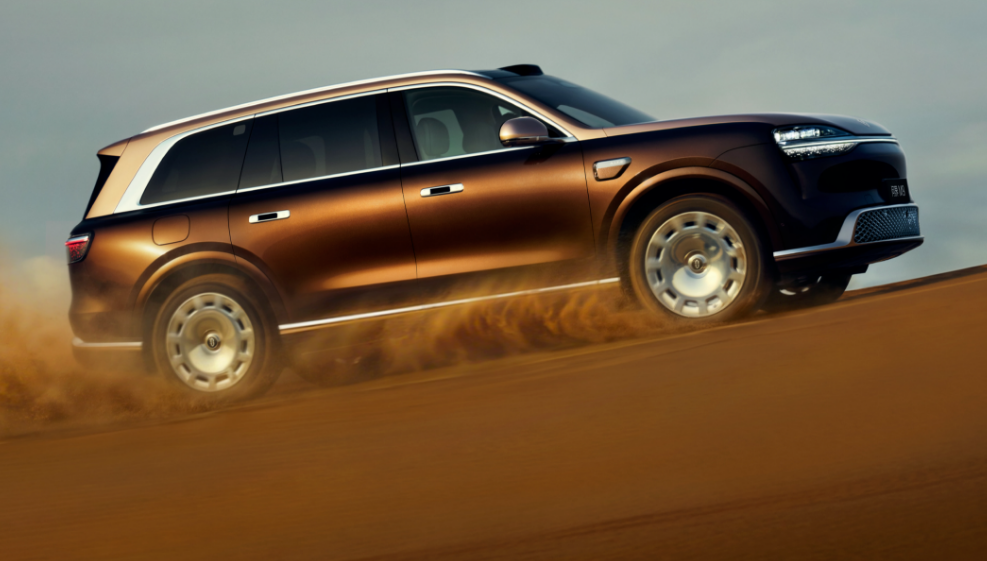
New-gen AITO M9; image source: AITO
Visually, the SUV adopts a full-width integrated lighting signature, complemented by a mesh-style chrome grille. New design elements include illuminated "starlight" door handles and redesigned wheels, with additional chrome detailing at the rear.
Visually, the SUV adopts a full-width integrated lighting signature, complemented by a mesh-style chrome grille. New design elements include illuminated "starlight" door handles and redesigned wheels, with additional chrome detailing at the rear.
Its sensing architecture combines one 896-line LiDAR, four high-precision solid-state units, and an in-cabin LiDAR vision sensor, significantly improving detection accuracy and providing hardware redundancy for future Level 3 and Level 4 autonomy.
Regulatory filings indicate the REEV version pairs a 1.5T engine with dual motors (220 kW front, 277 kW rear) and 60 or 75 kWh battery options. The BEV variant features a 120 kWh pack with dual-motor AWD and 800V fast charging capability.
WEY V9X
WEY has begun pre-sales of its new flagship SUV, the V9X, with pricing starting from 371,800 yuan. The model will also be displayed at the show. Built on the GWM ONE S platform, the model features a dual VLA large-model intelligent driving system capable of navigation-on-autopilot (NOA) across both urban and highway scenarios. Rear-wheel steering and a closed dual-chamber air suspension come standard across the lineup.
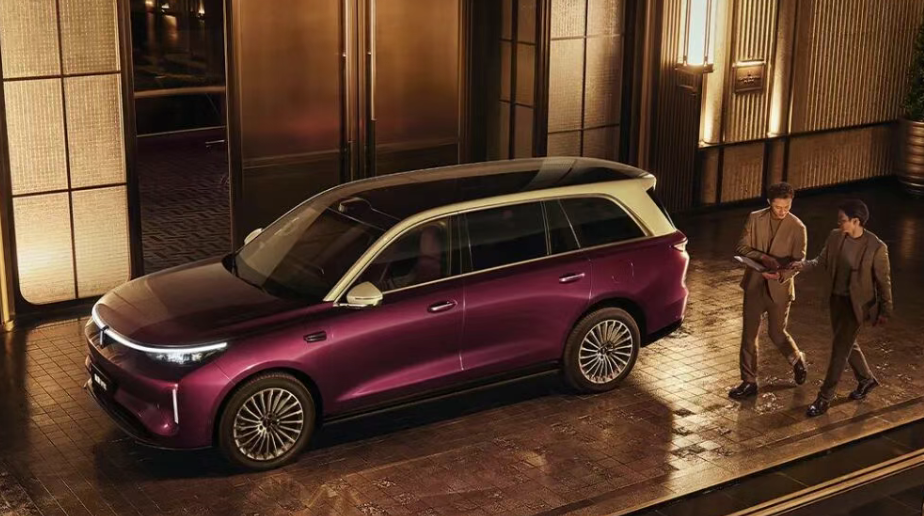
Image source: WEY
The design draws on Oriental architectural themes, with a halo-style light bar and an illuminated floating badge up front. Blue indicator lights for driver assistance are integrated into the lower fascia, while the side profile features overhanging "eaves"-inspired lines and traditional door handles. The large SUV adopts a 2+2+2 six-seat configuration.
Inside, the cabin integrates dual 17.3-inch displays alongside a 12.3-inch instrument cluster, powered by Qualcomm's 8295P chip and WEY's in-house developed AI assistant. A total of 27 sensors and a Thor-U chip delivering 700 TOPS of computing power support its advanced driver assistance functions.
The WEY V9X uses an 800V platform paired with a 2.0T Hi4 plug-in hybrid system and a dedicated four-speed hybrid transmission, producing up to 550 kW. It offers multiple ternary lithium battery options with a maximum CLTC battery-powered range of 470 km and supports 6C fast charging. The chassis setup enables a tight 5.1-meter turning radius for a vehicle of its size.
LUXEED V9
The LUXEED V9 marks the first flagship MPV under Huawei's Harmony lntelligent Mobility Alliance (HIMA) and is scheduled to debut in Beijing ahead of its market launch in May.
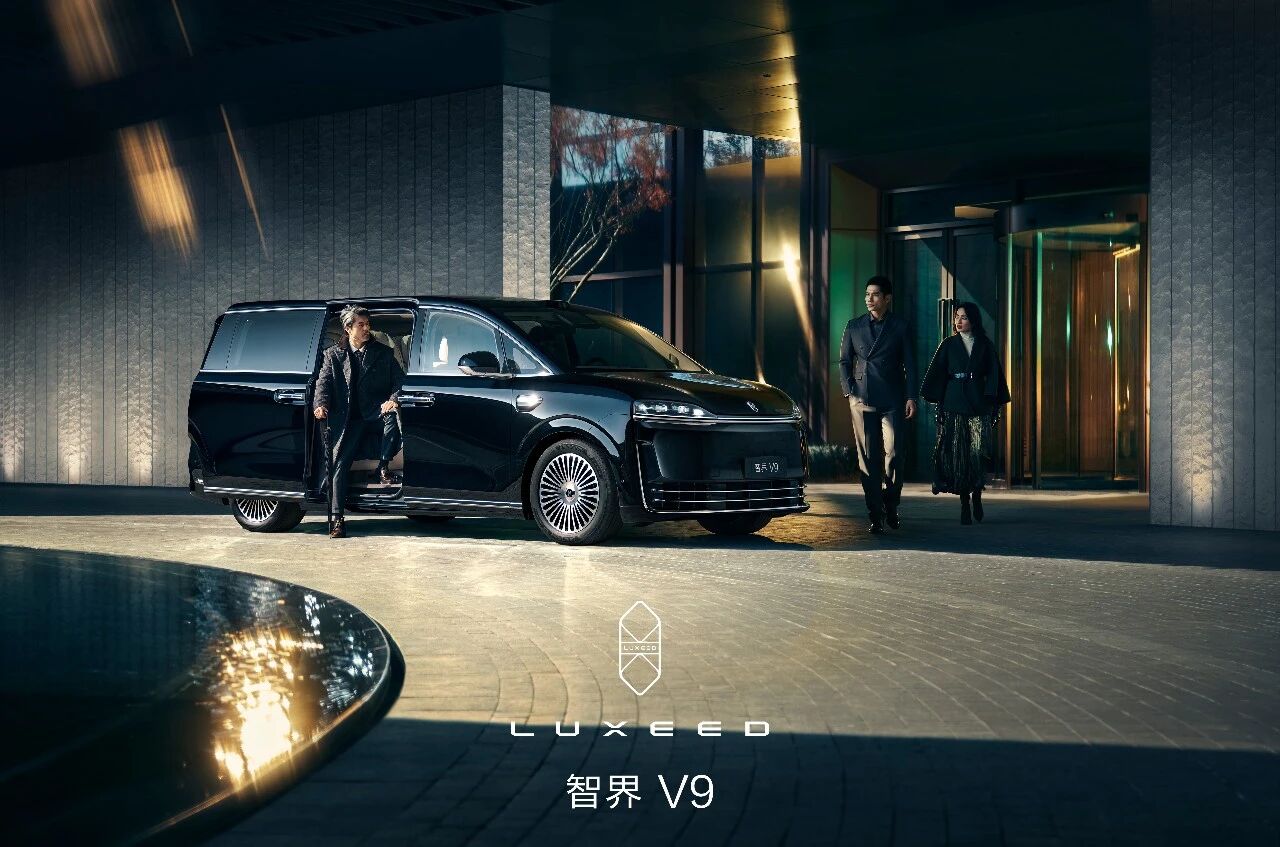
Image source: LUXEED
The exterior follows a minimalist, tech-forward design language, with a closed grille and full-width light bar. It also features Huawei's XPIXEL projection headlights capable of interactive lighting effects. The MPV measures 5,359 mm in length, 2,009 mm in width, and 1,879 mm in height, with a 3,250 mm wheelbase, and adopts a 2+2+3 seven-seat layout.
The interior centers on a panoramic triple-screen layout with dual 17.2-inch displays powered by the HarmonySpace cockpit. Second-row passengers benefit from dual zero-gravity seats with multiple rotation modes, complemented by a 21.4-inch 3K mounted display and a 10.9-liter smart refrigerator.
Its sensing suite combines a dual-path imaging LiDAR with four auxiliary LiDAR units, enabling full surround perception. Paired with ADS 4.0, the system supports automated parking across varied scenarios and is theoretically capable of Level 3 assisted driving.
Power is supplied by Huawei's 1.5T "Xue Xiao" intelligent range-extender system, paired with a 53 kWh battery and a 60-liter fuel tank, achieving a CLTC combined range of 1,250 km. A dual-chamber air suspension and continuously variable damping system, together with rear-wheel steering, help deliver a 5.35-meter turning radius—enhancing maneuverability for a large MPV.
Leapmotor D99
Leapmotor is preparing to showcase its first flagship MPV, the D99, at the Auto China 2026, marking a significant step upmarket for the brand.
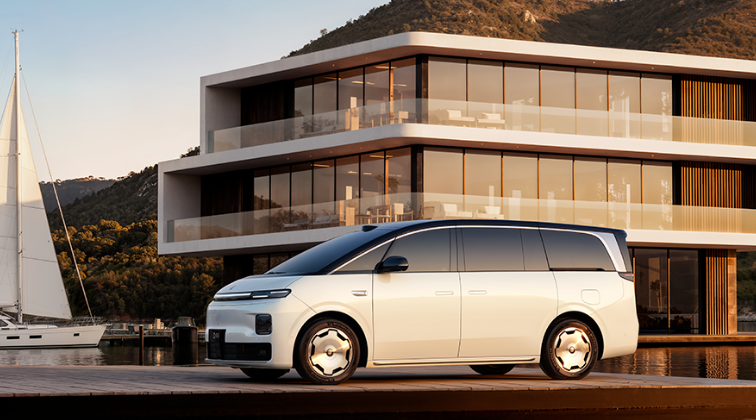
Image source: Leapmotor
Built on the new LEAP 4.0 architecture, the model debuts dual Qualcomm 8797 chips and supports both on-device large-model intelligent cockpit functions and advanced VLA-based driver assistance. Across the lineup, the D99 comes standard with a dual-chamber closed air suspension and CDC adaptive chassis system. The vehicle also adopts a 1000V electrical platform, with its battery-electric version offering a driving range exceeding 500 km.
In terms of design, the D99 follows Leapmotor's D-series styling, incorporating pixel-level DLP projection headlights and an active grille shutter system at the front. At the rear, an ISD interactive light panel enables customizable display patterns.
The MPV measures 5,280 mm in length, 1,995 mm in width, and 1,900 mm (or 1,880 mm) in height, with a 3,110 mm wheelbase, and adopts a 2+2+3 seven-seat configuration.
A major highlight lies in its cabin technology. The vehicle integrates an automotive-grade "oxygen cabin" system, while second-row zero-gravity seats offer four-way leg support and full recline functionality. Rear passengers can opt for a foldable large display, onboard refrigerator, and a 21.4-inch roof-mounted screen. Powered by dual Qualcomm 8797 chips and a centralized domain controller integrating cockpit and driving systems, the D99 also supports advanced safety features such as active AEB and AES emergency avoidance.
On the powertrain side, the BEV version runs on a 1,000V high-voltage system and is equipped with a 115 kWh CATL battery, delivering an estimated range of 720 km to 800 km. The REEV variant adopts an 800V platform, pairing a 1.5T engine with an 80.3 kWh battery for a battery-powered range of 500 km. Both versions benefit from a chassis setup combining dual-chamber air suspension and CDC damping for a balance of ride comfort and handling.
Yijing X9
On April 20, the chairman of Yijing Auto revealed the exterior design of the brand's first flagship six-seat SUV, officially naming it the Yijing X9.
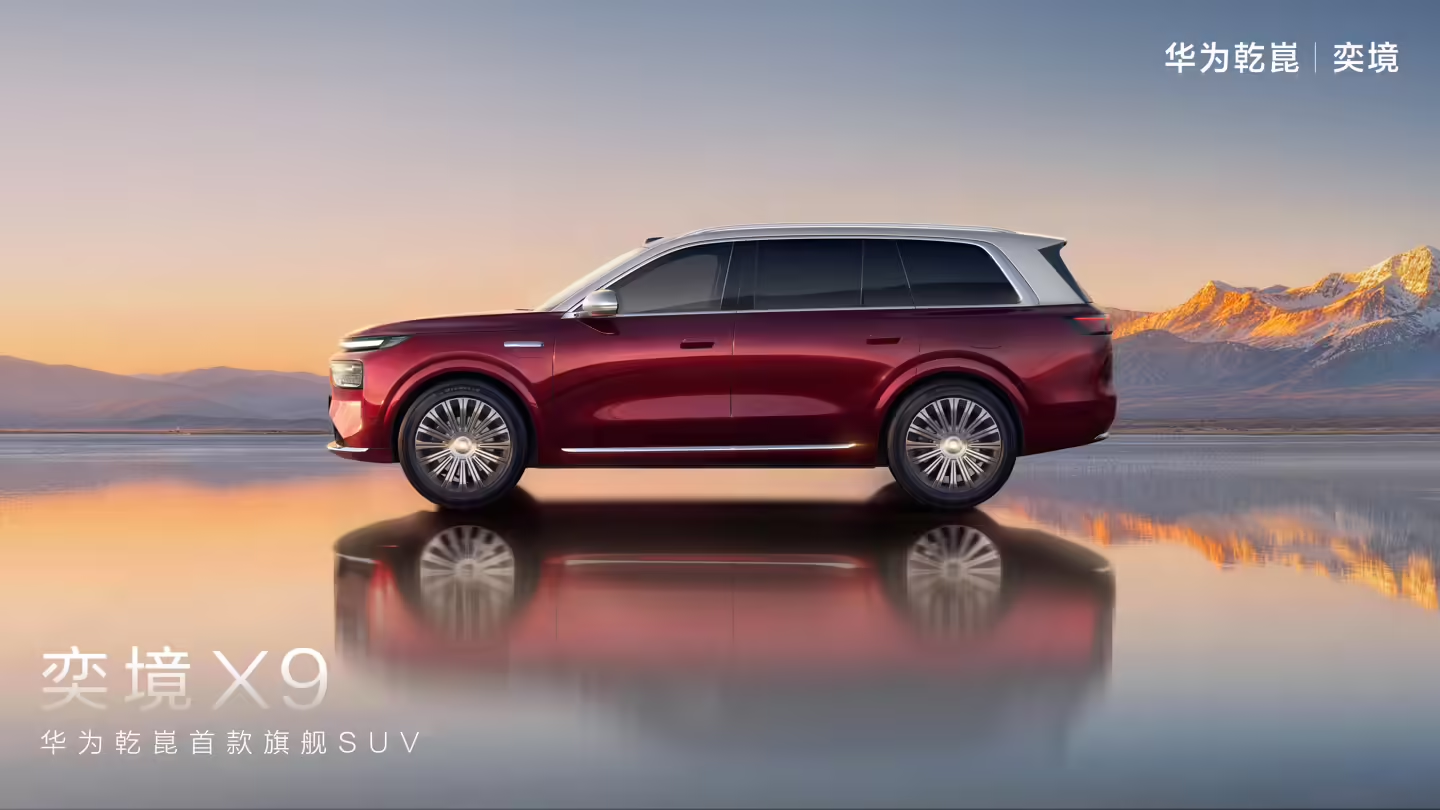
Image source: Yijing Auto
The model is scheduled to debut on April 23, 2026, at Huawei's Qiankun Ecosystem Technology Conference, before making its global public appearance a day later at Auto China 2026 in Beijing.
Developed as a deep collaboration between Dongfeng and Huawei Qiankun, the Yijing X9 is positioned as a full-size, six-seat flagship SUV. Publicly disclosed specifications indicate a body length of approximately 5.3 meters and a wheelbase of 3.1 meters. The vehicle is set to debut a new generation of Huawei technologies, including the CAS 5.0 six-dimensional collision avoidance system, an in-cabin AI multi-modal sensing system, and the HUAWEI XSCENE in-vehicle laser projection solution. It will also integrate Huawei's full-stack Qiankun ecosystem, spanning intelligent driving, vehicle control, in-car lighting, cloud connectivity, and the HarmonySpace cockpit.
Images released so far suggest a commanding presence, with a stretched, confident stance. The side profile features a nearly flat character line, using minimalist surfacing to convey a premium and refined aesthetic.
XPENG GX
The XPENG GX, another headline debut at the Auto China 2026, is positioned as a full-size flagship SUV built on the company's SEPA 3.0 architecture.
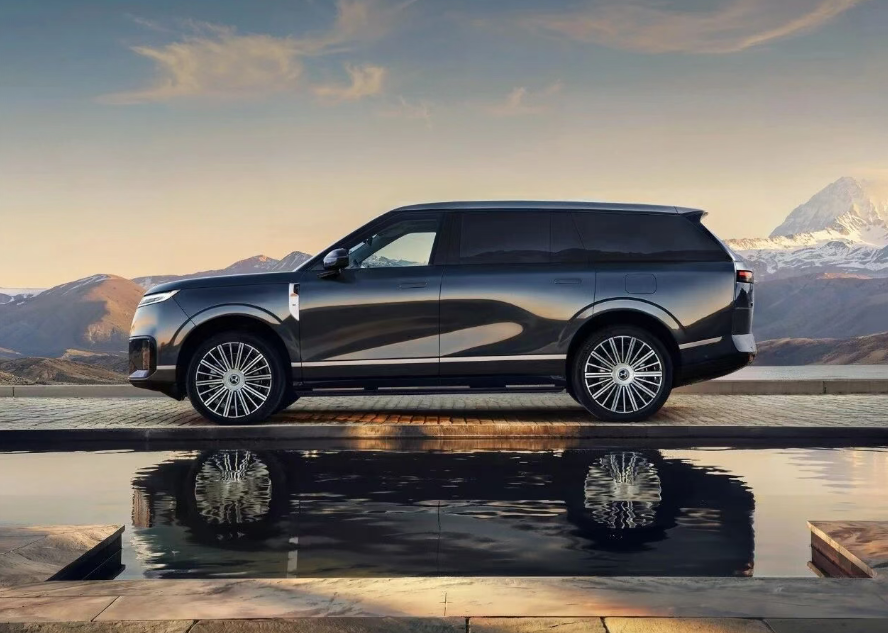
Image source: XPENG
The model is equipped with four in-house developed Turing AI chips and is engineered on a platform aligned with Level 4 autonomous driving standards. It adopts a fully proprietary AI-driven chassis-by-wire system, with steer-by-wire and rear-wheel steering included as standard. Both BEV and REEV variants will be offered, targeting a balance between long-distance capability and high performance.
In terms of design, the XPENG GX adopts a streamlined, yacht-inspired silhouette paired with a floating roof, creating a composed and upscale visual identity. The front fascia features a closed grille, segmented daytime running lights, and vertically oriented lamp clusters.
The SUV measures 5,265 mm in length, 1,999 mm in width, and 1,800 mm in height, with a wheelbase of 3,115 mm, and is configured with six seats.
The cabin emphasizes advanced digital features, including a large floating central display, AI-enhanced audio system, onboard refrigerator, and adaptive privacy glass. Its intelligent driving system leverages four Turing AI chips delivering up to 3,000 TOPS of computing power, paired with a second-generation VLA large model capable of handling complex scenarios such as campus navigation and obstacle avoidance.
On the powertrain front, the BEV version is built on an 800V platform and offers a maximum CLTC range of 750 km. The REEV version pairs a 1.5T engine with a system capable of delivering 430 km of battery-powered range and a combined range of 1,585 km. The chassis integrates dual-chamber air suspension and CDC damping control, along with AI-driven drive-by-wire systems, enabling a turning radius of just 5.4 meters despite the vehicle's size.
Huajing S
The Huajing S, a flagship six-seat SUV jointly developed by SAIC-GM-Wuling and Huawei Qiankun, is set to make its official appearance at the Auto China 2026, with a market launch expected in the first half of the year. Positioned as a technology-focused family SUV, the model comes standard with Huawei Qiankun's ADS Pro enhanced intelligent driving system across all variants. It is powered by the Lingxi Power 3.0 plug-in hybrid system, delivering a combined driving range of more than 1,100 km on a full tank and full charge, underscoring its balance of intelligence, space, and endurance.
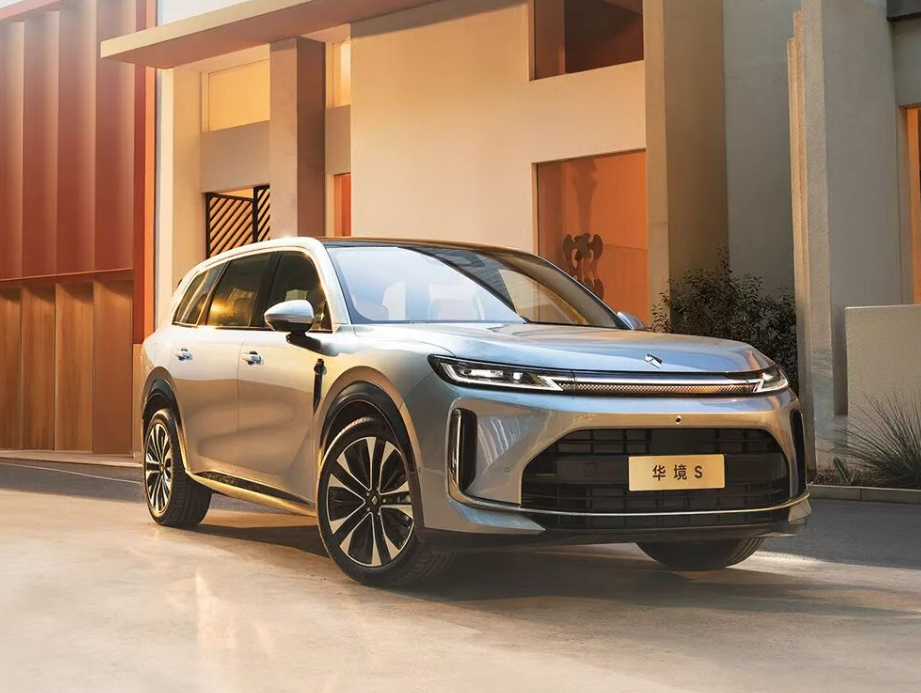
Image source: SGMW
In terms of styling, the Huajing S adopts a clean and understated design language. The front fascia features sharp "Smart Eye" headlights, while the rear is defined by a full-width "Aurora Wing" light signature. The SUV is offered in four exterior colors, including black and white finishes inspired by jade tones. Measuring 5,235 mm in length, 1,999 mm in width, and 1,800 mm in height, with a 3,105 mm wheelbase, it is configured in a 2+2+2 six-seat layout.
Technology stands at the core of the vehicle's appeal. The SUV integrates Huawei's ADS Pro enhanced system, supported by an in-cabin LiDAR-based vision solution Limera, one solid-state LiDAR sensor, and 11 high-definition cameras. At launch, it will support navigation-assisted driving in both urban and highway environments, as well as multi-scenario automated parking. Inside, the HarmonySpace 5 cockpit enables seamless interaction between mobile devices and the vehicle, while a four-zone voice control system allows passengers to manage various functions. Rear occupants are catered to with a ceiling-mounted display, fold-out tables, and an onboard refrigerator.
Under the hood, the Huajing S features a 1.5T plug-in hybrid system. The all-wheel-drive variant delivers a combined output of 386 kW and 620 N·m of torque, enabling a 0–100 km/h sprint in 5.2 seconds. Battery options of 31 kWh and 41.9 kWh provide up to 255 km of battery-powered range under CLTC conditions, while total range exceeds 1,100 km. The chassis setup includes a double-wishbone front suspension and a multi-link rear suspension, complemented by electronically controlled continuously variable damping.
Geely Galaxy Zhanjian 700
Geely Galaxy will introduce its first AI-powered all-terrain SUV, the Zhanjian 700 ("Zhanjian" translating to "Battleship"), at the Auto China 2026, with a market launch expected later this year. Designed as a rugged yet intelligent off-roader, the model combines a body-on-frame structure with an AI-driven all-wheel-drive system and a tri-motor layout, aiming to deliver both strong off-road capability and advanced digital features.
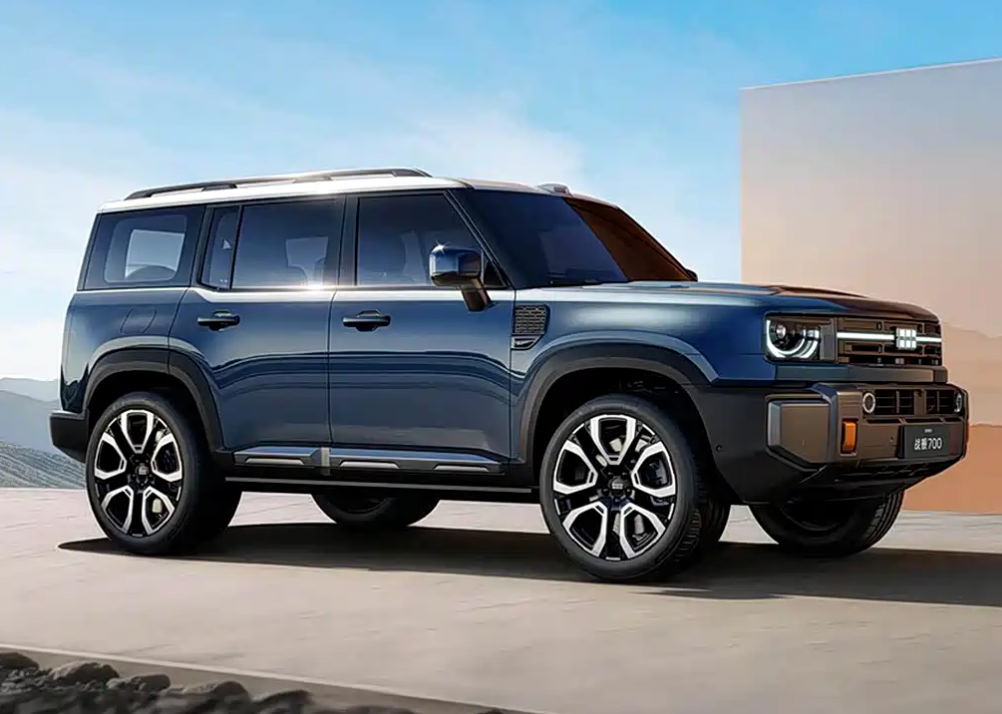
Image source: Geely Galaxy
The vehicle adopts a boxy, upright silhouette typical of hardcore SUVs. Its front end features a semi-enclosed grille paired with matrix-style headlights, while the rear is equipped with an externally mounted spare tire and vertically oriented taillights. Optional roof accessories include a cargo platform and side ladder, reinforcing its expedition-ready character.
On the technology front, a roof-mounted LiDAR system is expected to support Geely's G-ASD H7 advanced driver assistance solution, enabling navigation-on-autopilot functions in both highway and urban settings. Inside the cabin, physical buttons and a traditional gear selector are retained for ease of operation during off-road driving. Higher-end variants will also feature BeiDou satellite communication, allowing location data to be transmitted even in areas without cellular coverage.
Powering the model is a 1.5T plug-in hybrid system paired with three electric motors, delivering a combined output of 640 kW. The AI-powered four-wheel-drive system supports advanced functions such as crab walking, tank turns, and tire blowout control. Structurally, the SUV uses a non-unibody body-on-frame construction with an integrated ladder chassis.
Final thoughts
Taken together, these upcoming debuts from Chinese automakers underscore a broader transformation in the industry. Advances in intelligent driving systems, high-voltage architectures, and extended driving range are no longer incremental—they represent a decisive leap forward. More importantly, they signal a shift in positioning, as Chinese brands move beyond catching up with global competitors to actively shaping the direction of the automotive market. For consumers, these models are likely to rank among the most compelling launches to watch at Auto China 2026.


