



Gasgoo Munich- As Chinese brands rush overseas, building new plants has become a key metric for gauging a company's global ambition.
Geely, however, is bucking the trend. Li Shufu, chairman of Geely Holding Group, has made it clear: "The global auto industry is facing severe overcapacity, and Geely will no longer build new factories." Instead, the company is driving expansion through partnerships, integration, and revitalizing existing capacity.
From its partnership with Renault in South America to recent talks of potential collaboration with Ford in Europe, Geely is putting this pledge into action. In a way, this offers a different blueprint for Chinese automakers going global.
Why Not Build?
Geely's decision isn't driven by financial pressure. In 2025, Geely Holding Group's global sales hit 4.116 million units, up 26% year-on-year. New energy vehicle sales jumped 58% to 2.29 million, with a penetration rate approaching 60%. In the first three quarters of 2025, listed entity Geely Auto reported a net profit of 13.1 billion yuan. With ample cash flow and solid financials, Geely clearly has the muscle to build its own plants.
Despite having the capacity to invest, Geely has hit the pause button on construction. The core reason is severe global overcapacity.
In China, data from the National Bureau of Statistics shows capacity utilization in auto manufacturing dropped to just 73% in 2025, a significant slide from 2017. Europe and the U.S. face similar issues. European auto plants are running at roughly 55% capacity on average, with many operating at low loads for long periods. The U.S. market also saw utilization fall to about 65% in 2025.

Image Source: Geely
Against this backdrop, large-scale construction by automakers won't just fail to boost efficiency; it risks exacerbating resource misallocation.
In Li Shufu's view, Chinese automakers "going out" shouldn't disrupt local industrial systems but should complement the supply chain. By leveraging idle plants and mature workforces, Geely solves production localization while revitalizing stagnant resources. Amid a complex geopolitical landscape, this approach also helps lower barriers to entry.
Geely Auto stated that the company is exploring various ways to expand capacity, guided by a core principle: utilize surplus capacity wherever possible, rather than building new plants or simply expanding existing ones.
So, what are the advantages of the contract manufacturing model?
First, the benefits of asset-light operations: low investment, low risk. Building a plant overseas typically requires billions of dollars. It involves long construction cycles, complex approvals, and uncertainties around environmental and labor regulations. Take Tesla: its German plant, launched in 2019, took two and a half years to start production despite government fast-tracking. It faced repeated delays over environmental issues, creating significant cost and time pressure.
By contrast, partnering or leasing existing capacity allows Geely to significantly reduce upfront investment, channeling more resources into R&D and marketing.
Second, speed to market. Building a factory from scratch takes two to five years; retrofitting an existing plant can achieve mass production in as little as six months. Previously, Geely quickly alleviated capacity pressure for its Galaxy series by leasing SAIC-GM's Shenyang Beisheng plant.
Third, direct access to the partner's localization capabilities. Contract manufacturers usually possess mature production systems and regulatory compliance experience. Magna, for example, offers end-to-end services in Europe—from welding and assembly to regulatory certification and software adaptation—helping Chinese brands enter local markets faster.
Cao Guangping, a partner at Cheshang Consulting, also believes that as barriers against Chinese automakers strengthen in Europe, seeking contract manufacturing and strategic alliances—bundling with partners for mutual gain—may help mitigate risks.
From a macro perspective, Geely's approach aligns with policy guidance. Whether in China or other auto hubs, there is a conscious push to optimize and integrate capacity, avoiding redundant construction and encouraging mergers, acquisitions, and asset sales to boost efficiency. Geely's "rental over construction" and "cooperation over construction" path is a direct response to this thinking.
From Renault to Ford
Cao Guangping points out that intensifying competition at home—marked by price wars and a barrage of new product launches—has put top automakers under temporary pressure, making overseas expansion inevitable. Globally, some European and American automakers are seeing sales slip and capacity sit idle. Their market contraction creates a practical window for Chinese companies to enter via contract manufacturing or capacity cooperation.
Currently, some Western automakers are in a phase of strategic retrenchment and capacity adjustment. They have a practical need to cede market share or boost asset efficiency through factory partnerships or contract manufacturing. In this context, Chinese automakers entering overseas markets through capacity collaboration is essentially a two-way street: one side needs market access and production outlets; the other needs growth points and higher asset efficiency.
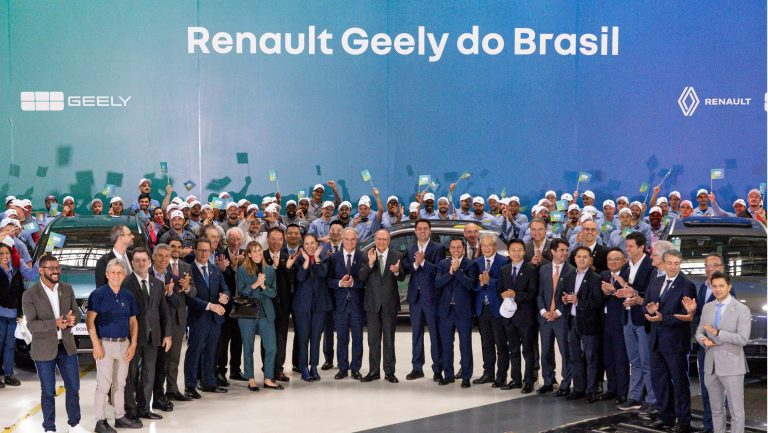
Image Source: Geely Holding Group
From what's publicly known, whether it's the Renault partnership in South America or the recent news of potential capacity collaboration with Ford in Europe, Geely's choice of partners follows a clear and consistent logic. But why Renault and Ford?
Both Renault and Ford are globally recognized multinationals with deep roots in mainstream markets. They have established sales networks and service systems across multiple countries and regions, offering stable market coverage. For Chinese automakers seeking quick entry, these channels and brand equity hold tangible value.
Yet, unlike Volkswagen or Toyota, they do not sit at the absolute pinnacle of the global auto industry. Their profitability and market position mean they have greater flexibility in capacity utilization and cooperation models—and more motivation to partner up to revitalize existing resources.
On a product level, both have long catered to the mass market. Their model positioning, price ranges, and target demographics align closely with Geely's proprietary mid-to-high-end and mass-market product lines.
More practically, whether it's Renault's South American plants or Ford's European capacity, both face underutilization due to strategic shifts or market changes. For Geely, these factories—equipped with mature manufacturing systems, compliance qualifications, and skilled workers—are "ready-made resources" ready for rapid conversion.
Because their market focuses differ, each partner brings distinct advantages to Geely.
As a traditional European automaker, Renault holds significant share in the affordable segment and possesses mature knowledge of local regulations, consumer preferences, and supply chain structures.
Moreover, Renault has shown a high acceptance of the Chinese automotive supply chain in recent years, repeatedly praising the completeness and leadership of China's new energy vehicle industry. Renault has not only integrated Chinese suppliers into its core electrification procurement system but is also willing to collaborate with Chinese automakers through contract manufacturing and joint ventures. Beyond Geely, Renault has also engaged in talks with Chery.
Building on their previous cooperation in powertrains, the push for vehicle manufacturing collaboration has been smooth. In January, Renault announced that a hybrid crossover SUV produced at its Korean plant is based on Geely's modular architecture, with a market launch planned for March.
This indicates that both sides have achieved substantive alignment in manufacturing standards, quality control, and compliance certification. It also accumulates experience for Geely to enter more mature markets through Renault's channels in the future.
Furthermore, Renault's former alliance with Nissan and Mitsubishi, plus its close ties with state-owned Dongfeng, give it a deeper understanding of Asian industry rhythms and supply chains. This helps reduce friction costs in cross-regional collaboration.
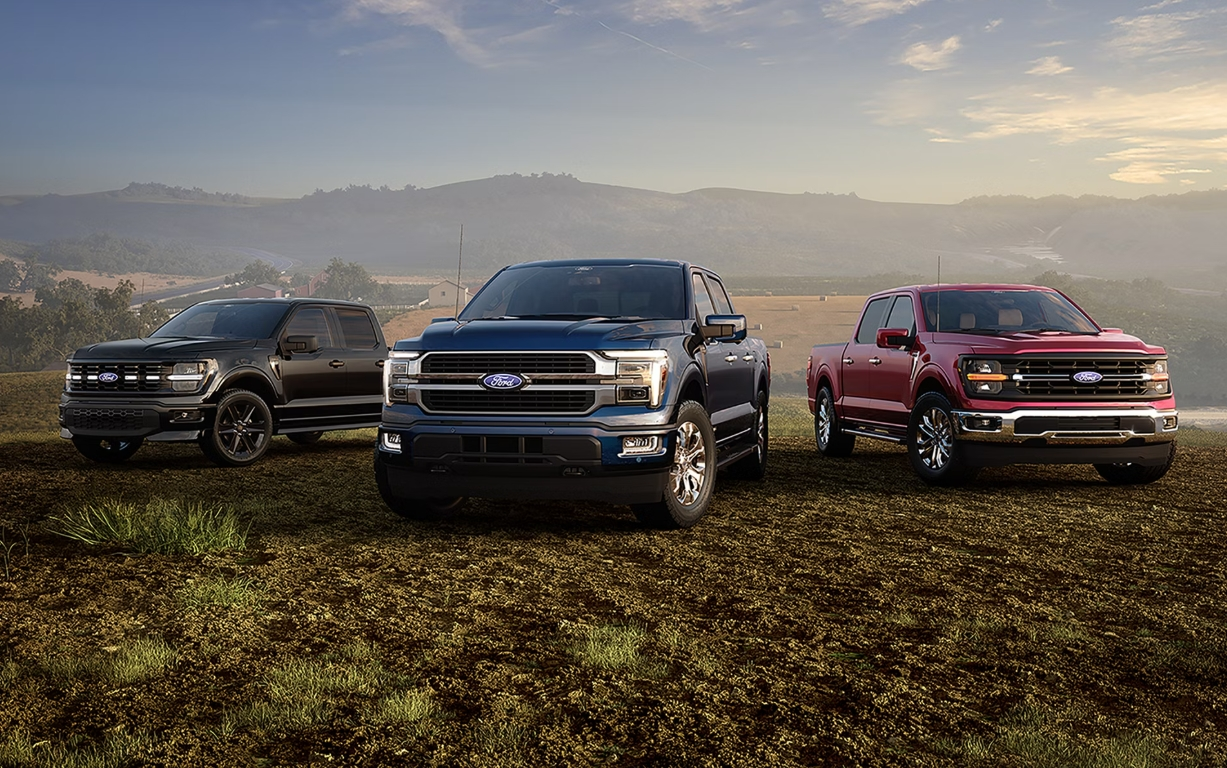
Image Source: Ford Motor
By contrast, Ford's strategic value lies more in its market symbolism and regional coverage.
As a U.S. automaker, Ford has deep roots in North America and still maintains significant sales volume in Europe. For Geely, which aims to establish a presence in both regions, Ford represents not just available capacity resources, but also a realistic entry point.
Moreover, Ford has adopted a relatively pragmatic attitude toward cooperation with Chinese companies during its new energy transition. Its joint battery plant venture with CATL in the U.S. sent a positive signal. In a complex trade environment, forming industrial-level partnerships with local firms helps mitigate the risks of entering the market alone.
In the U.S. market, Volvo may serve as a contract manufacturer for other Geely brands. Reports suggest Geely could launch and sell models from its ZEEKR and Lynk & Co brands in the U.S. before 2030. The production partner would be Volvo, utilizing its plant in South Carolina.
Within Geely, Volvo is positioned as a premium brand and a technological benchmark. Its cost structure and brand positioning do not fully align with the needs of Geely's mass-market models. Additionally, Volvo is in its own transition phase, and its capacity must prioritize its own strategic goals. Thus, Volvo's contribution to Geely's global expansion lies more in soft aspects like channels and compliance experience, rather than contract manufacturing.
Cao Guangping believes Geely's choice of Renault and Ford is driven by both long-term factors and current judgments. The core logic behind Geely's global expansion and contract manufacturing strategy boils down to four points: gaining market, saving costs, new layout, and reducing pressure. It expands overseas market share, avoids high construction costs, forms a new global layout, and alleviates pressure from domestic competition.
A Global Operations DNA
In fact, Geely's chosen path is built on years of accumulated experience in global operations.
Geely's globalization journey is widely considered to have begun with the acquisition of Volvo Cars. That deal—once seen as a "snake swallowing an elephant"—has yielded results far beyond a typical merger. Geely not only preserved Volvo's brand independence and premium positioning but also learned how to navigate multinational unions, adhere to strict European regulations, and manage a global R&D and production network.

Image Source: Geely Holding Group
Since then, Geely's global layout has unfolded in more diverse and profound ways. Taking control of London Electric Vehicle Company established a beachhead in electric commercial vehicles and the European high-end mobility market; acquiring a stake in Malaysia's Proton allowed it to export technology and management, helping Proton revive its fortunes; and the super-luxury brand Lotus was brought under Geely's wing, reborn through electrification.
More noteworthy is Geely's strategic investment to become a long-term shareholder of Daimler Group. This move went beyond traditional operational integration, entering the realm of capital and strategic synergy. Subsequently, Geely's tech incubation, ECARX, partnered with Mercedes-Benz to provide intelligent cockpit solutions for certain models.
This marks a leap in the Geely ecosystem's global capability from "capital influence" to "technology export." Technology licensing has also become a significant profit source. In 2024 alone, Geely's revenue from R&D and related technical support services reached 7.9 billion yuan.
Cao Guangping notes that Geely is "an automaker with an early global layout and a solid foundation for overseas cooperation," having accumulated rich experience in global product sales.
In R&D, Geely has established multiple centers globally, including the China-Europe Automotive Technology Center, forming a cross-time-zone, cross-cultural development system.
In supply chain and production management, experience from managing global plants like Volvo and Proton enables Geely to establish effective technical interfaces and quality oversight systems when partnering with external automakers.
In capital operations, Geely can deploy various commercial tools for global layout, flexibly designing cooperation models to share risks and benefits.
More importantly, years of multinational operations have allowed Geely to accumulate a pool of management and engineering talent familiar with international rules, technical standards, and cross-cultural collaboration. This constitutes a capability that is hard to replicate in its global strategy.
At the group level, its businesses and assets are distributed across multiple countries and regions, backed by relatively mature global operational experience. This experience encompasses not only post-merger integration but also the ability to coordinate the interests of various parties in different market environments.
Having built a first-mover advantage in smart new energy vehicles at home, promoting proprietary business overseas is a logical next step for Geely.
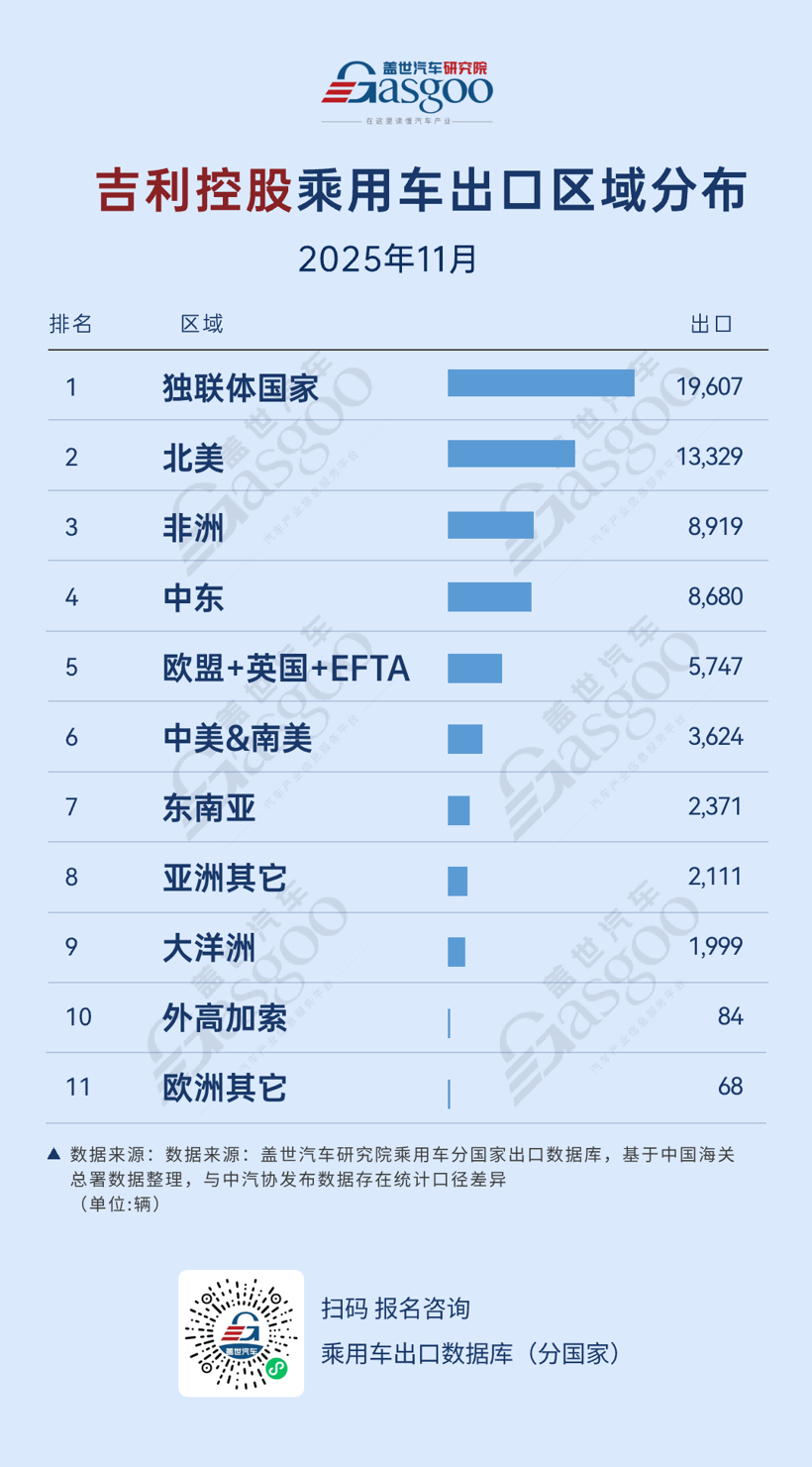
For Geely and other Chinese automakers, globalization is imperative. The competitive landscape at home is already fierce. Cao Guangping believes that starting this year, electric vehicle market share may hit a temporary ceiling. Looking long-term, China's auto market faces an aging user base and likely accelerating population decline over the next decade.
Under these circumstances, top automakers need overseas ventures to support half their business. "Developing international strategic alliances and technology exports may be a good strategic measure and tactical choice." Whether a company possesses global operational capabilities will become a key differentiator for long-term international competition.
In its globalization process, Geely's choice to engage in capacity cooperation with multiple multinational automakers is backed by a solid management foundation and clear expectations. Such cooperation involves not just manufacturing but also aligning quality systems, coordinating supply chains, and maintaining long-term operational relationships. Without the support of past experience, these risks and uncertainties would be significantly magnified.
Geely's approach offers a lesson for other Chinese automakers. At this stage, the path overseas is diverging: some choose heavy investment to quickly build overseas manufacturing bases, while others prefer entering markets through cooperation, contract manufacturing, and gradual expansion. Neither path is absolutely superior, but they place different demands on corporate resources, management capabilities, and risk tolerance.
Geely's path demonstrates that in the context of a deep adjustment in the global auto industry, going global does not necessarily require large-scale factory construction as a prerequisite. By integrating existing resources, leveraging partner networks, and combining them with long-standing international experience, it is possible to achieve steady expansion.


