



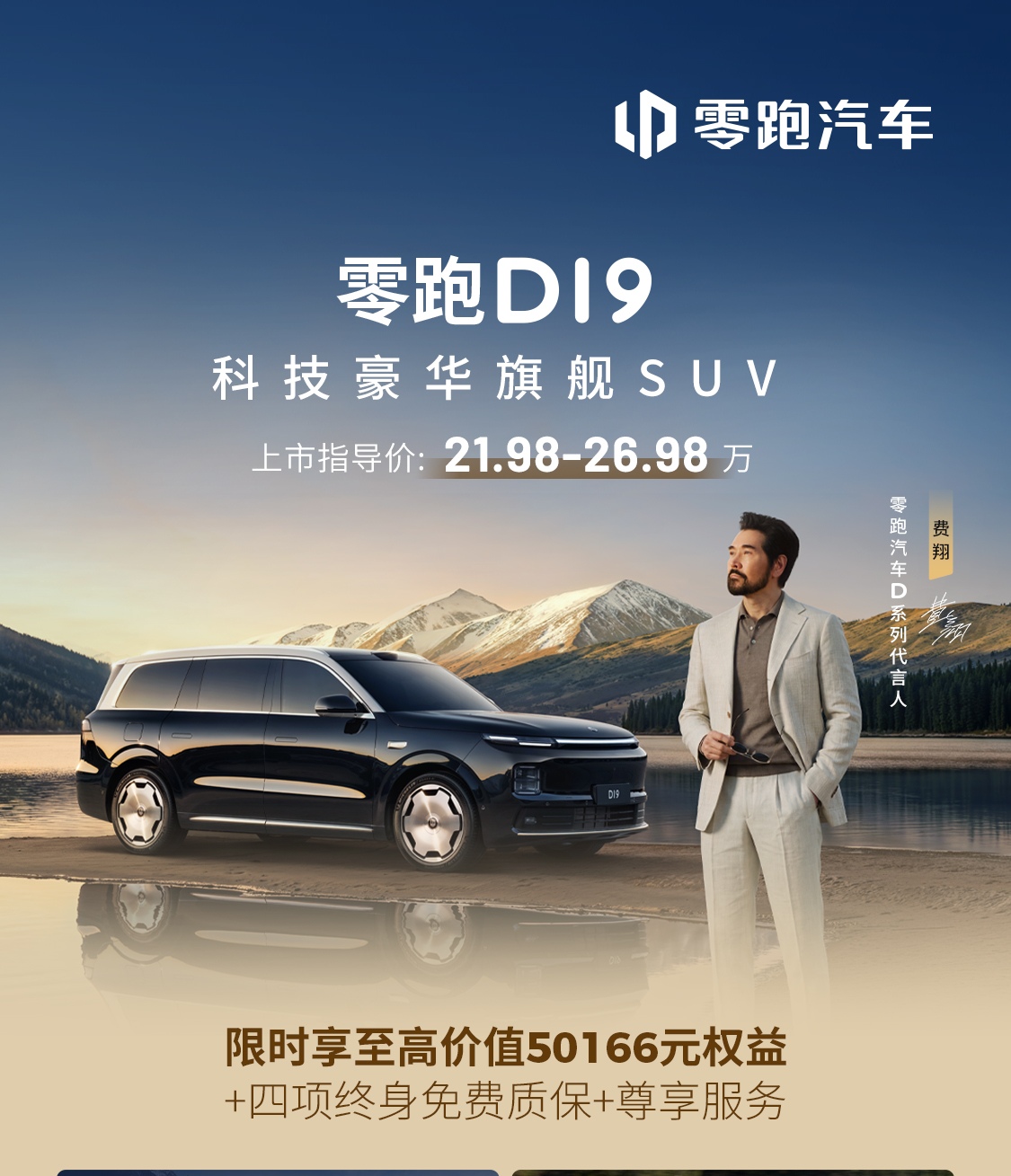
Gasgoo Munich- On April 16, 2026, Leapmotor launched its flagship SUV, the D19, in Jinhua. Priced between 219,800 and 269,800 yuan, it targets the premium market. It offers specs typical of 300,000-yuan vehicles at a 200,000-yuan price point. This launch tests Leapmotor's "low price, high spec" strategy in the high-end segment. Leapmotor's rise reflects how Chinese startups are competing with top-tier brands.
I. Leapmotor's Growth and the D19's Mission
A decade ago, foreign brands dominated China's auto market. Joint ventures held a 56.8% share of the passenger sector. The new energy market was emerging. Most startups lacked technology, capital, and channels. Leapmotor avoided "high-profile positioning" and chose "full-domain self-research." It used a "low price, high spec" strategy in the low-to-mid-end market. Leapmotor grew from a single model to a leading second-tier startup. Sales approached 600,000 units in 2025. The company targets 1 million units for 2026.
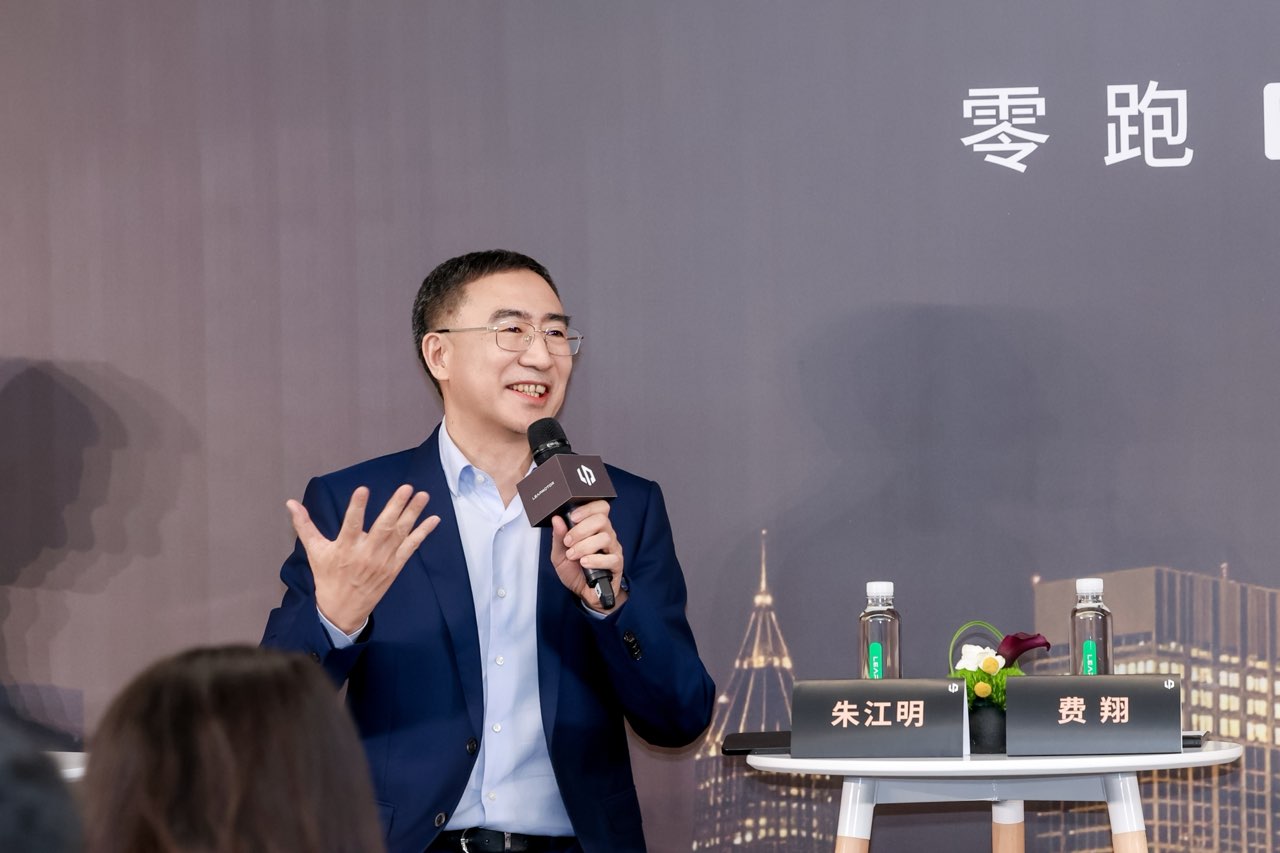
Founder Zhu Jiangming stated: "Leapmotor is a long-distance runner. We do not obsess over short-term gains. We focus on long-term R&D and planning." The D19 launch marks a decade of technological accumulation. It is a landmark move to enter the high-end segment.
1.1 From Component Self-Research to System Maturity
Leapmotor's growth focused on one theme: building a foundation through self-research and breaking through with cost-effectiveness. Zhu Jiangming said: "Developing a new model costs at least 1 billion yuan. If sales do not pick up, costs remain high. We are cautious in product planning to ensure we meet user needs."
2016 to 2019 marked Leapmotor's "survival stage."
The core task was survival. Leapmotor self-researched core components like electric drives and electronic controls. This aimed to break supplier monopolies and lower procurement costs. It launched its first model, the S01. The S01 had an affordable price and intelligent features. It gained a foothold in the 100,000-yuan market and solved the problem of survival.
From 2020 to 2023, Leapmotor entered a "scale expansion stage."
Leapmotor launched the T03 and C11, covering the 100,000 to 200,000 yuan price range. This reinforced its "low price, high spec" image. Its self-research system matured, covering batteries, smart cockpits, and autonomous driving. The self-research rate for core components exceeded 65%. The Jinhua factory achieved fully automated production, lowering costs and boosting quality.
Leapmotor partnered with Stellantis to support internationalization. Stellantis's global channels and resources laid a foundation for overseas expansion. This consolidated Leapmotor's scale advantages. By 2025, monthly sales of its B-series models topped 10,000 units. Leapmotor transitioned from a niche brand to a leading second-tier startup.
Since 2024, Leapmotor has officially entered a "brand upward stage."
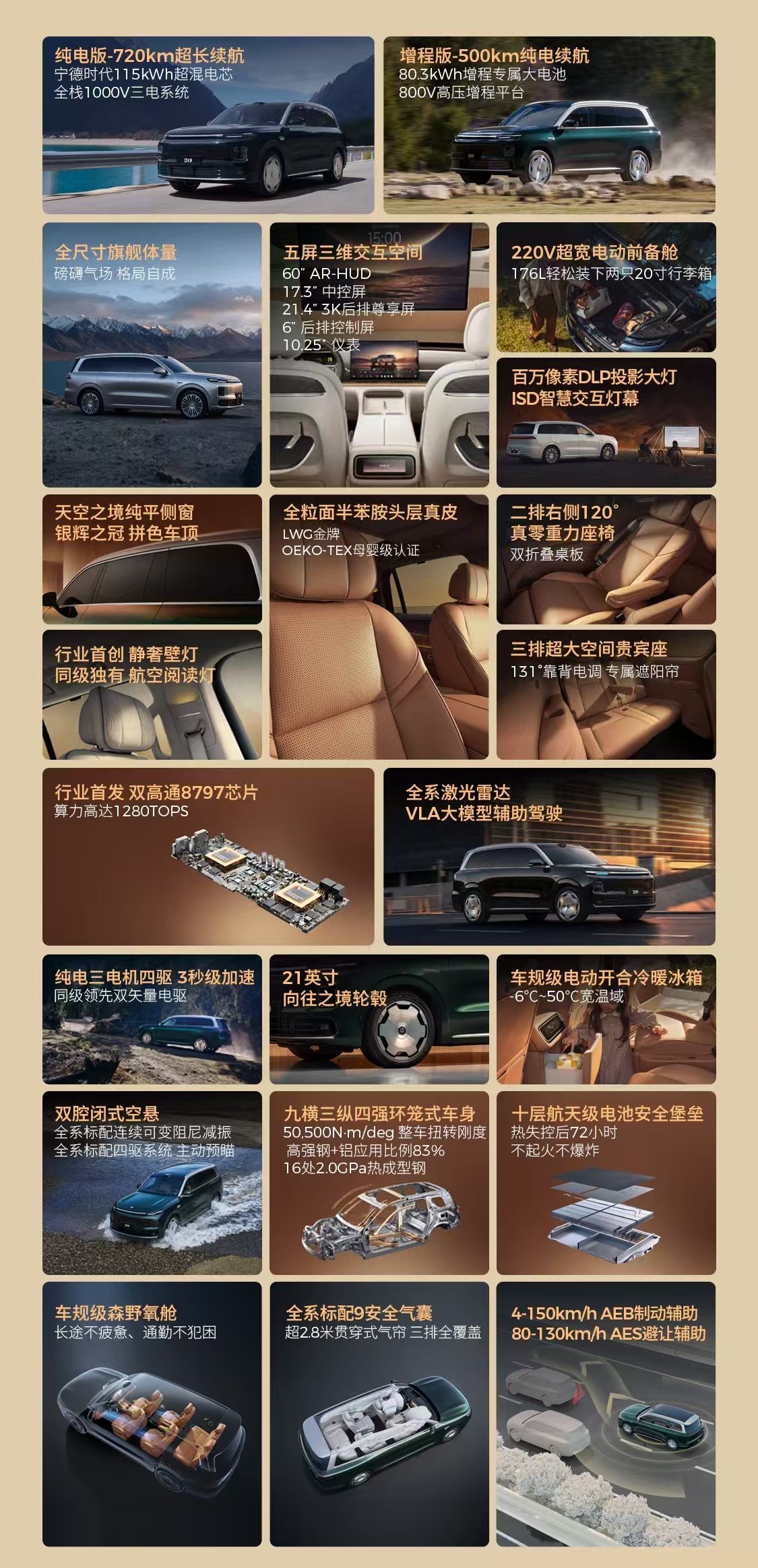
The D19 is the centerpiece of this stage. It features a self-developed triple-motor system, dual 8797 chips, and CTC battery integration. Priced from 219,800 yuan, it includes air suspension and zero-gravity seats. These features were previously found only in 300,000-yuan vehicles. "We always stick to cost-based pricing," Zhu Jiangming said at a media briefing. "We want users to get better quality and higher specs for the same money."
1.2 The D19: Testing the Premium Waters
The D19 adheres to the "low price, high spec" logic. It addresses the needs of family users. Powertrain options include pure electric and range-extender versions. The EREV offers 500 km of pure electric range and over 1,300 km combined range. This reduces anxiety for long-distance travel. The pure electric version has a maximum range of over 700 km. Dual 8797 chips and LiDAR provide autonomous driving capabilities comparable to 300,000-yuan flagships. The 3,100 mm wheelbase and design solve the issue of cramped third rows. Air suspension and zero-gravity seats offer a flagship experience at a 200,000-yuan price point.
Official data shows 70% of D19 order holders hold a bachelor's degree or higher. They are primarily professionals aged 30 to 40. Trade-in buyers account for 90% of orders. The range-extender version makes up 60%. Leapmotor upgraded its channels and service for the premium positioning. Over 600 of 1,000 stores are certified to sell the D-series. Non-certified stores cannot sell the D19. Services include twice-yearly free maintenance and home delivery. Zhu Jiangming said: "We invited Fei Xiang as our spokesperson. We hope his sense of quality will help people realize Leapmotor can make high-end models."
II. Core of the Leapmotor Model: Differentiation
Leapmotor's model relies on a cost barrier built by full-domain self-research. This distinguishes it from startups pursuing "integrated R&D." Zhu Jiangming stressed: "We cut costs in non-core areas. We spend saved money where users feel it. We do not use flashy gimmicks. We make solid products."
2.1 Core Logic: Self-Research and Cost Control
Core components for new energy vehicles account for over 60% of total cost. Leapmotor independently develops and produces these parts. This eliminates supplier margins and reduces procurement costs. Its self-developed electric drive system is 20% to 30% cheaper than external alternatives. Its proprietary battery management system enhances safety and lowers costs. The hardware for automated production lines is also self-developed. This further saves labor costs and improves stability.
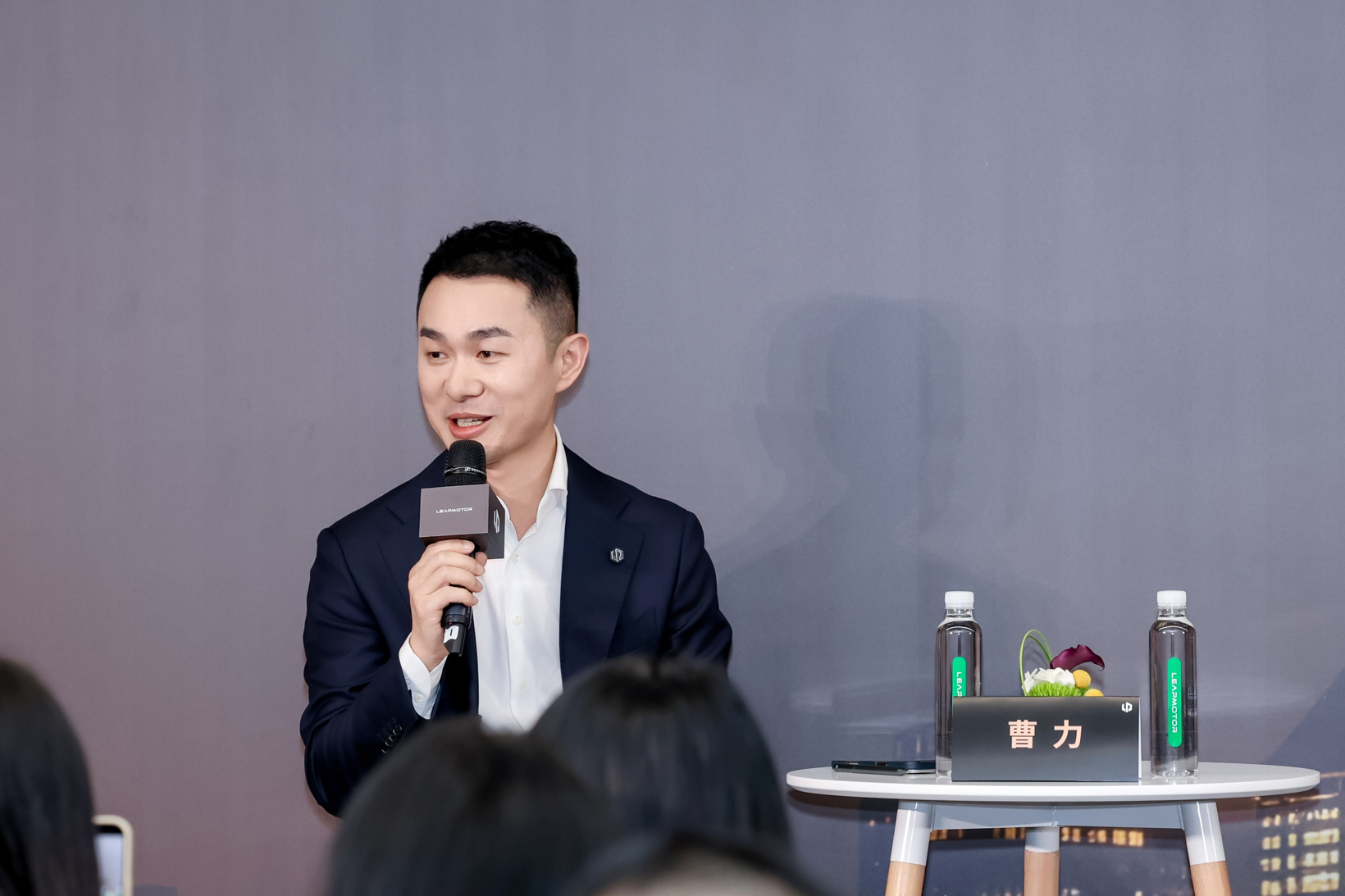
Scaled production and supply chain integration have tightened cost control. Estimates suggest the D19's unit cost is 10% to 15% lower than competitors. This allows for premium features at a 219,800-yuan starting price. Senior Vice President Cao Li discussed their platformization: "Our architectural design is interconnected. The electronic-electrical architecture and CTC platform are standardized. Factories allow flexible switching between platforms. This standardization means higher efficiency in R&D investment."
Leapmotor's "low price" results from self-research based cost optimization, not sacrificing quality. Its "high spec" is based on user needs, not blind component stacking. This is the core of the Leapmotor model. Zhu Jiangming said: "Scaling up is more important than profitability. It is a matter of survival. Only by surviving can we talk about profit. Our core goal for the next three years is expanding scale."
2.2 Unique Paths to Disruption for Startups
Leapmotor's "full-domain self-research + low price, high spec" model reflects how Chinese startups are breaking through.
China's new energy enterprises have not copied foreign brands. They have identified strengths and forged suitable paths. Technology, service, and cost-performance have driven the rise of China's auto industry. This follows the logic of "unconventional moves": use differentiated advantages to change the market structure.
Zhu Jiangming discussed competition: "Industry develops through competition. Only healthy competition drives progress. Chinese brands do not yet have a high share of the global market. Our goal is to occupy 50% to 60% of the global market. This is similar to Chinese appliances and phones." Startups have focused on different paths. Li Auto targeted family users with range extenders and large space. NIO focused on service and battery swapping to build a premium label. Leapmotor used cost-performance to gain share in the mid-range market.
These startups are not bound by traditional thinking. They base strategies on the needs of Chinese users. They find breakthroughs through innovation and avoid direct competition with foreign brands. They accumulate market share and brand influence. Zhu Jiangming said: "There are too many new cars. Sometimes six launch in a day. Competition is fierce. The elimination race has not ended. This intense competition will continue for years. Once the market returns to rationality, this 'cluster launching' phenomenon will stop."
III. Market Share Changes: Chinese Cars Rise
Over the past decade, market share between local brands and joint ventures has shifted significantly. This results from an upgrade in China's auto industry and increased consumer rationality. Chinese brands have surpassed foreign brands in technology, cost, and user operations.
The new energy industry moved from reliance on imports to self-sufficiency. A structurally complete industrial system was built. Mainstream automakers achieved over 90% localization in parts procurement. This guarantees supply chain stability. Leapmotor's self-research, BYD's technology, and Huawei's solutions built a technological barrier. This supports "low price, high spec" models. Automated factories have emerged. Hubs like Hefei, Chongqing, Shenzhen, and Xi'an have formed industrial clusters.
Consumers are becoming more rational. They do not blindly pay premiums for foreign brands. They value practicality, features, and cost-performance. This foundation allows the "low price, high spec" model to succeed. Zhu Jiangming observed: "Buying a car is getting easier. The future market will polarize. A-series cars will be for commuting. Large family cars will focus on comfort. The middle segments will shrink." He added: "We do not deny foreign technical strength. We understand Chinese users' needs better. We lower costs through self-research. This allows users to spend less for high-end products."
IV. The Ceiling of the "Leapmotor Model"
How high can the "Leapmotor Model" go? The answer is clear. "Low price, high spec" is a path to the premium segment. However, to achieve sustainable high-end status, Leapmotor must break through two bottlenecks. It must leap from "configuration democratization" to "brand value."
The first bottleneck is bias in brand perception.
Leapmotor's "low price, high spec" label leads users to associate it with "low-end." The D19's product strength reaches the 300,000-yuan level. However, its pricing is in the 200,000-yuan range. This reflects insufficient brand power to support higher prices.
To enter higher-end markets, Leapmotor needs stronger brand building. It must build a "technology for all" label. It needs to shed the "value brand" perception. Superior product experience and service can elevate brand premium. This is necessary for startups that grew via cost-performance. Zhu Jiangming said: "I felt we did not need a spokesperson if we made a solid car. Collaborating with Fei Xiang changed my mind. His quality fits the D19's positioning. This will help elevate the brand."
The second bottleneck is balancing scale with profitability.
"Low price, high spec" implies lower pricing and higher configuration costs. Self-research reduces costs, but profitability requires sales volume. Leapmotor has achieved phased profitability. This relies on economies of scale and cost control. Leapmotor needs to expand sales volume and optimize cost structure. This will boost profitability and provide funds for brand investment. Balancing scale and profitability supports the "low price, high spec" model. Zhu said: "Our core goal is expanding scale. Only by surviving can we talk about profit. We will focus on product and technology."
The D19 launch summarizes Leapmotor's ten-year growth. It is an attempt to enter the premium segment with "low price, high spec." The "Leapmotor Model" reflects the future of Chinese startups. Chinese startups have broken foreign brand monopolies. They have driven the industry from "following" to "leading." This is a comprehensive rise of China's auto industry.


