



Currently, startups including XPENG, Leapmotor, Li Auto, NIO, and Xiaomi EV are all, in unison, accelerating their channel layouts.
From direct sales and partnerships to hybrid models, and from Tier 1 and Tier 2 markets down to Tier 3, Tier 4, and county levels, a "channel war" focused on terminal efficiency is fully underway.
Accelerating Channel Expansion
Channel scale is becoming one of the key metrics for measuring an automaker's market offensive.
On January 20, XPENG announced its global sales outlets had surpassed 1,000. Domestically, it operates 721 sales points, 327 delivery centers, and 372 service outlets, forming a trinity network system.
Almost simultaneously, Leapmotor announced it was speeding up its store layout, bringing the total number of national sales and service outlets to 1,068. The network structure is distinct: Leapmotor Centers penetrate core auto districts, Experience Centers enter shopping malls to drive traffic, and Service Centers fill after-sales gaps, constructing a closed loop of "experience, conversion, and service."
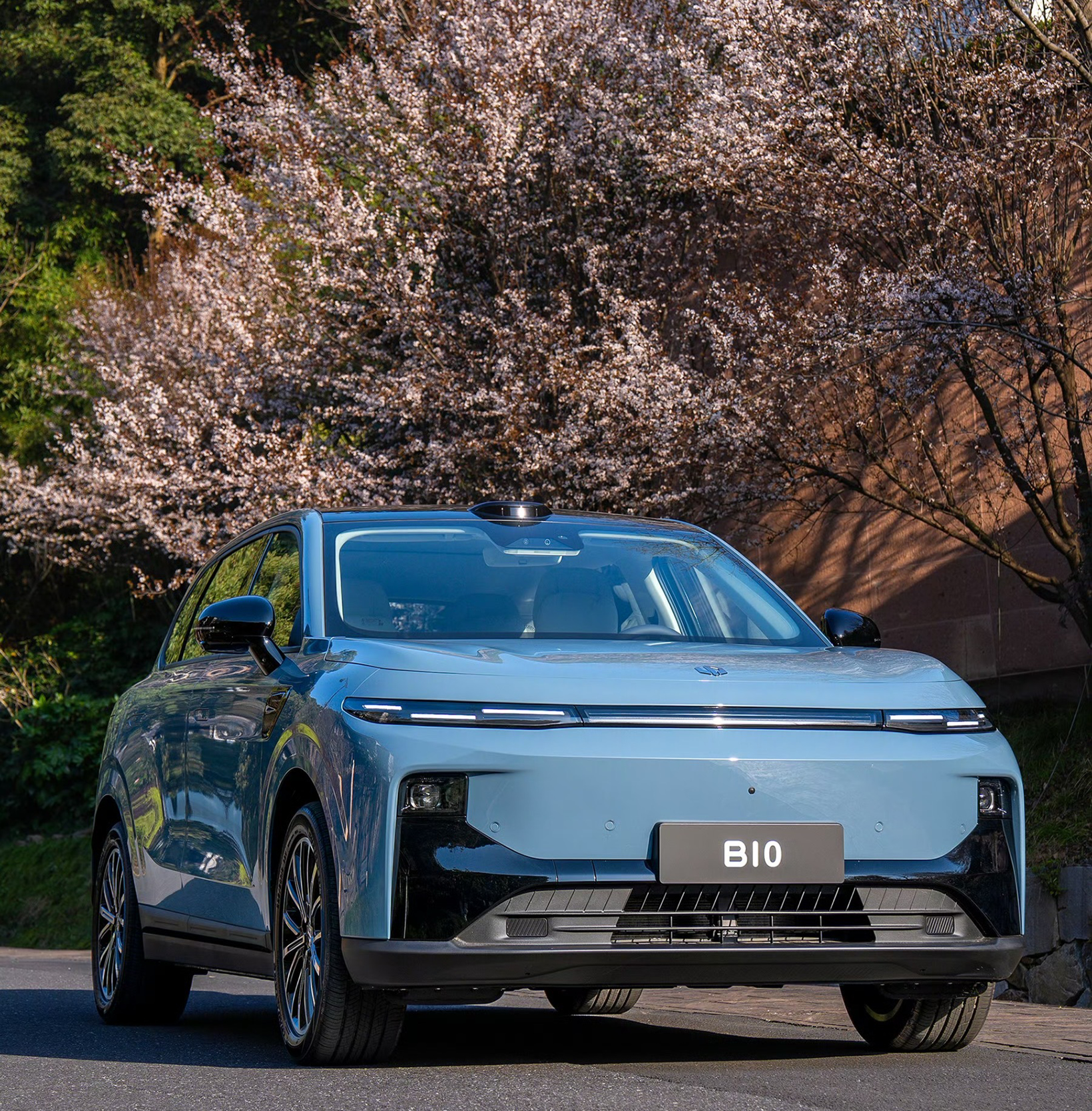
Image Source: Leapmotor
Xiaomi EV is also accelerating its sales and service network construction. According to the latest progress released in November 2025, Xiaomi EV's total stores reached 441, covering 131 cities nationwide. This expansion momentum is set to quicken further; in December, the plan is to add 36 stores in a single month, expected to cover seven new cities including Hengyang and Mianyang, continuing to push channels deeper into lower-tier markets.
Previously, media reported that Xiaomi EV distributed over 100 million yuan in subsidies to national car dealers, primarily targeting multi-brand dealerships. Xiaomi EV officially confirmed the news. According to subsidy rules, stores built in 2024 receive a subsidy of 100,000 yuan per store, while those newly built before December 15, 2025, receive 500,000 yuan per store, with no additional conditions.
While the industry generally uses capital subsidies to accelerate channel laying, some brands have begun to move toward deeper model innovation. For instance, at the end of 2025, NIO launched a new channel model called "User Cooperative Stores." This model allows NIO users or partners to independently open physical stores; NIO does not provide financial support but dispatches professional sales consultants to the store to handle vehicle display, explanation, and sales services, aiming to expand offline sales touchpoints through an asset-light approach.
From Scale to System
Currently, various EV startups have successively announced their sales targets for 2026.
Specifically, Leapmotor aims to hit a sales target of 1 million vehicles in 2026. William Li explicitly stated that NIO will no longer publish specific annual sales figures, but will place growth within the framework of a "Third Growth Cycle," pursuing a stable annual growth rate of 40% to 50%. Xiaomi EV has set a sales target of 550,000 vehicles for 2026, representing a year-on-year increase of approximately 34%.
To achieve established sales targets, automakers are taking action by accelerating channel construction and innovating models. However, beneath the sales targets, rapid channel expansion is not about blindly scattering points, but rather closely coordinating with product offensives, brand building, and systemic capabilities.
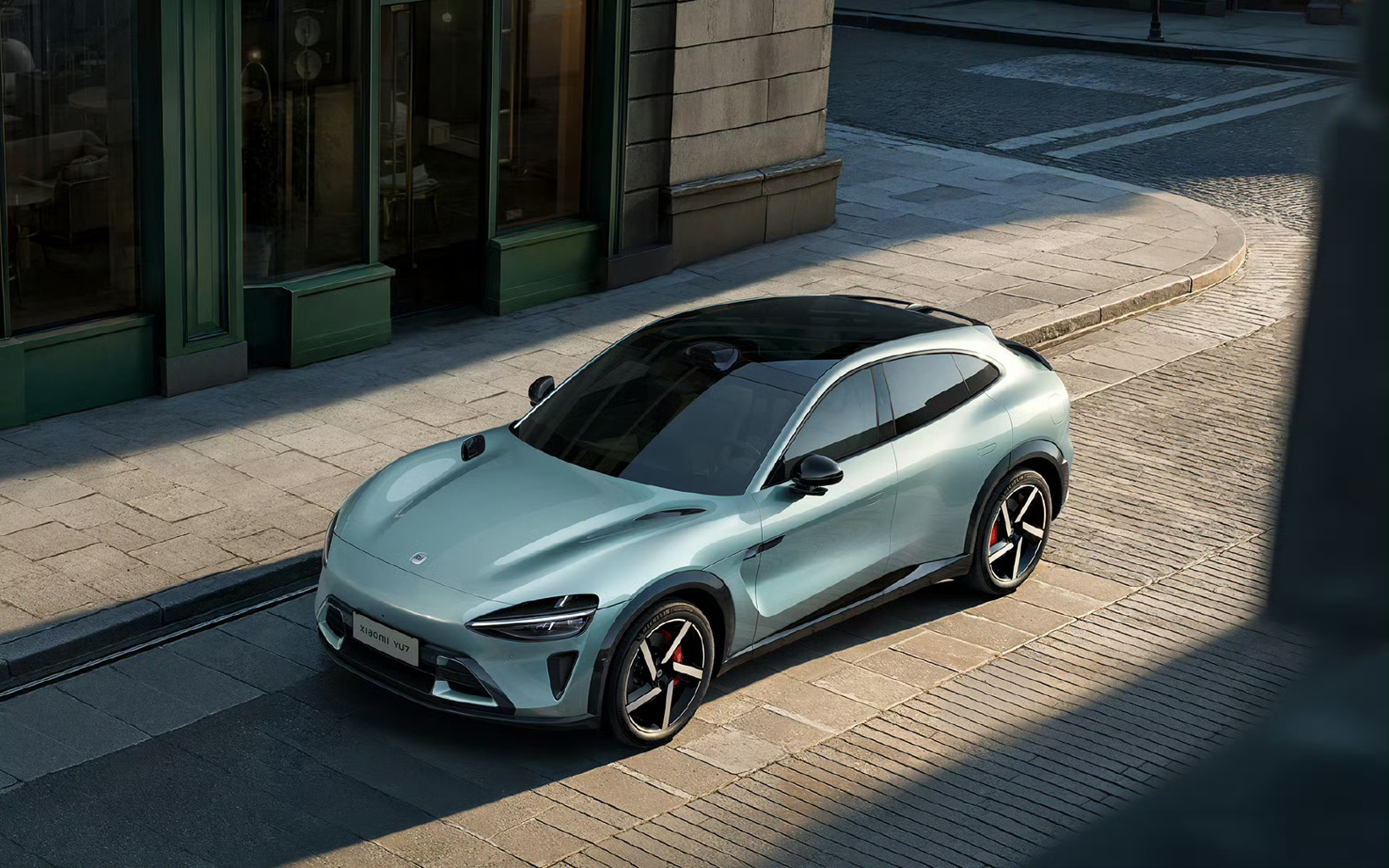
Image Source: Xiaomi EV
Gasgoo notes that Leapmotor achieved 597,000 deliveries in 2025, a year-on-year increase of 103%, and was profitable for three consecutive quarters, providing a solid business foundation and financial confidence for its channel expansion.
NIO, meanwhile, is achieving the intensive use of channel resources and brand synergy through a multi-brand strategy and a comprehensive store model. NIO's President Qin Lihong summarized the 2026 business plan as "sell good cars, do good service, build good infrastructure," with channel sinking and charging and swapping network construction placed in important positions. It is reported that NIO is preparing to open comprehensive stores in lower-tier markets where there is sales volume, selling models from the NIO, Onvo, and Firefly brands. The first batch of stores will open before the Spring Festival.
It is worth noting that as channel networks extend to Tier 3, Tier 4, and county markets, simple quantitative growth is no longer sufficient to guarantee operational quality. How to maintain the consistency of service standards during expansion, improve single-store operational efficiency, and achieve a closed loop of the user's entire journey has become an important issue facing all new forces.
In addition, building channels in overseas markets is also a focus for EV startups. Leapmotor significantly accelerated its overseas market layout in 2025, entering a cumulative total of 35 overseas markets, with the number of overseas stores exceeding 800. Leveraging its strategic partnership with Stellantis, it is gradually building a complete system covering sales, delivery, and after-sales overseas.
XPENG is also gradually building a full-link network covering sales, delivery, and service in its global layout to support synchronous growth in domestic and international markets.
As of December 31, 2025, XPENG had expanded to 60 overseas countries and regions, with 380 overseas stores. Currently, 28 countries have been laid out in Europe, with a total of 290 stores, and the Nordic region has achieved 100% coverage. Among them, the number of stores in France has exceeded 70, covering nearly 70% of the country's pure electric vehicle sales areas, and the number of stores in Germany has exceeded 50.


