



Gasgoo Munich-On April 1, VOYAH released its latest delivery figures: 15,019 vehicles in March, a 50.1% year-on-year surge and a 79.7% jump from February. Cumulative deliveries for the first quarter of 2026 hit 33,892 units, up 30.2% from a year earlier. This opening scorecard extends the growth momentum VOYAH has sustained throughout 2024.
Just two weeks earlier, on March 19, VOYAH officially listed on the Hong Kong Stock Exchange via an introduction, becoming the first high-end new-energy vehicle stock from a central state-owned enterprise. Yet the capital market offered a lukewarm reception, making it the first auto IPO of 2026 to break its issue price.
On one side, sales are soaring; on the other, the stock is cooling. What does this contrast reveal about VOYAH’s true position in recent years? And what does its independent listing actually signify?
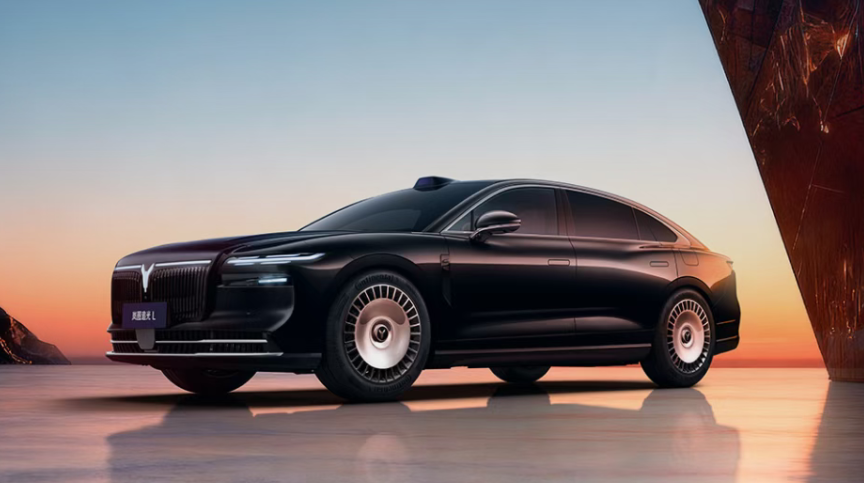
Image Source: VOYAH
From Startup to Profit Realization
Established in 2021, VOYAH is Dongfeng Motor Group’s high-end new-energy brand, targeting the 200,000 to 500,000 yuan price bracket. Judging by the sales curve, VOYAH has pulled off a leap over the past three years.
Between 2022 and 2024, sales climbed from 19,400 units to 80,100, representing a compound annual growth rate of 103.2%. That makes it the third fastest-growing high-end new-energy brand in China.
Growth accelerated further in 2025, with full-year deliveries reaching 150,169 units—an 87% jump that secured ten consecutive months of gains. In the first two months of this year, VOYAH delivered 18,873 vehicles, up 18% year-on-year.
Even more notable is the optimization of its product mix. In 2025, VOYAH built a matrix of "three flagships plus an SUV duo," covering the high-end MPV, SUV, and sedan segments.
The VOYAH Dreamer has emerged as the absolute powerhouse, selling over 80,000 units in 2025 and accounting for more than 50% of the brand’s total sales. This high-end MPV commands an average selling price north of 400,000 yuan, with 55% of customers trading up from luxury brands like BMW, Mercedes-Benz, and Audi. In 2024, the Dreamer ranked second in China’s high-end new-energy MPV market with 47,000 sales. Another flagship, the VOYAH Taishan, also turned heads, surpassing 5,000 deliveries just 26 days after mass deliveries began.
That sales growth is directly reflected in the financials. The prospectus shows revenue surged from 6.052 billion yuan in 2022 to 19.36 billion yuan in 2024. By 2025, revenue had climbed further to 34.865 billion yuan—an 80% annual increase. Gross margins rose from 8.3% in 2022 to 21.0% in 2024, ranking second in the new-energy vehicle sector that year and signaling strong cost control and pricing power.
The most critical shift arrived in 2025. That year, VOYAH achieved a net profit of 1.017 billion yuan, marking its first annual profit. At a time when most of the new-energy industry is seeing revenue growth without profit growth, VOYAH stands as one of the few brands to enter the profit realization phase.
However, the quality of that profitability has drawn market scrutiny. A significant portion of VOYAH’s 2025 net profit came from government subsidies; excluding these, recurring net profit remains under pressure.
Meanwhile, compared with the leading "new forces," VOYAH has yet to achieve full scale effects. In 2025, Li Auto sold around 500,000 vehicles, NIO about 300,000, and Leapmotor nearly 600,000. With 150,000 units, VOYAH is still in the critical stage of breaking through from the second tier to the first.
Riding the East Wind
On March 19, VOYAH officially debuted on the Hong Kong Stock Exchange. Notably, the day before VOYAH’s listing, its parent company, Dongfeng Motor Group, delisted from the exchange, completing a capital maneuver best described as "son lists, mother retreats."
The mechanics of the move were straightforward: Dongfeng Group distributed its 79.67% stake pro-rata to shareholders while simultaneously privatizing and delisting, allowing VOYAH to trade via an introduction.
An "introduction listing" means issuing no new shares and raising no capital—simply listing existing shares on the exchange. The advantage is speed: VOYAH moved from its October 2025 application to its March 2026 listing in just four months, clearing preliminary approvals without diluting equity or surrendering state control.
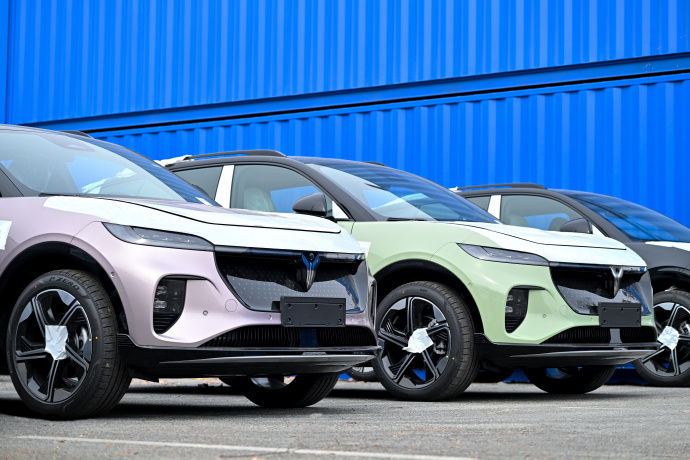
Image Source: VOYAH
Post-listing, the Dongfeng bloc retains roughly 69.47% of shares, maintaining absolute control. Dongfeng Motor Group Chairman Yang Qing dubbed the maneuver "swapping the bird in the cage," aiming to "optimize VOYAH’s growth and revitalize Dongfeng’s existing assets"—a new model for optimizing state-owned enterprise asset allocation.
Yet the capital market’s response has been tepid. Weighed by a sluggish Hong Kong market, valuation adjustments in the new-energy sector, and the lack of fundraising, VOYAH broke its issue price on its debut, closing down 13.2%. It slipped another 0.61% the following day. By the close on March 20, its market capitalization stood at approximately 23.8 billion Hong Kong dollars.
Analysts suggest this lukewarm reaction reflects several core concerns: an over-reliance on the VOYAH Dreamer, which makes up over half of sales, raising questions about risk resilience; doubts about profit quality given the heavy role of subsidies in 2025; and the white-hot competition in the high-end new-energy arena, where rivals like NIO, Li Auto, and AITO are circling. VOYAH has yet to establish a clear edge in smart driving or user ecosystems.
In response to the volatility, controlling shareholders acted quickly. On March 30, Dongfeng Asset Management announced a share buyback plan, with an initial tranche of up to 250 million yuan—a clear signal of confidence in the company’s long-term future and a move seen as state capital building a "safety cushion" for the listed entity’s value.
For VOYAH, the listing is merely a new beginning. "Industry competition will only get fiercer; we must keep pushing," VOYAH Chairman Lu Fang acknowledged. Post-listing, the strategy is clear: pursue sales that generate profit and profits that generate cash flow, avoiding a blind race to the bottom on price. On the product front, the plan is to launch one to three new models annually, expanding the lineup to six to nine vehicles by the end of 2026. Globally, having already entered more than 40 countries and regions, VOYAH plans to leverage Hong Kong’s status as an international financial hub to accelerate its overseas expansion.
From the banks of the Yangtze to the shores of Victoria Harbor, VOYAH has transformed from a state-owned subsidiary into an independent public company. But the test from the capital market is just beginning. As the new-energy vehicle elimination race intensifies, there is no room for error in scale, profitability, technology, or globalization.


