



The SFR-2K 4D imaging radar from SINPRO is seen as a critical technological path for addressing perception challenges in high-level autonomous driving. Building on the ranging, speed, and azimuth capabilities of traditional millimeter-wave radar, the product adds elevation data to generate high-density point clouds, significantly enhancing the ability to recognize static obstacle contours. By leveraging a proprietary SOD (Static Object Detection) algorithm, the system is optimized for small, weakly reflective stationary targets that appear frequently in regulations and real-world scenarios. This compensates for the limitations of optical sensors in adverse conditions like backlighting, rain, and fog, providing all-weather safety redundancy for sensor fusion systems.
According to previously released data, SINPRO is set to produce a cumulative 300,000 4D imaging radars in 2025. These units are being installed in mass-production models across several brands, including NIO and Onvo.
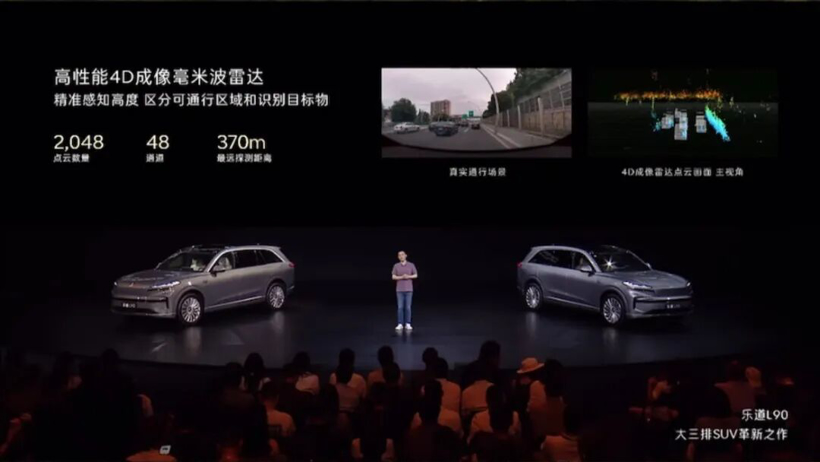
Image Source: SINPRO
Securing this global project not only signals a new phase in production scale and market coverage, but also confirms that SINPRO has passed the rigorous vetting of top international automakers in R&D, manufacturing processes, quality management, and sustainability.
SINPRO has established an automotive-grade production system compliant with international standards such as IATF 16949. Its facility in Shanghai and the newly operational smart manufacturing base in Xiamen form a dual-production layout, boasting a maximum designed annual capacity of 10 million units to meet future large-scale delivery demands.
As regulations for intelligent driving tighten globally—particularly focusing on system safety in complex scenarios—4D imaging radar is shifting from an early-stage exploration option to a core component of mainstream automakers' sensor strategies. With its high performance and potential for cost optimization, the industrialization of this technology is expected to accelerate significantly.


