India, known for high tariffs and protectionist policies, has recently opened its door to the European Union.
India and the EU have reached a free trade agreement (FTA), marking a tentative end to 18 years of negotiations. For the auto sector, India plans to reduce import duties on fully built EU cars from a current high of 110% to 10%. The first phase, expected to start in 2026, will see tariffs drop to 40%.
By contrast, India imposes tariffs as high as 125% on vehicles from China, effectively blocking the path for Chinese automakers to export directly into the market.
But can this India-EU "honeymoon period" last?
Local Automaker Stocks Tumble
The tariff adjustment follows 18 years of protracted negotiations. The Indian government had insisted on a "market for technology" approach, requiring European automakers to source a high percentage of components locally (under the PLI incentive scheme). Following the leak of tariff details, shares in local giants like Maruti Suzuki and Tata Motors slipped. Analysts view this as a short-term market reaction to shifting competitive dynamics.
European automakers hold an edge in brand value and technical depth. While brands like Mercedes-Benz, BMW, and Volkswagen command a modest share of the Indian market (around 3%), they dominate the premium segment thanks to brand prestige and technology.
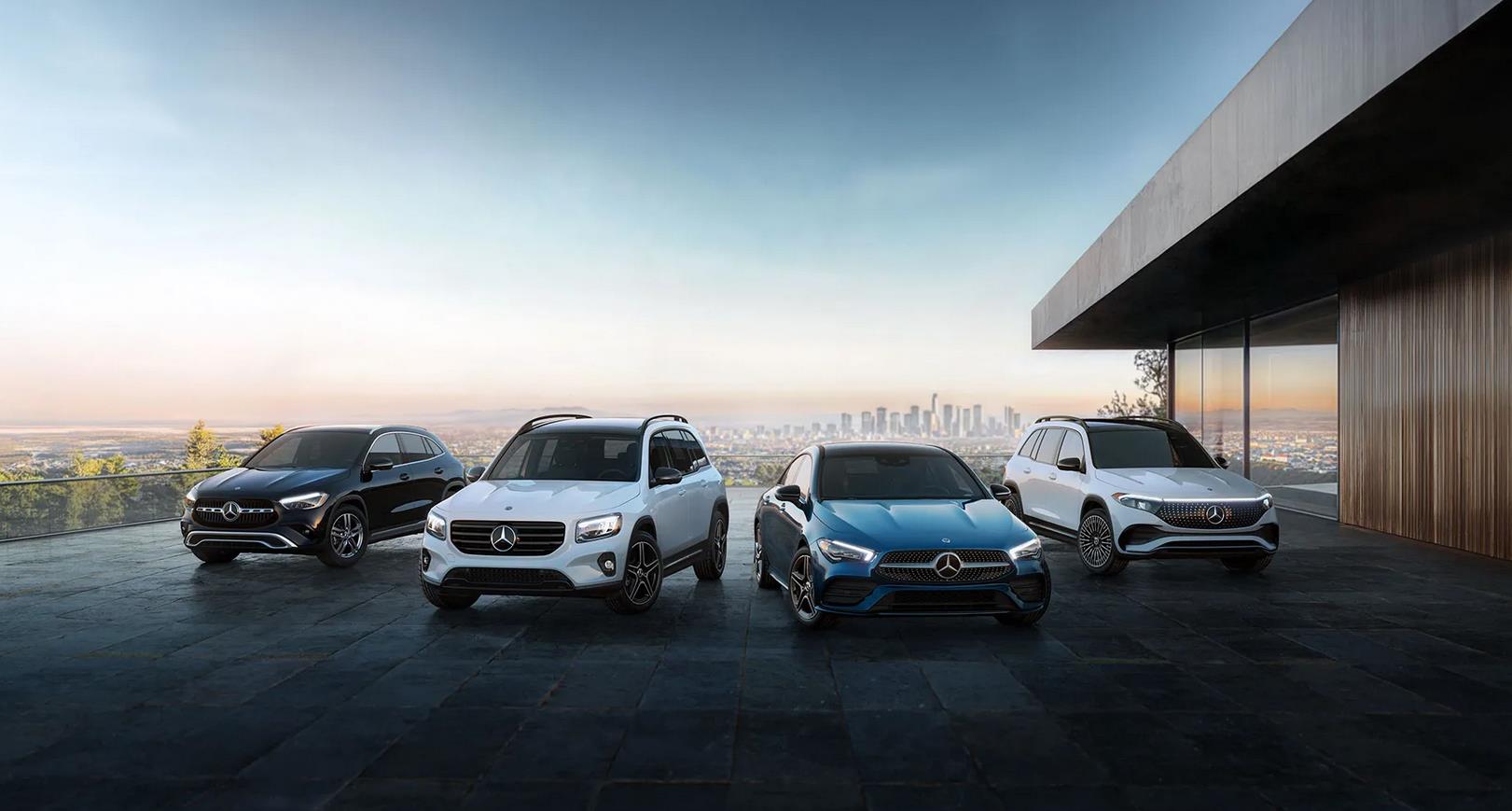
Image source: Mercedes-Benz
Zhang Xiang, secretary-general of the International Intelligent Vehicle Engineering Association, notes that European automakers have accumulated strengths in branding, safety standards, powertrains, and chassis tuning. With tariffs reduced, these advantages are easier to convert into market competitiveness.
The European Automobile Manufacturers Association sees the tariff reduction as a "new opportunity" amid stagnation in traditional core markets.
European players are already making moves. Renault is accelerating its India strategy, launching new models developed by its local team, taking full control of its Chennai plant, and targeting an annual output of 480,000 units by 2030. The Volkswagen Group—encompassing Audi, Porsche, and Škoda—has labeled India a market of "strategic importance" and is evaluating the deal's business impact.
Mercedes-Benz and BMW have no immediate plans to cut prices, but both view lower tariffs favorably and may use the opportunity to introduce more niche models.
The shift in European strategy—from pure sales to ecosystem building—is putting pressure on local incumbents. The capital market has already priced in this future competition, hammering stock prices.
Zhang Xiang argues that the stock volatility essentially reflects a fear of eroding "competitive advantages." Local automakers have long ruled on price. But once tariff cuts take effect, high-quality European models will enter the market, threatening local rivals with an overwhelming advantage in technology and brand.
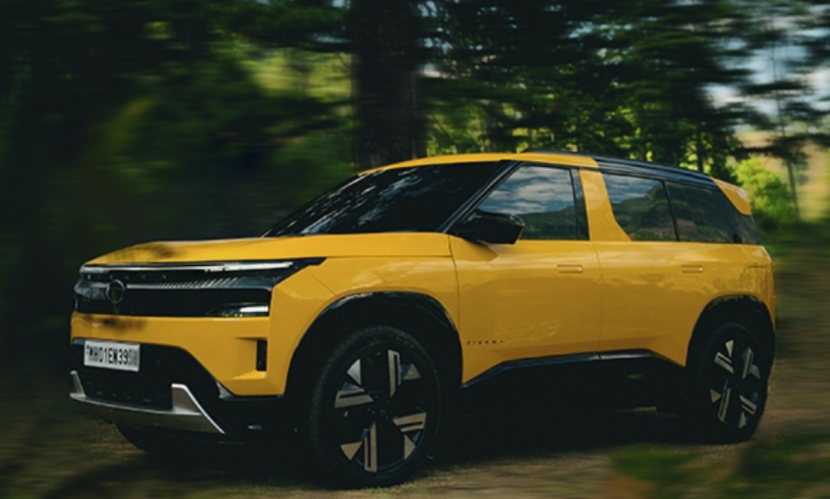
Image source: Tata Motors
In the short term, however, the blow to local firms will be cushioned. India is adopting a phased reduction—starting at 110%, dropping to 40%, and finally reaching 10%—giving local players a 5-to-10-year window to upgrade their technology.
Moreover, the new policy sets a Cost, Insurance, and Freight (CIF) threshold of $15,000 (approximately 135,000 yuan). This precisely protects the budget segment below 100,000 yuan where local firms dominate, channeling competition toward the more profitable mid-to-high-end arena.
Separate quotas and timelines for internal combustion and electric vehicles are also in place (EVs get a five-year protection period). An annual quota of 250,000 units (including 90,000 EVs, with tariffs dropping to 10% after a decade) ensures the impact of imports remains manageable.
Zhang Xiang suggests the focus shouldn't just be on finished vehicles but on the technology spillover. As European automakers deepen their roots, their global supply chains will inevitably follow. While the policy has spooked local stocks in the short run, it effectively provides vital support to the underlying architecture of India's auto industry in the long run.
Who Faces the Most Pressure?
When Indian tariffs on European cars drop to 40%, who will face pressure? To answer that, we first need to analyze the current landscape.
India is currently the world's third-largest auto market after China and the U.S., with annual sales of around 4.4 million units. Unlike the Europe, the U.S., or China, Indian consumption is heavily concentrated in small, affordable cars. Local firms dominate through price, distribution density, and policy support, while Japanese brands hold steady share in the family car segment thanks to durability and fuel economy.
Japanese players represented by Maruti Suzuki, and local firms like Tata and Mahindra, control over two-thirds of the entry-level and compact market below $15,000 (about 1.3 million rupees). Maruti Suzuki is the dominant force here, with wait times for entry-level models stretching over a month.
Since the tariff cut targets imports above $15,000, there is little overlap with the mass market. Consequently, the fundamentals of giants like Tata and Maruti Suzuki remain relatively safe in the short term. Even when tariffs eventually fall to 10%, these local players will still retain advantages in products, channels, and installed base.
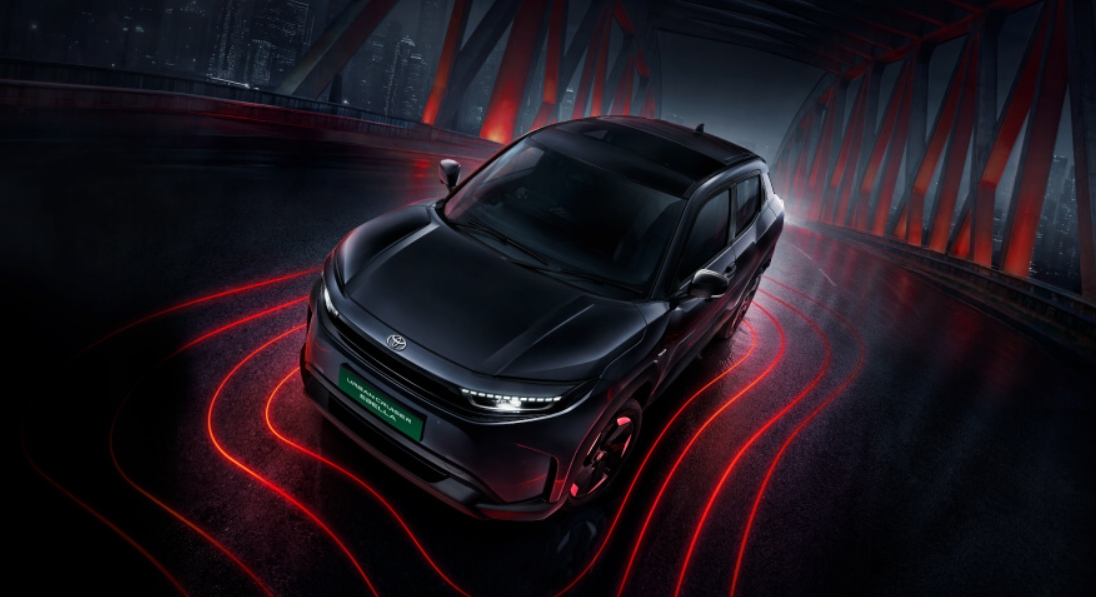
Image source: Toyota
Instead, international brands that have established a foothold in the mid-to-high-end market but lack scale advantages may face pressure. Japanese and Korean brands like Maruti Suzuki and Hyundai have been ramping up investment in this segment recently.
Toyota, for instance, recently launched its first pure electric vehicle in India, the Urban Cruiser Ebella, offering two variants with a maximum range of 543 kilometers. To boost competitiveness, Toyota is partnering with local energy firms Jio-BP and ChargeZone to build charging infrastructure. Toyota currently ranks fifth in Indian sales.
Zhang Xiang analyzes that when import tariffs fall from 110% to 40% or lower, European mid-to-high-end models (such as those from Volkswagen and Škoda) previously hampered by price barriers will enter the 2 million to 4 million rupee competitive range.
If European brands leverage tariff cuts to lower prices, the Indian middle class—accustomed to equating high prices with high quality—may defect. This would directly challenge the position of Japanese and Korean brands in the mid-to-high-end market.
Among Chinese automakers, SAIC's MG will likely not be spared. MG entered the Indian market with relatively affordable pricing and decent brand recognition, holding about a 4% market share and commanding a 30% share in the EV sector. Its competitors are primarily local joint ventures and Japanese models. If European brands expand their coverage, MG's segment could face a much more complex competitive environment.
In Zhang Xiang's view, given a relatively fixed total market size, any potential growth in European market share will likely come at the expense of other international brands like MG.
The luxury market tells a different story. It is currently dominated by German brands, with annual sales volume between 50,000 and 60,000 units.
Previously, due to exorbitant tariffs, most models sold by the German trio—Mercedes-Benz, BMW, and Audi—relied on semi-knocked down (SKD) assembly. With lower tariffs, luxury brands can introduce a wider range of products at lower costs. For ultra-luxury brands like Porsche and Lamborghini, foreign media calculations suggest price cuts on some models could reach tens of millions of rupees.
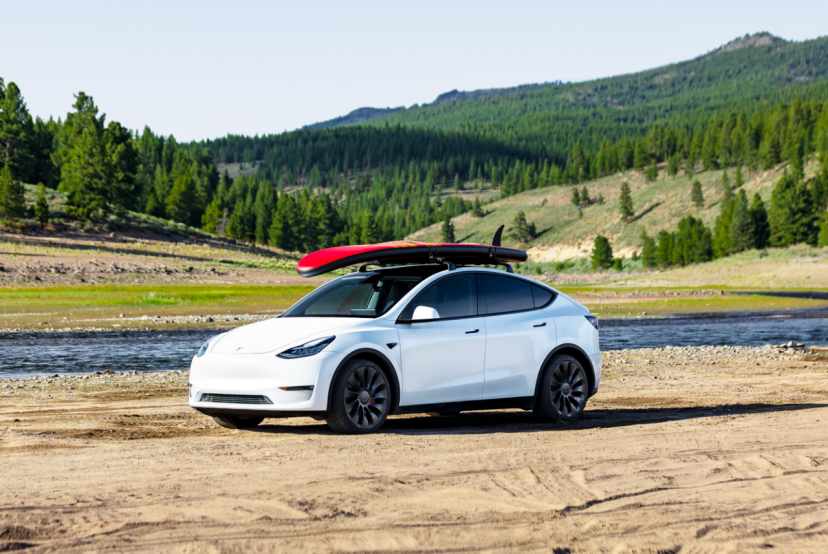
Image source: Tesla
Tesla, however, finds itself in an awkward spot. It currently sells the Model Y in India via imports, but high tariffs result in steep prices (over 6 million rupees on the road), leading to a weak market response. The agreement specifically establishes a five-year tariff protection period for EVs, meaning European-made electric vehicles won't enjoy tax breaks anytime soon.
Clearly, India's tariff reduction on European cars is a "targeted opening" aimed at specific price segments. The short-term shock will be felt in the mid-to-high-end and luxury niches, not by the local budget brands that dominate the market.
Do Chinese "Supply Chains" Indirectly Benefit?
To gain a foothold in India and compete with local players in the mainstream market, European automakers must launch price-competitive products. Whether testing the waters via imports within the quota or preparing for future localization, cost control is paramount.
Amid the global shift toward electrification and intelligence, China's supply chain has established significant advantages in scale, technology, and cost in key areas like power batteries and intelligent connectivity. Multiple sources indicate that European automakers' affordable EV models are already deeply integrated with Chinese supply chains.
For example, Renault's Twingo E-Tech electric model achieves a target price of around 20,000 euros, largely thanks to the deep integration of its Chinese R&D center and local supply chain. It is reported that comprehensive R&D costs for related projects dropped by 72%, while the development-to-production cycle shrank from 200 days to 100.
Stellantis has not only taken a stake in Leapmotor but also formed a joint venture called "Leapmotor International." Reports suggest it plans to assemble Leapmotor-produced EVs at its Indian plant. It is not hard to imagine that future Stellantis or Renault EVs on Indian streets might carry "Chinese elements" in their underlying architecture, motor systems, and even critical electronic control units.
If so, the Chinese supply chain stands to benefit in two major ways. First is the power battery sector. Top Chinese manufacturers like CATL, AESC, and Gotion High-Tech are already core global partners for many mainstream European automakers. They have built large production bases in Europe, forming a "China Tech, Europe Manufacturing" supply model.
If European brands plan to export to India or produce EVs locally due to lower tariffs, their battery packs will most likely come from Chinese battery firms. As Zhang Xiang puts it, growth in downstream vehicle sales inevitably drives demand for upstream component orders.
Second is the field of intelligent connectivity and core technologies. Demand for automotive intelligence in India is rising, fueled in part by policy changes. The Indian government has mandated that starting January 1, 2027, new models must be equipped with ADAS and Driver Drowsiness and Attention Warning (DDAWS) systems. Analysts believe this mandatory safety standard will unleash significant demand for intelligent driving products.
Chinese suppliers already possess international competitiveness in smart cockpits, internet of vehicles, and ADAS-related hardware and software. Several Chinese tech firms have entered the core procurement chains of global automakers.
For instance, ECARX's smart cockpit platform is featured in global models from Mercedes-Benz and smart; Desay SV has set up factories in Europe to directly serve clients like Volkswagen and Volvo; and Chinese companies in LiDAR and high-precision positioning have joined international automaker supply chains. When European automakers develop or adapt models for India, adopting intelligent connectivity solutions from Chinese firms is a pragmatic choice.
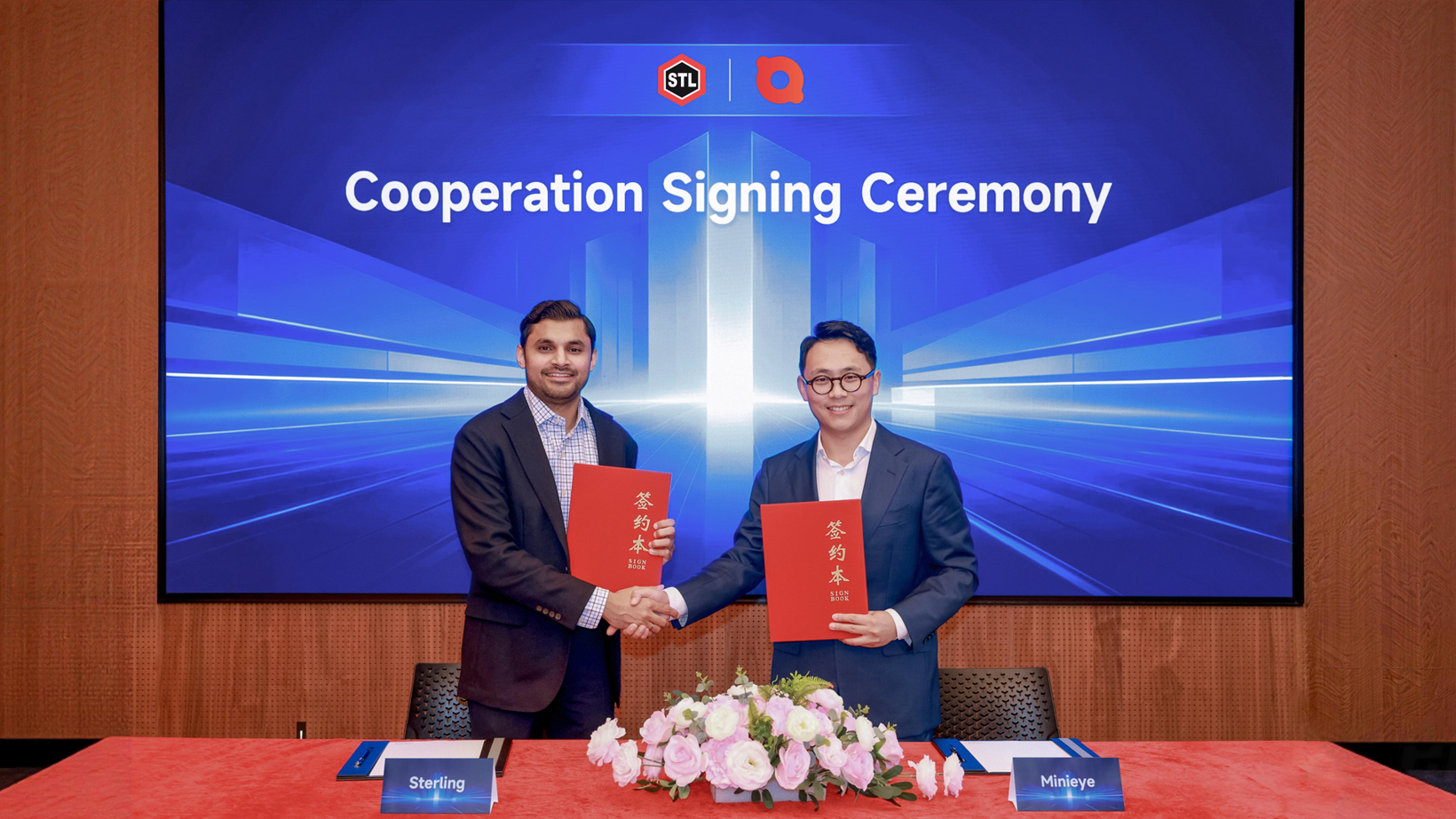
Image source: MINIEYE
In fact, some Chinese intelligent connectivity firms have already entered India. Recently, MINIEYE announced a partnership with Indian auto parts supplier Sterling Tools Ltd. The agreement outlines cooperation on the deployment of smart driving solutions and the localized production of components for the Indian market.
Zhang Xiang describes this phenomenon as "leveraging partnerships to go global." Due to complex factors like geopolitics, Chinese brands face policy uncertainty and brand recognition barriers if they attempt to enter the Indian market directly on a large scale. By entering as suppliers to European automakers, Chinese companies can achieve an indirect output of technology and products.
Thus, the India-EU tariff adjustment is essentially a tailored opportunity issued for European automakers, with the Chinese supply chain boarding the ship as a "key partner."
Breaking into India Isn't Easy
The future looks promising, but the reality is stark. For European automakers, lower tariffs do not guarantee smooth entry, nor do they ensure a quick foothold in the Indian market.
First, India's business environment is notoriously complex and volatile. Take tax policy as an example: India has frequently adjusted Goods and Services Tax (GST) or luxury tax rates without warning, instantly rendering foreign companies' pricing strategies ineffective. The fact that American giants like General Motors and Ford chose to withdraw after stumbling is partly attributed to this unpredictable business climate.
Even with the tariff reduction agreement, substantive cuts to 10% won't officially take effect until 2028.
In the current context of complex global geopolitics, a window of several years is fraught with variables. If domestic protectionist sentiment resurges in the coming years, or if bilateral diplomatic relations fluctuate, uncertainty remains regarding whether the agreement will be honored on time and with full force.
Second, local Indian giants are strong competitors. Tata Motors and Mahindra not only enjoy home-field advantage but have also completed preliminary accumulation of original technology through the "Make in India" incentive scheme.
Tata Motors already commands about 60% of the local EV market and is accelerating the construction of a closed-loop ecosystem spanning battery manufacturing to charging infrastructure. As Zhang Xiang observes, the core competitiveness of local firms lies in their extreme cost compression and experience adapting to local road conditions and climate—soft strengths that lower tariffs cannot easily offset.
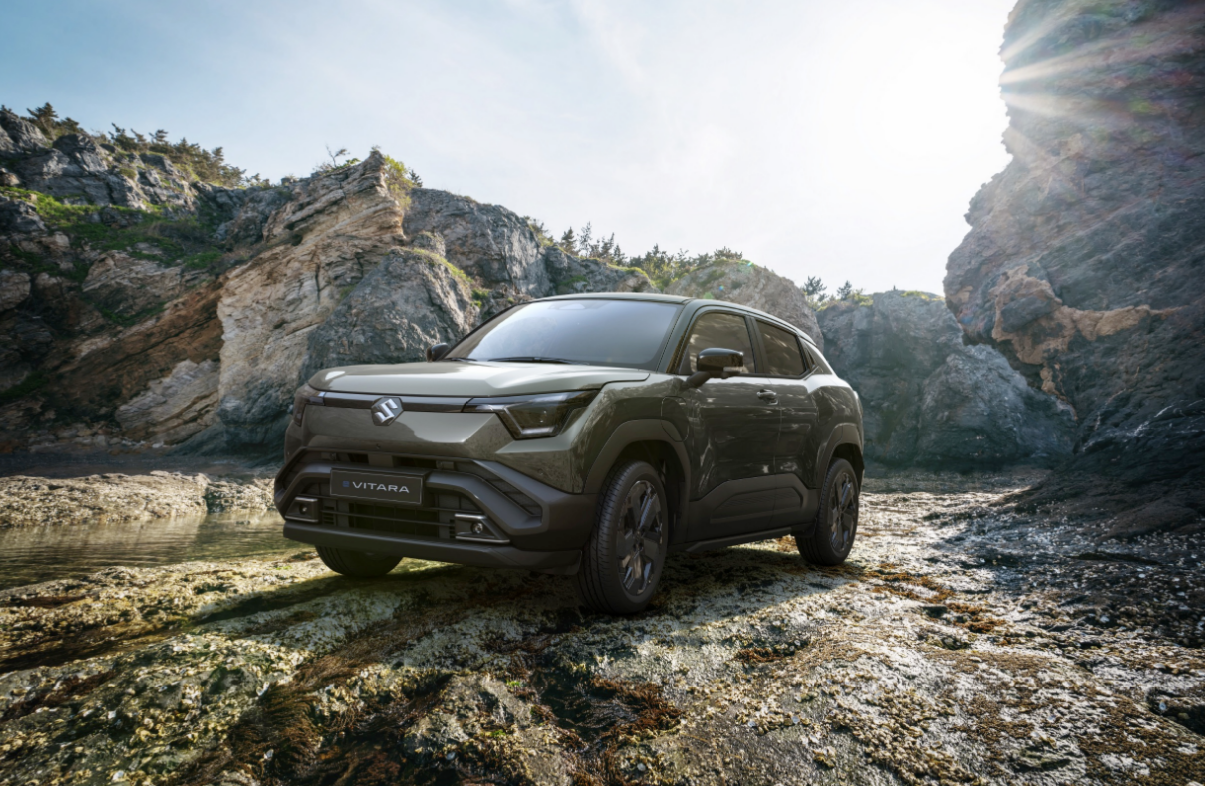
Image source: Suzuki
Beyond policy and competition, consumer preferences pose another hurdle. While brand influence is a strength for European cars, the mass market in India is extremely sensitive to value for money, fuel consumption, and resale value.
If European automakers want to move volume, they must drastically compress profit margins while maintaining quality. This conflicts with their business model of pursuing high gross margins.
Furthermore, India's infrastructure, high-temperature and high-humidity climate, and congested traffic impose specific requirements on vehicle cooling systems, suspension tuning, and air conditioning performance. If European automakers enter the Indian market without deep secondary development, they risk facing adaptation issues.
The operational and localization challenges for European automakers in India cannot be ignored. To expand sales, companies need to simultaneously build robust sales, after-sales service, and parts supply systems—a systemic engineering project requiring long-term investment.
At the same time, to achieve long-term success and hedge against exchange rate and tariff risks, deep localized production is almost an essential path. Currently, most European automakers have not established a localized manufacturing system.
Zhang Xiang points out that network expansion, after-sales service pressure brought by sales growth, and localization are challenges that European automakers must face.
The signing of the India-EU tariff agreement marks a step toward limited opening of the Indian auto market, but it is only the beginning. If European automakers want to truly establish themselves in India, they cannot rely solely on price concessions from tariffs; they must be prepared to navigate the complex policy landscape for the long haul.