



As China's auto industry looks toward technological evolution in 2026, a consensus has emerged: disruptive technologies are nowhere to be found. The battle has shifted from proving concepts to engineering execution.
Cui Dongshu, secretary-general of the China Passenger Car Association (CPCA), notes that the industry hasn't hit an obvious inflection point for new technology competition. A Gasgoo survey of engineers and technical staff across automakers backs this up: for 2026, the top of corporate priority lists remains dominated by mass-produced Level 3 autonomy, solid-state battery installations, and the technical restructuring needed to cut costs and boost efficiency.
Three years ago, the debate was "can we do it?" Two years ago, it was "who does it better?" But in 2026, the core question remains: how many units have you shipped, and how much money have you saved?
The multiple-choice exam on technology roadmaps has been handed in. From here on, competition among automakers will be defined by "refinement" and "polishing the edges."
L3 Autonomy Mass Production, AI-Enabled Cockpits
The evolution of vehicle intelligent features in 2026 will revolve around two main directions: the rollout of Level 3 (conditional autonomous driving) and the shift of AI cockpits from simply stacking features to revolutionizing the user experience.
The industry has marked 2026 as a critical year for validating Level 3 mass production. Huawei's Qiankun Intelligent Driving plans to launch commercial L3 features at scale within the year. Voyah is positioning the Taishan Ultra as China's first mass-produced L3 SUV. XPENG released its second-generation VLA model early this year, claiming a physical-world architecture with early-stage Level 4 capabilities, and aims to commercialize Level 3 technology by year's end. Meanwhile, Changan and BYD have entered the final stages of road testing for their mass-production L3 vehicles.
However, opinions diverge within the industry regarding the pace of L3 deployment. Jiang Haipeng, deputy general manager of Great Wall Motor's Technology Center, has noted that the adoption of Level 3 will be a gradual process: 2026 will serve as the tipping point for highway L3, while mass production of urban L3 won't arrive until 2027.
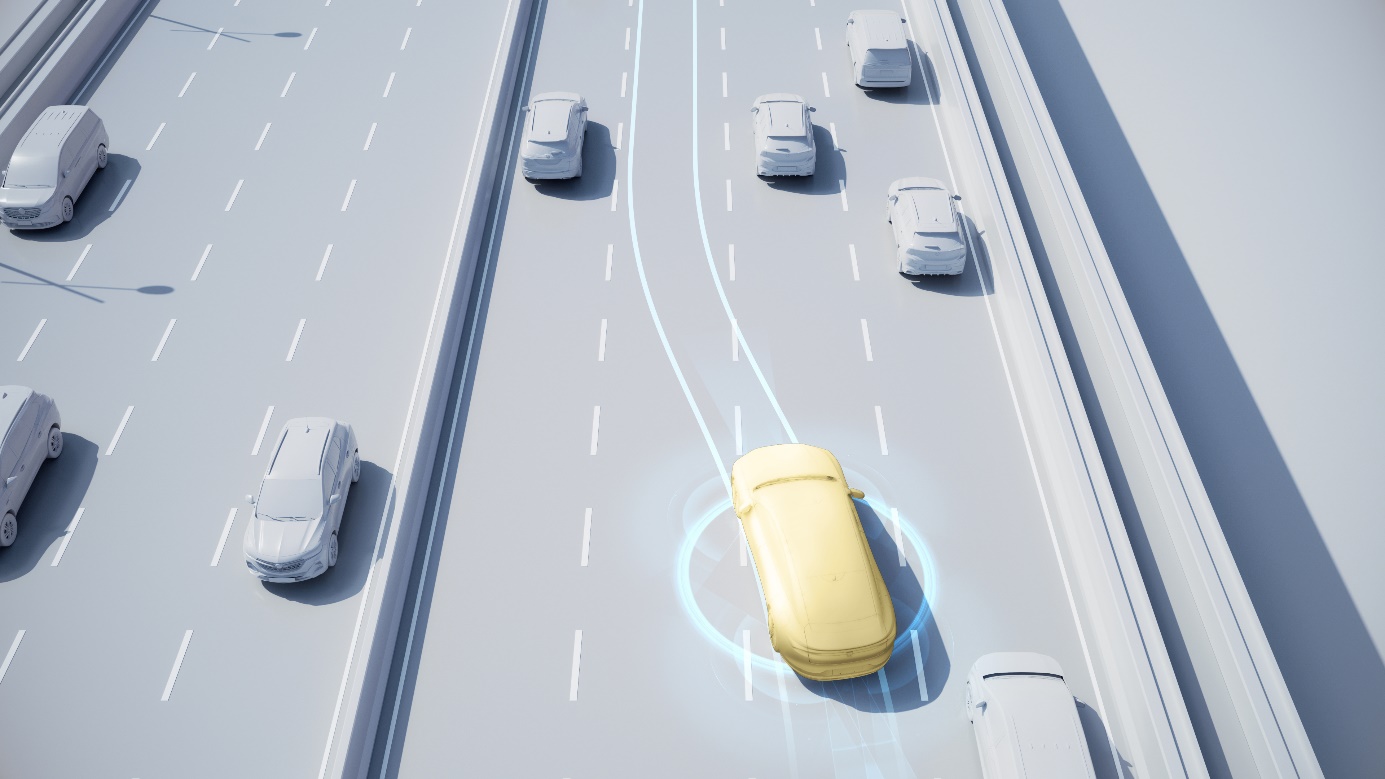
Image Source: Momenta
This assessment rests on two practical constraints. The first is computing power. While end-to-end large models (VLA models) are already running smoothly in the cloud—offering an experience infinitely close to autonomous driving—migrating them to the vehicle side faces massive computational bottlenecks. Jiang predicts that the true inflection point for scaled breakthroughs in intelligent driving will arrive in 2028. By then, Level 4 deployment will be feasible, and overall computing power is expected to exceed 1,000 TOPS.
Hu Ming echoes this view, suggesting that the widespread adoption of L3 this year still faces "dual constraints of technology and policy." Even if individual components meet vehicle standards, integrating them highly into the entire vehicle while ensuring stability and reliability across all weather conditions and scenarios remains a formidable engineering challenge.
The second constraint is a cost structure that is difficult to lower in the short term. Estimates suggest that a complete L3 hardware package—encompassing LiDAR, high-precision sensors, redundant actuators, and dual-chip backup systems—adds 30,000 to 50,000 yuan to the cost of a single vehicle. This cost structure dictates that in 2026, L3 technology will remain concentrated in vehicles priced above 350,000 yuan. It won't trickle down to the mainstream 200,000 yuan market until 2027 or 2028, or perhaps even later.
The policy landscape is following a similarly gradual trajectory. By the end of 2025, some L3 models had already secured approval in designated zones, and in 2026, the pilot scope is expected to expand to certain expressways in Beijing, Shanghai, Guangzhou, and Shenzhen. However, refining supporting regulations—such as liability definition, data security, traffic coordination, and insurance architectures—will take time. The true tipping point for L3 adoption ultimately hinges on clearly defining the subject of liability at the legal level.
By comparison, the intelligent cockpit is undergoing a leap in 2026 from stacking features to reconstructing the user experience. The core variable is the deep integration of VLA models. The evolution of cockpit intelligence is best described as "anthropomorphic": systems no longer passively execute voice commands. Instead, through multimodal interactions like eye tracking, gesture recognition, and seat pressure sensing, they actively anticipate the driver's intentions and state.
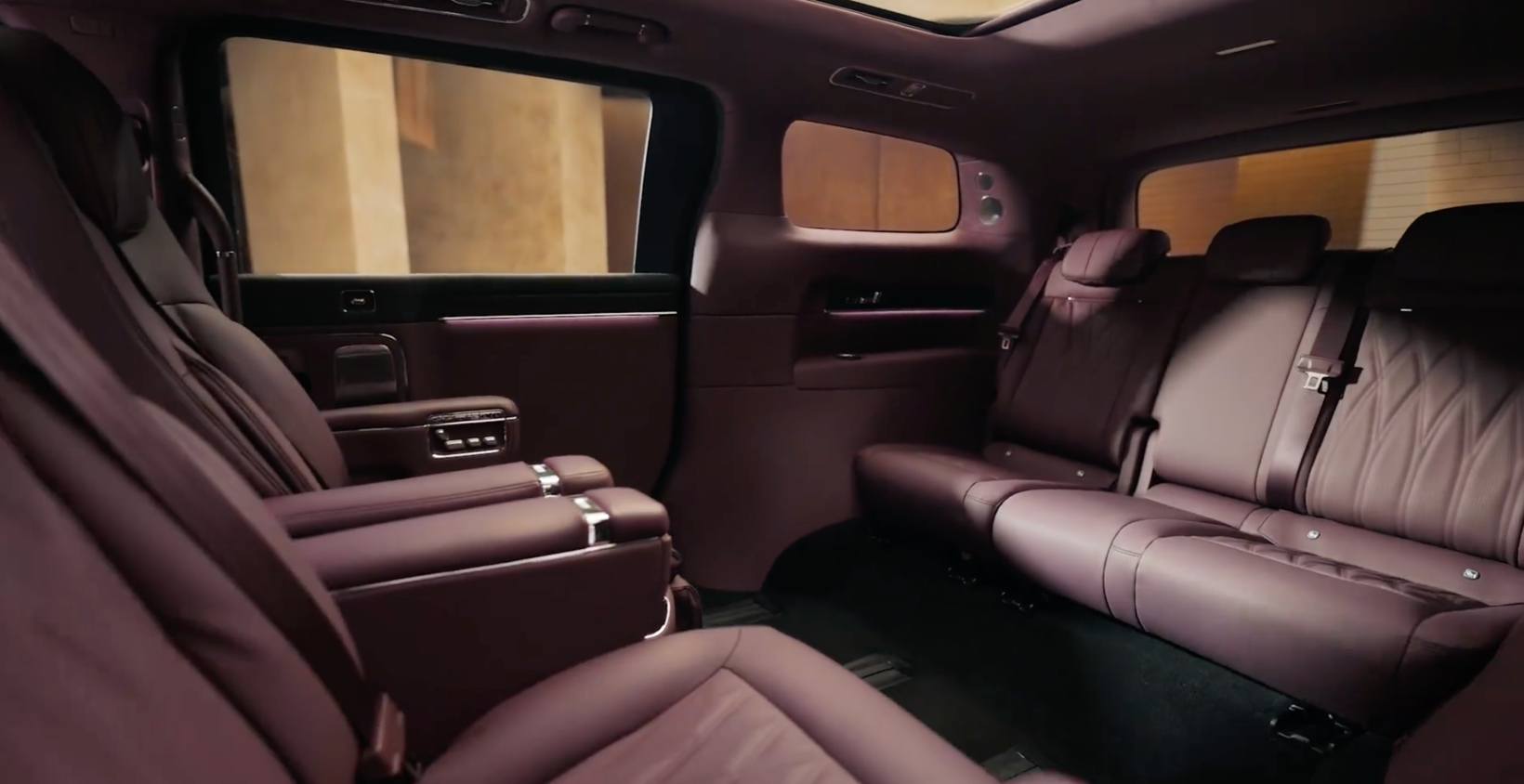
Image Source: Luxeed
This restructuring of interaction logic is forcing changes in hardware forms. The 180-degree rotating second-row seats and wrap-around airbags introduced in the Luxeed V9 are not merely examples of spec-sheet inflation. Rather, they signal that cockpit design is beginning to restructure functions around specific usage scenarios, such as business meetings and family relaxation. In their 2026 product planning, several automakers have also identified "scenario-based cockpits" as a key focus area for intelligence.
Notably, user acceptance of intelligent features is diverging. For instance, Li Auto owners show a high acceptance of driver assistance, making its use on highways a common practice. In contrast, Geely owners tend to be more cautious, preferring manual control behind the wheel. As one put it, "On the highway, you still have to watch out for yourself."
For automakers, no matter how advanced the technology, bridging the gap in user psychology and habits remains essential. Figuring out how to get owners of traditional brands to accept intelligent driver assistance systems will be a critical challenge in 2026.
Batteries and Smart Chassis Intensify the Race
In the two core hardware domains of power batteries and smart chassis, the competitive logic for 2026 is shifting from comparing specifications to battling over scale and cost.
Semi-solid-state batteries are currently passing through the window from laboratory testing to mass installation. Hualun has identified the progress of semi-solid-state batteries as a key item to watch in 2026.
Looking back at 2025, the most significant change for this technology was not a breakthrough in energy density, but a rapid decline in costs. The 350 Wh/kg benchmark was actually achieved in laboratories two years ago. Thanks to optimizations in material systems and maturing production processes, semi-solid-state battery packs have now entered the 100,000 yuan price tier.
For example, last year the SAIC MG4 "Anxin" Edition, equipped with a semi-solid-state battery, became the world's first mass-produced vehicle to feature the technology, priced at 99,800 yuan. The car carries a 53.9 kWh battery pack, achieving a CLTC pure electric range of 530 kilometers. Meanwhile, NIO utilized a 150 kWh semi-solid-state battery pack to push the ET7's range past the 1,000-kilometer mark.
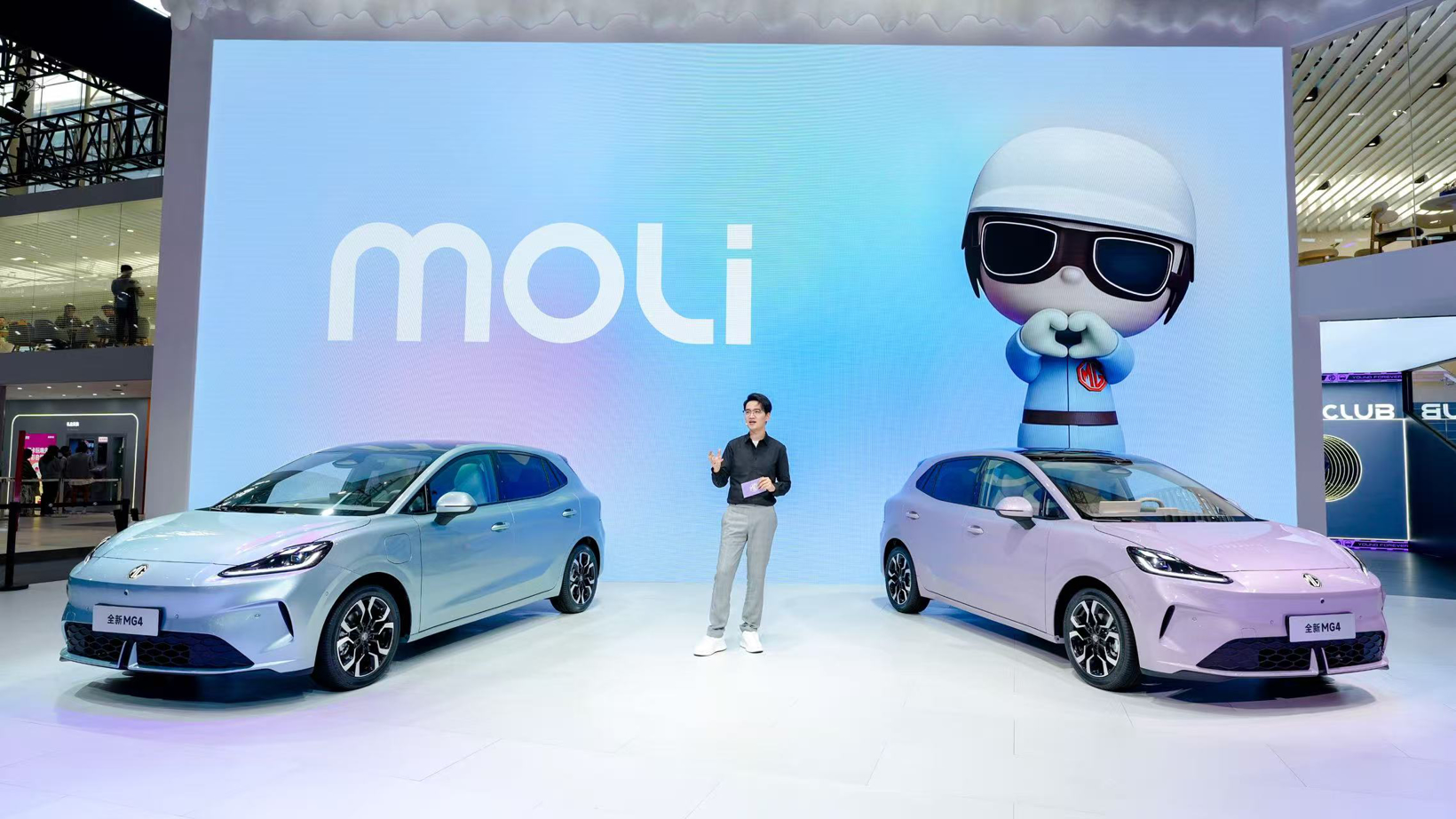
Image Source: SAIC MG
Entering 2026, this trend is accelerating. Dongfeng Motor plans to equip the eπ HT-i with a 350 Wh/kg semi-solid-state battery, with a targeted CLTC range of 1,000 kilometers and mass production expected in September. GAC's Hyper GT MAX, meanwhile, will feature a quasi-solid-state battery with a claimed pure electric range of up to 1,100 kilometers.
However, it is important to clarify that these advancements do not represent a disruptive technological breakthrough in semi-solid-state batteries themselves. The energy density curve, the path to reducing electrolyte content, and the basic formulations for oxide/sulfide composite electrolytes all follow the same trajectory as the industry's technology roadmap from three years ago.
The core task for automakers in 2026 is to adapt proven technical solutions to more vehicle platforms—achieving lower costs, more mature processes, and more stable quality control.
Research by CITIC Securities indicates that 2026 will be a critical juncture where semi-solid-state batteries are "poised for volume growth" across the consumer, power, and energy storage sectors, just as all-solid-state batteries begin installation verification. From an investment perspective, the battery, materials, and equipment sectors are entering a window of opportunity.
In the realm of smart chassis, the competitive focus is shifting from the performance of individual components to system integration and coordinated control. Looking at development trends, the competition in smart chassis continues to intensify around three main areas:
First, increasing the activeness of suspension systems through technologies like air suspension and active damping to enhance comfort and stability across different driving conditions. Second, the engineering maturation of brake-by-wire and steer-by-wire technologies, which reserves space for higher vehicle control precision and future intelligent features. Third, the continuous improvement of chassis domain controller integration, reducing redundant hardware and increasing response efficiency.
Steer-by-wire and brake-by-wire technologies are set to see mass-production breakthroughs in 2026. Compared to the small-scale demonstrations of 2025, more models this year will eliminate the mechanical connections for steering columns and brake pedals, relying purely on electronic signal transmission. This not only further frees up cockpit layout flexibility but also provides the hardware foundation for the redundant control required by high-level autonomous driving.
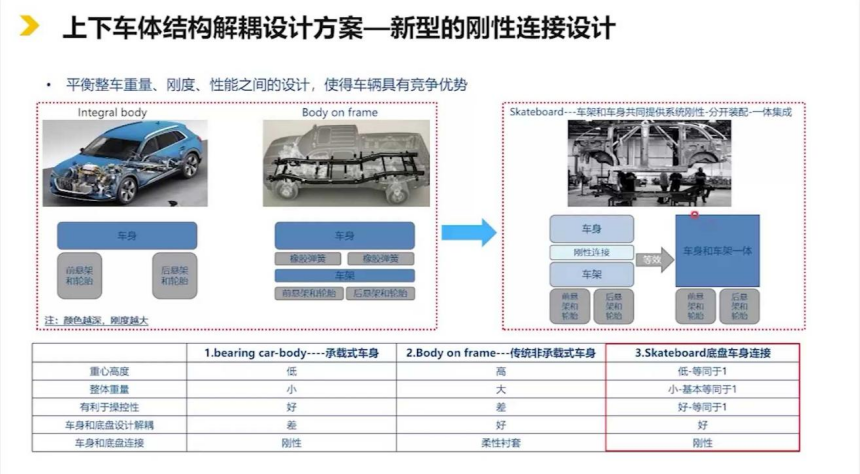
Skateboard chassis architectures will also mature further, moving from hardware mechanical structures toward integrated chassis domain controllers, promising coordinated control of braking, steering, and suspension. In particular, the regulatory approval and installation of steer-by-wire technology have achieved a physical decoupling of the chassis from the steering wheel. This not only opens up possibilities for spatial design in AI cockpits but also enhances the precision with which intelligent driving systems can control vehicle attitude.
Fully active suspension is a quintessential application of smart chassis technology integration. By using preview cameras and radar to sense road information ahead of time, chassis systems can adjust damping and stiffness with microsecond response times. In 2026 model configurations, this technology will trickle down from million-yuan luxury vehicles to the 300,000 and even 200,000 yuan market segments.
This is driven by falling technology costs; automakers hope to leverage chassis hardware upgrades to enhance the fundamental driving dynamics and differentiated competitiveness of their vehicles.
Take Li Auto as an example: its new-generation L9 model brought an 800V fully active suspension system to the sub-600,000 yuan market for the first time. This technology enables "programmable" chassis attitude—the vehicle can actively adjust suspension stiffness and height in milliseconds based on road conditions, driving modes, and even user preferences. This ability to adapt actively is the fundamental dividing line between smart and traditional chassis.
Great Wall Motor, meanwhile, has integrated a V8 hybrid system with a carbon fiber cockpit and high-performance chassis as part of its supercar program.
Moving Upmarket and Cutting Costs
Whether it's the rollout of mass-produced L3 functions, the gradual installation of semi-solid-state batteries, or the continuously rising complexity of chassis systems, these technological evolutions will ultimately feed into the cost structure of the entire vehicle.
Against a backdrop of price competition that shows no sign of easing, how to digest continuously increasing technological investments has become a practical issue automakers must face head-on. For this reason, moving upmarket and cutting costs are no longer an "either/or" passive choice; they are two sides of the same coin—a survival path that must be pursued in parallel.
Several industry insiders predict that the price war will continue through 2026. Gao Fei (a pseudonym) bluntly stated that in the current market environment, "price is a competitive tool you can't get around." Especially in mainstream market segments where products are becoming increasingly homogenized, price changes remain the most direct variable affecting sales volume.
"For volume models, price is still what talks," Hu Ming analyzed. "Chips and processors are all getting more expensive; it comes down to who can withstand the cost pressure while keeping a lid on terminal prices." This highlights the common dilemma facing automakers: upstream costs are rising, yet they dare not raise prices easily at the retail end.
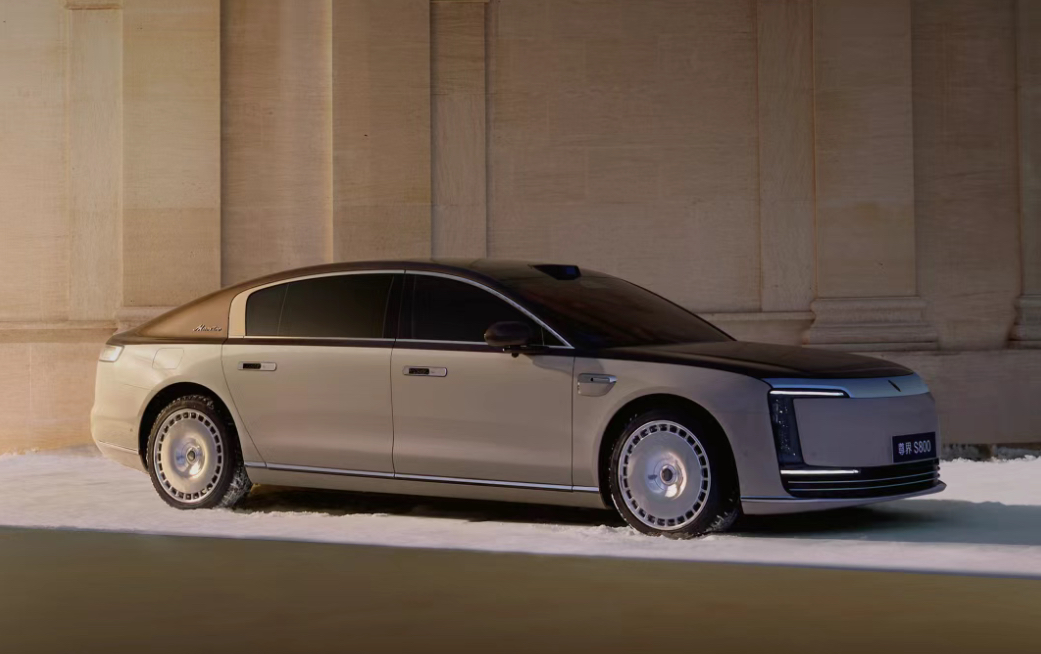
Image Source: Zunjie
Furthermore, as the complexity of vehicle technology rises systematically, companies are facing structural pressure of "rigidly rising costs." On one hand, consumer expectations for configuration levels and product performance are rising; on the other, there is little room for synchronized cost reductions in core components and key technology fields.
Faced with this market environment, every industry insider interviewed listed "cost-cutting and efficiency-enhancing technologies" as a top priority for 2026. The implication goes far beyond the traditional procurement logic of "squeezing suppliers for a few percentage points." It is beginning to delve into the deep restructuring of technical architectures and supply chain landscapes.
This shift is particularly evident in the semiconductor sector. Spurred by the explosion of the AI industry, the automotive sector is slipping into a structural chip shortage.
According to a report by Morgan Stanley, server DRAM prices have surged nearly 70%, while contract prices for NAND flash have risen 20% to 30%. Citi forecasts that average selling prices for DRAM and NAND flash products could jump 88% and 74%, respectively, in 2026. For high-end models in particular, some predictions suggest the cost of chips per vehicle could reach as high as $2,000.
Facing the double squeeze of rising prices for general-purpose chips and supply volatility, some automakers have begun moving "computing autonomy" from a strategic concept to actual deployment.
BYD is a prime example. The company has laid out chip production capabilities, gradually achieving self-sufficiency in mid-to-low-end chips. It has also achieved self-supply in the LiDAR sector. According to the 403rd issue of the Ministry of Industry and Information Technology's (MIIT) new vehicle declaration catalog, models such as the Seagull, Dolphin, Ti 3, Qin PLUS, Qin L, and Song Ultra all offer LiDAR as an optional configuration.
This combined strategy of "domestic substitution plus secondary supplier development" aims not only to reduce hardware costs per vehicle but also to bring high-level intelligent driver assistance systems like "God's Eye B" down to mainstream volume models, thereby preserving profit margins amidst the ongoing price war.
At the same time, guarding against the risks of price hikes and supply cuts for key components like memory chips, some automakers are entering the upstream manufacturing sector through investments and equity stakes. This vertical integration aims to compress margins in the intermediate links while enhancing the autonomy and controllability of the supply chain.
While struggling to maintain cost space in volume models, moving upmarket remains a key strategy for domestic brands to break through and boost profits. Hu Ming points out that a core driver of premiumization is the brand equity and profit margins it supports—using a dual moat of technology and branding to hedge against the intensifying competition in the mid-to-low-end market.
However, the road to premiumization for domestic brands is far from smooth at this stage. Hu Ming observes that current high-end layouts by domestic brands are still in a growth phase, with scale effects far from realized. "The Chinese market is just too competitive; the high-end segment is just as fierce. The per-vehicle costs for premium models are inherently high, and with the layered amortization of production, distribution, and marketing costs, there's little left over. It simply doesn't widen the gap enough."
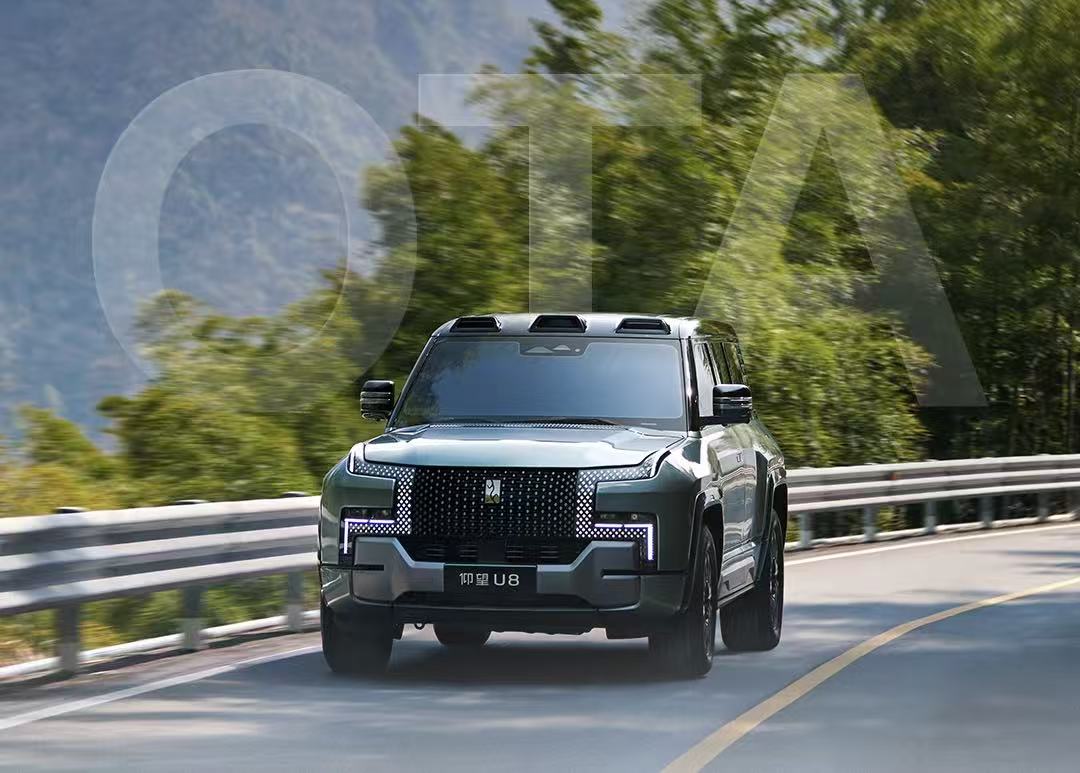
Image Source: Yangwang
Even so, moving upmarket remains a key battleground for automakers to showcase their technological reserves and build differentiated brand perception. Whether it is Great Wall Motor's V8 plug-in hybrid system, Li Auto's 800V fully active suspension, or the Luxeed V9's 180-degree rotating seats, these configurations—once seen as mere "showing off"—are now being used to convert R&D investment into brand equity. They leverage the potential of top-tier technology to elevate the market perception and competitive standing of the entire product lineup.
Clearly, China's auto market in 2026 is accelerating on two tracks simultaneously. One track points downward: the repeated probing of cost limits. From in-house chip development and domestic substitution to design optimization and supply chain reshaping, the underlying logic of every technological iteration answers the question: "How do we build a sufficiently good car with fewer resources?"
The other track points upward: a continuous assault on the value ceiling. From V8 supercars to active suspensions, and from rotating seats to full-stack self-developed autonomous driving, every round of configuration upgrades responds to the question: "Why should users pay a premium for domestic brands?"
However, premiumization and cost reduction are not a zero-sum game where one gains at the expense of the other. Some industry insiders believe that the profit margins generated by high-end models can provide continuous "funding" for underlying technological R&D and cost optimization. Conversely, systematic cost control capabilities serve as the "chassis" that allows premium products to maintain delivery quality and price resilience—and they are also crucial for automakers to hold their ground in this round of competition.
In this realistic cycle where the price war has yet to recede, this logic of mutual support is being increasingly accepted by automakers.


