



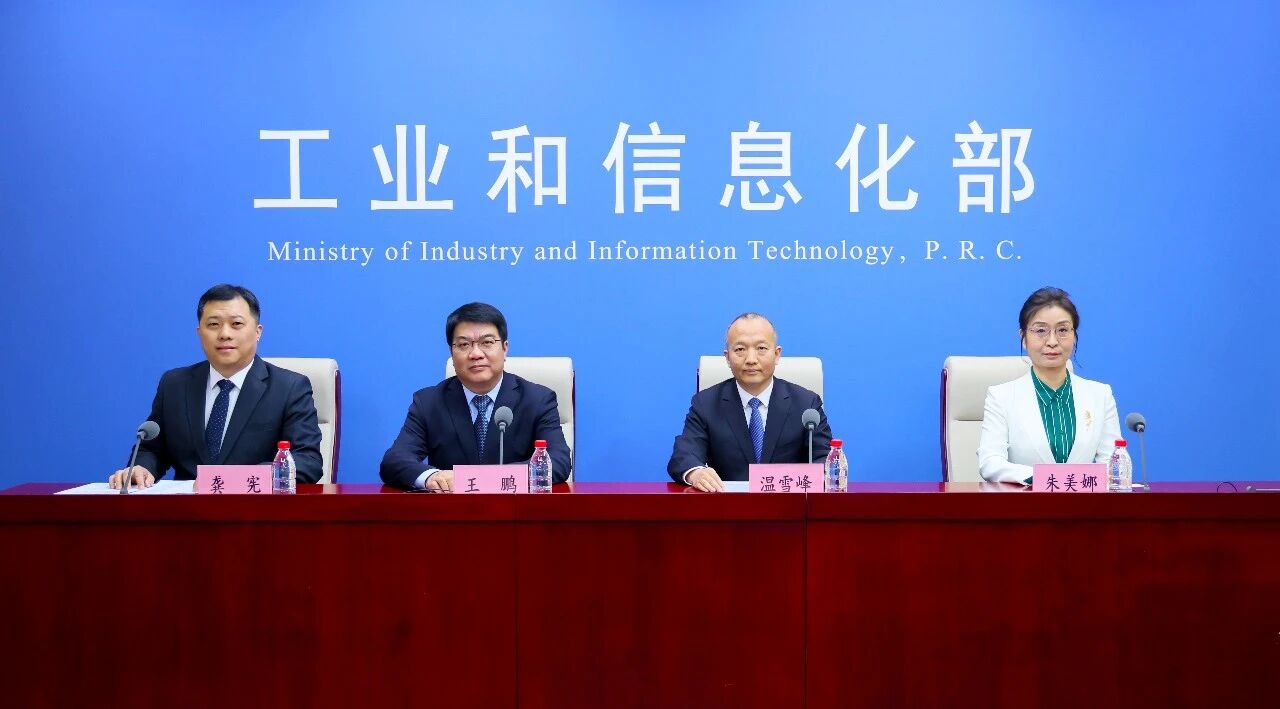
On January 16, 2026, the Ministry of Industry and Information Technology (MIIT), alongside the Ministry of Ecology and Environment and the State Administration for Market Regulation, held a press conference to detail the "Interim Measures for the Management of Recycling and Comprehensive Utilization of Used Power Batteries for New Energy Vehicles." The regulations aim to tackle the looming wave of mass battery retirements by establishing a regulated, safe, and efficient recycling ecosystem.
China's new energy vehicle sector is expanding rapidly, with production and sales both exceeding 16 million units in 2025, capturing 47.9% of new car sales. As battery retirements climb, the annual volume of spent batteries is projected to surpass 1 million tons by 2030. Balancing the resource value of used batteries against their environmental risks makes proper disposal a critical link in the industry's sustainable future.
At the core of the new rules is a management model covering "all channels, the entire supply chain, and the full lifecycle." The regulations introduce a "vehicle-battery integrated scrapping" system—excluding battery-swapping models—requiring that end-of-life vehicles must retain their batteries. They also clarify responsibilities across the board, from production and sales to recycling and utilization, placing particular emphasis on the "guaranteed" recycling obligations held by battery and automakers.
A key institutional innovation is the creation of a "digital ID" system for power batteries. By linking a unique code to the battery's flow data throughout its lifecycle, the system enables full informational traceability and monitoring.
The measures also refine key terminology, explicitly dropping the term "cascaded utilization." Instead, they stress that any reprocessed battery product must meet quality standards for its intended application. Furthermore, the use of retired power batteries in prohibited areas—such as electric bicycles—is strictly banned.
Under the division of labor, the MIIT will lead the construction of a national traceability platform. The Ministry of Ecology and Environment will continue cracking down on illegal dismantling while strengthening environmental oversight. Meanwhile, the State Administration for Market Regulation is tasked with refining the standards system, having already released nearly 30 national standards and establishing a relevant standardization technical committee.
The introduction of these new rules marks a turning point, signaling that the recycling and utilization of EV power batteries has entered a new phase of legal and standardized management.


