



Gasgoo Munich- As the auto industry's battleground shifts from the "first half" of electrification to the "second half" of intelligence, every player in the supply chain is facing a severe stress test. R&D costs are piling up upstream, while downstream OEMs wage an increasingly brutal price war. Profit margins are being squeezed tighter than ever, forcing a rewrite of the industry's survival rules.
Yet, against this backdrop of intense pressure, Desay SV has delivered a surprisingly strong set of results: revenue topped 30 billion yuan for the first time, net profit surged more than 22%, cash flow improved markedly, and the order book remains robust.
These figures represent more than just one company's financial health; they offer a clear window into the progress of automotive intelligence in China. Beyond mere corporate growth, the annual report reveals an industry undergoing rapid fission and reconstruction.
Revenue and Profit Rise in Tandem
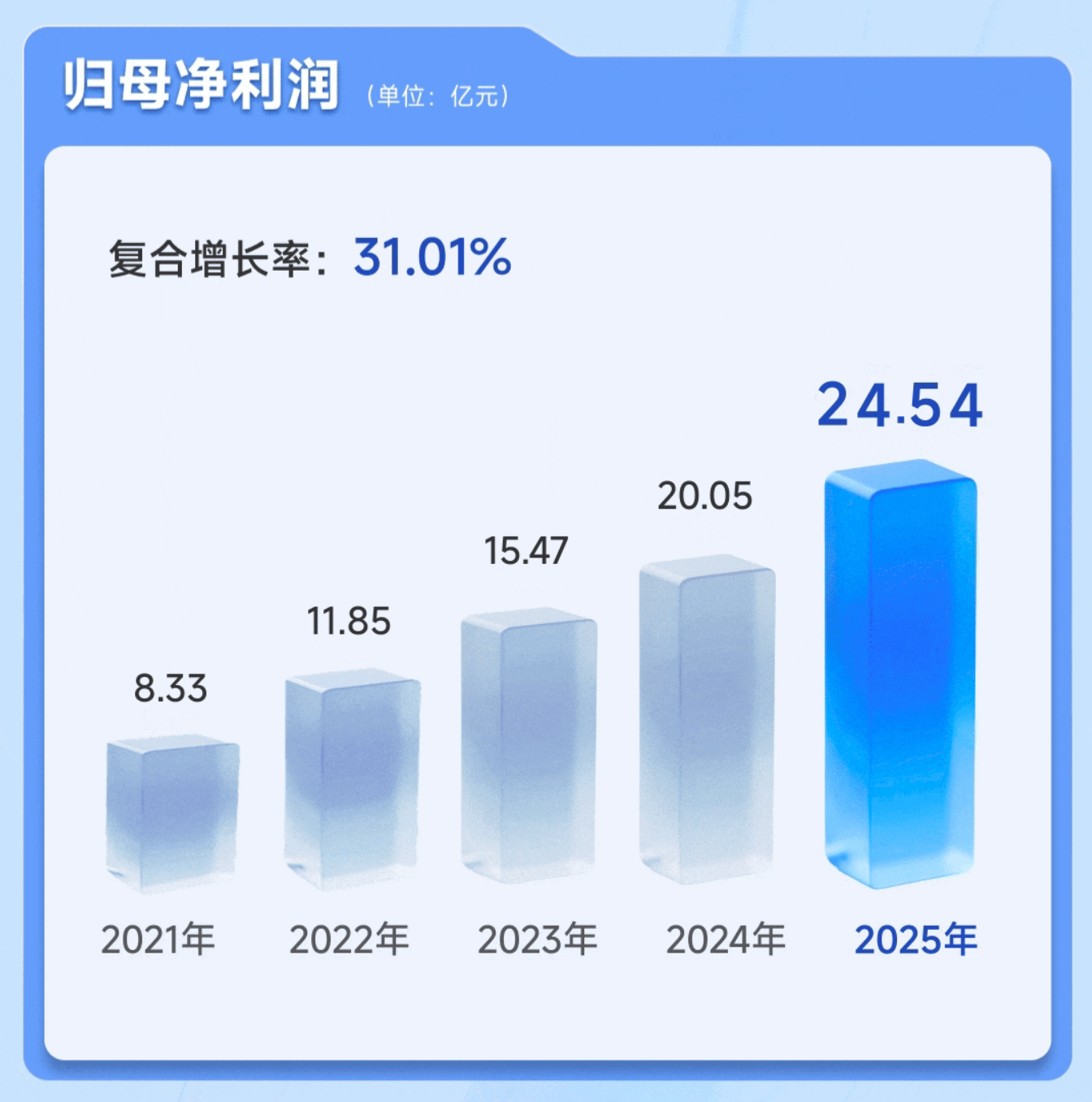
In 2025, Desay SV answered market expectations with a set of solid numbers: full-year revenue reached 32.557 billion yuan, up 17.88% year-on-year, while net profit attributable to shareholders climbed 22.38% to 2.454 billion yuan. Achieving growth in both metrics is no small feat given the slowing industry-wide expansion and the pervasive price wars.
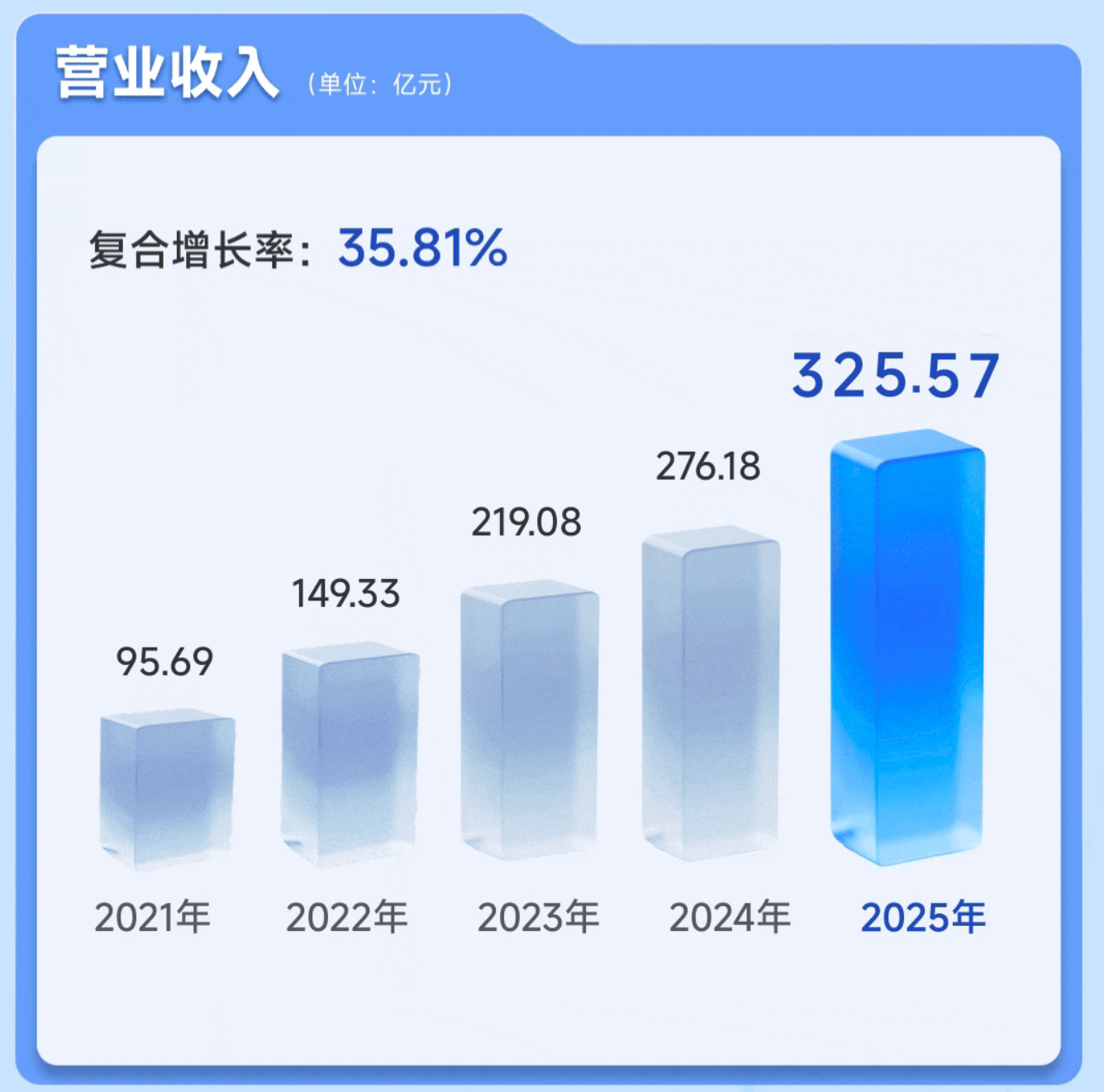
Image Source: Desay SV (same below)
But the true value lies in the quality behind these figures. Looking back from 2021 to 2025, Desay SV's compound annual growth rates for revenue and net profit hit 35.81% and 31.01%, respectively. In just four years, revenue jumped from under 10 billion to over 30 billion yuan, while profit swelled from less than 1 billion to nearly 2.5 billion. Such sustained, stable high growth is a rarity in today's volatile auto sector.
Where is this growth coming from? The answer lies in strategy. As the industry pivots from charging for "configurations" to charging for "experiences," Desay SV has avoided blind expansion. Instead, it pursued "structural growth," focusing on high-value, high-growth core sectors and building deep technical moats to construct a robust growth logic.
Financially, Desay SV's operational resilience is equally impressive. Net cash flow from operating activities hit 2.884 billion yuan in 2025—a massive 93.09% jump that far outstripped net profit.
That gap stems largely from improved sales collections, highlighting efficient management of customer credit and accounts receivable. Even as the company scales up, cash flow quality has become healthier thanks to tighter collection cycles—a critical asset in an industry where cash is king.
On profitability, Desay SV maintained a high weighted average return on equity of 21.67%. Basic earnings per share rose 19.83% to 4.35 yuan, delivering steady returns to shareholders.
The asset structure is also strengthening. Desay SV's total assets reached 29.845 billion yuan, up 38.92%, while net assets attributable to shareholders jumped 59.88% to 15.418 billion yuan. The debt-to-asset ratio was kept at a reasonable 47.85%. In 2025, the company raised 4.399 billion yuan through a private placement to fund projects like smart computing centers and capacity expansion. Additionally, it plans to pay a cash dividend of 12.50 yuan per 10 shares, totaling 742 million yuan, underscoring its commitment to long-term shareholder returns.
Desay SV also demonstrated refined operational capabilities in cost control. While sales and administrative expenses rose by 12.79% and 25.57% respectively, both lagged behind revenue growth. Meanwhile, R&D investment grew to 2.637 billion yuan—accounting for 8.1% of revenue—ensuring continued high-intensity investment in core technologies.
Three Core Businesses Evolve and Expand
Breaking down Desay SV's 32.5 billion yuan in revenue reveals a profound transformation in its business structure. The traditional "cash cow" remains stable, while the "vanguard" businesses representing the future are beginning to show their strength, even spilling over into entirely new sectors.
Desay SV operates three core pillars: smart cockpits, smart driving, and connected services. As penetration rates for intelligent automotive products rise and the value per vehicle increases, performance across these core sectors has seen robust growth.
The smart cockpit business remains the cornerstone of Desay SV's revenue, generating 20.585 billion yuan in 2025—accounting for 63.23% of the total. Annualized sales from new projects in this segment exceeded 20 billion yuan.
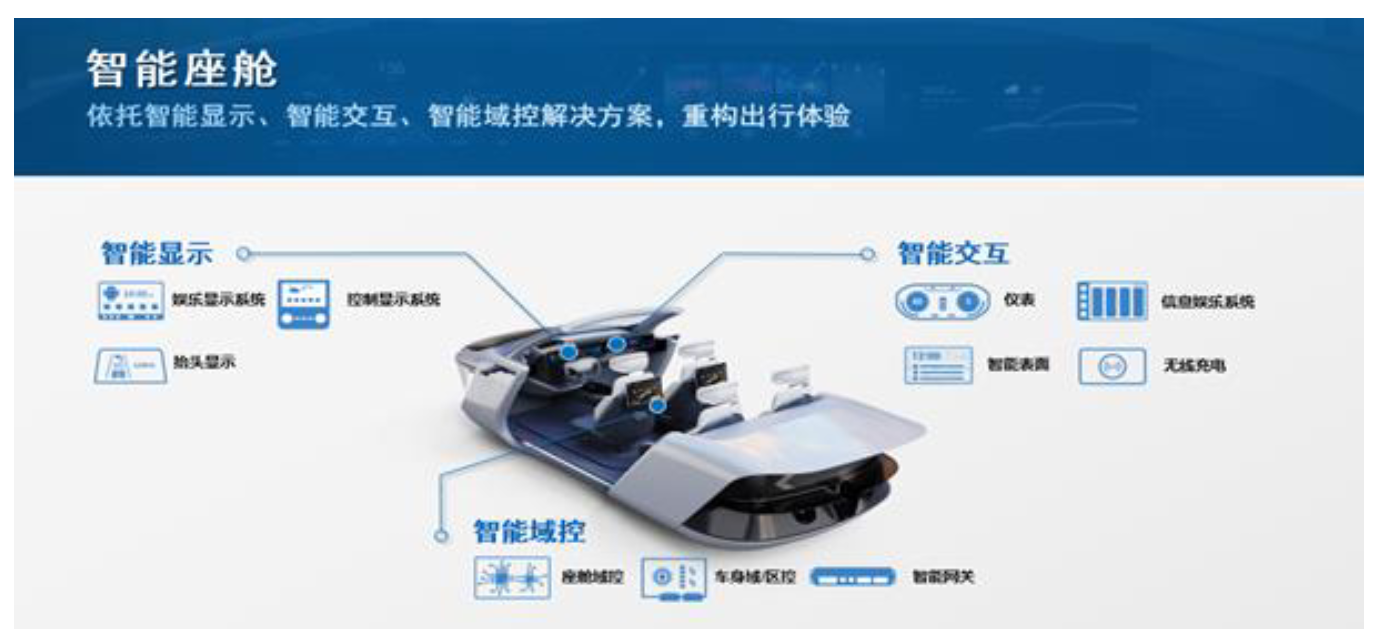
In 2025, Desay SV's fourth-generation smart cockpit platform began supplying major clients like Li Auto, Xiaomi, Geely, Chery, and GAC Group, while also securing new orders from GAC, Geely, and GAC Honda. The company maintains a dominant position in China's cockpit domain controllers, infotainment systems, and display products, while simultaneously achieving business breakthroughs in Europe, Southeast Asia, Central Asia, Japan, and India.
Regarding new products, the company launched a fifth-generation smart cockpit platform based on a new AI chip. This creates an end-to-cloud AI cockpit solution compatible with multiple hardware platforms, offering services ranging from AI model training to data evaluation. In displays, Desay SV mass-produced the industry's largest integrated central and co-pilot screen for clients like Chery and Geely. It also developed a leading A-pillar-to-A-pillar curved Mini LED display solution, securing orders from Chery and international customers.
It is worth noting that despite the massive volume, gross margin for the cockpit business stood at 18.83%, a slight dip of 0.28 percentage points. This reflects the intensity of competition in the sector.
Smart driving has emerged as the primary growth engine. Revenue reached 9.7 billion yuan in 2025, a sharp 32.63% increase, with annualized sales from new projects surpassing 13 billion yuan. Growth momentum remains robust as advanced driver-assistance features like city NOA accelerate commercial deployment.
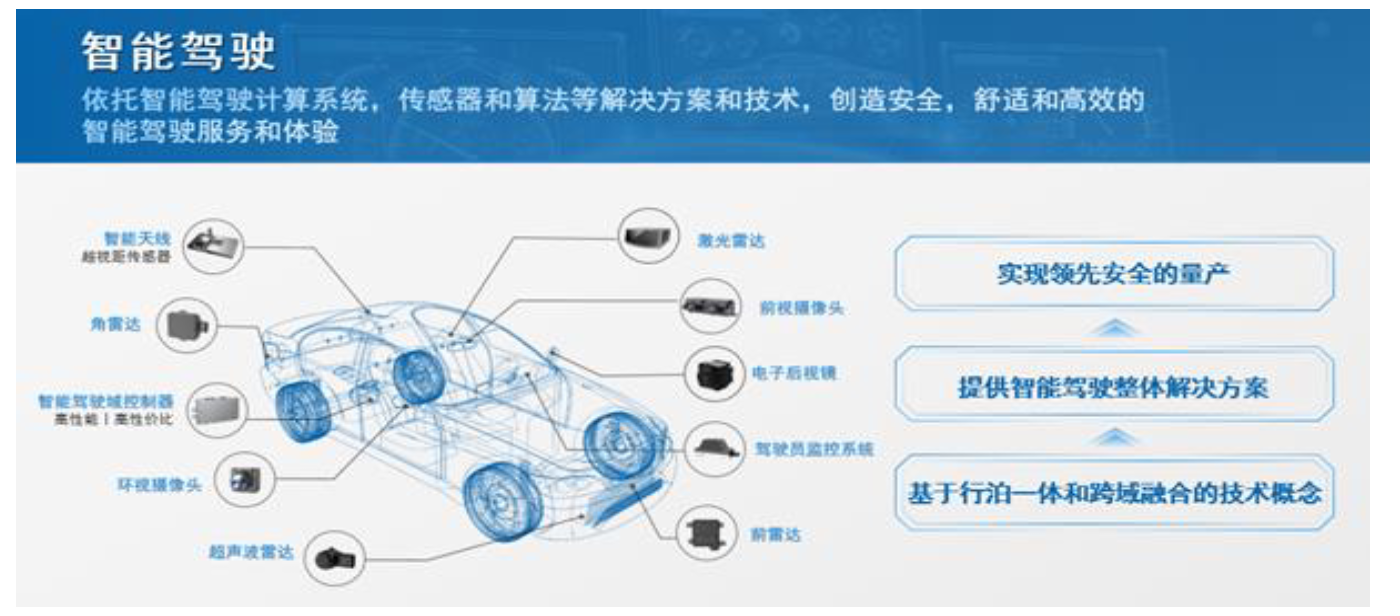
The annual report indicates an upgrade in Desay SV's full-stack delivery capabilities. It has formed a complete smart driving system integrating domain controllers, sensors, and algorithms, capable of providing diverse solutions for both domestic and international markets to meet varied customization needs.
Its full portfolio of smart driving platforms has achieved mass production, creating a diverse product matrix. High-computing flagship platforms, cost-effective mainstream platforms, and domestic chip platforms are all being delivered in batches. A cross-domain fusion one-box solution has simultaneously entered mass production, and a single-chip cockpit-driving fusion platform is poised to begin volume production.
Leveraging mature product strength, Desay SV has achieved large-scale mass delivery of smart driving domain controllers for a roster of major automakers, including Xiaomi, Li Auto, Great Wall Motor, XPENG, Geely, GAC Toyota, Dongfeng Nissan, Chery, and GAC Honda.
In the sensor field, Desay SV has built a complete product matrix around 3D and 4D millimeter-wave radars. In 2025, it secured licensing for mainstream international millimeter-wave radar chips and released its first 8T8R 4D millimeter-wave radar supporting satellite architecture. The product has already been designated by major domestic automakers.
However, rapid growth has brought challenges to profitability. The segment's gross margin was 16.36% in 2025, down 3.55 percentage points. Analysts at Dongwu Securities suggest this is likely due to margin pressure from the contract manufacturing models of certain new energy vehicle clients.
Connected services continue to deepen. Desay SV is working with automakers to build a comprehensive Internet of Vehicles ecosystem through innovative software solutions and big data applications.
In 2025, Desay SV deepened ties with strategic clients such as Li Auto, Changan, XPENG, Jetour, Mercedes-Benz, Volvo, Audi, SAIC-GM-Wuling, GAC Toyota, FAW Toyota, and FAW-Volkswagen. Its service offerings cover full-stack solutions, including smart connectivity ecosystems, basic software platforms, smart entry systems, software services, cybersecurity, and OTA upgrades.
On the technology front, Desay SV launched an end-to-end large language model voice solution featuring GUI Agent capabilities, cross-device control, and multi-language interaction without switching. Its proprietary "Blue Whale" ecosystem achieved a major breakthrough, upgrading the cockpit's intelligent software foundation via AIOS. This supports full hardware-software decoupling and possesses full-stack AI capabilities from large model algorithms to Agent development.
Notably, leveraging the spillover effect of its core technologies, Desay SV is actively entering emerging sectors. It officially launched the "Chuanxing Zhiyuan" brand for low-speed unmanned vehicles, targeting the last-mile logistics sector. The S6 series features a fully self-developed L4 autonomous driving system, a 25° climbing gradient, and automotive-grade batteries with a 6-year lifespan, suitable for diverse scenarios like industrial parks and logistics delivery.
Additionally, the company has secured designation orders for robot domain controllers, with mass production planned for 2026. This move extends its technological capabilities into the emerging field of embodied intelligence.
Where Will Future Growth Come From?
If the evolution of the three core businesses is the "core" of Desay SV's growth, then globalization and technology spillover are its "dual engines."
In 2025, overseas revenue hit 2.41 billion yuan, a 41.1% increase that accounted for 7.4% of total revenue. More importantly, the gross margin overseas stood at 27.3%, significantly higher than the 18.4% recorded domestically. This data clearly indicates that international markets are not just a source of incremental volume, but a crucial driver of profit enhancement.
"High overseas margins are normal; unit prices are higher, following the same logic as Chinese automakers exporting at premium prices," said a senior analyst at Gasgoo Automotive Research Institute. It is important to note that the higher pricing of Chinese automakers abroad is not simple price gouging or discrimination, but a complex strategic choice. It reflects rising trade costs, a proactive shift toward premiumization, and the interplay of global supply and demand.
Desay SV has established an international operational network with 16 overseas branches across key countries including Germany, France, Spain, Japan, and Singapore. The launch of the first mass production project at its Monterrey, Mexico plant marks a substantive step toward localized production in North America. Meanwhile, its smart factory in Spain has completed core equipment installation and topped out on schedule—a major breakthrough for its European localization strategy. This base will serve both international clients and the export needs of Chinese automakers, having already secured orders for the localized production of Chinese brands in Europe.
Ample order reserves and deepening globalization have laid a solid foundation for long-term growth. In 2025, the annualized sales value of new projects exceeded 35 billion yuan, spanning smart cockpits, smart driving, and connected services. The customer base covers mainstream domestic and international automakers, forming a diversified, high-quality order portfolio.
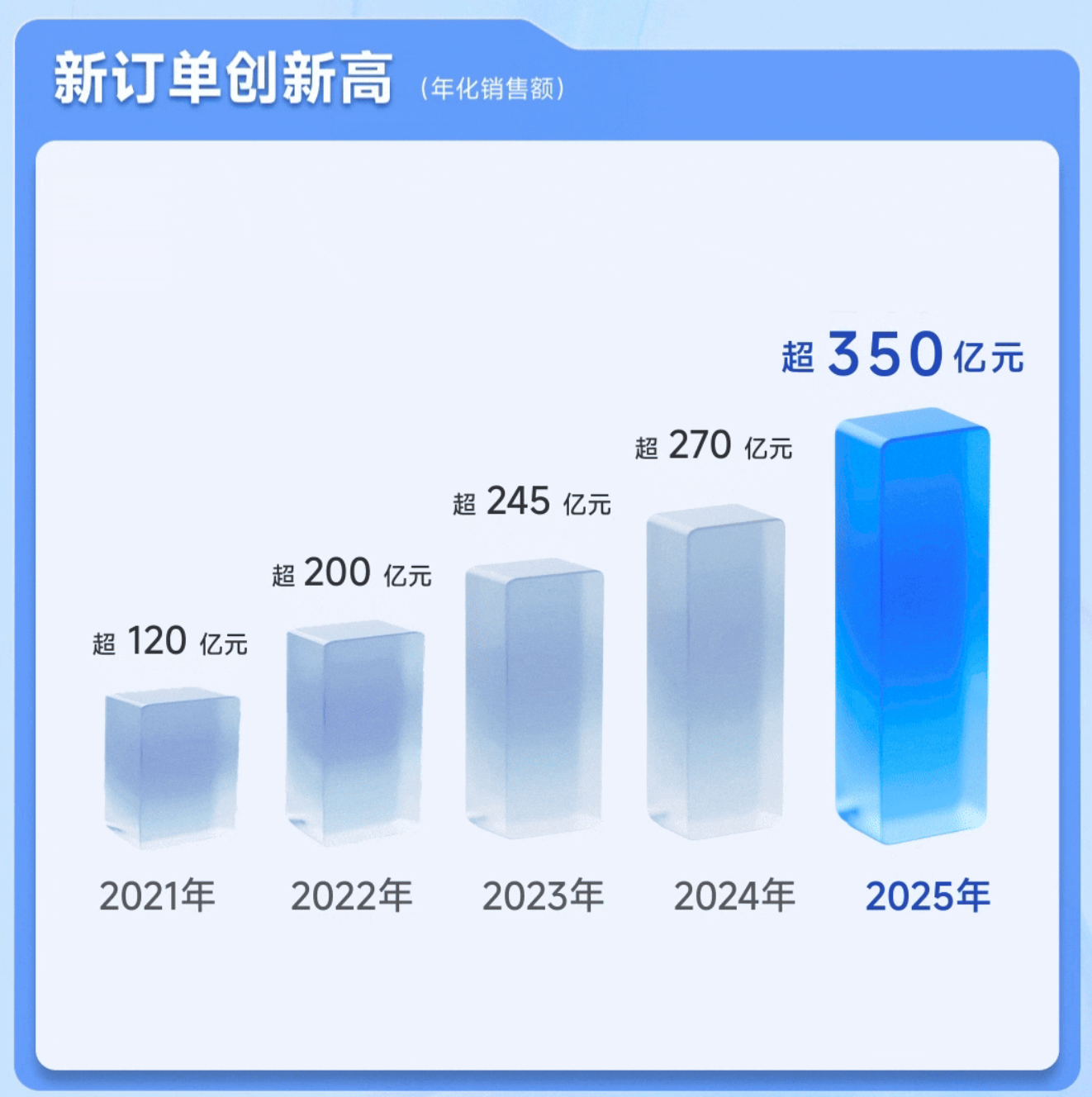
Domestically, Desay SV continues to win new project orders from independent brands like Chery, Geely, Li Auto, and XPENG. Internationally, it has secured new project designations from core clients like Volkswagen and Toyota, while breaking into new accounts like Honda and Renault, further refining its global client matrix. Thanks to mature product solutions and localized service capabilities, it has achieved business breakthroughs in Europe, Southeast Asia, and Japan.
Technological innovation and ecosystem co-creation will continue to drive future growth. In 2025, Desay SV invested 2.637 billion yuan in R&D—8.1% of sales—with R&D personnel making up 42.4% of the workforce. The number of employees with master's or doctoral degrees rose by 38%, and technical experts increased by 17%. The company has filed over 4,100 patent applications and participated in the release of more than 120 domestic and international technical standards, steadily amplifying its voice in the industry.
Looking ahead, as global policies for Level 3 conditional autonomous driving gradually open up, the automotive industry is poised for structural transformation, with intelligent application scenarios continuing to broaden. As the export share of Chinese brands rises and overseas localized production capacity comes online, auto electronics suppliers will find ample room for growth.
Desay SV is well-positioned to leverage its full-chain AI capabilities—spanning perception, decision-making, and control—alongside a production-proven automotive-grade safety system. By deepening its three core businesses and expanding into emerging sectors like unmanned logistics vehicles and robotics, the company aims to consolidate its competitive standing through globalization and ecosystem development.


