



Gasgoo Munich- For global automakers, China remains a strategic cornerstone. It is a critical yardstick for measuring the success of their electric transition and long-term competitiveness.
On April 10, Hyundai Motor announced in Beijing that its electric brand IONIQ is entering China. This sends an unmistakable signal: Hyundai is not retreating. Instead, it is attempting a comprehensive restructuring to survive in the world's most competitive market.
Electrification: Chasing Market Share
Hyundai's global success remains undimmed. In 2025, the Hyundai Motor Group ranked among the top three in global sales with roughly 7.3 million vehicles. Its IONIQ line has repeatedly won "World Car of the Year" honors in Europe and the U.S. Cumulative sales have surpassed 550,000 units.
Yet, while demonstrating strength globally, Hyundai faces unprecedented headwinds in China.
During the internal combustion era, Beijing Hyundai established a solid position with models like the Elantra and Tucson. However, the rise of domestic Chinese brands and the shift to electrification have relentlessly squeezed the market share of joint ventures.
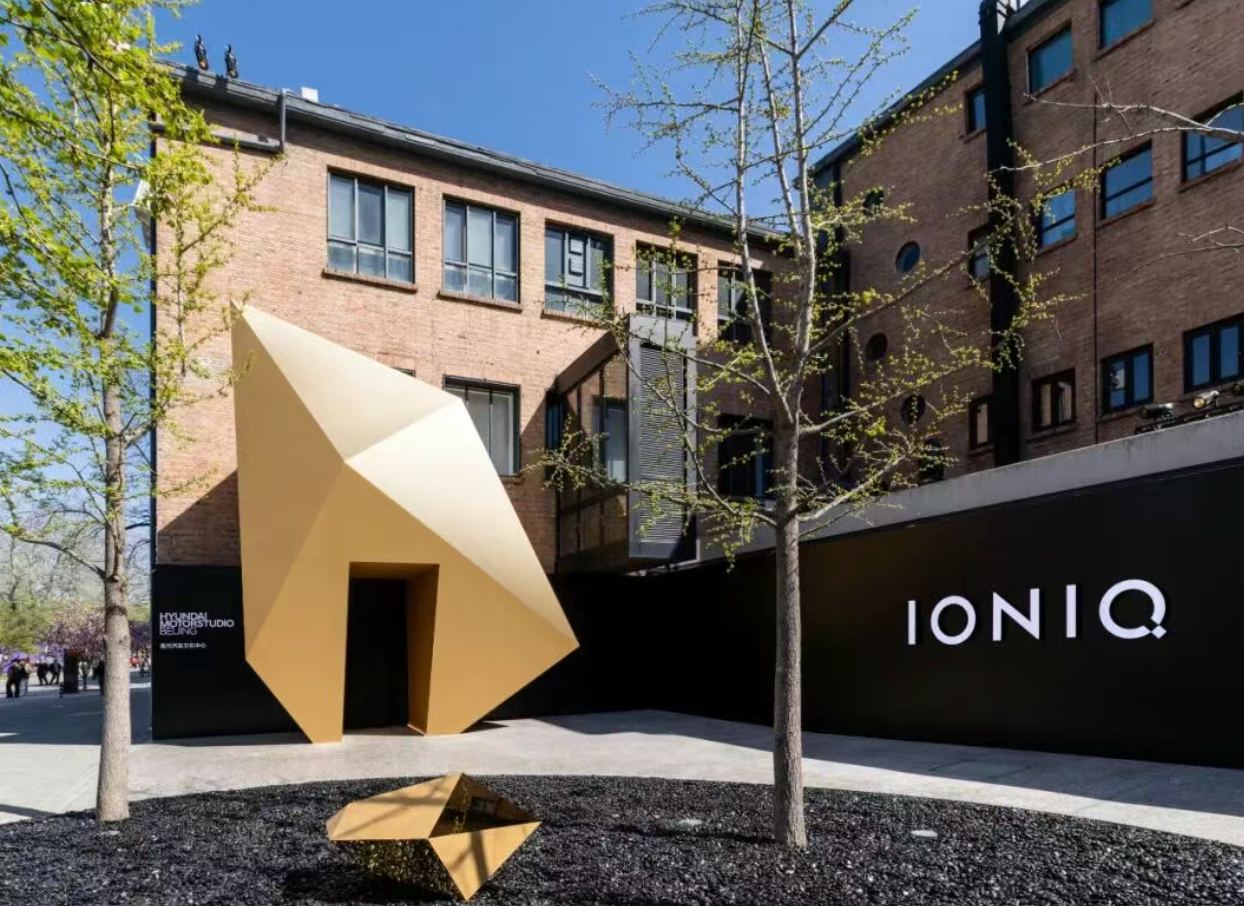
Image Source: Hyundai Motor
Hyundai is not alone. GM, Ford, and Nissan are global giants also grappling with sluggish growth in China. Unlike some peers, Hyundai has chosen a clear path: regrouping rather than retreating.
"China is the world's largest new energy vehicle market," said Li Fenggang, general manager of Beijing Hyundai. It features the fastest technological changes and the most complex user demands. Li acknowledged that Hyundai faces challenges. However, he stressed this does not mean an exit. Instead, it requires doubling down on investment.
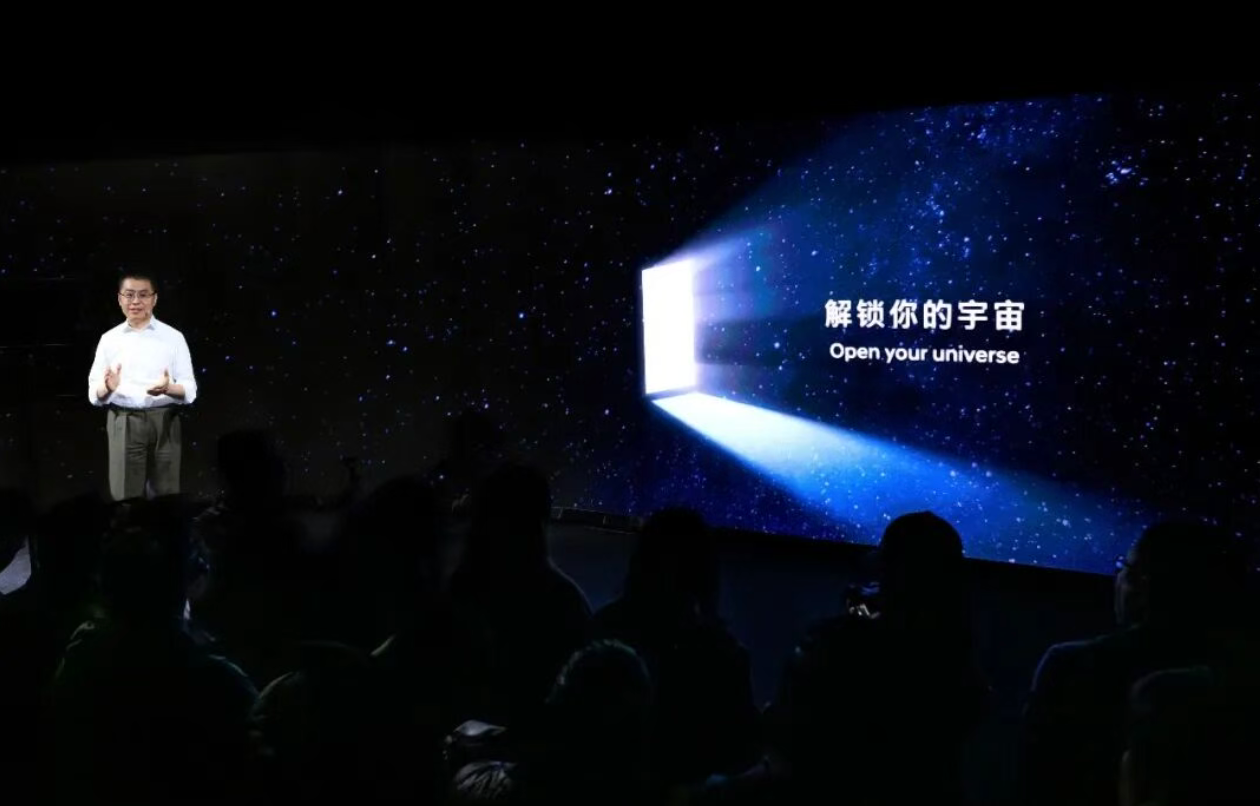
Image Source: Hyundai Motor
Hyundai's reluctance to leave China stems from more than just brand development needs. Deeper strategic calculations are at play.
Global players like Renault and Tesla have demonstrated the value of China's supply chain. Tesla's Shanghai Gigafactory boasts a parts localization rate exceeding 95%. This significantly cuts production costs and powers global exports. Renault has leveraged local Chinese EV technology platforms to bolster European operations.
Hyundai sees this trend clearly. The launch of IONIQ in China follows a strategic direction: "In China, For China, Global." The aim is to leverage local technology, talent, and supply chains to rebuild competitiveness.
Hyundai does not just want to sell cars in China. It aims to use the country as a pivotal anchor for its global electrification strategy. It will deepen its presence to feed insights into worldwide R&D and manufacturing.
IONIQ: Signaling a Counterattack
In Hyundai's internal review, a major reason for its China slowdown was a disconnect. Its electrification pivot did not align with local market needs.
Hyundai is not alone. Many foreign brands in China's new energy market failed to capitalize on their early start. Volkswagen's ID. series, Toyota's bZ series, and Ford's Mustang Mach-E have all failed to replicate their internal-combustion success in China.
Facing this reality, Hyundai is using IONIQ to lead its charge. Unlike the old strategy of importing global models, the company now emphasizes localized design, R&D, and an ecosystem.
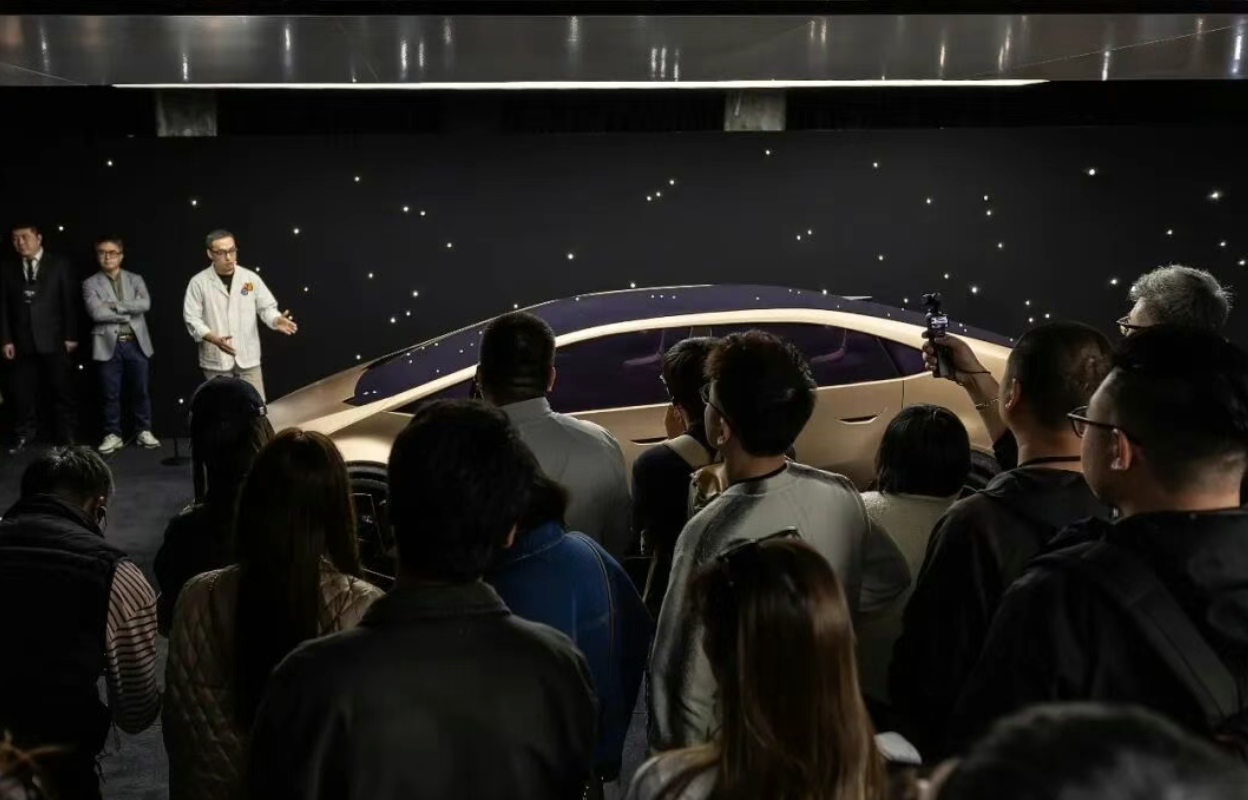
Image Source: Hyundai Motor
Every IONIQ model launched in China will be named after a planet. They will orbit the Chinese consumer as their "sun." Two concepts making their global debut—VENUS CONCEPT and EARTH CONCEPT—are the first tangible results of this philosophy.
The VENUS CONCEPT is positioned as a pure electric sedan. It features a radiant gold exterior and a single-curve silhouette. It also has a transparent rear wing. The interior uses crystal ambient lighting and "Venus Curve" seats to create an immersive cabin experience.
The EARTH CONCEPT is a family-oriented electric SUV. It features an "Aurora Shield" color scheme, rock-textured skid plates, and a glass roof. The design emphasizes the fusion of nature and technology. Both models incorporate planetary-themed details to forge an emotional connection with the driver.
The more critical change lies in the depth of its localization. IONIQ explicitly emphasizes addressing the real pain points of Chinese consumers.
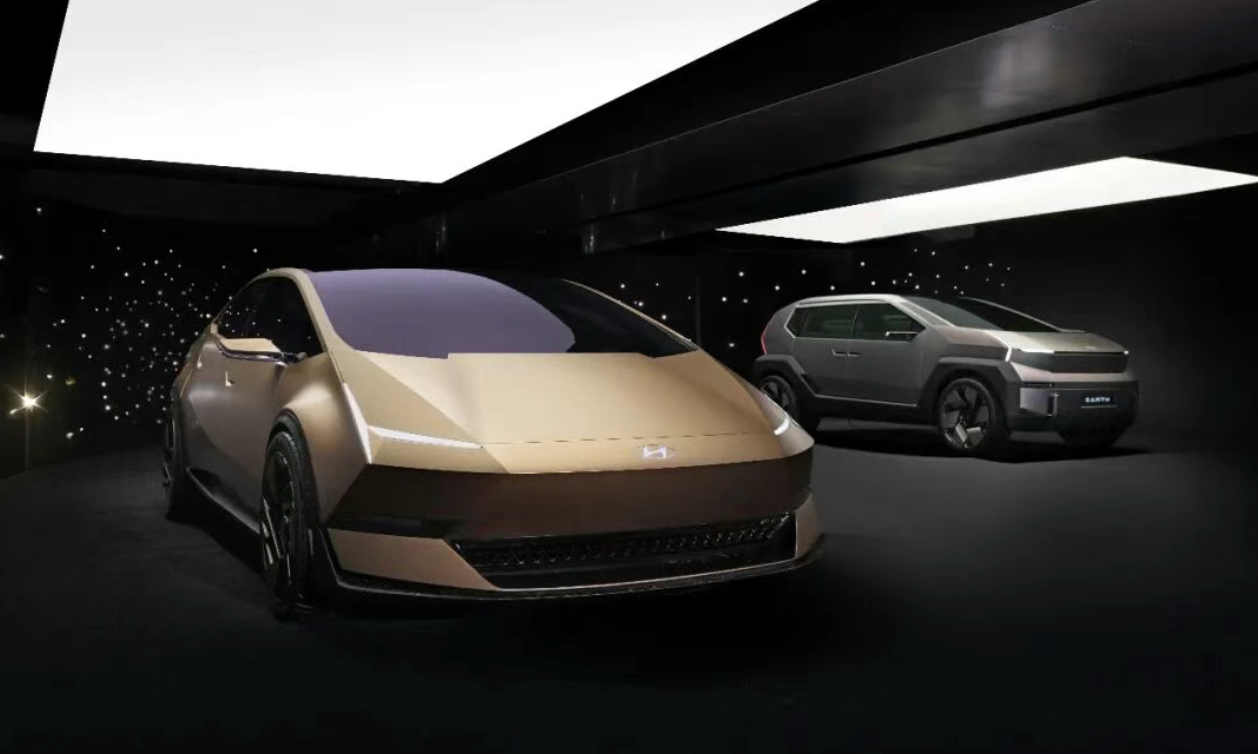
Image Source: Hyundai Motor
Regarding intelligence, Hyundai partnered with Momenta. They will develop autonomous driving solutions tailored to China's road conditions. For the powertrain, new models will feature batteries from CATL. The chassis architecture has been optimized for the space demands of Chinese families.
To alleviate range anxiety, IONIQ will launch range-extender models alongside pure EVs. By combining expertise in internal combustion engines and electrification, the brand aims to deliver best-in-class range.
This comprehensive localization across brand, technology, and design marks an attempt. Hyundai aims to build an electrification ecosystem specifically for Chinese consumers.
Hyundai is pushing changes in channels and user experience. The IONIQ brand will build a dedicated ecosystem called "IONIQ Universe." This will create a user-centric service system across brand, channel, and product.
Specific store layouts and service details have not been fully revealed. However, language regarding "space innovation" and "service reform" suggests a clear intent. Hyundai wants to break from the traditional 4S dealership model. It aims to move toward direct-sales and user-experience centers favored by EV competitors.
As the world's third-largest automaker, Hyundai has chosen not to retreat in China. Instead, it is using IONIQ as a new engine to overtake rivals on the EV curve. Whether this strategy will succeed remains to be seen. It will be tested by the market and time.
It is certain that Hyundai wants to remain in China. The company is willing to invest significant resources behind this commitment. At the upcoming Beijing Auto Show, the first IONIQ mass-production model tailored for China will make its global debut.


