



Gasgoo Munich- BMW has officially rolled out the 2026 5 Series internal combustion model and the all-electric i5. As part of this annual refresh, the automaker has rolled out key product upgrades and price adjustments — a significant move in the luxury mid-size sedan market.
The latest overhaul brings a sweeping refresh to equipment while slashing prices by 70,000 to 90,000 yuan compared to the previous generation. For the first time, the gasoline-powered 5 Series and the electric i5 share a unified starting price of 368,000 yuan. Dealer discounts listed on one automotive platform push the 5 Series to 298,500 yuan and the i5 to 293,500 yuan.
A stark contrast remains in sales performance despite both belonging to the same 5 Series family. The gasoline 5 Series consistently moves about 10,000 units a month, whereas the i5 struggles to sell even 1,000, leaving it lagging in the electric vehicle race.
Amid a critical phase of the industry's shift to electrification, BMW's product tweaks and the resulting sales split do more than reflect its own strategy. They serve as a case study for the diverging paths of gasoline and electric powertrains in the luxury sector.
More Features, Lower Prices: A Dual Upgrade
The 2026 5 Series and i5 have undergone a comprehensive boost in competitiveness by adding equipment while cutting prices — a counterintuitive move for an annual refresh. This strategy not only dismantles the previous pricing wall between gas and electric models but also optimizes features across the lineup, reshaping their standing in the luxury mid-size sedan segment.
The headline change is the unified entry price for both variants. Across the board, prices have dropped by 70,000 to 90,000 yuan compared to the outgoing models, significantly lowering the barrier to entry for both nameplates.
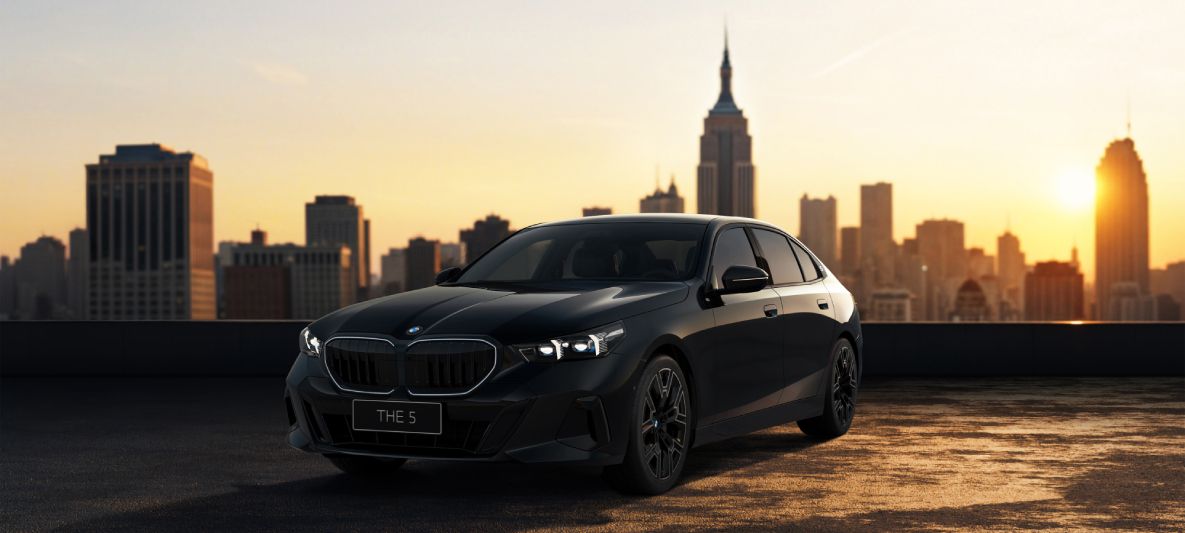
Image Source: BMW
This approach narrows the price gap between electric and gasoline variants, giving the 5 Series and i5 a sharper competitive edge in the luxury mid-size market.
Alongside the price cuts, the 2026 lineup sees a full refresh of equipment. Practicality has improved across the board, from the base model to the top trim, with both gasoline and electric versions receiving synchronized core upgrades.
The base models benefit the most. They now come standard with the Parking Assistant Pro system, which includes remote-controlled parking and a 200-meter reversing assist. A two-color comfort seat package is also included, featuring front-seat ventilation, lumbar support, memory for the front passenger seat, heated rear seats, and wireless charging. Four-zone climate control and 5G connectivity are now standard on the base trim, addressing the previous model's sparse equipment list.
Mid- and high-spec trims add a full-color head-up display (HUD), while the top-tier version focuses on rear-seat comfort, creating a more balanced experience across the entire range.
The i5 mirrors these equipment upgrades while also improving its range. The CLTC range has been extended to 602 kilometers, effectively patching a weakness of the previous model and boosting the electric variant's practicality.
Why the Stark Sales Gap Between Gas and Electric?
Even with the 2026 upgrades, the sales chasm between the gasoline and electric versions remains wide. This disparity isn't driven by a single factor; it is the result of overlapping forces — consumer demand, product attributes, and market competition — and highlights the challenges legacy luxury brands face during their electric transition.
On the demand side, preference for gasoline engines remains dominant in the luxury mid-size segment. The core customer base for the 5 Series has deeply entrenched habits, posing a major hurdle for i5 sales growth.
Target buyers primarily use these vehicles for business and family purposes, demanding stability, resale value, and a refined experience. The gasoline consumption habits ingrained over years in this segment have yet to fundamentally shift.
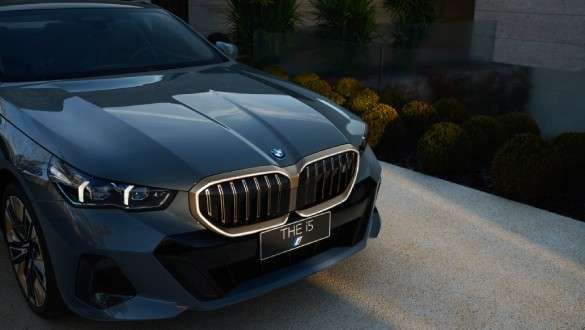
Image Source: BMW
Unlike the gasoline 5 Series, which boasts a mature reputation, the i5 suffers from lower resale values due to battery degradation and rapid technological iteration. This "value anxiety" pushes long-term buyers toward the proven gasoline option.
Range loss and charging convenience are also key concerns for business users. Even with a 602-kilometer CLTC range, real-world driving conditions and weather can significantly reduce that figure. Furthermore, fast charging cannot yet match the speed of a gasoline fill-up, further dampening appeal for core customers.
From a product standpoint, the i5 — a conversion model based on a gasoline platform — faces inherent design limitations that clash with both BMW's core brand identity and the specific needs of electric vehicle users.
Built on a platform shared with combustion engines, the i5 carries unavoidable compromises. To accommodate the battery pack, its curb weight is over 400 kilograms heavier than the gasoline 5 Series — roughly the weight of five extra adults. This heft dilutes the agility BMW is known for, undermining the brand's "sheer driving pleasure" ethos.
Additionally, the shared platform means the i5 retains the rear floor hump designed for a driveshaft, compromising rear-passenger space.
Moreover, the 2026 i5 does not feature BMW's latest sixth-generation eDrive technology or an 800-volt architecture. Its charging speed lags behind current market leaders, and high battery costs could drive up maintenance expenses. These product weaknesses are central to its struggles in the market.
On the market front, competition in the luxury electric mid-size segment is heating up. The i5 is caught in a pincer movement between the internal gasoline 5 Series and external rivals, struggling to establish a clear competitive advantage.
Internally, the gasoline 5 Series benefits from years of market presence and a loyal following. With a starting price of 368,000 yuan — and dealer discounts pushing it near 290,000 yuan — it costs roughly the same as the i5. Given the choice between similar specs and prices, buyers tend to gravitate toward the proven gasoline option that better fits their needs, siphoning potential buyers away from the electric model.
Externally, the i5 faces an expanding roster of rivals. It is battling both traditional luxury marques and a wave of domestic Chinese EV startups.
Mercedes-Benz has aggressively cut prices on the EQE. Meanwhile, domestic high-end contenders like the NIO ET7 and ZEEKR 001 are capturing market share through dedicated electric platforms, superior smart features, and better spatial designs.
Caught between these pressures, even the 2026 i5's added features and lower prices have failed to carve out a distinct advantage over its rivals, making a sales breakthrough difficult.
The 2026 refresh represents BMW's strategic response to intensifying competition. Yet the sales split between gas and electric models reflects the reality of consumer demand in the luxury mid-size segment and offers a lesson for legacy brands navigating the electric transition.
For legacy automakers, the shift to electrification requires more than simple conversions or price cuts. It demands a comprehensive evolution in platform development, product design, and market alignment to truly meet new-energy demands and achieve balanced growth across both powertrains.


