Caught in the eye of the storm transforming China's auto industry, luxury brands—long seen as industry beacons—are facing unprecedented tests. Porsche, the sports car manufacturer standing at the pyramid's peak for its pure driving pleasure and unique brand appeal, is no exception.
At an annual media roundtable on January 26, Alexander Pollich, President and CEO of Porsche China, confronted the challenge head-on, systematically outlining the company's current status, reflections, and future path in the region. This was more than a routine briefing; it was a strategic manifesto at a critical turning point for Porsche China.
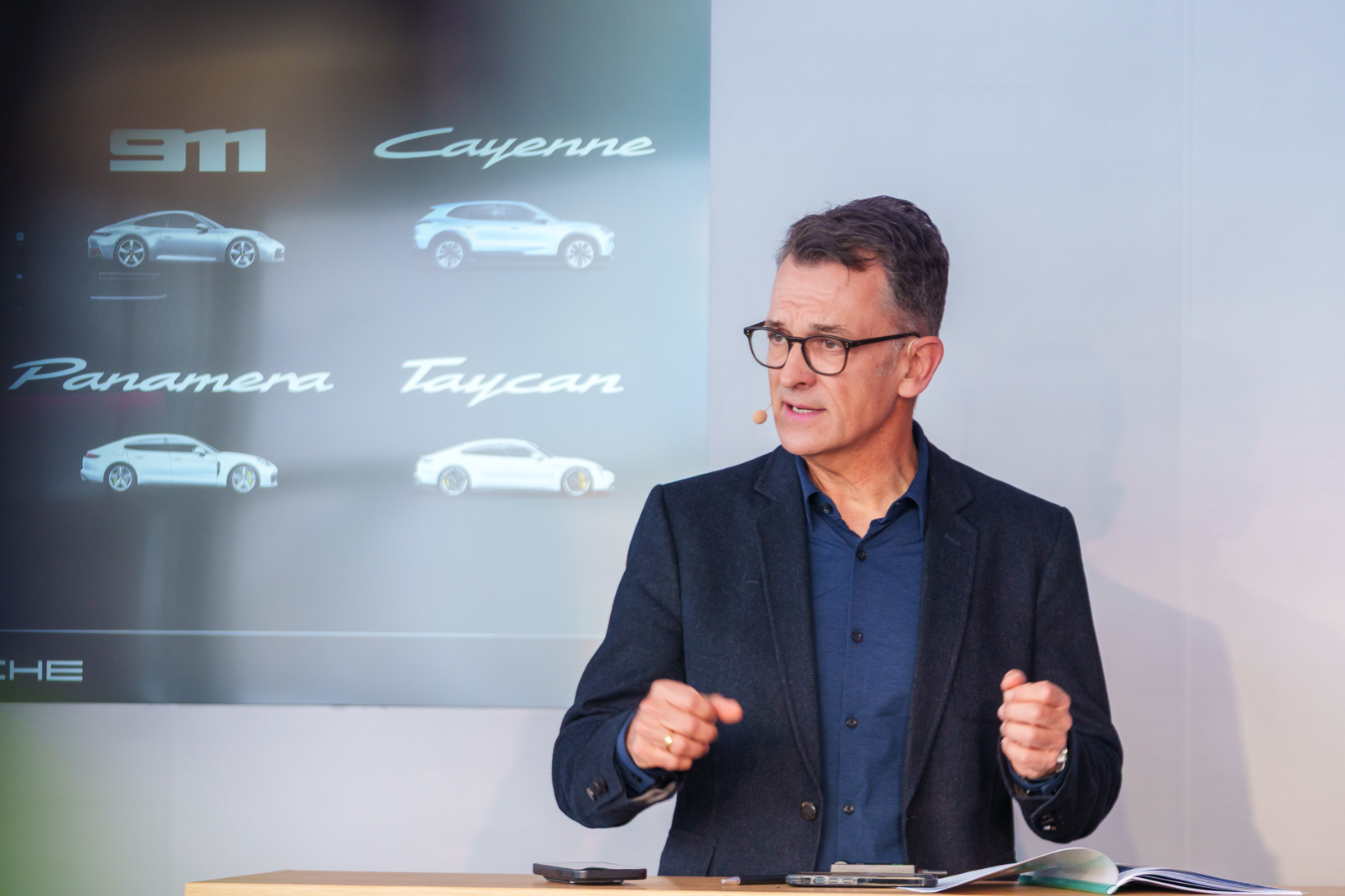
Alexander Pollich, President and CEO of Porsche China; Source: Porsche
From sliding sales to a cooling luxury market, and from the shock of electrification to the "China speed" of local innovation, how does Porsche balance its traditional DNA with future demands? How does it reclaim its place in the world's largest auto market? Through Pollich's detailed responses, this article offers a glimpse into the thinking, choices, and adherence of a legendary brand.
"Perfect Storm" and Strategic Resolve
Over the past three years, China's broader auto market has expanded, yet the luxury and ultra-luxury segments have faced a starkly different fate. Pollich opened the roundtable by stating the reality: "Overall, the Chinese market has grown over the last three years, but the luxury and high-end segments have declined by roughly 28%. For models priced above 1 million yuan, the drop is around 23%."
Pollich offered a layered analysis of the sales decline, tracing the root cause to a fundamental shift in customer demand. Chinese consumers—especially those on the cutting edge—have grown accustomed to the seamless ecosystem experiences provided by smart devices like phones, and they expect the same level of technological integration in their vehicles. This shift in demand became the first domino in the market's transformation.
This shift in demand immediately ignited a drastic change in the competitive landscape. Local brands, leveraging their native advantages in software and ecosystems, moved quickly to capture and satisfy this new need. "They already possess ecosystems; they don't have the baggage of old platforms and massive investments, so they started with a clean slate, focusing on software and platform development," Pollich objectively analyzed. This advantage rapidly translated into scale and cost efficiencies, triggering a fierce price war that has swept through the entire market.
Citing the C-SUV segment where the Porsche Cayenne competes, he noted: "Over three years, the manufacturer's suggested retail price has fallen by more than a third. Today, you can essentially buy a C-SUV for the price of a B-SUV." This rapid downward price pressure has reshaped the value benchmarks across every segment.
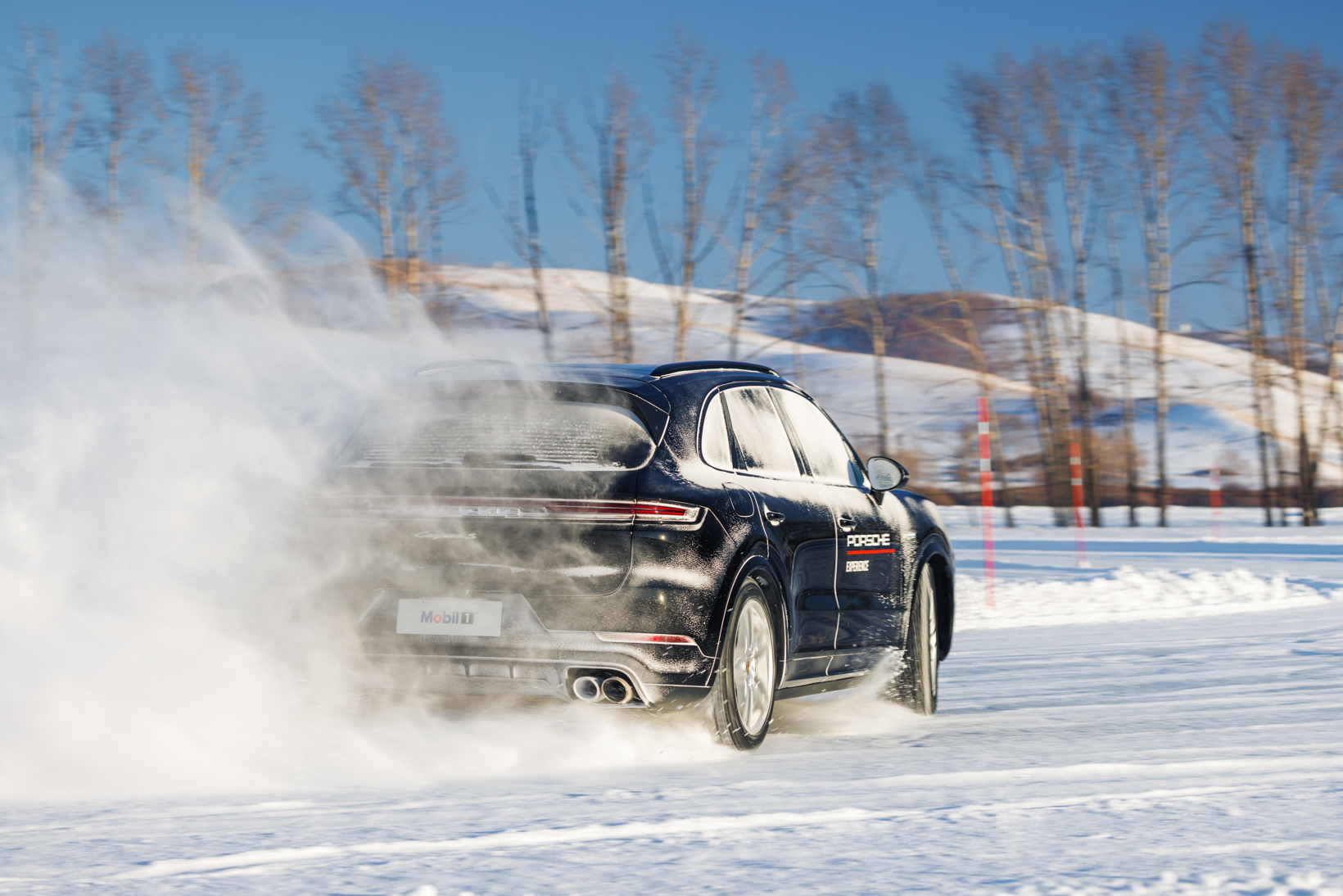
Finally, macroeconomic challenges acted as an external amplifier, exacerbating market volatility. Porsche's core demographic skews younger, making them more sensitive to the broader economic environment. Combined with the weakness of traditional growth engines like the real estate market, these factors created what Pollich termed a "perfect storm."
Source: Porsche
Facing this storm, Porsche's response is not to slash prices in pursuit of volume, but to emphasize strategic resolve and core strengthening.
Pollich made it clear: "In such a market environment, we will not do everything possible to pursue sales or market share. We want to maintain a balance between supply and demand, and preserve the value of the brand and the product. Chasing short-term sales would be disastrous compared to long-term success."
This core strategy of "quality over quantity" serves as ballast for Porsche as it navigates cyclical fluctuations. He described the current moment as a "period of accumulation," with the goal of "making the brand stronger" to await the return of market spring.
A Cautious, Pragmatic "Balancing Act"
Having recognized the root of the challenges, Porsche's strategy in China reveals a cautious yet pragmatic "balancing act"—holding the line on brand fundamentals while actively exploring flexible paths adapted to the local market.
Addressing industry speculation about reducing the number of outlets from over 100 to roughly 80, Pollich explained that the traditional, large-format 4S stores located on city outskirts are established as indispensable "flagships." These outlets carry complete functions including sales, used cars, after-sales, and maintenance, serving as the cornerstone of the brand experience and service.
However, Porsche is upgrading these centers through its "Experience Plan" to create a warmer environment, more community-oriented services, and diverse functions. For instance, some dealers, like the Jebsen Group, have already begun dedicating significant floor space within their stores to used car displays, aligning with the development trend of China's second-hand vehicle market.
Meanwhile, Porsche takes a more prudent approach toward new retail formats such as permanent showrooms or "e-hub" spaces in city cores. High rents and complex after-sales support requirements present significant profitability challenges for such models. "While there are successful examples, many business cases face difficulties," Pollich acknowledged.
Against this backdrop, a more flexible format—the limited-time pop-up space—has proven to be an effective supplement. "Pop-up spaces allow us to reach consumers, and by being temporary, we can manage costs and achieve better operational efficiency, often delivering a better experience than permanent stores." This "light asset, strong experience, high efficiency" touchpoint model reflects Porsche's focus on balancing cost and effectiveness in channel expansion.
On the core battlefield of intelligence, which determines future experience, Porsche has adopted a more open yet rigorous stance. Its collaboration with local tech firm PATEO on in-vehicle systems is defined as "deep synergy" rather than a simple procurement relationship. The two sides have formed joint project teams to ensure the system not only meets functional requirements but blends perfectly with the characteristics of a Porsche sports car. The Shanghai R&D center successfully completed the development and delivery of a new generation infotainment system within 18 months, demonstrating Porsche's initial success in adapting to "China speed."
When the discussion turned to the more complex topic of advanced driver-assistance systems (ADAS), Pollich admitted to an open attitude, stating that the company is evaluating various solutions, including those from Chinese firms. However, he repeatedly emphasized Porsche's three non-negotiable core principles:
First, safety is paramount. "We will only introduce a system when it is 100% safe and reliable; we will never let customers become 'guinea pigs' for testing iterations."
Second, a driver-centric approach. The system should assist the driver, not replace them, while maintaining the specific driving texture unique to Porsche.
Third, the driver must always have the right to take over. "Even in the future of Level 3, 4, or 5 autonomous driving, Porsche vehicles will always be equipped with a steering wheel. We cannot imagine a completely steering-wheel-less autonomous Porsche."
Regarding the closely watched issue of localization, Pollich set clear and strict preconditions. "The key is not whether we produce locally, but whether we can increase speed through local R&D. At the same time, we must absolutely ensure that we can develop and produce models that possess Porsche's full essence and represent the brand's DNA."
He acknowledged that the Volkswagen Group's strong local capabilities in China are a positive factor, but the final decision will depend on meeting Porsche's extremely rigorous engineering and quality standards. "The standards are high, but Chinese engineers, designers, and production capabilities are indeed outstanding. The possibilities remain to be seen." This answer expressed recognition for Chinese manufacturing capabilities while reiterating the bottom line that core brand values cannot be diluted.
The Criteria for "Winning Back" China
Looking ahead one to three years, Pollich acknowledged that Porsche China will still face significant challenges, particularly before the launch of the all-new B-class and D-class SUVs. However, Porsche is not waiting passively; it is building a bridge to the future centered on products, R&D pacing, and long-term strategic goals.
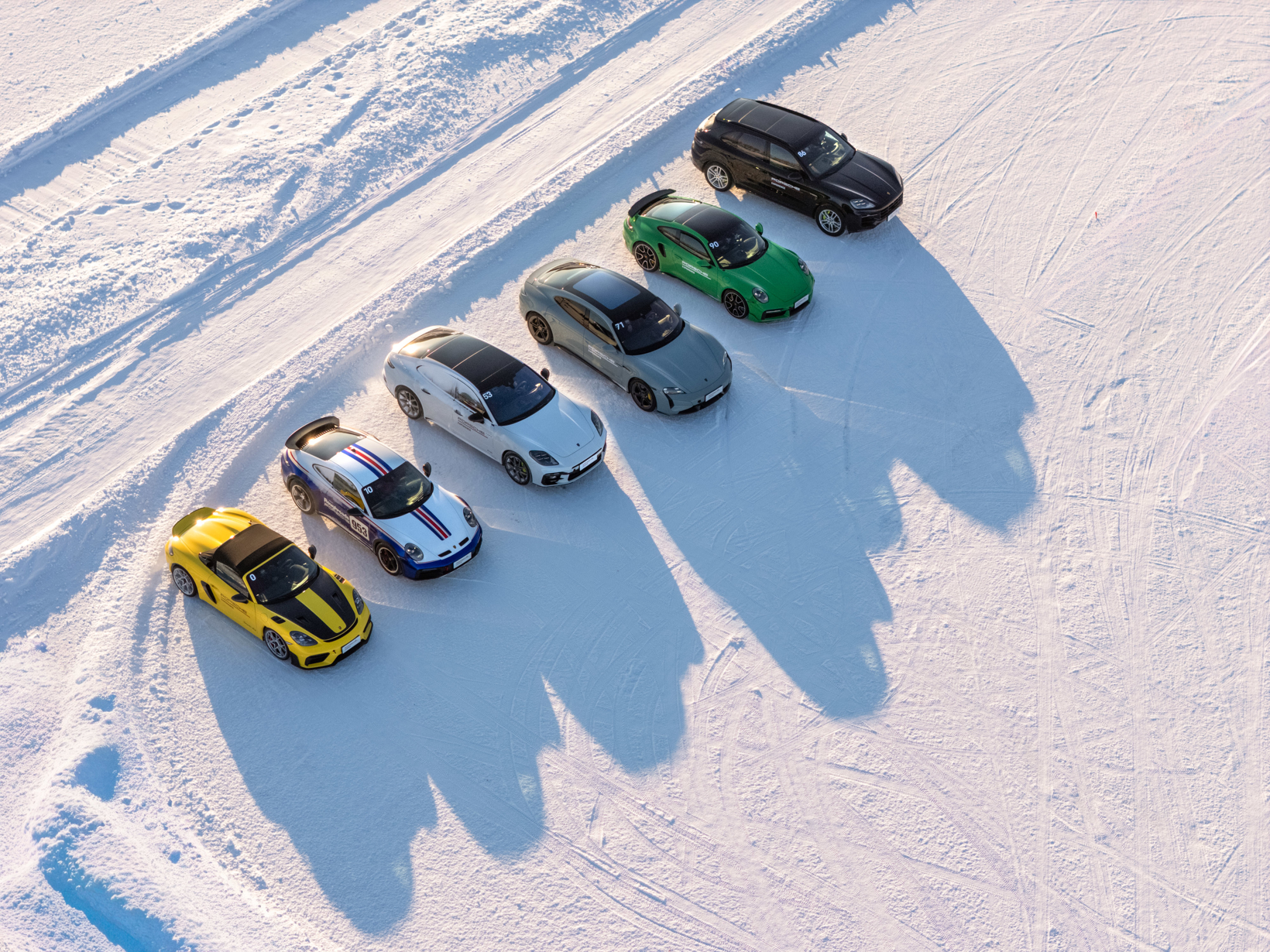
While the all-new SUV models require time, Porsche has mapped out a continuous product offensive to maintain market heat and secure its foundation. The all-electric Cayenne, set to debut at the Beijing Auto Show, along with more models tailored specifically for the Chinese market, carries high expectations. Pollich anticipates that when the B-class and D-class SUVs finally launch, they will deliver a significant sales boost, and these models will "fully consider the needs of the Chinese market."
Source: Porsche
This forms a clear product relay strategy: hold the line with existing and near-term electrified and localized products, then seek a breakthrough with future all-new heavy hitters.
Faced with the remarkable R&D and iteration speeds of Chinese automakers, Pollich expressed an attitude of active learning and catching up. "Our colleagues in Germany are advancing the development of these new models at 'China speed' in full swing." He noted that shortening the cycle from concept to market launch helps better control costs—a direction German manufacturers are learning to adopt.
However, "China speed" cannot come at the expense of core principles. Pollich drew a clear red line: "Our most uncompromising, bottom-line standard is reliability and safety." He distinguished between the "development cycle" and the "iteration cycle," acknowledging that in the context of rapid technological progress, shortening product lifecycles and iteration speeds is a market trend that Porsche must also examine seriously.
Ultimately, though, "you must do it right before you do it fast." Porsche's task is to find the optimal balance between speed and rigor. "We need to be as fast as possible under the premise of necessary rigor. Indeed, the faster the better, but we believe being responsible to customers always comes first."
When asked about specific success criteria and timelines for the "win back China" strategy, Pollich's response demonstrated profound strategic resolve and a return to the brand's essence. He first clarified that unforeseen events, such as the lowering of the luxury tax threshold in 2025, have already impacted original timelines. This, he said, validates his two takeaways from the Chinese market: stay flexible, stay humble.
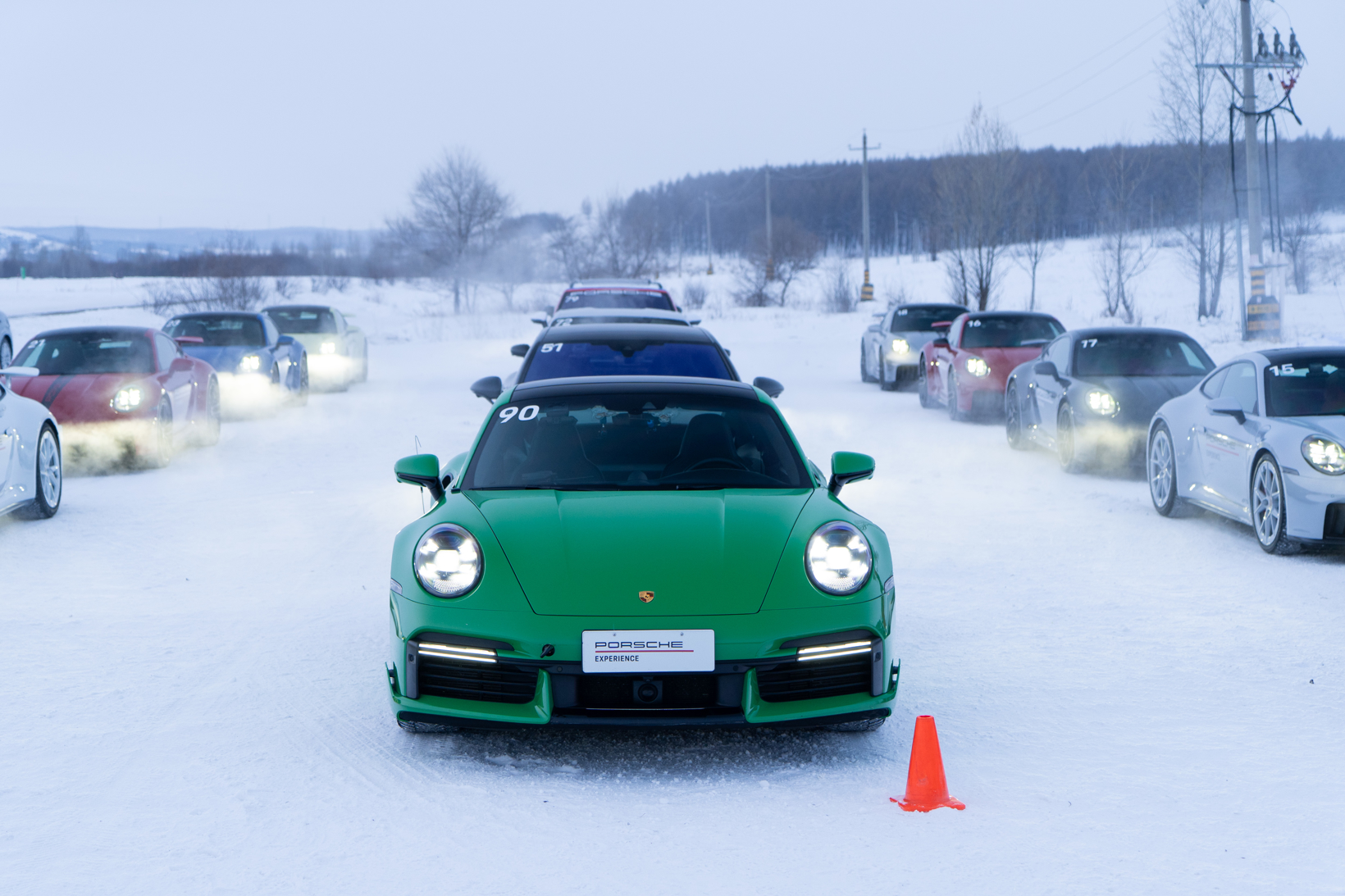
More importantly, he explicitly rejected sales figures as the yardstick for "winning back." "Our criteria are whether brand power remains strong and whether consumer needs are being met. We want consumers to be not just satisfied with Porsche, but to feel excited and thrilled." Positive feedback from the Porsche community is viewed as a more important benchmark.
This definition elevates Porsche's competitive dimension from a short-term battle for market share to the construction of long-term brand emotional connection and value recognition. "We will maintain an open, flexible posture to cope with future developments, and use long-termism to win back the Chinese market," Pollich concluded, setting a clear tone for Porsche's China strategy.
Source: Porsche
When asked how he views numerous popular models from domestic brands that resemble Porsche, Pollich remarked, “We believe an original is always an original. After seeing so many lookalike models, everyone will eventually recognize the pioneer and cherish the brand that truly possesses a deep historical heritage.”
Porsche's future planning combines short-term pragmatic measures with long-term brand philosophy. It responds to market realities through specific products and technical roadmaps while anchoring its strategic direction with brand value goals that transcend sales volume. Between "fast" and "slow," and "change" and "constant," Porsche is attempting to forge a path that adapts to China's unique market rhythm without losing its unified global brand soul.
Do It Right, Then Do It Fast
Amidst industry changes unseen in a century, Porsche China's strategic manifesto reveals far more than a luxury automaker's coping mechanism; it reflects the common challenge facing the entire high-end automotive industry in the intelligent electric era: how to strike a difficult yet critical balance between speed and depth, scale and value, and local adaptation versus global DNA.
Porsche has chosen to let "quality" drive "quantity" and to counter cyclical fluctuations with "long-termism." While this may appear conservative, it is essentially a return to and adherence to the brand's essence. By not viewing sales as the yardstick for "winning back" the market, but instead placing brand power, user emotion, and product purity at the core, the brand may have found a truly sustainable moat against the "involution" of price wars and "traffic-driven" product thinking.
Yet, challenges remain severe. China's "perfect storm" is not a passing shower but a structural climate change. The ecosystem advantages, R&D speed, and cost control of local brands have reconstructed the baseline of competition. While Porsche's emphasis on "safety first," "driving essence," and "rigor first" are indeed the cornerstones of a luxury brand, the critical communication task it must complete is how to make the philosophy of "slow work yields fine detail" understood and accepted by a new generation of consumers who worship "small steps, fast runs."
From "lightweight testing" in channels to "collaborative acceleration" in R&D, Porsche has demonstrated tactical flexibility and openness. Yet its strategic core remains clear: do not dilute the brand for short-term share, and do not sacrifice safety to cater to speed. This path is destined to be difficult, but it may provide the industry with another value sample—on a track where everyone is chasing "faster and fiercer competition," there are still those who choose to "do it right, then do it fast."
The Chinese auto market is moving from an "era of volume growth" into an "era of value reshaping." Porsche's persistence and adjustment are a microcosm of this transition period: true competition will eventually transcend superficial comparisons of configuration and price, returning to the deep construction of brand emotion, engineering culture, and long-term trust. Whether one can maintain strategic resolve in the eye of the storm without losing one's core while adapting flexibly will be the ultimate test facing all high-end brands.